Cashmere and alpaca are the two fibres that come up whenever someone asks for a genuinely warm, genuinely soft sweater. Both feel luxurious, both cost more than wool, and both are often sold side by side in the same shop. The problem is that they are not interchangeable. Cashmere is finer, softer and more familiar, while alpaca is warmer, lighter and tougher, and the wrong choice can leave you with a sweater that pills after a month, itches at the neck, or costs twice what it should.
That is why this guide compares the two fibres head to head, point by point, instead of simply ranking sweaters. A cashmere sweater that suits a cold office and a smart coat is not the same purchase as an alpaca sweater you plan to wear on long winter walks. Price, care, weight and durability all pull in different directions, and the fibre that wins on softness is not the fibre that wins on lasting value.
Below are nine comparisons that matter in 2027, from warmth and softness to pilling, washing and price. Each one describes what each fibre does well, what to watch for, and who it suits best, so you can choose the sweater you will actually reach for, not just the one with the nicest label.
Key takeaways
- Cashmere is the softer fibre on first touch, with a finer, smoother hand that suits skin directly against the sweater.
- Alpaca is warmer for its weight, lighter to wear, and generally more resistant to pilling and stretching over time.
- Cashmere pills more readily and needs more careful storage, while alpaca holds its shape better but can feel less smooth at lower grades.
- Both fibres should be hand-washed or dry-cleaned, never machine-washed on a hot cycle, and stored folded with moth protection.
- Neither fibre is a bargain buy at a suspiciously low price, and a cheap cashmere or alpaca sweater is usually a blend that performs like neither.
What cashmere and alpaca sweaters actually are
Cashmere comes from the soft undercoat of cashmere goats, combed out once a year in spring. The fibres are very fine, usually 14 to 19 microns, which is why a good cashmere sweater feels smooth and almost weightless against the skin. It has been the luxury knitwear standard for decades, and most of the world’s supply comes from Mongolia, China and Iran. The finest cashmere is graded by fibre length as well as fineness, and long fibres are what keep a sweater soft and slow to pill.
Alpaca comes from alpacas, animals kept mainly in the Andes of Peru and Bolivia. Alpaca fibre is hollow, which traps air and makes it very warm for its weight, and it is naturally hypoallergenic because it contains almost no lanolin. It is usually a little thicker than cashmere, around 18 to 25 microns for the softest baby alpaca, but it is stronger, and a well-made alpaca sweater can last many more winters than a comparable cashmere one.
The confusion comes from the way both are sold. A label that says cashmere or alpaca may mean a blend with as little as 5 percent of the named fibre, and the rest can be ordinary wool or acrylic. That is why this guide focuses on the fibre itself, and why every comparison below assumes a genuine, high-quality knit rather than a blended budget version.
Grading matters as much as the fibre name. Cashmere is graded by fibre length and fineness, and the longest, finest fibres make the softest, longest-lasting sweaters. Alpaca is graded by micron count too, with baby alpaca at the fine end and coarser grades used for outerwear and blankets. A sweater made from short cashmere fibres will pill and thin out quickly, while a sweater made from long baby alpaca fibres can feel almost as soft as cashmere and last far longer.
How we chose these comparisons and what to look for
Look first at the fibre content on the label, and check the percentage before you check the price. A sweater labelled 100 percent cashmere or 100 percent alpaca is a different product from one labelled with a small percentage of either fibre. Blends are not always bad, a little wool can add structure, but a blend should be priced as a blend, not as a luxury fibre.

Look next at the knit itself. Hold the sweater up to the light and look for an even, dense knit with no thin patches. A good knit should spring back when you gently stretch it, and the seams should lie flat. Our comparison of wool versus cashmere sweaters explains the same checks in more detail, because the signs of a well-made knit are the same across fibres.
Finally, think about how you will actually wear it. A sweater that lives under a coat on cold days needs warmth and durability. A sweater worn against bare skin needs softness above all. A sweater you will wash often needs a fibre that tolerates handling. The comparisons below are ordered so you can weigh each one against your own habits, not against a single best fibre.
The 9 comparisons that matter in 2027
Warmth and insulation
What we like: Alpaca wins on warmth for its weight, thanks to its hollow fibres that trap air. Cashmere is warm too, but you need a thicker knit to match alpaca. What to consider: Cashmere can feel warmer at first touch because it sits closer to the skin. Best For: Alpaca for cold outdoor days, cashmere for heated indoor days. Fabric: Alpaca fibre, hollow core. Price Range: £80 to £300 for a good alpaca sweater, £100 to £400 for cashmere. Standout Feature: Alpaca warmth without bulk.
If you are choosing one sweater for the coldest weeks of the year, alpaca gives you more warmth per gram, which means a lighter sweater that still keeps you warm.
Softness against skin
What we like: Cashmere is softer on first touch, with a smooth, almost silky hand that few fibres match. What to consider: Lower-grade alpaca can feel slightly coarse, though baby alpaca is close to cashmere. Best For: Cashmere for sensitive skin and bare-neck wear. Fabric: Cashmere fibre, 14 to 19 microns. Price Range: £120 to £400 for fine cashmere. Standout Feature: Cashmere’s smooth, gentle hand.
Try the sweater against your inner wrist before you buy. If it prickles there, it will prickle at your neck all day, and no amount of wearing in will fix it.
Weight and drape
What we like: Alpaca is lighter for the same warmth, so it drapes cleanly without bulk under a coat. What to consider: Very fine cashmere can drape beautifully too, but it is more likely to stretch. Best For: Alpaca for layering, cashmere for a soft, relaxed fit. Fabric: Alpaca, light and lofty. Price Range: £80 to £300. Standout Feature: Alpaca’s light, clean drape.
A heavy sweater that pulls at the shoulders is a sweater you will stop wearing. Lightness matters more than most people expect, especially if you layer.
Durability and pilling
What we like: Alpaca is the tougher fibre, more resistant to pilling and better at holding its shape over years. What to consider: Cashmere pills more, especially under the arms and where a bag strap rubs. Best For: Alpaca for everyday wear, cashmere for lighter, occasional wear. Fabric: Alpaca, stronger fibre. Price Range: £80 to £300. Standout Feature: Alpaca’s long life.
Pilling is not a sign of poor quality on its own, but a sweater that pills heavily in the first month is using short fibres, and it will only get worse.
Care and washing
What we like: Both fibres can be hand-washed gently, and alpaca tolerates handling slightly better. What to consider: Cashmere needs more careful drying and storage, and both hate moths. Best For: Alpaca if you wash often, cashmere if you dry-clean. Fabric: Both natural animal fibres. Price Range: Hand-wash cost is minimal, dry-cleaning £8 to £15. Standout Feature: Simple, gentle care for both.
Never wring either fibre. Press the water out in a towel, reshape it flat, and let it dry away from heat, and both will last far longer.
Price and value
What we like: Alpaca usually costs less than comparable cashmere and lasts longer, so the cost per wear is often lower. What to consider: Top-grade baby alpaca can cost as much as mid-range cashmere. Best For: Alpaca for value, cashmere for pure softness. Fabric: Alpaca, generally better value. Price Range: £80 to £300 for alpaca, £100 to £400 for cashmere. Standout Feature: Alpaca’s lower cost per wear.
Divide the price by the number of winters you expect to wear it. A £200 alpaca sweater worn for six winters costs less per year than a £120 cashmere sweater replaced after two.
Breathability and comfort
What we like: Both fibres breathe well, and alpaca’s hollow fibres move moisture away from the skin effectively. What to consider: Thick cashmere can feel clammy in a heated room, while alpaca regulates temperature better. Best For: Alpaca for changing temperatures, cashmere for steady cold. Fabric: Alpaca, hollow fibre. Price Range: £80 to £300. Standout Feature: Alpaca’s temperature regulation.
If you move between cold streets and warm offices, a fibre that regulates temperature will keep you comfortable in both, rather than overheating indoors.
Sustainability and sourcing
What we like: Alpaca farming is generally lower impact, with animals grazing on sparse Andean land and fibre that needs little processing. What to consider: Cashmere demand has driven overgrazing in some regions, so sourcing matters. Best For: Alpaca for lower-impact sourcing, certified cashmere for responsible buying. Fabric: Alpaca, naturally low impact. Price Range: Certified fibres cost 10 to 20 percent more. Standout Feature: Alpaca’s gentle footprint.
Look for traceability, not just a green label. A brand that names its farms and fibre grade is making a real claim, while a vague eco label is often just marketing.
Versatility and styling
What we like: Cashmere comes in more colours and finer gauges, so it suits smarter outfits, while alpaca’s natural tones suit relaxed, outdoor looks. What to consider: Alpaca takes dye less readily, so its palette is narrower. Best For: Cashmere for smart dressing, alpaca for casual warmth. Fabric: Cashmere, wider colour range. Price Range: £100 to £400. Standout Feature: Cashmere’s styling range.
Think about the rest of your wardrobe. A sweater that works with your coats, skirts and trousers will earn its price far faster than one that only suits a single outfit.
Which sweater is right for you
If softness is your top priority and you plan to wear the sweater against bare skin, choose cashmere, and choose a fine, long-fibre grade. It will feel better on day one than any other fibre, and if you care for it well and wear it in rotation, it will stay soft for years. Our guide to why cashmere is worth the price explains what that care involves, and why a good cashmere sweater earns its cost.
If warmth, durability and value matter more, choose alpaca, and choose baby alpaca if your skin is sensitive. It will keep you warmer on cold days, hold its shape better, and cost less per wear over its life. It is the practical choice for everyday winter wear, especially if you only want one really good sweater.
If you can, own one of each. A cashmere sweater for smart, indoor days and an alpaca sweater for cold, outdoor days covers more of winter than two of either fibre, and each one lasts longer because neither is worn every day.
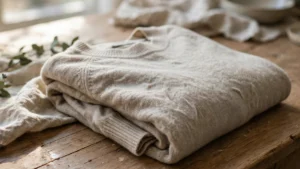
Rotation is the simplest way to make either fibre last. A sweater worn every day will pill and stretch far faster than one worn twice a week and rested in between, because the fibres need time to recover their shape. Keep two or three good sweaters in rotation, fold them rather than hanging them, and both your cashmere and your alpaca will look better for far longer.
The caveats that matter
Neither fibre is perfect, and the label is where most mistakes happen. A sweater that claims to be cashmere or alpaca but lists a low percentage is not the fibre you are paying for, and a very cheap pure cashmere sweater is almost always made from short, coarse fibres that will pill and lose shape quickly. Price is not a guarantee, but a price far below the normal range is a warning.
| Detail | What is known |
|---|---|
| Warmest for its weight | Alpaca, thanks to hollow fibres that trap air |
| Softest on first touch | Cashmere, with finer fibres at 14 to 19 microns |
| Most resistant to pilling | Alpaca, which holds its shape and surface better |
| Best value per wear | Alpaca, usually cheaper and longer lasting |
| Widest colour range | Cashmere, which takes dye more readily |
| Care | Both need hand-washing or dry-cleaning, drying flat, and moth protection |
| Biggest buying mistake | Paying luxury prices for a low-percentage blend |
| What neither does | Neither survives hot machine washing or rough tumble drying |
Allergies are rare with both fibres, but they do happen. Alpaca is often recommended for people who react to wool because it contains almost no lanolin, while cashmere is usually well tolerated too. If you have reacted to wool before, try alpaca first, and always test a new sweater against your skin before removing the tags.
Checklist: choosing between cashmere and alpaca honestly
Use these checks before you buy, and again after a month of wear.
- Check the label: look for 100 percent, or a named percentage, of cashmere or alpaca, not just the fibre name.
- Check the feel: test the sweater against your inner wrist for prickling before you buy.
- Check the knit: hold it to the light for even density, and stretch it gently to see if it springs back.
- Check the price: be wary of a luxury fibre priced far below the normal range for its grade.
- Check your habits: choose alpaca for everyday wear and cashmere for softer, smarter days.
- Check the care: make sure you are willing to hand-wash or dry-clean, and store it folded with moth protection.
Frequently asked questions
Is alpaca warmer than cashmere?
Yes, for the same weight. Alpaca fibres are hollow, so they trap more air and insulate better. A mid-weight alpaca sweater can feel as warm as a thicker cashmere one, which is why alpaca suits cold outdoor days so well.
Is alpaca softer than cashmere?
Usually not on first touch. Cashmere is finer and smoother, so it feels softer against the skin. Baby alpaca comes close, but if softness is your main concern, cashmere is the safer choice.
Does alpaca pill less than cashmere?
Yes, in general. Alpaca fibres are stronger and longer, so they resist pilling better and hold their shape for more seasons. Cashmere pills more, especially where a bag strap or seatbelt rubs.
Can I machine wash a cashmere or alpaca sweater?
No, not on a normal cycle. Both should be hand-washed in cool water with a gentle detergent, or dry-cleaned. Hot water and agitation will shrink and felt both fibres, and the damage cannot be undone.
Why is some cashmere so cheap?
Cheap cashmere is usually made from short fibres, or it is a blend with a small percentage of cashmere and mostly wool or acrylic. It feels soft at first but pills quickly and loses shape. A genuine, long-fibre cashmere sweater costs more to make, and that shows in the price.
Which sweater should I buy if I can only buy one?
Choose alpaca if you want warmth, durability and value, and cashmere if you want the softest feel and the widest styling range. If you are still unsure, our roundup of the best winter sweaters of 2027 covers both fibres alongside wool, so you can compare them in one place.
The bottom line
Cashmere and alpaca are both excellent fibres, and the right choice depends on what you value most. Cashmere wins on softness and styling range, alpaca wins on warmth, durability and value per wear. Neither is a wrong choice if you buy a genuine, well-made knit and care for it properly.
Check the label, feel the fibre against your skin, and buy the sweater that fits your winter, not just the one with the finest name. A good sweater of either fibre, worn for years, is better value than a cheap one of either, replaced every season.