

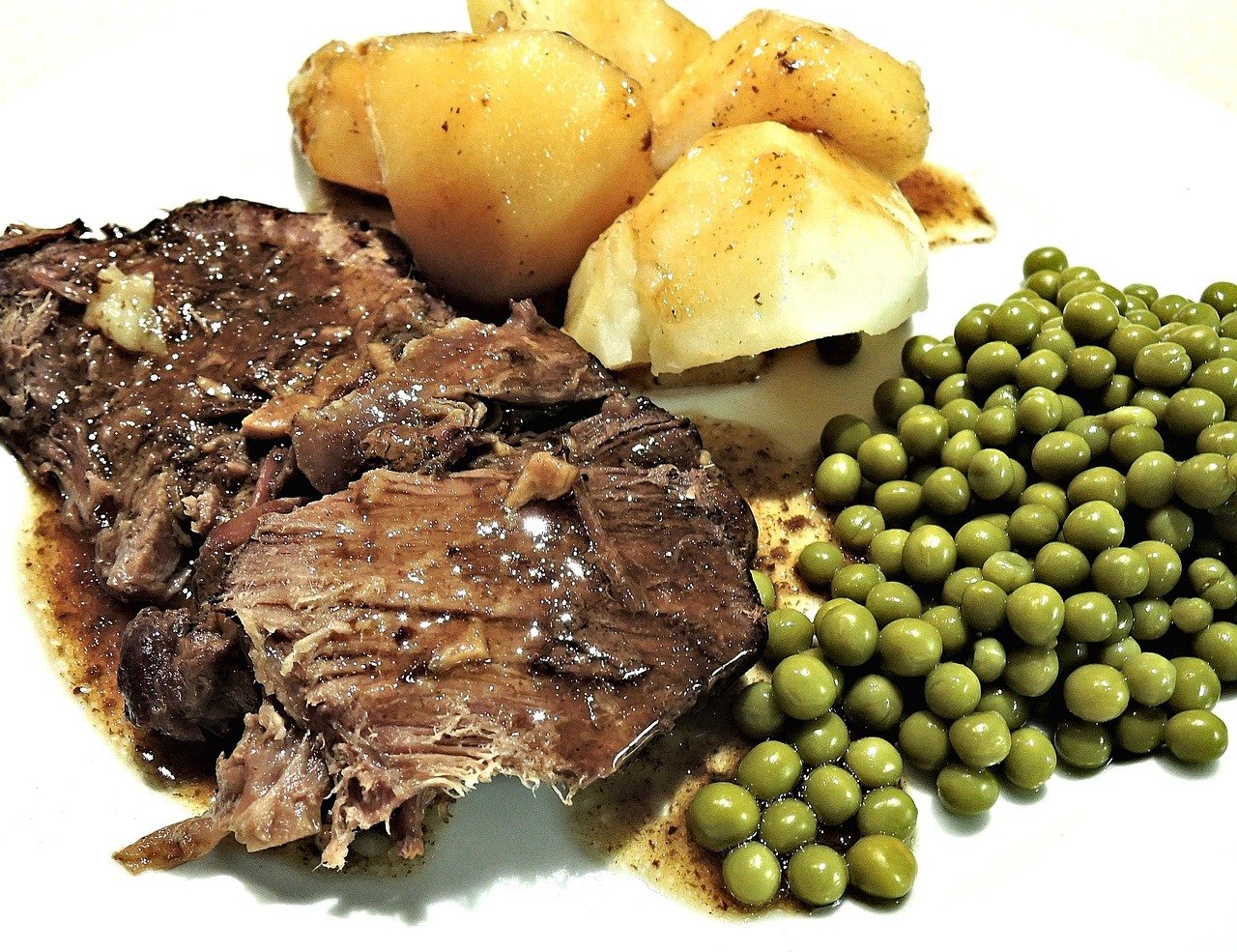

What if the best-value beef in the butcher’s case is the one most shoppers walk right past? That is often the story with the chuck roll, a large, boneless cut taken from the beef shoulder. It is not a steak. It is not a quick dinner. But handled correctly, it can feed a crowd for far less than premium cuts, and it delivers deep, beefy flavor that expensive lean cuts simply cannot match.
This guide covers what the chuck roll actually is, how it differs from the chuck roast on the supermarket shelf, how to cook it, and the mistakes that turn a promising cut into a chewy disappointment.
What Is a Chuck Roll?
The chuck roll is a boneless cut from the beef chuck, which is the shoulder region of the animal. In butchery terms, a “roll” is a piece of meat that has been rolled and tied into a neat cylinder, usually for even cooking and clean slicing. The chuck roll is a large, cylindrical muscle group, often weighing far more than a typical family roast.
The chuck itself is a hardworking area. The muscles there do a lot of movement, which builds up connective tissue and collagen. That is why chuck cuts are famously tough when cooked fast and famously tender when cooked slow. The chuck roll carries all of that character.
Because it is a large, boneless, uniform piece, the chuck roll is a favorite in foodservice and institutional kitchens. It can be portioned into roasts, sliced for sandwiches, or cut down into stew meat and stir-fry strips. For a home cook willing to buy a bigger piece and break it down, it is one of the most economical ways to put beef on the table.
“chuck roll” means different things in different places. In the United States, it is primarily a butchery and foodservice term for this boneless shoulder cut. In some English-speaking markets, the phrase also refers to a Japanese-style dish of seared beef served over rice. This article focuses on the beef cut, since that is the meaning most people searching for cooking advice are after.
Chuck Roll vs. Chuck Roast: What’s the Difference?

Shoppers often assume these are the same thing. They come from the same part of the animal, but they are handled and sold very differently.
| Feature | Chuck Roll | Chuck Roast |
|---|---|---|
| Bone | Boneless | Often bone-in, sometimes boneless |
| Shape | Large cylinder, rolled and tied | Irregular, blocky piece |
| Typical size | Very large, often many pounds | Smaller, family-sized |
| Common buyer | Foodservice, bulk buyers, serious home cooks | Everyday home cooks |
| Best cooking method | Slow roasting, braising, then slicing | Pot roast, braising |
| Price | Usually lower per pound | Slightly higher per pound |
The practical takeaway: a chuck roast is essentially a smaller, retail-friendly version of the same region. If you can only find a chuck roast, most chuck roll recipes will still work, just with shorter cooking times.
Why the Chuck Roll Deserves More Attention
The case for this cut comes down to three things: cost, flavor, and versatility.
Cost. Because it is large and less fashionable than premium cuts, the chuck roll is usually priced well below steaks and many roasts. Buying a bigger piece and portioning it yourself stretches the food budget considerably.
Flavor. The chuck is rich in fat and connective tissue, and that translates into serious beef flavor. Lean cuts can taste flat by comparison. When collagen breaks down during long cooking, it turns into gelatin, which gives the meat body and a silky texture.
Versatility. A single chuck roll can become Sunday roast, sandwich meat for the week, and cubed beef for stews and braises. That flexibility is hard to beat.
The catch is that this cut demands patience. There is no shortcut to tender chuck. The reward only comes with time and the right technique.
How to Cook a Chuck Roll So It Turns Out Tender
The single most important rule is low and slow. Fast, high-heat cooking will leave chuck roll tough and stringy. Here is a reliable method for a classic slow roast.
- Season generously and early. Salt the meat well and let it sit, ideally overnight in the refrigerator. This seasons the interior and helps the surface brown.
- Bring it toward room temperature. A very cold roast cooks unevenly. Take it out of the fridge about an hour before cooking.
- Sear the outside. Pat the surface dry, then brown it hard in a heavy pan or roasting tray. This builds flavor on the crust.
- Add liquid and aromatics. Pour in a little stock, wine, or water, and add onions, garlic, and herbs. You want moisture, not a swimming pool.
- Cover and cook low. Roast covered at a gentle temperature, roughly 300°F to 325°F, until the meat is fork-tender. Expect several hours depending on size.
- Rest before slicing. Let the roast rest, then slice against the grain. Slicing across the muscle fibers shortens them and makes every bite more tender.
For braised preparations, the same logic applies: sear, add liquid, cover, and simmer gently until the meat gives way under a fork.
Practical Tips That Actually Work
- Cook by feel as well as by time. A thermometer helps, but tenderness is the real test. When a fork slides in with little resistance, it is ready.
- Do not skip the rest. Resting lets juices redistribute so they stay in the meat instead of running onto the board.
- Slice against the grain every time. This is the difference between chewy and tender, even with perfectly cooked meat.
- Chill before thin slicing. If you want deli-style sandwich slices, cool the cooked roast fully, then slice it cold. It holds together far better.
Common Mistakes to Avoid
- Treating it like a steak. High heat and short cooking times are the fastest route to a tough result.
- Under-seasoning. Large cuts need more salt than people expect, and it needs time to penetrate.
- Slicing with the grain. This leaves long muscle fibers intact and makes the meat feel stringy.
- Rushing the braise. If the meat is still firm, it simply needs more time, not more heat.
- Cutting it all up at once. Slice only what you plan to eat, so the rest stays moist.
Buying and Storing a Chuck Roll
Because chuck rolls are large, they are often sold through foodservice suppliers or bulk retailers rather than in small supermarket packs. If you find one, ask the butcher to cut it down if you do not want the whole piece. Many will portion it into smaller roasts at no extra charge. (The row)
When buying, look for meat that is firm, with a deep red color and creamy white fat. A little marbling is a good sign for flavor. Avoid pieces with dry, dark edges or an off smell.
For storage, keep the roast refrigerated and use it within a few days, or freeze portions for longer keeping. Wrap tightly to prevent freezer burn, and thaw in the refrigerator rather than on the counter.
If you enjoy exploring how different cuts and textures behave, the way hair type changes styling routines is a useful parallel: match the method to the material. Just as 4c hair needs different care than looser textures, chuck needs different handling than a lean steak. The same principle of matching technique to the material shows up in styling too, whether you are working with 2b hair or a coarse, curly pattern.
Serving Ideas for Chuck Roll
Once cooked and rested, a chuck roll is remarkably flexible.
- Classic roast dinner. Slice thick and serve with potatoes, carrots, and gravy made from the pan juices.
- Sandwiches. Cool, slice thin, and pile onto rolls with horseradish or mustard. This is where the cut shines for meal prep.
- Tacos and bowls. Shred the tender meat and use it in tacos, rice bowls, or loaded fries.
- Stews and braises. Cube raw chuck roll and slow-cook it with root vegetables and stock.
- Stir-fry, with care. Slice very thin against the grain and cook hot and fast, or tenderize first. This is the one method where chuck demands extra attention.
Nutrition at a Glance
Beef chuck is a source of protein, iron, zinc, and B vitamins, and it tends to be fattier than lean cuts like sirloin. That fat is part of why it tastes so good, but it also means portion size matters. Trimming excess surface fat before cooking and skimming fat from pan juices are simple ways to lighten the final dish without losing flavor. As with any meat, cook it thoroughly and handle raw and cooked meat separately to keep the kitchen safe.
Conclusion
The chuck roll is the quiet workhorse of the beef world. It will never be a steak, and it should not try to be. What it offers instead is value, deep flavor, and remarkable versatility, provided you give it the time it needs. Buy a larger piece, season it well, cook it low and slow, and slice it against the grain. Do that, and a budget cut can outperform far pricier options at the table. The next time you are planning a big meal or a week of sandwiches, the chuck roll deserves a serious look.
Frequently Asked Questions
What exactly is a chuck roll?
It is a large, boneless cut from the beef shoulder, rolled and tied into a cylinder. It comes from the chuck, a hardworking muscle group rich in connective tissue, which makes it ideal for slow cooking and slicing.
Is chuck roll the same as chuck roast?
They come from the same region but are sold differently. A chuck roll is a large, boneless, rolled piece often sold to foodservice, while a chuck roast is a smaller, often bone-in retail cut. Recipes are largely interchangeable with adjusted cooking times.
What is the best way to cook a chuck roll?
Low and slow is the answer. Sear the outside, add a little liquid and aromatics, cover, and roast gently at around 300°F to 325°F until fork-tender. Braising works equally well. High heat and short times will leave it tough.
How do I know when a chuck roll is done?
Tenderness is the real test. When a fork slides in with little resistance, the collagen has broken down and the meat is ready. A thermometer is a helpful backup, but feel matters more than a fixed time.
Why did my chuck roll turn out tough?
The usual culprits are cooking it too fast, pulling it out too early, or slicing with the grain. Chuck needs hours of gentle heat to soften, and it must be sliced across the muscle fibers to feel tender in the mouth.
Can I freeze a chuck roll?
Yes. Freeze it in portions wrapped tightly to prevent freezer burn, and thaw it in the refrigerator rather than at room temperature. Cooked slices also freeze well, which makes it a practical choice for batch cooking.
Is chuck roll good for beginners? It is forgiving in the sense that it does not require precision, but it does require patience. A beginner who follows the low-and-slow rule and slices against the grain will usually get a good result. The main skill to learn is reading doneness by feel rather than clock time.
With those basics in hand, the chuck roll stops being an intimidating bulk purchase and becomes one of the most practical cuts a home cook can keep on hand.









