


What do a sprinter on the starting blocks, a grandparent at a family reunion, and a teenager scrolling hairstyle videos all have in common? They might all be wearing cornrows. This braided style has been around for a very long time, yet it still sparks debate, admiration, and the occasional dress-code dispute. If you have ever wondered how cornrows are actually made, how long they last, or whether they damage your hair, this guide breaks it down in plain terms.
Cornrows are a style where hair is braided flat against the scalp in continuous, raised rows. The rows usually run from the front of the head toward the back, though curved and geometric patterns are common too. The name is often explained as a comparison to neat rows of corn in a field, though that etymology is a popular story rather than a documented fact. Either way, the look is unmistakable: clean lines, visible scalp between sections, and a braid that sits close to the head instead of hanging loose.
A Style With Deep Roots and Real Cultural Weight
Braided and row-braided hair has been documented across Africa for a very long time. Braids appear in rock art and in ancient Egyptian imagery, which tells us that arranging hair in tight, patterned rows is not a modern invention. Be careful with specific dates you see online. Claims like “cornrows date to 3000 BCE” circulate widely but are hard to tie to a primary source, so treat them as uncertain.
In the Americas, cornrows and related braiding carried both practical and cultural meaning among enslaved Africans. A popular tradition holds that braided patterns were used to encode escape routes, sometimes described as a kind of map. This story is widely told but poorly documented, so it is best presented as tradition rather than established fact. What is not in doubt is the style’s staying power: cornrows moved through generations and communities and never really disappeared.
Cornrows also became a flashpoint in schools, sports, and workplaces. Documented disputes include a 2018 New Jersey high school wrestling controversy in which a referee ordered a wrestler to cut his dreadlocks; the referee was later suspended. Dress-code conflicts over braids have continued since. In response, California passed the CROWN Act in 2019, effective January 1, 2020, banning race-based hair discrimination that targets braids, locs, and twists. Other states and localities followed. Federal CROWN Act legislation has been introduced but has not been enacted, so check the current status before relying on it. The US Army also revised its grooming policy in 2021 to allow braids, locs, and twists after earlier bans drew criticism.
Cornrows vs. Box Braids vs. Canerows
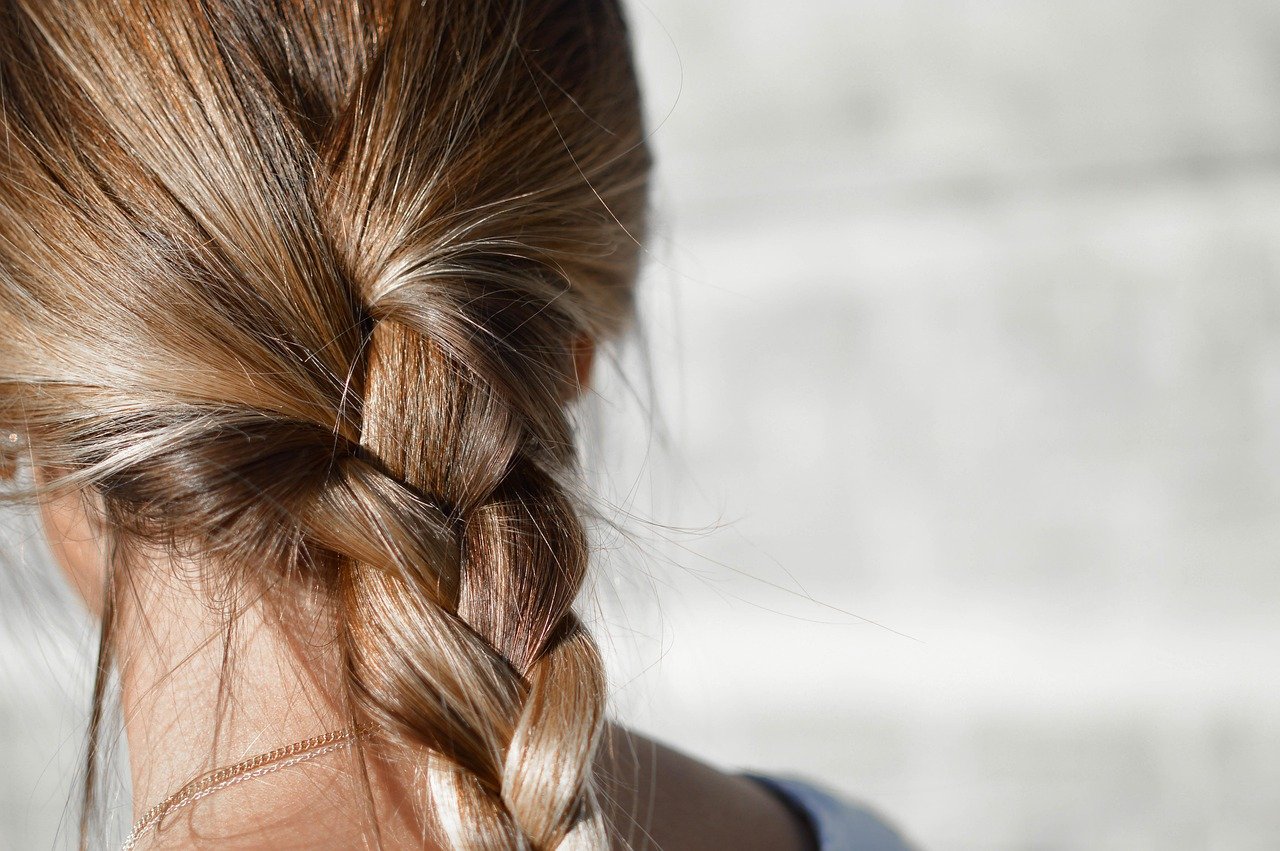
People often use these terms interchangeably, but they describe different things. Getting the vocabulary right helps when you talk to a braider or search for reference photos.
| Style | How it sits | Section shape | Typical wear time |
|---|---|---|---|
| Cornrows | Flat against the scalp in raised rows | Long rows, often front to back | 2 to 6 weeks |
| Box braids | Hangs free from the scalp | Square sections | 4 to 8 weeks |
| Canerows | Flat against the scalp, same as cornrows | Long rows | 2 to 6 weeks |
Canerows is simply a Caribbean term for the same flat-row style. Definitions vary by region, so don’t be surprised if the name changes depending on who you ask.
How Cornrows Are Actually Done
The process is simpler than it looks, but it demands patience and tension control. Here is the general sequence a braider follows:
- Wash and condition. Clean hair is easier to section and braid. Many braiders work on slightly damp hair.
- Detangle fully. Any knot left in place becomes a problem once the braid is tight.
- Section the hair. The braider parts clean lines, often using a comb to create even rows.
- Add extension hair if needed. Many styles use added hair for length and thickness, especially on finer textures.
- Braid close to the scalp. The braid is built using an underhand or overhand method that keeps it flat.
- Secure the ends. The tail is finished with a small band, a knot, or a tucked end.
- Set the edges. A little edge control and a light oil finish the look.
A full head can take one to four hours, depending on the number of rows, the size of the sections, and whether extension hair is used. Smaller patterns with more detail take longer. If you are booking a first appointment, ask how long the braider expects the session to run so you can plan your schedule.
What to Ask For at the Salon
Bringing a photo is the single most useful thing you can do. Beyond that, be specific about three things: the number of rows, the direction of the pattern, and the tension. A good braider will ask about your scalp sensitivity and your hair’s density before starting. If you are exploring related looks, browsing ideas for hairstyles 2026 can help you spot patterns and finishes you want to try.
Common mistakes people make before an appointment:
- Washing with heavy conditioner right before. Slippery hair makes braids looser and shorter-lived.
- Booking a tight style on a sensitive scalp. Speak up early, not after the first row.
- Skipping a patch test for new products. If you have reacted to a product before, say so.
- Rushing the takedown. Pulling braids out quickly causes breakage.
How Long Do Cornrows Last, and How Should You Care for Them?
Most cornrows hold for two to six weeks. After that, new growth loosens the roots and the style starts to look fuzzy. Care between appointments is mostly about keeping the scalp comfortable and the braids clean.
- Wash gently. Diluted shampoo applied with a sponge or applicator bottle works well. Rinse thoroughly and let the braids dry fully.
- Moisturize the scalp, not the braid. A light oil or leave-in applied along the parts keeps the scalp from flaking.
- Cover at night. A satin scarf or bonnet reduces friction and frizz.
- Avoid heavy products. Waxes and thick gels build up at the roots and attract lint.
If you are already maintaining a growth routine, some people pair braid care with hair growth serums on the scalp between rows. Results vary, and no serum replaces good tension control.
The Honest Answer on Damage and Traction Alopecia
This is the question that matters most, and the answer is nuanced. Cornrows themselves are not inherently damaging. Traction alopecia is hair loss caused by sustained tension, and it is a real condition discussed in dermatology literature. The risk comes from braiding too tightly, especially along the hairline, and from leaving a tight style in for too long.
Warning signs to take seriously:
- Bumps, scabs, or sore spots along the parts
- A headache that starts during braiding
- Thinning or a receding hairline near the temples
- White bumps at the roots
- Pain when you move your eyebrows
If any of these appear, the braids are too tight. Ask for them to be redone looser, or take them out. Repeated tight styling over years is what causes lasting damage, not a single neat set of rows. People who rotate styles, give the hairline rest periods, and speak up about tension generally do fine.
If you are recovering from a related procedure or styling issue, resources on hair transplant recovery and hair tinsel removal can help you plan a gentle return to braided styles.
Cornrows on Different Hair Types and Lengths
Cornrows work on a wide range of textures, but the experience differs.
- Coily and curly hair holds rows well and needs less added hair for a full look.
- Wavy hair can be braided, though rows may loosen faster without added hair or a setting product.
- Straight, fine hair benefits from extension hair and a light hold product; expect a shorter wear time.
- Short hair can support cornrows once there is enough length to grip, often around two to three inches.
Color is another variable. Lighter braiding hair and highlighted finishes pair well with certain blonde hair shades, though very light tones on added hair can show scalp contrast more than darker ones. If you are planning a color change alongside a braided style, do the color first and give it a week before braiding.
Choosing a Braider and Reading Reviews
Word of mouth still beats everything. Look for a braider whose portfolio shows the pattern you want, and read recent reviews for comments about tension, punctuality, and scalp care. A few practical checks:
- Ask whether the braider uses a scalp-friendly parting technique.
- Confirm the price before the session, including any added hair.
- Ask about the takedown policy; some braiders include it, many do not.
If you are also researching general salon services and cuts in your area, browsing hair cuttery and hair cuttery haircuts can help you compare what different shops offer before you commit.
Styling Variations Worth Trying
Cornrows are a foundation, not a single look. Popular variations include:
- Straight-back rows: the classic, running front to back.
- Side-part patterns: an asymmetric parting that changes the whole silhouette.
- Curved and geometric designs: arcs, zigzags, and spirals.
- Cornrows with a ponytail or bun: rows feed into a gathered finish.
- Feed-in cornrows: added hair blended at the root for a seamless look.
- Beaded ends: small beads or cuffs on the tails.
For a broader sense of how braids fit into current styling, the hairstyles 2026 tag is a good starting point. And if you like finishing a look down to the details, these cute nail ideas pair nicely with a fresh set of rows for events and photos.
Conclusion
Cornrows are one of those rare styles that carry history, practicality, and visual impact all at once. They are flat, durable, and endlessly variable, and they work across a wide range of hair types when the tension is right. The biggest lesson from braiders and dermatology guidance is simple: neat rows should never hurt. Speak up about tightness, take braids out when the roots start to pull, and give your hairline real rest between styles. Do that, and cornrows become what they were always meant to be: a confident, low-fuss look with deep roots and plenty of room for personal style.
Frequently Asked Questions
How long do cornrows last?
Most cornrows hold for two to six weeks. Smaller rows and added hair tend to last longer, while finer textures and looser braiding may need a refresh sooner. Once the roots look fuzzy or the scalp feels tight, it is time to take them out.
Do cornrows damage your hair?
Not by themselves. Damage comes from braiding too tightly or leaving a tight style in too long, which can lead to traction alopecia. If you feel pain, see bumps, or notice thinning near the hairline, the style is too tight and should be redone or removed.
Can you wash your hair with cornrows in?
Yes. Use diluted shampoo applied with a sponge or applicator bottle, rinse thoroughly, and let the braids dry completely to avoid mildew and odor. Focus on the scalp along the parts rather than scrubbing the braids themselves.
What is the difference between cornrows and box braids?
Cornrows are braided flat against the scalp in continuous rows. Box braids are individual braids parted into square sections that hang free. Cornrows sit close to the head; box braids move and swing.
Are cornrows allowed in schools and workplaces?
Rules vary by location. Some US states have passed CROWN Act laws banning race-based hair discrimination that targets braids, locs, and twists, starting with California in 2019. Federal legislation has been introduced but not enacted, so check your local rules.
How much do cornrows usually cost?
Pricing depends on the number of rows, the pattern’s complexity, the braider’s experience, and whether added hair is included. Simple straight-back rows cost less than detailed geometric designs. Always confirm the total price, including hair, before the appointment begins.









