

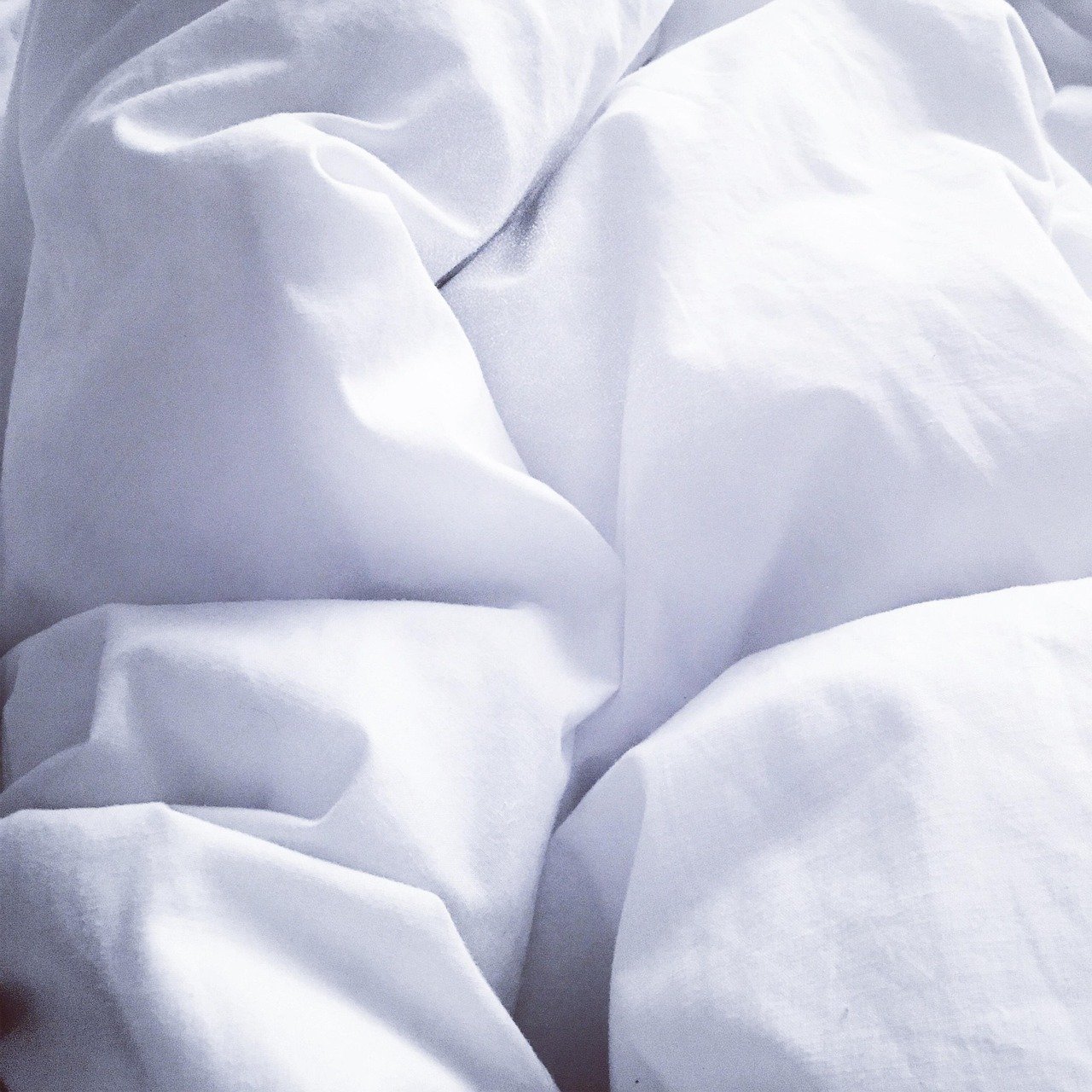
What if the most important thing about your bed sheets has nothing to do with the number printed on the package? Walk through any bedding aisle and you will see labels shouting “1,000 thread count,” “Egyptian cotton,” and “hotel quality.” Most of those words are marketing. A few of them genuinely predict how a sheet will feel on night one and how it will hold up after fifty washes.
This guide cuts through the noise. It explains what cotton sheeting actually is, how weave and fibre length change the feel, why thread count became a numbers game, and what to check before you spend money. There are also practical care tips, common mistakes that ruin good sheets, and answers to the questions shoppers ask most.
What cotton sheets actually are
Cotton sheets are woven from the seed hair of plants in the Gossypium genus. Two species dominate the market. Upland cotton (G. hirsutum) accounts for the vast majority of world output and shows up in most affordable bedding. Extra-long-staple cottons such as Egyptian and Pima come from G. barbadense, a different species prized for longer fibres.
That species difference matters more than most labels suggest. Long-staple fibres can be spun into finer, stronger, smoother yarns. Short-staple cotton tends to produce yarns that shed and pill sooner. A sheet made from long-staple fibre will usually feel smoother and last longer than a short-staple sheet at the same thread count.
One more thing worth knowing: cotton is a natural fibre, so no two batches behave identically. Growing conditions, harvest timing and ginning all affect the raw material before it ever reaches a loom.
Thread count: the number everyone quotes and few understand
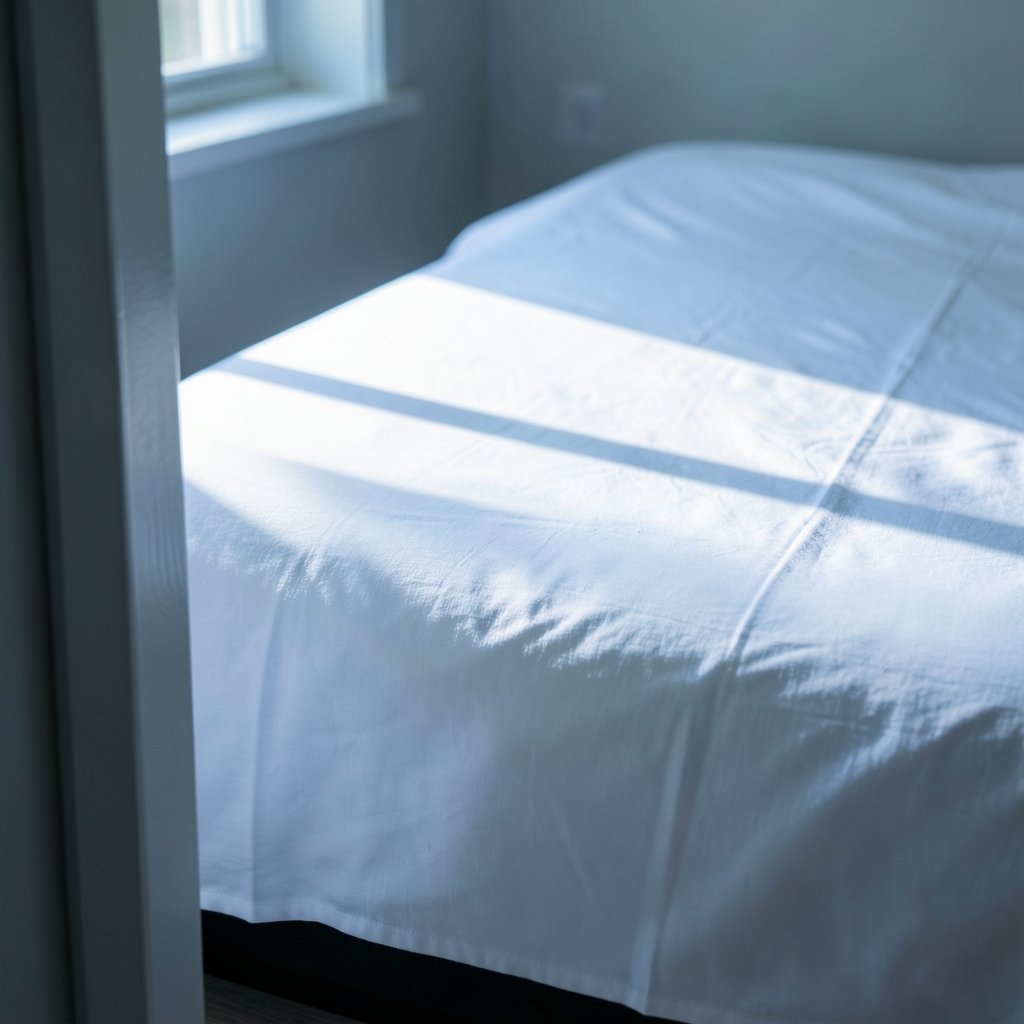
Thread count measures the number of threads per square inch of fabric, counting both the lengthwise (warp) and widthwise (weft) threads. The standard test method for this measurement is well established in textile testing, and it is a straightforward count.
The trouble starts with how manufacturers report it. Many fabrics use multi-ply yarns, where two or more strands are twisted together. Some brands count each ply separately, so a fabric woven from 500 two-ply threads gets advertised as “1,000 thread count.” The fabric has not become denser or better. The number has simply been inflated.
Industry guidance generally treats 200 to 400 as a sensible range for quality sheeting. Within that band, weave and fibre quality matter far more than the exact figure. Above roughly 400, the fabric often becomes so tightly packed that air struggles to pass through, which makes sheets feel heavy and sleep warm. There is no official standard that declares one number “good,” so treat any single threshold with suspicion.
Percale vs sateen: the weave changes everything
Two weaves dominate cotton bedding, and they produce very different sleeping experiences.
| Feature | Percale | Sateen |
|---|---|---|
| Weave structure | Plain weave, one thread over, one under | Satin-type weave with more surface floats |
| Surface feel | Crisp, matte, slightly cool | Smooth, glossy, silky |
| Breathability | High, good airflow | Moderate, denser surface |
| Drape | Structured, holds shape | Fluid, drapes closely |
| Best for | Hot sleepers, warm rooms | Cool sleepers, a polished look |
| Care | Wrinkles more, softens with washing | Wrinkles less, can snag |
Neither weave is objectively better. A hot sleeper who wakes up clammy will usually prefer percale. Someone who wants that cool-side-of-the-pillow, hotel-smooth feel tends to gravitate toward sateen. If you are building a bedding set around a specific look, matching the weave to the rest of the room helps, just as it does when you are choosing premium bed sheets for a guest room or a primary bedroom.
Fibre length, pilling, and why cheap sheets age badly
Pilling is the small fuzzy balls that form on fabric surfaces. It happens when short fibres work loose from the yarn and tangle together. Short-staple cotton pills more because more fibre ends sit near the surface, ready to escape.
Long-staple and extra-long-staple cottons reduce this problem because fewer fibre ends protrude. The yarn is smoother to begin with, and it stays smoother through repeated washing. This is the real reason Egyptian and Pima cotton cost more. It is not a mysterious luxury premium. It is a raw material that behaves differently.
A practical test: rub a swatch of the fabric briskly between your fingers for a few seconds. If loose fibres start to surface immediately, expect pilling within a few months. If the surface stays clean, the yarn is likely well spun.
Shrinkage, finishing, and what the label really tells you
Untreated cotton shrinks on its first wash. To manage this, many fabrics go through a mechanical pre-shrinking process commonly known by the sanforized trademark, which was developed in the early twentieth century and is still used widely today. Pre-shrunk sheets should still be washed before first use, but they will not surprise you by losing two inches of length.
Labels carry more information than most shoppers read. In the United States, textiles must state fibre content, country of origin and care instructions. In the European Union, a regulation on textile fibre names and labelling has governed how fibres are named and disclosed since 2012. These rules exist so you can compare products honestly. A label that says “100% cotton” is a legal claim, not a suggestion.
Care labelling deserves a second look. A sheet that demands cold wash and line drying will behave very differently from one that tolerates a hot machine cycle. If you know you will wash bedding weekly at high heat, buy accordingly.
Organic cotton: what the certification means
Organic cotton is grown without synthetic pesticides or genetically modified seed, under certification schemes that trace the fibre from field to finished product. The best-known standard is GOTS, the Global Organic Textile Standard, which covers both environmental and social criteria across the supply chain.
A few honest caveats. Cotton is a water-intensive crop in many regions, and water footprint figures vary enormously depending on region, irrigation method and whether the study counts rainfall or irrigation water. Be sceptical of any single headline number. Certification also adds cost, so an organic label on a very cheap sheet is worth questioning. (The row)
If organic matters to you, look for a certification reference on the packaging rather than the word “organic” alone. The word itself is not regulated the way a certified standard is.
Practical buying checklist
Before you commit, work through these steps in order. They take about five minutes and save a lot of regret.
- Check the fibre content and species. Look for long-staple or extra-long-staple cotton if you want durability. “100% cotton” alone tells you nothing about quality.
- Read the thread count honestly. Anything from 200 to 400 is fine. If the number is above 500, check whether the brand is counting plies.
- Identify the weave. Percale for breathability, sateen for smoothness. The label usually says which.
- Feel for surface fuzz. A quick rub test predicts pilling better than any marketing copy.
- Read the care label. Match it to how you actually do laundry, not how you wish you did.
- Check the return policy. Sheets are a tactile purchase. A brand confident in its product usually offers a trial period.
Common mistakes that ruin good cotton sheets
Even excellent sheets fail early because of avoidable errors. These are the ones that show up again and again.
Overloading the machine. Cramming sheets in with towels creates friction and abrasion. Wash bedding separately or with other light items.
Using too much detergent. Excess detergent leaves residue that stiffens fibres and traps odour. Use less than the bottle suggests, especially with soft water.
Fabric softener on everything. Softener coats cotton fibres with a waxy film. It feels nice once, then reduces absorbency and breathability over time. Skip it, or use it rarely.
High heat drying. Excessive dryer heat weakens fibres and accelerates shrinkage. Tumble on low and remove sheets while slightly damp.
Bleach as a habit. Chlorine bleach weakens cotton. Reserve it for genuine stains and use oxygen bleach for routine brightening.
Ignoring the pillowcase. Pillowcases take more facial oil and friction than any other part of the set. If your sheets last years but your pillowcases wear out, that is normal, and buying spares is smart.
How cotton sheets fit into a wider routine
Bedding does not exist in isolation. Hair type, skin, and laundry habits all interact with fabric choice. Someone with 4c hair may want a satin or sateen pillowcase to reduce friction overnight, while a hot sleeper in the same household might prefer crisp percale on the bed itself. There is no conflict there. Mixing weaves across a set is perfectly reasonable and often the most comfortable solution.
The same logic applies to colour and care. White sheets tolerate hotter washing and oxygen bleach. Dark or saturated colours fade faster and usually need cooler cycles. If you like a coordinated look, decide early whether you are optimising for longevity or for a specific palette, because the two pull in different directions.
What actually works in practice
After all the specifications, a few plain truths hold up. Buy the best fibre you can afford rather than the highest thread count. Choose the weave that matches your body temperature. Wash less often but more gently. Replace sheets when the surface feels thin or pilled, not when they look worn.
A mid-priced long-staple percale set, cared for properly, will usually outperform an expensive high-thread-count set that gets washed hot and dried on high. Quality is a partnership between the maker and the owner.
Conclusion
Cotton sheets reward a little knowledge. The fibre species determines how smooth and durable the yarn will be. The weave determines how the fabric feels and breathes. Thread count, once you strip away the ply-counting tricks, is a rough guide at best. Add honest care habits and a label you actually read, and you have everything needed to choose bedding that feels good on night one and still feels good two years later. The next time a package promises 1,200 thread count, you will know exactly what questions to ask.
Frequently Asked Questions
Is a higher thread count always better for cotton sheets?
No. Thread count above roughly 400 often means denser fabric that traps heat, and many high figures come from counting individual plies rather than woven threads. A well-made 300 thread count sheet from long-staple cotton usually beats a 1,000 thread count sheet made from short fibres.
What is the difference between percale and sateen sheets?
Percale uses a plain weave that feels crisp, matte and breathable. Sateen uses a satin-type weave with more surface floats, giving a smoother, glossier hand. Percale suits hot sleepers; sateen suits people who want a silky feel and less wrinkling.
Why do cheap cotton sheets pill so quickly?
Pilling happens when short fibres work loose from the yarn and tangle. Short-staple cotton has more fibre ends near the surface, so it pills sooner. Long-staple and extra-long-staple cottons produce smoother yarns with fewer loose ends.
Do cotton sheets shrink after washing?
Untreated cotton shrinks on the first wash. Pre-shrunk or sanforized fabrics shrink far less, though a small amount of movement is normal. Always wash new sheets before use and follow the care label temperature.
Are organic cotton sheets worth the extra cost?
They can be, if the certification is genuine and the fibre quality is good. Organic certification covers growing and processing standards, but it does not automatically guarantee a better weave or longer staple. Check both the certification and the fibre description.
How often should cotton sheets be washed?
Once a week is a reasonable default for most households, and more often in hot weather or if you sweat at night. Wash bedding separately from towels, use a gentle cycle, and dry on low heat to protect the fibres.









