


What happens when someone says they want to “cup your face”? It sounds like a strange beauty trend, and in some ways it is. But facial cupping is a real practice with roots in traditional medicine, a growing fan base in skincare, and a fair amount of skepticism from dermatologists. If you have seen the suction marks on a celebrity’s cheekbones or watched a video of tiny cups gliding across someone’s jawline, you probably have questions. Does it tighten skin? Does it leave bruises? Is it safe? This guide breaks down what facial cupping actually involves, what the evidence says, and how to decide whether it belongs in your routine.
What “Cups Your Face” Actually Means
The phrase almost always refers to facial cupping, a technique where small suction cups are placed on the face and moved gently along the skin. It is a cousin of body cupping, the therapy that leaves those round purple marks on athletes’ backs. The facial version is milder. The cups are smaller, the suction is lighter, and the goal is usually cosmetic rather than therapeutic.
Cupping itself is old. Traditional Chinese medicine, ancient Egyptian practice, and Middle Eastern healing traditions all describe suction cups used on the body for centuries. The face-specific version is newer as a mainstream trend, but the underlying idea is the same: lift the tissue, pull blood toward the surface, and let the body respond.
There is also a chance someone means something else entirely. “Cup your face” sometimes shows up in massage instructions, meaning to cradle the face in your hands. In skincare videos, it can describe using a suction tool at home. But in search results and salon menus, facial cupping is the dominant meaning, so that is what this article covers.
How Facial Cupping Works in Practice
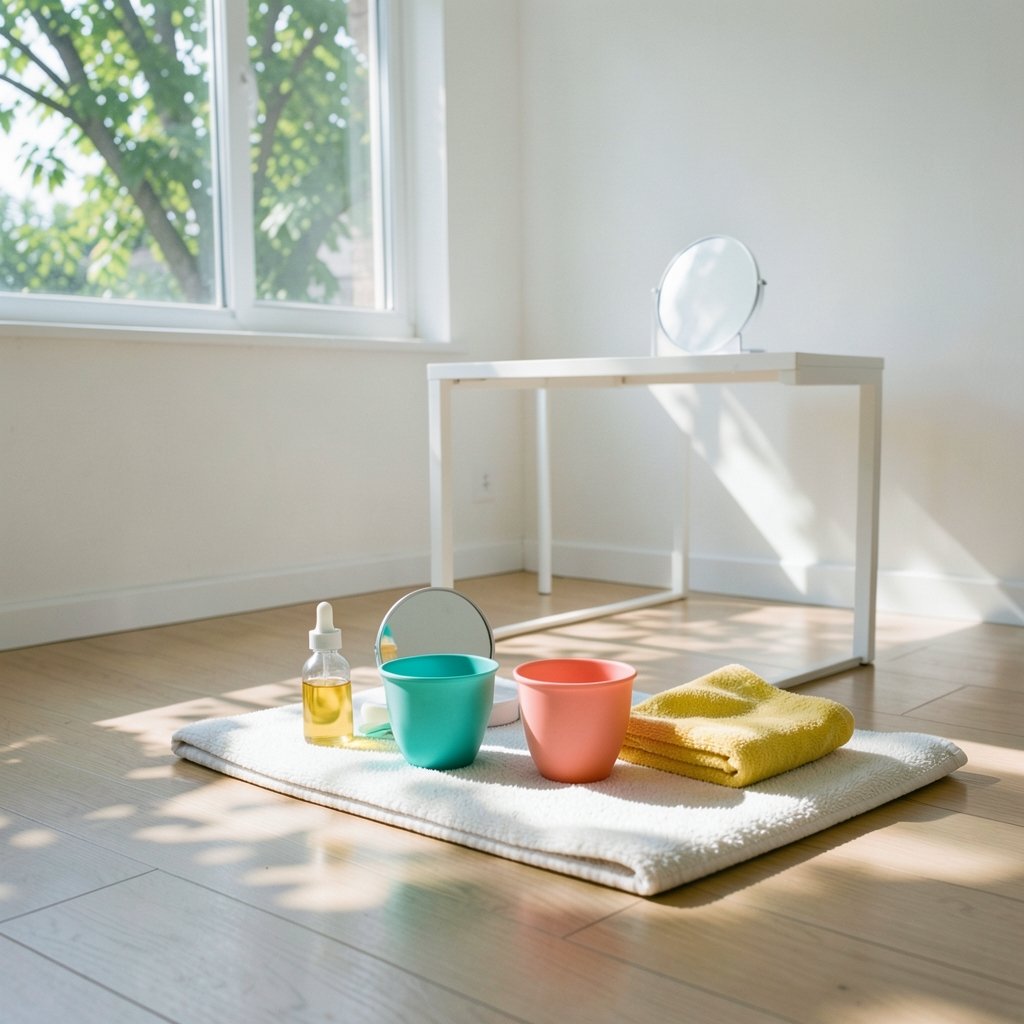
A session usually starts with clean skin and a light oil or serum, because the cups need slip to glide without dragging. The practitioner uses small cups, often made of glass or silicone, and creates suction either with a pump or by squeezing a silicone bulb. Then they move the cups in short strokes: up the cheekbones, along the jawline, across the forehead, and sometimes down the neck.
The suction is gentle. Good practitioners adjust it constantly and ask how it feels. The sensation is often described as a firm, tugging pull, not pain. A session typically runs 10 to 20 minutes.
Silicone cups are the most common choice for home use because they are soft and easy to control. Glass cups with a pump give more precise suction but demand more skill. For anyone shopping for tools, it helps to think about sizing the way you would size anything that has to fit a body part closely, similar to how a face shape frame guide helps you match eyewear to bone structure. Small cups for the under-eye area, medium for cheeks, larger for the jaw and neck.
Common mistakes show up again and again:
- Too much suction. Beginners pull the cup tight against the skin because it feels like it is working. It is not. Strong suction causes bruising and broken capillaries.
- No slip. Moving a dry cup drags the skin and can cause irritation. Use enough oil to let the cup glide.
- Staying in one spot. Facial cups are meant to move. Parking a cup on the cheek for a minute is a recipe for a round mark.
- Skipping the patch test. A small test on the jaw a day before a full session tells you how your skin reacts.
- Cupping over active breakouts, sunburn, or broken skin. This is a hard no. It spreads irritation and can worsen inflammation.
What actually works in practice is boring: light suction, short strokes, a clean face, and a practitioner who listens when you say it feels like too much.
What the Evidence Says, and What It Doesn’t
Here is where honesty matters. The research on facial cupping specifically is thin. Most cupping studies look at body cupping for pain conditions like back pain and neck pain, and reviews of that literature have repeatedly flagged poor study quality, small sample sizes, and high risk of bias. Even where results look positive, the effects are often short-lived and hard to separate from placebo.
For the face, the evidence is even weaker. Claims about collagen production, lymphatic drainage, and reduced puffiness are plausible in theory but not well proven in controlled trials. The mechanical pull of suction does increase blood flow to the skin surface, which can create a temporary glow. That part is not controversial. The leap from “more blood flow” to “long-term firming” is where marketing outruns data.
What dermatologists tend to agree on:
| Claim | What is well supported | What is not |
|---|---|---|
| Temporary glow | Increased surface blood flow is real | Lasting effect beyond hours or a day |
| Reduced puffiness | Manual massage can move fluid short-term | Permanent lymphatic “detox” |
| Collagen boost | Nothing solid for facial cupping | Firming or wrinkle reduction |
| Bruise-free | Possible with light suction | Guaranteed, especially with strong pulls |
A balanced view: facial cupping is a massage technique with a decent safety profile when done gently. It is not a treatment for acne, scarring, or aging, and no one should expect it to replace proven options like sunscreen, retinoids, or in-office procedures.
Who Should Try It and Who Should Skip It
Facial cupping suits people who enjoy massage, want a relaxing treatment, and are realistic about results. It can feel genuinely pleasant, and the short-term glow before an event is a real, if temporary, benefit.
Skip it, or get a doctor’s sign-off first, if you:
- Have rosacea, active eczema, or very sensitive skin
- Bruise easily or take blood thinners
- Have a bleeding disorder
- Are prone to broken capillaries
- Have active acne, cold sores, or any open skin
- Have had recent facial surgery or fillers (ask your injector first)
Pregnancy is not an automatic no for facial cupping, but it is worth a conversation with a clinician, since some practitioners avoid certain points and pressure levels.
Building a Sensible Routine
For most people, once a week is plenty. Some practitioners suggest two to three times a week for a short stretch, then maintenance. More is not better. Overworking the skin with suction leads to lingering marks and irritation.
A simple home routine:
- Cleanse and pat dry.
- Apply a facial oil or a slippery serum. Do not skip this.
- Start with the neck, stroking upward with light suction.
- Move to the jawline, then cheeks, then forehead, always in upward or outward strokes.
- Keep each stroke to a few seconds and the whole session under 10 minutes.
- Clean the cups with soap and warm water, and dry them fully.
If you want precision tools for measuring small amounts of oil or serum, a 1 oz cups measure explained breakdown is oddly useful, since most facial oils are sold in bottles around that size and a little goes a long way.
Before committing to a device or a series of sessions, it helps to judge the gear and your own skin the way you would judge running shoes before a race: check the surface, check the fit, and check whether your body actually tolerates it. A can you run it judge shoes surfaces gear guide makes the same point about testing before you commit, and it applies here too. Try one gentle session, watch your skin for 48 hours, then decide.
Facial Cupping vs. Other Skin Treatments
It is worth placing facial cupping next to the alternatives, because the comparison clarifies what it is and is not.
| Treatment | Mechanism | Evidence strength | Downtime |
|---|---|---|---|
| Facial cupping | Suction and massage | Weak for long-term results | Minimal, possible marks |
| Gua sha | Scraping pressure | Weak to moderate | Minimal |
| Facial massage | Manual pressure | Moderate for relaxation and short-term puffiness | None |
| Retinoids | Cell turnover | Strong | Peeling at first |
| Sunscreen | UV protection | Very strong | None |
| Microneedling | Controlled injury | Moderate | 1 to 3 days |
The pattern is clear. Cupping sits in the relaxation and short-term glow category. The boring basics, sun protection and proven actives, do the heavy lifting for skin health over years.
The Collector’s Mindset, Applied to Skincare
There is a useful analogy in how collectors think about tools. A watch enthusiast does not buy a complicated chronograph expecting it to tell time better than a simple three-hander. They buy it for craft, feel, and the pleasure of using it. A Reverso tribute chronograph collector’s guide makes exactly that point about two-faced icons and why people value them beyond pure function. Facial cups fit the same frame. They are a tactile, pleasant ritual, not a precision instrument for reversing aging.
The same logic applies to surfaces and setup. A mahjong mats guide on choosing a surface that plays quietly and grips is about matching a tool to the job and the environment. Facial cups are no different. Silicone cups suit beginners and sensitive skin. Glass with a pump suits trained hands. Match the tool to the user, not to the trend.
Common Myths Worth Retiring
Myth: Darker marks mean more toxins released. The marks are blood drawn to the surface. They are not a detox scoreboard.
Myth: Cupping replaces Botox or fillers. It does not. It cannot relax muscles or add volume.
Myth: More suction equals better results. The opposite is closer to true. Light, moving suction is safer and more comfortable.
Myth: Anyone can do it after one video. Technique matters. A trained practitioner reduces the risk of bruising and capillary damage, especially around the eyes.
Myth: It works for everyone. Skin type, medications, and conditions change the risk profile. A patch test and a quick check with a dermatologist cover most of the uncertainty.
Conclusion
Facial cupping is a gentle, old idea repackaged as a modern skincare ritual. It can feel lovely, it can produce a short-lived glow, and it is generally safe when the suction stays light and the skin stays healthy. What it cannot do is replace sunscreen, proven actives, or professional treatments, and the evidence for its long-term firming claims is thin. Go in with clear expectations, start gently, patch test first, and treat it as a massage with benefits rather than a miracle. If your skin is sensitive, reactive, or currently inflamed, skip it and ask a dermatologist what actually fits your face.
Frequently Asked Questions
What does it mean when someone says cups your face?
It almost always refers to facial cupping, a technique where small suction cups are placed on the face and moved gently across the skin. The cups create light suction that pulls blood toward the surface. It is a cosmetic and relaxation practice, not a medical treatment.
Does facial cupping actually work?
It can produce a temporary glow and a short-lived reduction in puffiness, largely from increased blood flow and massage. Claims about long-term collagen boosting, firming, or wrinkle reduction are not well supported by research. Think of it as a pleasant massage rather than a proven anti-aging treatment.
How often should you do facial cupping?
Once a week is a reasonable routine for most people. Some practitioners suggest two to three sessions a week for a short period, then less often. More frequent sessions raise the risk of lingering marks and irritation, so it is better to err on the gentle side.
Can facial cupping leave bruises?
Yes, especially with strong suction or if a cup stays in one spot. Light, moving suction with plenty of oil greatly reduces the chance. People who bruise easily, take blood thinners, or have sensitive skin should be extra cautious or avoid it.
Is facial cupping safe for sensitive skin or rosacea?
It is risky for both. Rosacea and sensitive skin react badly to suction and friction, and cupping can trigger flushing or broken capillaries. Anyone with active acne, eczema, cold sores, or recent facial procedures should skip it until a doctor says otherwise.
Can you do facial cupping at home?
Yes, with silicone cups and a light hand. Cleanse, apply facial oil, keep the suction gentle, and move the cups in short upward strokes for under 10 minutes. Avoid the eye area, never cup over broken skin, and patch test on the jaw a day before a full session.









