


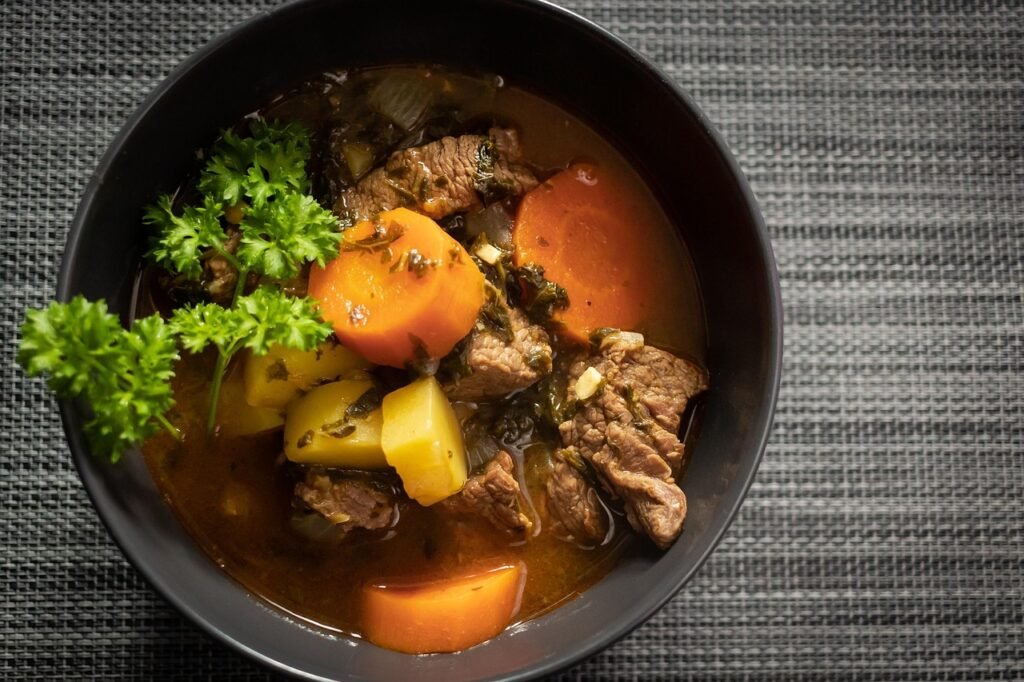
What if the most forgiving dish in European cooking came from a country famous for beer, chocolate, and waffles? Belgian food has a reputation for richness, but the everyday version is surprisingly simple. Most classic dishes rely on one pot, cheap cuts of meat, and a bottle of ale. That makes them ideal for home cooks who want deep flavor without restaurant-level fuss.
This guide covers seven approachable dishes, the techniques that actually matter, and the mistakes that trip people up. It also flags which “facts” about Belgian food are shaky, so you can cook with confidence and skip the folklore.
Why Belgian Food Is Easier Than It Looks
Belgian cooking sits between French technique and northern European comfort food. A well-known quip describes it as “French quality in German quantities,” often attributed to the gastronome Curnonsky, though the exact wording and attribution are uncertain. Treat it as a joke, not a rule.
What matters for home cooks is the structure. Most Belgian classics are braises, stews, or one-pot simmers. They tolerate cheap cuts, long timing windows, and reheating. Few require precise temperatures or last-minute plating.
Three building blocks do most of the work:
- Belgian beer: used as a braising liquid and served as a drink. Dark abbey and Trappist ales bring bitterness, sugar, and body in one ingredient.
- Slow onions: cooked down until sweet, they thicken stews without flour.
- Root vegetables and endive: cheap, sturdy, and central to the cuisine.
Get those right and the recipes mostly run themselves.
Start With the One-Pot Classics

Carbonnade Flamande: The Best First Belgian Dish
If you cook one thing from this list, make it carbonnade flamande, the Flemish beef and beer stew. It is the most forgiving recipe in the cuisine.
The method is simple. Brown chunks of beef chuck in batches, soften a large pile of sliced onions, add a dark Belgian ale, a spoon of brown sugar, a little mustard, and thyme. Then simmer low for two to three hours.
Why it works for beginners:
- Cheap cuts improve with time. Chuck or shin goes tender rather than dry.
- The beer does the seasoning. A dark ale adds bitterness and depth that stock alone cannot.
- It reheats better the next day. Many cooks say day two beats day one.
Common mistake: using a light lager. It adds little and can turn watery. Choose a dark abbey ale or a stout-adjacent Belgian style. Another trap is skipping the browning step. Those browned bits are most of the flavor.
A slow cooker works here too. Brown the meat and onions first, then transfer everything and cook on low for six to eight hours.
Waterzooi: A Gentle Flemish Stew
Waterzooi is a creamy Flemish stew, traditionally made with fish (gentse waterzooi) or chicken. It is a one-pot simmer with vegetables, cream, and a little thickening.
The chicken version is the easier entry point. Poach chicken pieces in stock with leeks, carrots, and celery, then finish the broth with cream and egg yolk or a light roux. The result is delicate rather than heavy, which surprises people expecting a thick stew.
Two practical notes. First, keep the heat low after adding cream so it does not split. Second, do not overcook the vegetables; they should still have bite. Serve with bread or boiled potatoes.
Moules-Frites: A Weeknight Meal in Disguise
Moules-frites (mussels with fries) is often called a national dish. The fries are widely claimed to have originated in Belgium, though the claim is disputed with France and no firm date settles it.
Here is the thing most home cooks miss: mussels are fast. A pot of mussels steams open in five to eight minutes with white wine, shallots, and parsley. The fries are the slow part.
| Style | Effort | Result |
|---|---|---|
| Oven fries | Low | Even, hands-off, less crisp |
| Double-fried | Medium | Crisp outside, fluffy inside |
| Air fryer | Low | Good compromise, slightly drier |
If you want the classic texture, fry once at a lower temperature to cook through, rest, then fry hot to crisp. If that sounds like too much work on a Tuesday, oven fries are fine. The mussels carry the meal.
Buy mussels with closed shells and discard any that stay open before cooking. Discard any that stay shut after cooking.
The Dishes That Teach Technique
Belgian Endive, Braised and Wrapped
Belgian endive (witloof) was developed in the Brussels region around 1830, according to common accounts, though the exact date and discoverer are uncertain. The pale, bitter leaf is central to Belgian home cooking.
The classic preparation is chicons au gratin: endive heads braised until tender, wrapped in ham, covered in a cheese sauce, and baked until bubbling. It sounds old-fashioned and tastes excellent.
The key step is managing bitterness. Braise the endive in butter and a splash of water for about 20 minutes, turning once. Some cooks add a pinch of sugar. Do not skip this step and go straight to baking, or the dish turns sharp.
Endive is one of the two hardest ingredients to source outside Belgium. It is widely available online and in larger supermarkets, but check before you plan the meal.
Vol-au-Vent: The Belgian Comfort Classic
In Belgium, vol-au-vent is typically served with fries or mashed potato and a creamy filling of chicken and small meatballs. It is a home dish, not a restaurant showpiece.
The shortcut version uses ready-made puff pastry cases, which is what most busy cooks do. The filling is a velvety cream sauce with mushrooms, chicken, and tiny meatballs. A squeeze of lemon at the end keeps it from tasting flat.
Watch the sauce consistency. It should coat a spoon but still flow. If it tightens too much, loosen with stock rather than more cream.
Baking: Waffles and Biscuits Done Right
Liège vs Brussels Waffles
Belgian waffles split into two main styles, and the difference matters for home bakers.
| Feature | Brussels waffle | Liège waffle |
|---|---|---|
| Texture | Light, airy | Dense, chewy |
| Shape | Rectangular | Rounded, irregular |
| Leavening | Yeast batter | Yeast dough with pearl sugar |
| Rise time | Needs to rest and rise | Shorter, more forgiving |
| Best for beginners | Moderate | Easier |
The Liège style is easier for most home cooks because it needs no long yeast rise and the pearl sugar creates built-in caramel pockets. Pearl sugar is the one ingredient you must source properly; crushed sugar cubes are a poor substitute because they melt too fast.
A common mistake is overfilling the waffle iron. Liège dough expands, and too much dough spills and burns. Use a modest scoop and let the iron do the rest.
Speculoos: Spice Is the Whole Point
Speculoos are spiced shortcrust biscuits traditionally baked for St Nicholas (Sinterklaas, 6 December). They are simple to make: butter, brown sugar, flour, and a spice mix.
The spice blend is the recipe. Cinnamon, cloves, nutmeg, ginger, and a pinch of white pepper. Skip the pepper and the biscuits taste flat and sweet. The dough also benefits from chilling, which stops the biscuits spreading and keeps the stamped shapes sharp.
Make them thin. Thick speculoos turn soft rather than crisp.
What Actually Works in Practice
Some habits separate a good result from a frustrating one.
Cook braises a day ahead. Carbonnade and similar stews improve overnight. The flavors settle and the meat relaxes. This also removes timing pressure on the day you serve.
Taste before adding salt. Belgian beer is bitter and can read as salty. Season at the end.
Keep the heat low with cream. Waterzooi and vol-au-vent sauces split when boiled hard.
Buy the right beer once. A single dark abbey ale covers carbonnade, and the same bottle works in onion soup. You do not need a fridge full of styles.
Plan around hard-to-find ingredients. Pearl sugar and Belgian endive are the two items most likely to be missing locally. Both are widely available online, so order early rather than substituting at the last minute.
If you are building out a kitchen for this kind of cooking, a heavy Dutch oven matters more than any gadget. For readers thinking about bigger home projects around entertaining, there are useful ideas on home expansion and on planning a home renovation budget before committing to a kitchen overhaul.
Beer as an Ingredient, Not a Gimmick
Belgian beer is a cooking ingredient as much as a drink. Belgian brewing traditions and European labeling rules differ from the German Reinheitsgebot, so “Belgian beer” covers a very broad category. Check current labeling rules before making specific claims about purity or protected names.
For cooking, the practical rule is simple: match the beer to the dish’s weight.
- Dark abbey ale: beef stews, onion soup, gravies.
- Witbier: mussels, light chicken dishes.
- Sour or fruit beer: use sparingly; it can dominate.
Avoid very hoppy IPAs in long braises. Bitterness concentrates as liquid reduces.
Setting the Table
Belgian home cooking is unfussy, but the meal is often treated as an occasion. A few small touches help: warm bread, a dish of good mustard, and a simple table.
If you enjoy building atmosphere around food, ideas for luxury home scents can set a mood without much effort, and small affordable home decor changes can make a dining room feel intentional. For anyone who likes to pair cooking with a proper setup, a luxury home gym guide is a reminder that home projects often run in parallel with kitchen upgrades. And if you are designing a room for film nights after dinner, luxury home cinema design covers the practical side.
A Simple Menu to Start
For a first attempt at Belgian cooking, keep the scope tight.
- Starter: endive leaves with a mustard vinaigrette.
- Main: carbonnade flamande with boiled potatoes.
- Dessert: Liège waffles made ahead and warmed.
That menu uses one oven, one pot, and no advanced technique. It also reheats well if guests arrive late.
Conclusion
Easy Belgian recipes at home come down to a handful of reliable techniques: brown your meat, cook your onions slowly, choose a dark ale, and let time do the work. Carbonnade and waterzooi are the most forgiving starting points. Moules-frites delivers the fastest weeknight win. Waffles and speculoos reward a little precision but need no special skill.
The cuisine’s reputation for richness is real, but it is built on cheap ingredients and long simmers, not complexity. Start with one braise this week. Order the pearl sugar and endive before you plan the baking day. The rest is patience.
FAQ
What is the easiest Belgian dish for a beginner?
Carbonnade flamande is the easiest starting point. It is a one-pot beef and beer stew with cheap cuts, simple steps, and a wide timing window. It also tastes better reheated, so there is little pressure to get the timing perfect on the first try.
Do I need special equipment to make Belgian waffles?
No. A standard waffle iron works for both Brussels and Liège styles. The one ingredient worth sourcing properly is pearl sugar for Liège waffles, since crushed sugar cubes melt too quickly and lose the caramel pockets that define the style.
What kind of beer should I use in Belgian cooking?
Choose a dark abbey ale for beef stews and onion soups. It adds bitterness, sugar, and body in one ingredient. Avoid very hoppy styles in long braises, because bitterness concentrates as the liquid reduces. Light lagers add little flavor.
Are Belgian waffles actually Belgian?
The term is complicated. Belgium has two distinct waffle traditions, Brussels and Liège, with different textures and methods. Outside Belgium, “Belgian waffle” is often a marketing label rather than a specific style, so the name is not a reliable guide to what you will get.
Can I make these recipes ahead of time?
Most of them, yes. Braises like carbonnade and stews like waterzooi improve overnight and reheat well. Waffle dough can be mixed ahead and chilled. Speculoos biscuits keep for days in a sealed tin. Mussels are the exception and should be cooked fresh.
Why does my endive taste too bitter?
Bitterness usually comes from skipping the braising step. Cook the endive in butter with a splash of water for about 20 minutes before wrapping and baking. A pinch of sugar helps. Going straight to the oven without braising leaves the leaves sharp and raw-tasting.









