


Can a plate of food, a glass of something cold, and a tub of warm water really belong together? Search the question and you will find two very different camps: people who swear a bath-side snack is the most relaxing thing they do all week, and people who cannot imagine anything less appealing than crumbs in the water. Both reactions are honest. The truth is that eating in the bath sits at the crossroads of comfort culture, old bathing traditions, and some genuinely sensible safety advice that most viral posts skip over entirely.
This guide looks at where the habit comes from, why it appeals to so many people right now, what food actually works (and what absolutely does not), and the practical rules that separate a lovely ten minutes from a nasty slip or a ruined evening. No moralizing, no pretending it is a wellness trend with scientific backing. Just a clear-eyed look at a small, slightly odd pleasure that a lot of people quietly enjoy.
Where the Idea of Eating in the Bath Comes From
Bathing and eating have been companions for a very long time. Roman bath complexes were social clubs as much as washing facilities, with food vendors and dining areas operating alongside the pools. A visit to the baths was an outing, not a quick scrub, and refreshments were part of the package. In Japan, the idea of eating while bathing shows up in discussions of onsen and sento etiquette, and some traditional inns serve meals on trays beside private baths. Finnish sauna culture also pairs heat sessions with food and drink, though a sauna is not a bath and the two should not be blurred together.
What is new is not the concept but the format. The modern version is smaller and more private: a tray balanced across the tub, a single drink on the rim, a snack eaten while the water is still hot. Social media turned that into a mood, and mood became a habit. There is no reliable data on how many people actually do it, so treat any confident statistic you see as guesswork. The practice is real and widespread enough to have its own etiquette debates, but prevalence is unknown.
It also fits neatly into a broader shift toward small, sensory home rituals. The same instinct that made bubble bath nails a popular look, with its soft milky pink finish, drives the desire to make a bath feel like an event rather than a chore. If you enjoy that aesthetic, the bubble bath nail ideas tag is a good place to see how the trend translates into actual manicures. The point is the same in both cases: people are decorating their downtime.
Why a Bath-Side Snack Appeals to So Many People
Strip away the trend language and the appeal comes down to a few practical things.
First, warmth and comfort reinforce each other. A hot bath relaxes the body, and eating is one of the most basic comfort behaviors there is. Combining them is a shortcut to feeling taken care of.
Second, it is a genuine pause. Most people eat lunch at a desk or standing in a kitchen. Eating in the bath removes every screen and every task from arm’s reach. That enforced slowness is the actual product being sold by the whole ritual.
Third, it is cheap. A bath, a plate, and a drink cost almost nothing. Compare that to the cost of building a dedicated relaxation room, and the appeal becomes obvious. Even people investing in serious home upgrades tend to keep their indulgence rituals simple. Someone comparing luxury home cinema seating options is spending real money on comfort, yet the same person will happily eat dinner in a tub because it costs nothing and works immediately.
Fourth, it is a little bit transgressive. Doing something mildly against the rules of normal domestic life is fun. That is a real part of the draw, and pretending otherwise is silly.
What Actually Works to Eat in the Bath
The single biggest mistake people make is choosing food the way they would for a sofa. A bath is a wet, steamy, sloped, unstable environment with limited surfaces. Food has to survive all of that.
Here is a practical comparison of categories, based on how they behave in a real bathroom rather than how they look in a photo.
| Food type | Works in the bath? | Why |
|---|---|---|
| Cold finger sandwiches, cut small | Yes | Dry, stable, no drips, easy to hold with one hand |
| Fruit already peeled and sliced | Yes | No waste to manage, no juice spraying if cut in advance |
| Sushi or onigiri | Usually | Neat, compact, but rice drops are a real hazard |
| Chocolate or small cookies | Yes | No liquid, no crumbs that stick to wet skin |
| Crisps and flaky pastries | No | Crumbs everywhere, and they cling to wet surfaces |
| Soup, noodles, anything in broth | No | Splash risk, spill risk, and steam makes it slippery |
| Ice cream in a cone | No | Melts fast in the heat, drips onto the rim |
| Hot tea in an open cup | Risky | Steam plus a wet hand plus a curved rim equals trouble |
The pattern is simple: dry, compact, pre-portioned, and eaten with one hand. Anything that requires a knife, a bowl, or two hands at once is a bad fit. Anything that produces fine debris is worse than it sounds, because crumbs on a wet bath edge turn into a paste that is genuinely annoying to clean.
The second most common mistake is plating. People carry in a full dinner plate, set it on the tub rim, and discover within a minute that the rim is curved and the plate is not. Use a flat tray that spans the tub, or a small board that sits flat on a wide ledge. If your bath has no ledge at all, eating in it is probably not worth the balancing act.
Third, drinks. A stemmed glass on a wet ledge is a classic way to end the evening early. A lidded cup or a bottle with a cap is far more forgiving. If you want the ritual feel, choose the vessel for stability first and looks second.
The Safety Rules Worth Taking Seriously
This is the part that lifestyle posts tend to leave out, and it is the part that matters most.
Water and electricity do not mix. Bathrooms are treated as special locations in electrical installation standards, which is why sockets and appliances are tightly restricted near baths and showers. The exact rules depend on where you live, so check your local regulations rather than a forum thread. In practice, this means no phone on the tub rim, no charging cable within reach, and no plugged-in appliance anywhere near the water. If you want music, use a battery-powered speaker placed well away from the tub, or nothing at all.
Slips are the most likely injury. Wet hands, a wet floor, and a distraction are a bad combination. Getting out of a bath is the riskiest moment, and holding a plate makes it worse. Put the tray down on the floor or a stable surface before you stand up. Every time.
Hygiene deserves a moment of thought. Eating with wet hands means food picks up whatever is on them. Wash and dry your hands before you start, keep food out of splash range, and do not leave anything edible in the bathroom afterward. Food waste in a warm, damp room is exactly what you do not want.
Heat affects how you feel. A long hot bath can leave people lightheaded, and adding alcohol makes that more likely. If you are going to eat and drink in the tub, keep the water cooler than you would for a solo soak, keep the session short, and get out at the first sign of dizziness.
Check the rules if you are not at home. Many hotels and rental properties prohibit food in bathrooms, and some are strict about it. Ask rather than assume. A cleaning fee is a bad souvenir.
The Bathroom Itself Shapes the Experience
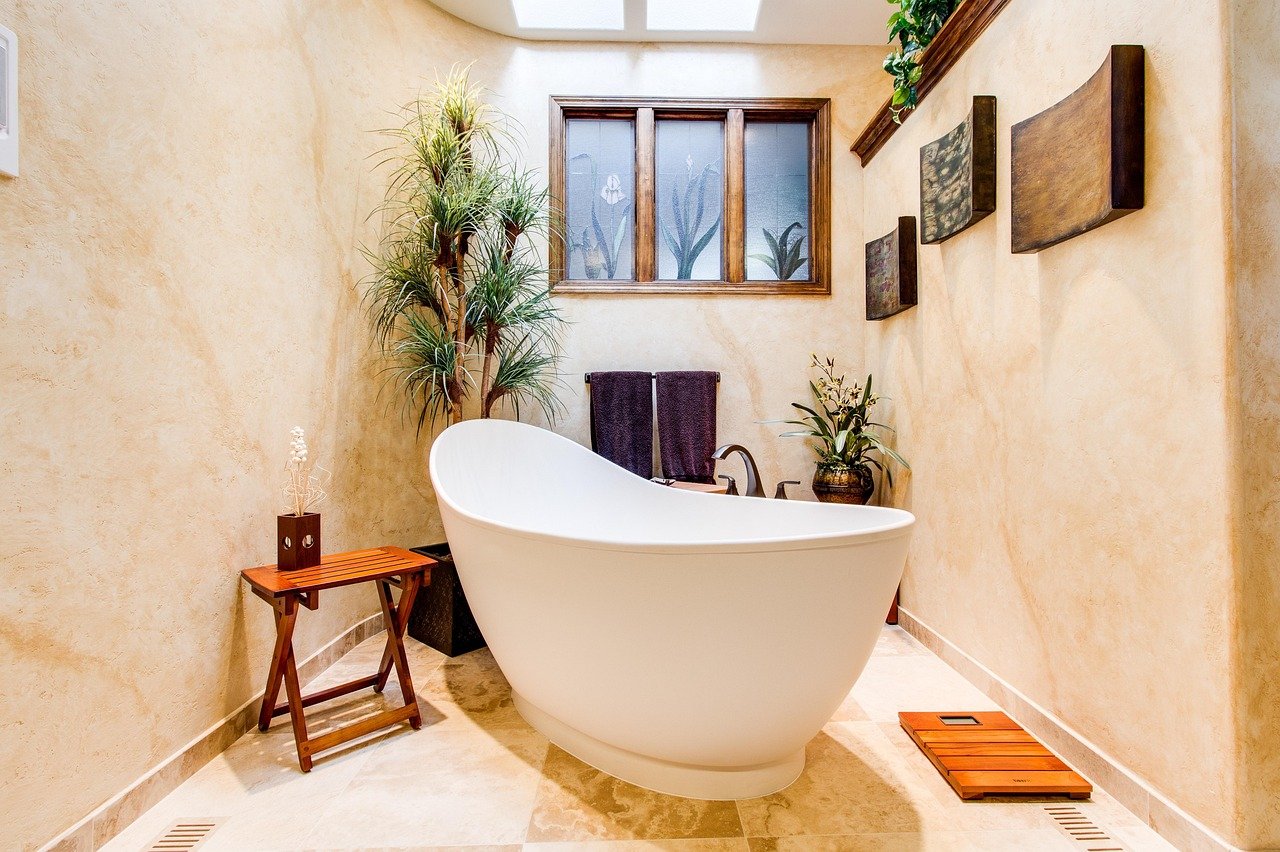
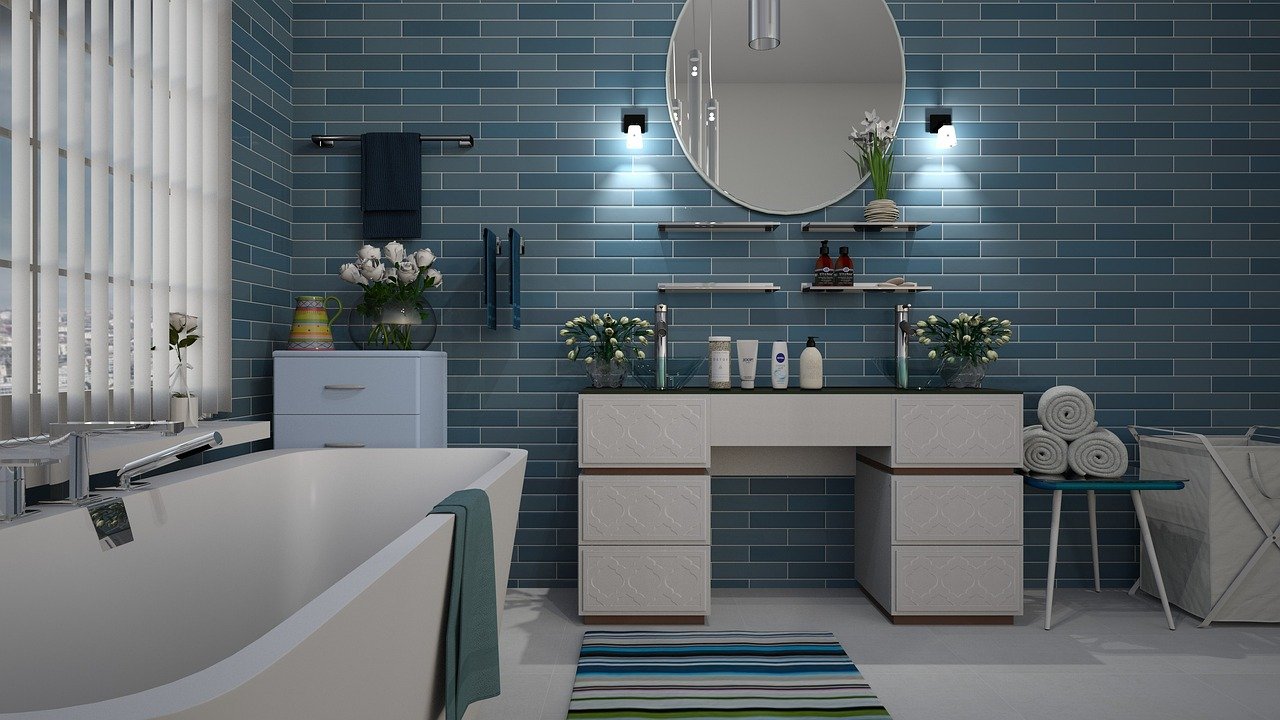
A bath-side meal works far better in a bathroom designed for lingering than in a cramped one built for speed. Practical features that make a real difference include a wide, flat ledge; a tray that spans the tub; good ventilation so steam does not turn the room into a sauna; and a non-slip mat that is actually in place before you get in.
This is one reason the ritual has grown alongside interest in luxury bathroom remodeling. Homeowners who redo a bathroom with a larger tub, a proper ledge, and better lighting are, whether they admit it or not, building a room they want to spend time in. A deep soaking tub with a flat surround is a far better host for a snack tray than a shallow tub wedged into a corner.
If you are planning a renovation and wondering where the returns are, think about which rooms you actually use daily. A comfortable bathroom earns its keep in small moments, the same way a well-planned media room does. Anyone weighing home cinema seating against other comfort upgrades is making the same calculation: how often will this be used, and how much does that matter? A bathtub with a usable ledge gets used every single day.
How to Do It Without Regret: A Simple Sequence
If you want to try eating in the bath and skip the usual mistakes, this order of operations works.
- Choose dry, compact food and portion it before you go in. Do not bring the whole packet.
- Set everything on a flat tray or a stable ledge, not on the curved rim.
- Put a non-slip mat down and a towel within reach before the water goes on.
- Keep the water a little cooler than usual and the session shorter than a normal soak.
- Wash and dry your hands before you eat.
- Keep phones, cables, and anything plugged in well away from the tub.
- Finish eating before you stand up. Move the tray to the floor first.
- Clear everything out of the bathroom afterward, including crumbs and wrappers.
That is the whole method. It is not complicated, but almost every bad experience with eating in the bath traces back to skipping one of these steps.
Is There Any Health Benefit?
No. There is no established health benefit to eating in the bath, and anyone claiming otherwise is selling something. A warm bath may help you relax, and a meal may be enjoyable, but combining them does not create a therapeutic effect. It is a comfort ritual, and comfort rituals are legitimate without being medicine.
The honest framing is that this is a small pleasure with a few manageable risks. Treated that way, it is harmless and often lovely. Treated as a wellness practice with rules and benefits, it becomes something it is not.
A Note on the Aesthetic Side of the Ritual
Part of what makes the whole thing feel like an occasion is the styling around it, and that styling has a clear visual language right now: soft neutrals, milky tones, warm light, and a deliberate lack of clutter. It is the same palette that made bubble bath nails so popular, and the connection is not a coincidence. The look and the ritual are selling the same feeling.
If you want the full picture of that trend, including how the shade is chosen and applied, Bubble Bath Nails: The Milky Pink Look and How to Get It covers the details. It is a useful reminder that most of what makes a bath feel luxurious is staging, not spending. A clean tub, a folded towel, a small tray, and warm light will do more than any product.
Conclusion
Eating in the bath is not a trend that needs defending or debunking. It is an old idea in a modern package: the Roman habit of combining bathing with refreshment, shrunk down to a single tray in a single tub. It appeals because it is warm, slow, cheap, and just slightly against the rules. It works when the food is dry and compact, the tray is flat, the floor is not slippery, and nothing electrical is anywhere near the water. It fails when people treat a curved tub rim as a table and a phone as a bath accessory.
The sensible approach is to enjoy it as what it is: a small comfort ritual with a short list of practical rules. Pick food that survives steam. Keep the session short. Move the tray before you stand. Clear up afterward. Do those four things and the worst outcome is a slightly odd look from whoever finds the plate in the sink. Skip them, and the bath stops being relaxing very quickly.
Frequently Asked Questions
What is the best food to eat in the bath?
Dry, compact, pre-portioned food works best: small sandwiches, sliced fruit, cookies, chocolate, or onigiri. The key traits are that it can be eaten with one hand, produces little debris, and does not drip. Soup, noodles, ice cream cones, and anything flaky are poor choices because they spill, splash, or leave crumbs that stick to wet surfaces.
Is eating in the bath dangerous?
The main risks are slips and electrical hazards, not the food itself. Wet floors and wet hands make falling more likely, especially when carrying a plate while getting out. Bathrooms are treated as special locations in electrical standards for good reason, so phones, chargers, and plugged-in appliances should stay well away from the tub. Hot water plus alcohol can also cause lightheadedness.
Do hotels allow food in the bathroom?
Policies vary widely, and many hotels and rental properties prohibit food in bathrooms. Some charge cleaning fees if food waste is found. The safe approach is to ask before you do it rather than assume it is fine. If you are unsure, eat outside the bathroom and keep the tub for soaking.
Is there any health benefit to eating in the bath?
No established health benefit exists. A warm bath can help you relax and a meal can be enjoyable, but combining them does not produce a therapeutic effect. It is a comfort ritual rather than a wellness practice, and it is perfectly reasonable to enjoy it on those terms without dressing it up as something medical.
Why do people eat in the bath?
The appeal is comfort, privacy, and a genuine pause. Most meals happen at a desk or in a hurry, while a bath removes every screen and task from reach. It is also cheap, slightly transgressive, and visually appealing, which is why it spread quickly through social media as a mood rather than a recommendation.
What should I set up before getting in?
Put a flat tray or stable board in place, lay a non-slip mat, keep a towel within reach, portion the food in advance, and make sure no phone or cable is near the water. Keep the water slightly cooler than usual and plan to finish eating before you stand up. Move the tray to the floor first, then get out.









