

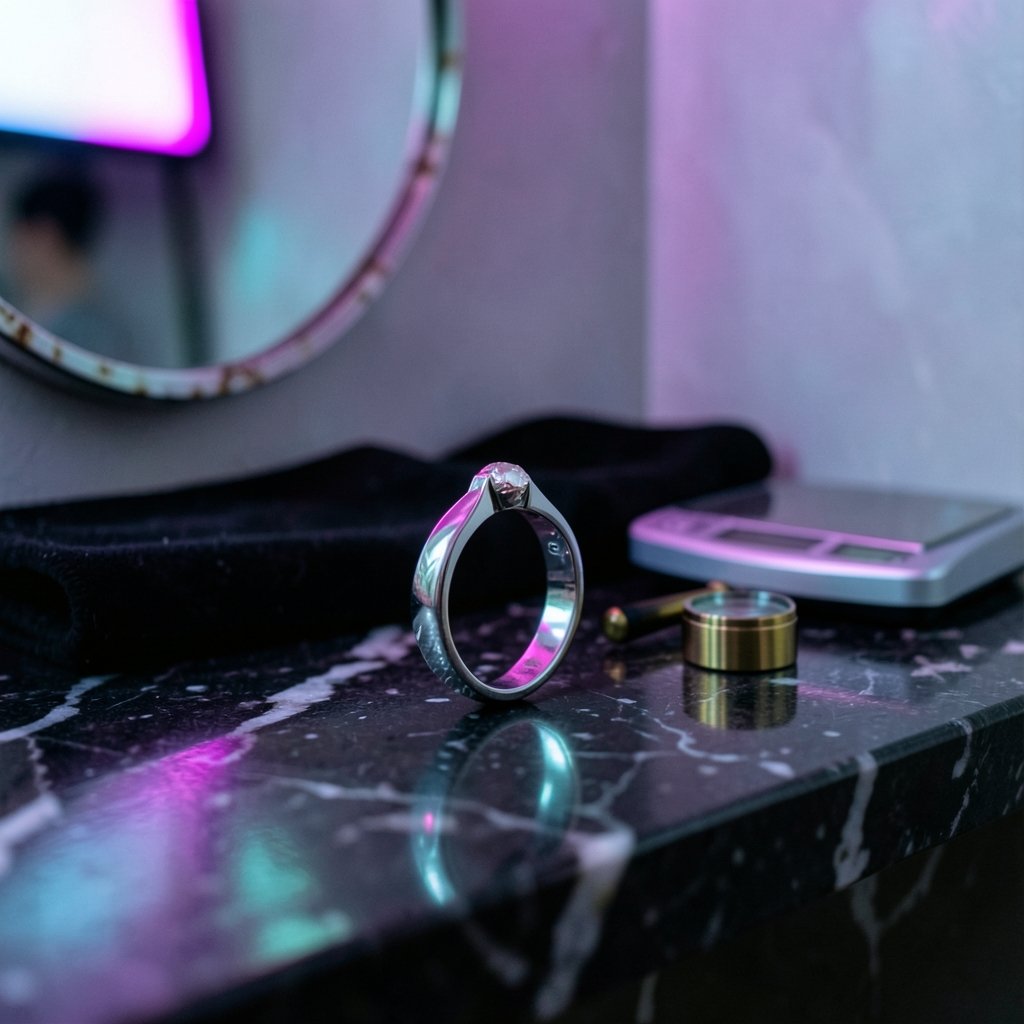
What makes a plain-looking metal band cost more than a small used car, and why do so many people still choose it? Platinum engagement bands sit at the center of that question. They are dense, naturally white, and marketed as the forever metal. They are also expensive, easy to misread at the counter, and surrounded by terminology that varies from one store to the next. This guide walks through what platinum bands actually are, how the metal behaves, how to read a stamp, and where buyers most often trip up.
What “Engagement Platinum Bands” Actually Means
The phrase gets used two ways, and mixing them up causes real confusion.
The first meaning is a platinum engagement ring whose shank, or band, is the main event. Think of a wide, plain platinum band, or one set with a single row of small diamonds. The band is the ring.
The second meaning is a wedding band made of platinum that someone wears alongside an engagement ring. In this case, “engagement” describes the moment in life, not the ring type.
Retailers rarely spell out the difference. If a listing says “engagement platinum band” and shows a plain 4mm ring with no center stone, it is almost certainly the first meaning. If it shows a slim band described as a “matching band,” it is the second. Ask directly before you buy, especially if you are shopping online and cannot see the ring on a hand.
The word band itself is worth pinning down. In jewelry, it refers to the ring’s circular body. A band can be plain, channel-set, pavé-set, or knife-edged. So “platinum band” tells you the metal and the shape, not the style.
Why Platinum Behaves Differently From White Gold

Platinum is a dense, naturally white metal. It is usually alloyed for jewelry, often with iridium or ruthenium, to make it workable and durable. That density is the first thing people notice. A platinum ring feels noticeably heavier in the hand than the same design in white gold or palladium. Some buyers love that weight. Others find it uncomfortable on a pinky or a wide band.
The second difference is color. White gold is yellow gold plated with rhodium to look white, and that plating wears down over time, so the ring needs re-plating every year or two. Platinum is white all the way through. There is no plating to wear off.
The third difference is how it ages. Platinum does not shed material the way softer metals can. Instead, it develops a patina, a soft satin finish that comes from tiny surface scratches pushing metal around rather than scraping it away. Some people polish their platinum back to a mirror shine every few months. Others deliberately let the patina build because they like the muted look. Both are normal. Neither is damage.
| Feature | Platinum | White Gold |
|---|---|---|
| Natural color | White throughout | Yellow underneath rhodium plating |
| Maintenance | Occasional polish | Re-plating every 1–2 years |
| Feel | Heavy, dense | Lighter |
| Aging | Develops patina | Plating wears, revealing warmth |
| Allergy risk | Very low for most wearers | Depends on alloy; nickel can irritate |
That last row matters more than people expect. Platinum is generally a good choice for sensitive skin because finished platinum jewelry rarely contains nickel. White gold alloys sometimes do. If a wearer has reacted to cheap earrings in the past, platinum removes one variable from the equation.
How to Read a Platinum Stamp
In the United States, platinum jewelry is typically marked with a quality stamp. Common marks include PLAT, Platinum, and 950Plat. The number refers to fineness, meaning the share of pure platinum in the alloy. A 950 stamp means 950 parts per thousand, or 95 percent platinum.
This is where buyers get caught. A stamp that says only “Platinum” without a number is less informative than one with a number, and rules about how platinum content must be disclosed have been revised over the years. The practical move is simple: ask the seller what the fineness is, in numbers, and get it in writing on the receipt. If a ring is described as platinum but stamped with something vague, walk away or ask for documentation.
International standards also exist for precious metal fineness and for laboratory methods of measuring platinum content in jewelry alloys. You do not need to memorize standard numbers to shop well, but knowing they exist helps you push back when a seller cannot answer basic questions about what is in the ring.
Plain Band or Diamond-Set Band?
This is the decision that shapes both budget and daily wear.
A plain platinum band is the most durable option and the easiest to maintain. There are no settings to snag on clothing, no prongs to tighten, and no small stones to lose. It also photographs poorly compared with a diamond ring, which is why it sometimes gets overlooked. In daily life, though, plain bands win on practicality. Nurses, cooks, mechanics, and anyone who works with their hands tend to come back to plain bands after a few years of wearing something more elaborate.
A diamond-set platinum band adds sparkle but introduces maintenance. Prongs bend. Pavé stones work loose. Channel settings are more protected than prongs but harder to resize. If you choose stones, budget for an annual check and ask whether the setting style can be resized later. Platinum resizing is possible, but it is more involved than resizing gold, and some detailed settings cannot be adjusted more than a size or so.
A middle path many buyers take is a band with a single small stone or a short row of three stones. It reads as an engagement ring without the fragility of a full pavé band.
Fit, Width, and Comfort Details People Miss
Width is measured in millimeters, and two millimeters changes everything. A 2mm band looks delicate and stacks well with other rings. A 4mm band reads as substantial. A 6mm band is a statement piece and can feel bulky on smaller hands.
Comfort fit matters too. A comfort-fit band has a rounded interior, which makes it easier to slide over the knuckle and more comfortable for all-day wear. A flat interior, sometimes called a standard fit, spins less on the finger but can feel sharper at the edges.
Sizing deserves its own warning. Platinum is difficult and costly to resize compared with gold, and wide bands fit tighter than narrow ones. Get sized on the actual hand, at the actual time of day, ideally more than once. Fingers swell in heat and shrink in cold. A ring fitted in a chilly shop in the morning may be tight by evening.
What Actually Works in Practice
A few habits separate buyers who are happy five years later from those who are not.
First, try the ring on with the band you plan to wear next to it. Stacking changes the fit. A ring that feels fine alone can pinch when paired.
Second, ask about the return and resizing policy before you pay, and confirm it in writing. Policies vary widely and are often stricter for engraved or custom pieces.
Third, do not skip insurance. A platinum band is a concentrated piece of an expensive metal, and loss or theft is more common than damage.
Fourth, resist the pressure to buy the widest band you can afford. Wider is not better. It is just wider. The right width is the one that suits the hand and the lifestyle.
Finally, be honest about maintenance. If the idea of polishing a ring twice a year sounds annoying, a matte or brushed finish will hide the patina better than a high polish. Choosing the finish up front saves frustration later.
Platinum in the Context of Other Metals
Buyers often compare platinum against a few alternatives, and the comparison is rarely apples to apples.
Palladium is a sister metal in the platinum group. It is lighter and usually less expensive, but it is also softer in some alloys and harder to find in a wide range of styles. Titanium and tungsten are far cheaper and extremely hard, but they cannot be resized at all and feel very different on the skin. Gold, whether yellow, rose, or white, offers warmth and easy resizing but requires more upkeep if you want a white finish.
Platinum’s case rests on three things: it stays white, it lasts, and it holds stones securely because the metal is strong. Those are real advantages. They are also the reasons the price is higher, and no amount of marketing changes that math.
Common Mistakes to Avoid
The most frequent error is buying a platinum band without confirming the fineness. The second is assuming “platinum” on a label is a regulated promise rather than a marketing word. The third is choosing a setting style that cannot be maintained locally, which turns a small repair into a shipping ordeal.
Another common slip is buying a band that is too tight because the sample felt loose. Display rings have been tried on by hundreds of hands and are often stretched or worn. Always size on a fresh ring or a sizing set.
And a quieter mistake: choosing a metal because it is the most expensive option rather than the best fit. Platinum is excellent. It is not mandatory. A well-made band in another metal, chosen for comfort and worn daily, beats a platinum ring that sits in a drawer.
For anyone comparing textures and curl patterns in hair styling content, the same principle applies: the “best” option is the one that matches the actual person, not the one with the highest price tag. You will see similar logic in guides on 4c hair and 2b hair, where matching the material to the reality beats following trends. Ring shopping rewards the same clear-eyed approach, and even a browse through something like the row of options shows how much variety exists once you stop defaulting to the obvious choice.
Conclusion
Engagement platinum bands are a strong choice for buyers who want a white metal that stays white, holds stones well, and ages gracefully. The metal is dense, low-allergen, and genuinely durable. But the purchase rewards preparation more than enthusiasm. Confirm the fineness stamp, understand whether you are buying an engagement ring or a wedding band, try the width on your own hand, and ask about resizing before money changes hands. Platinum will not let you down. A rushed decision might. Take the extra hour at the counter, and the ring you walk out with will still feel right a decade from now.
Frequently Asked Questions
Is platinum better than white gold for an engagement band?
Neither is objectively better. Platinum stays white without plating and generally suits sensitive skin, but it costs more and is harder to resize. White gold is lighter and usually cheaper but needs re-plating every year or two to keep its white color. The right pick depends on budget, lifestyle, and how much maintenance you will tolerate.
What does a 950 stamp on a platinum band mean?
It means the alloy is 95 percent platinum, or 950 parts per thousand. Higher numbers indicate more pure platinum. When you shop, ask for the fineness in numbers and have it written on your receipt, since stamps vary and vague marks tell you little.
Can a platinum engagement band be resized?
Yes, but it is more involved and more expensive than resizing gold. Simple plain bands resize most easily. Detailed settings, full pavé bands, and very wide bands may have limits. Always confirm the resizing policy in writing before purchase.
Why does my platinum ring look scratched or dull?
That is the patina. Platinum does not wear away quickly; instead, surface metal shifts and creates a soft satin look. It is normal and not damage. A jeweler can polish it back to a mirror finish if you prefer, or you can leave it for a muted, matte appearance.
How wide should an engagement platinum band be?
There is no universal answer, but 2mm reads delicate, 4mm reads substantial, and 6mm is a bold statement. Wide bands fit tighter, so size on your actual hand with the width you plan to wear. Try it alongside any ring you will stack next to it.
Do platinum bands cause allergic reactions?
Rarely. Finished platinum jewelry generally contains no nickel, which is the metal most often responsible for skin irritation in jewelry. If you have reacted to inexpensive earrings or other rings before, platinum is a reasonable choice, though anyone with known metal sensitivities should still confirm the alloy with the seller.









