

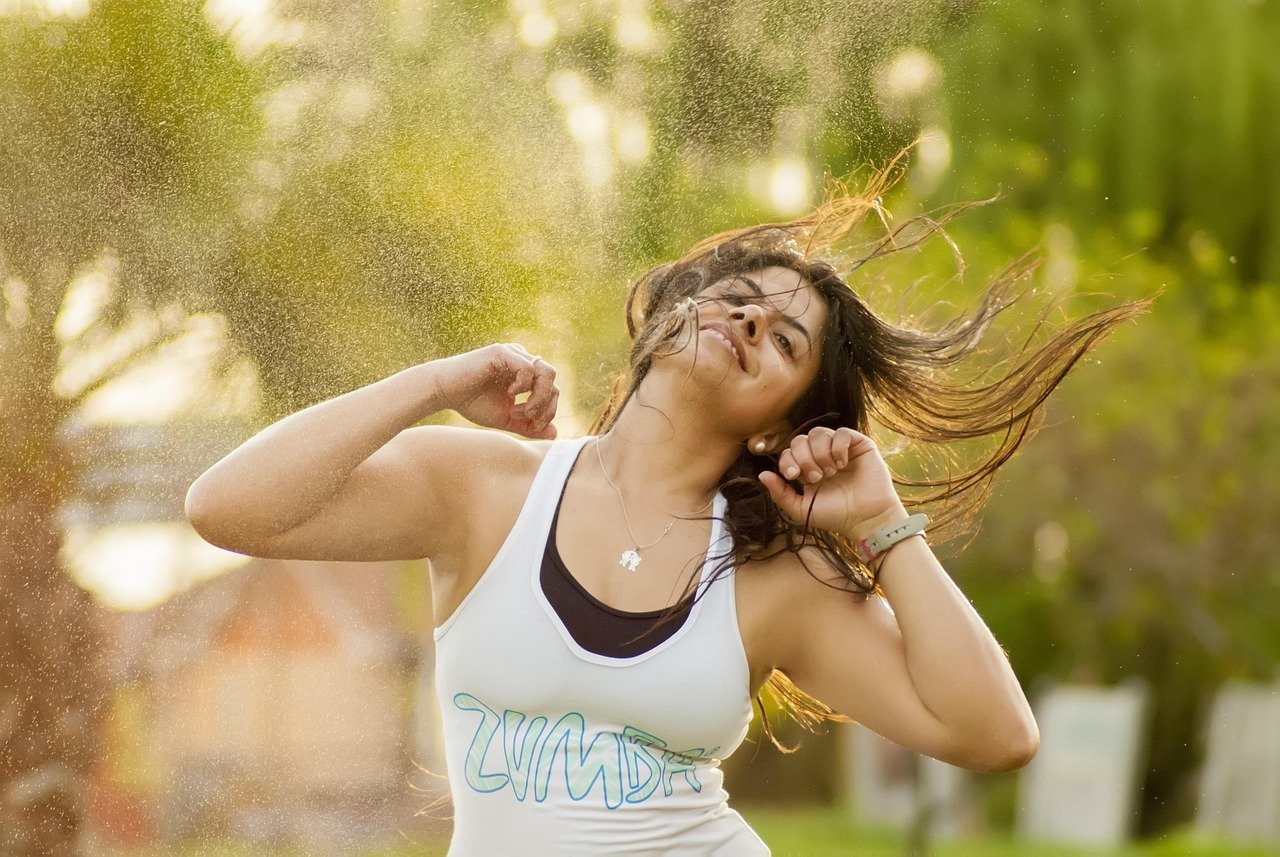

Can a dance floor really replace the treadmill? Ask anyone who has stumbled out of a Zumba class red-faced and breathless, and the answer is obvious. But the science behind that sweaty grin is worth unpacking, because not every shimmy qualifies as exercise. Some dance moves torch calories and build stamina. Others are mostly a good time. Knowing the difference turns a fun hobby into a genuine fitness plan.
Why Dance Counts as Exercise at All
The world’s leading health bodies treat dancing as legitimate aerobic activity. Adults are advised to get 150 to 300 minutes of moderate-intensity aerobic movement each week, or 75 to 150 minutes of vigorous work, plus muscle-strengthening on two or more days. Dancing sits comfortably inside that first bucket. It raises heart rate, works large muscle groups, and keeps the body moving in ways that plain walking often doesn’t.
Intensity is the key variable. Researchers measure it in METs, or metabolic equivalents, where anything at or above 3 counts as moderate. Social and ballroom dancing tends to land around 4.5 to 5.5 METs. Aerobic dance classes push higher, often into the 6.5 to 7.3 range. That gap matters: a slow waltz and a high-energy salsa class are not the same workout, even if both get you off the couch.
The practical takeaway is simple. If you can talk in short sentences but not sing, you’re probably in the moderate zone. If you’re gasping between phrases, you’ve tipped into vigorous territory. Both count. Neither requires a gym membership.
The Moves That Do the Most Work

Most exercise dance styles recycle a handful of core moves. Once you recognize them, any class becomes less intimidating and more effective, because you can focus on effort instead of choreography.
Step-Touch and Grapevine
These are the bread and butter of low-impact cardio dance. A step-touch shifts weight side to side with a light tap. The grapevine adds a cross-step behind and in front, creating lateral movement that wakes up the hips and inner thighs. They look simple, and they are, which is exactly why instructors use them as active recovery between harder bursts. Done with big arm swings and a little bounce, they keep the heart rate up without pounding the knees.
Marching and Knee Lifts
Marching in place sounds like a warm-up, but raise the knees to hip height and add speed and it becomes real cardio. Knee lifts also challenge balance and core stability. For anyone returning from injury, this is the move to lean on. It’s easy to scale: lower the lift, slow the tempo, or add arm reaches to nudge intensity up.
Squats and Lunges Set to Rhythm
Dance classes sneak strength work into the choreography. A squat dropped on the beat, a lunge with a twist, a side-step into a lunge: these load the legs and glutes while the music keeps you moving. If you want to understand how machine-based leg training compares to bodyweight work, a look at what a pendulum squat machine actually does offers useful context. The principle is the same whether you’re under a plate-loaded arm or bouncing to a bassline: controlled load, full range, consistent effort.
Hip Circles, Body Rolls, and Isolation Work
These moves come from Latin and street styles, and they’re deceptively demanding. Isolating the hips from the ribcage requires core control and coordination. They won’t spike your heart rate the way jumping jacks will, but they build body awareness and mobility, which pays off in every other activity.
Jump-Based Moves
High-impact options like jumping jacks, skips, and plyometric hops raise intensity fast. They’re effective for bone health and cardiovascular fitness, but they’re also where most dance injuries happen. Ankles and knees take the brunt. If joints are a concern, keep one foot on the floor at all times and let the arms do more of the work.
Matching the Style to Your Goal
Different dance formats serve different purposes. Picking the right one is half the battle.
| Style | Typical intensity | Best for | Watch out for |
|---|---|---|---|
| Social and ballroom | Moderate | Balance, coordination, social connection | Long pauses between songs |
| Zumba and Latin cardio | Moderate to vigorous | Calorie burn, stamina, fun factor | Lots of twisting and pivoting |
| Aerobic dance and step | Vigorous | Cardiovascular fitness | High impact on hard floors |
| Ballet-based barre | Light to moderate | Posture, core, muscular endurance | Fewer cardio benefits |
| Street and hip-hop | Moderate to vigorous | Power, agility, full-body work | Demanding on knees and ankles |
| Seated and adaptive dance | Light | Older adults, rehab, limited mobility | Intensity needs deliberate effort |
A balanced week might combine two cardio-heavy sessions with one strength-focused class and a gentler mobility day. That structure mirrors general fitness guidance more closely than any single style can.
Common Mistakes That Undercut the Workout
Plenty of people dance for months and see little change. The reasons are usually fixable.
Skipping the warm-up. Cold muscles and sudden pivots are a bad combination. Five minutes of marching, gentle side steps, and ankle circles dramatically reduce the chance of a tweak. Dancers who rush this step tend to regret it in the calf or the lower back.
Coasting through the easy parts. It’s tempting to dial back during the moves you find awkward. But the awkward moves are often the ones working untrained muscles. Effort beats elegance every time.
Ignoring footwear. Running shoes grip too hard for pivoting and can torque the knee. Dance sneakers with a pivot point, or a smooth-soled trainer, let the foot rotate naturally. The same logic that makes choosing tap dance shoes a real decision applies to any dance-based workout: the wrong sole changes how your whole leg moves.
Going all-out too soon. New dancers often chase the instructor’s energy level in week one. Progressive overload works here too. Two sessions a week for a month beats five sessions that end in shin splints.
Standing still between songs. Heart rate drops fast. Keep stepping, swaying, or marching during transitions to hold the aerobic benefit.
Building Strength and Balance Alongside the Cardio
Cardio gets the headlines, but dance quietly trains balance, coordination, and muscular endurance. Single-leg balances, weight shifts, and direction changes all challenge the stabilizer muscles around the ankle and hip. For older adults, that translates into better control and, in several reviews, a lower risk of falls, though study quality varies and results shouldn’t be oversold.
There’s a symmetry to this that shows up across disciplines. In chess, the endgame hinges on understanding exactly how the king moves and when castling wins the game; small positional details decide the outcome. Dance works the same way. A slightly wider stance, a softer knee, a stronger push-off: tiny mechanical adjustments compound into real performance gains over months.
One often-neglected area is the front of the lower leg. The tibialis anterior controls how the foot lands and lifts, and weak shins are a common source of shin splints in dancers who do a lot of jumping and quick direction changes. The tibialis raises that runners keep ignoring are just as relevant for dancers. Two sets of twenty, a few times a week, is a cheap insurance policy.
Making It Stick: Practical Habits
The best dance routine is the one that survives a busy month. A few habits help.
Set a floor, not a ceiling. Committing to two classes a week, and treating anything extra as a bonus, keeps momentum alive when life gets loud. Practicing at home for ten minutes counts too. Free follow-along videos and rhythm games make short sessions easy to squeeze in; even something like a dance mat typing game that teaches keyboard skills shows how movement and rhythm can be paired with learning, and the same floor-pad concept applies to fitness games that get people stepping without realizing they’re exercising.
Track effort alongside attendance. A simple note after each session, rating effort from one to ten, shows whether you’re progressing or only showing up. If the number never climbs, add a jump, speed up the arms, or pick a faster track.
Protect recovery. Dance is repetitive by nature, and repetition is where overuse injuries breed. Alternate hard sessions with walking, swimming, or a mobility day. Sleep and protein intake matter as much as the choreography.
Finally, choose music that makes you want to move. Motivation is the limiting factor for most people, not technique. A playlist that gets feet tapping is a legitimate training tool.
What the Evidence Says About Mood and Consistency
Ask regular dancers why they keep going and the answer rarely involves calorie counts. Enjoyment ranks near the top. That matters because adherence is the single biggest predictor of fitness results. A workout you dread gets abandoned; a workout that feels like a night out gets repeated for years.
Research on dance and mental health is promising but mixed. Reviews of dance and movement therapy report reductions in symptoms of depression and anxiety, though study designs vary widely and results should be read with caution. What’s clearer is the social element. Group classes combine movement with connection, and that combination tends to keep people coming back far longer than solo gym sessions.
Conclusion
Exercise dance moves earn their place in a serious fitness routine. Step-touches and grapevines build an aerobic base, squats and lunges layered onto the beat add strength, and isolation work sharpens coordination in ways a treadmill never will. The formula for results isn’t complicated: pick a style you genuinely enjoy, warm up properly, wear shoes that let you pivot, and nudge the intensity up over time. Whether that means a sweaty Zumba class, a barre session, or ten minutes of kitchen-floor freestyling, the body responds to movement, not choreography. Start with what feels fun, then let consistency do the rest.
Frequently Asked Questions
How many calories does an hour of dance burn?
It depends heavily on style and effort. Moderate social dancing typically burns somewhere in the range of 250 to 400 calories per hour for an average adult, while vigorous aerobic or Latin cardio classes can push past 500. Body weight, fitness level, and how hard you actually work all shift the number. Tracking effort with a heart rate monitor is more useful than chasing a precise figure.
Is dancing enough exercise on its own?
It can be, if you hit the weekly targets. Three to five sessions of moderate-to-vigorous dance can satisfy the recommended 150 to 300 minutes of aerobic activity. What dance rarely covers fully is heavy resistance training, so adding two short strength sessions per week, or choosing classes with substantial bodyweight work, rounds out the plan.
What should beginners do first?
Start with low-impact styles and focus on the basic moves rather than the full choreography. Step-touch, marching, and simple grapevines build the coordination that fancier sequences depend on. Two sessions a week for the first month is plenty. Beginners who try to match an instructor’s pace immediately are the ones most likely to end up sore or injured.
Can dance help with weight loss?
It can contribute, but only as part of an overall energy balance. Dance burns calories and builds lean muscle, both helpful. Meaningful weight loss still depends on diet and total weekly activity. The advantage dance holds is adherence: people tend to stick with it far longer than with routines they find boring, and consistency is what moves the scale.
Is dancing hard on the knees?
It can be, particularly styles with lots of jumping, twisting, and pivoting on hard surfaces. The risks are manageable. Warm up thoroughly, wear shoes with a pivot point, keep landings soft with bent knees, and mix in lower-impact sessions. Anyone with existing knee issues should favor marching, step-touch, and seated variations over plyometric moves.
How does dance compare to running for fitness?
Both improve cardiovascular health, and the better choice is the one you’ll actually do. Running tends to burn more calories per minute and requires less coordination. Dance typically offers more variety, better balance and coordination training, and a social element that boosts adherence. Many people get the best results by combining the two rather than picking a winner.









