

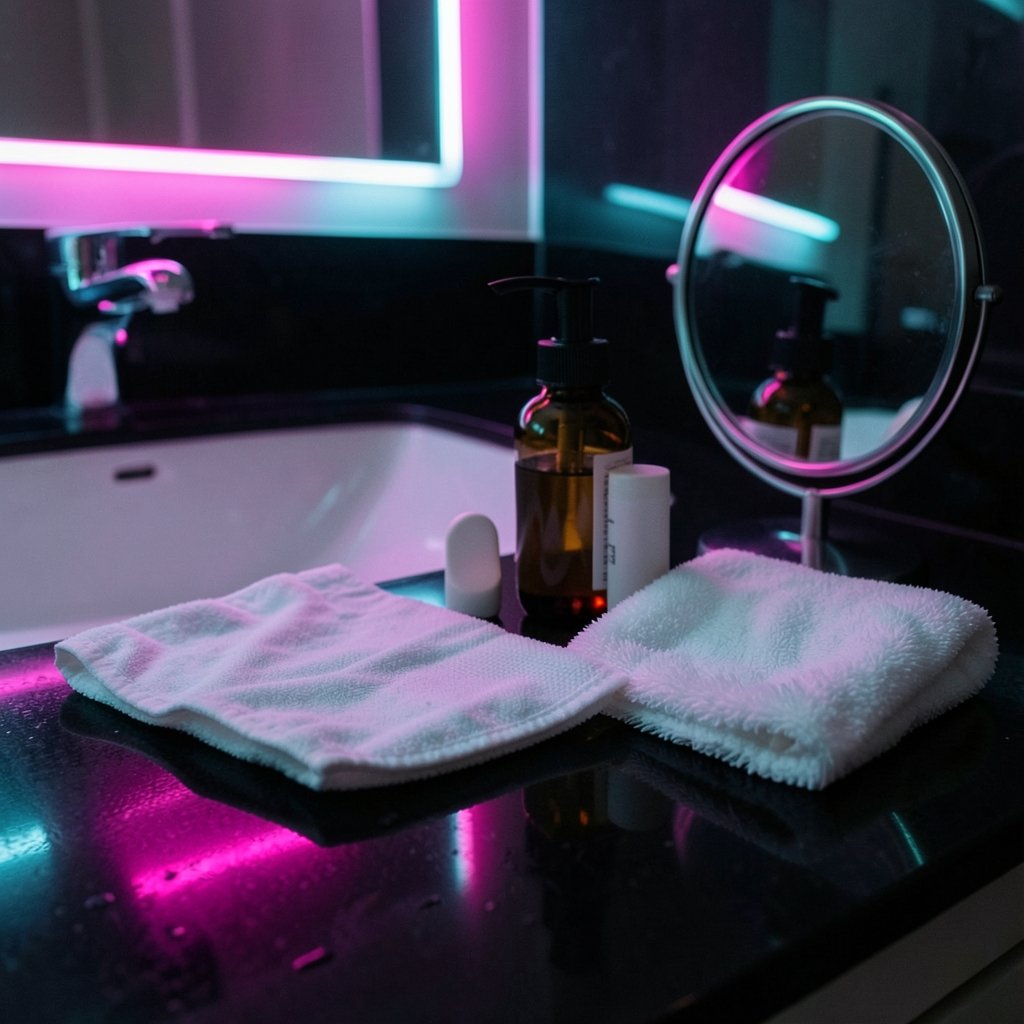
Does your underarm skin feel rough, look dull, or seem to darken no matter how often you shave? You are not alone. Armpit exfoliation has become a popular step in body care routines, but the skin there is some of the most delicate on your body. Done right, it can smooth texture and help deodorant work better. Done wrong, it can leave you with stinging, redness, and dark patches that take weeks to fade. This guide breaks down what actually works, what to skip, and how to build a routine your skin can tolerate.
Why Armpit Skin Needs Special Care
Armpit skin is thin, folds on itself, and sits in a warm, damp, high-friction zone. It is packed with hair follicles and apocrine glands, which makes it far more prone to irritation than the skin on your legs or arms. Every time you shave, apply deodorant, or wear a snug shirt, that skin takes a hit.
That anatomy matters because exfoliation is, by definition, a controlled form of damage. You are removing dead cells from the outer layer of skin, the stratum corneum. On thick-skinned areas like the soles of the feet, that is low-risk. In the armpit, the margin between “smooth” and “angry” is narrow.
Many people also misread the cause of their underarm bumps. Redness, itching, and small bumps are frequently blamed on “buildup” when they are actually caused by shaving irritation, friction, or a reaction to deodorant or antiperspirant. Adding a scrub to already-irritated skin usually makes things worse, not better.
Physical vs. Chemical Exfoliation: What Works in the Armpit

There are two main routes, and they behave very differently on thin, folded skin.
| Method | Examples | Best for | Main risk in the armpit |
|---|---|---|---|
| Physical | Sugar or salt scrubs, exfoliating mitts, dry brushes, loofahs | Very rough, thickened surface texture | Micro-tears, friction burn, post-inflammatory darkening |
| Chemical | Lactic acid, glycolic acid, salicylic acid, urea creams | Smoothing without scrubbing, mild odor control | Stinging, peeling, irritation after shaving |
| Enzymatic | Papaya or pumpkin enzyme washes | Sensitive skin that reacts to acids | Mild, but results are slower |
| Mechanical tools | Electric body brushes, epilators with exfoliating heads | Rarely appropriate here | Over-abrasion, ingrown hairs |
The practical takeaway: chemical exfoliation is generally gentler than scrubbing in this area, but only at low strength and only on intact skin. A washcloth or soft mitt used lightly a couple of times a week is the safest physical option. Harsh scrubs and stiff brushes are where most people get into trouble.
One more point worth stating plainly: exfoliating does not “detox” your body. Waste is cleared by your liver and kidneys, not through your armpits. Clay masks and “armpit detox” routines that promise to pull toxins out are not supported by evidence. If a product’s main selling point is detoxing, that is a reason to be skeptical, not a reason to buy.
How Often Should You Exfoliate Your Armpits?
There is no strong consensus on frequency, and recommendations range from daily to weekly depending on the source and the method. For most people, a realistic starting point looks like this:
- Chemical exfoliant (lactic or salicylic acid, 5 percent or less): once or twice a week to start.
- Soft washcloth or gentle mitt: two to three times a week, with light pressure.
- Sugar or salt scrub: once a week at most, and never on freshly shaved skin.
- Dry brushing: skip it in the armpit entirely.
Build up slowly. If your skin feels tight, stings when you apply deodorant, or looks pink after exfoliating, you are doing too much. Cut back to once a week and reassess after two weeks. Skin that is genuinely tolerating exfoliation should feel smoother, not sensitive.
If you are the kind of person who researches purchases carefully before committing, treat skincare the same way you would when buying used trucks: avoid money pits and find a keeper — check what you are actually getting, not just what the label promises.
A Step-by-Step Armpit Exfoliation Routine
Here is a sequence that keeps risk low and results visible.
- Start clean and dry, and check your skin. Look for nicks, razor burn, or bumps. If the skin is broken or inflamed, skip exfoliation entirely until it heals.
- Patch test any new acid. Apply a small amount to a quarter-sized area of your inner arm or one armpit and wait 24 to 48 hours. This is standard advice for any new exfoliant and it catches most reactions before they spread.
- Exfoliate before shaving, not after. Shaving opens the skin barrier. Applying acids or scrubs to freshly shaved skin stings and raises the risk of irritation. Leave at least a day between the two.
- Apply a thin layer of chemical exfoliant to dry skin. Use a low-strength lactic or salicylic acid, or a urea cream for texture. Do not layer multiple acids in the same session.
- Keep it brief. Leave a leave-on acid on as directed, typically once in the evening. Rinse-off scrubs should be massaged gently for no more than 20 to 30 seconds.
- Moisturize afterward. A simple, fragrance-free moisturizer supports the barrier. Skip anything with strong fragrance or alcohol in this area.
- Wait before applying deodorant. Give the skin time to settle, and avoid antiperspirant on the same night you exfoliate if you notice stinging.
The most common mistake is stacking steps: scrubbing, then shaving, then applying an acid, then a scented deodorant. That combination is almost guaranteed to irritate thin underarm skin.
What Exfoliation Can and Cannot Do
Exfoliation has real, modest benefits. It can smooth rough texture, help skincare ingredients absorb more evenly, and temporarily reduce the bacteria that contribute to odor. That last point is often oversold. Removing dead skin may cut odor-causing bacteria for a while, but it is not a substitute for deodorant or antiperspirant.
Those products work through entirely different mechanisms. Antiperspirants use aluminum salts to block sweat ducts. Deodorants mask odor or reduce odor-causing bacteria. Neither is replaced by a scrub. If body odor is your main concern, exfoliation is a supporting step, not the solution.
Exfoliation also cannot lighten underarm skin that has darkened from genetics, hormones, or a condition like acanthosis nigricans. In fact, aggressive scrubbing on darker skin can trigger post-inflammatory hyperpigmentation, which is darkening caused by inflammation. That is the opposite of the cosmetic goal, and it is one of the most common reasons people end up more frustrated than when they started. If you have deeper skin tones, this is the single biggest reason to favor gentle chemical exfoliation over scrubs and brushes. Readers dealing with texture and hair care concerns in the same region may find related guidance in this collection on 4c hair, since hair type and skin sensitivity often overlap.
When to Stop: Red Flags and Conditions to Respect
Some situations call for putting the scrub down entirely.
- Hidradenitis suppurativa (HS). This is a chronic inflammatory skin condition that causes painful lumps and tunnels, most often in the armpits and groin. Abrasive exfoliation is generally discouraged in affected areas because friction can trigger flares. If you get recurring painful lumps under the arms, see a doctor before exfoliating.
- Active razor burn or ingrown hairs. Let the skin heal first.
- Eczema or psoriasis in the armpit. Acids and scrubs can aggravate inflamed skin.
- Persistent dark patches, itching, or a rash that does not settle. These deserve a medical look, not another product.
A useful rule: if the skin is red, broken, painful, or itchy, it needs rest and possibly a clinician, not exfoliation. If it is merely rough or dull, gentle exfoliation is reasonable.
Product Choices That Reduce Risk
Labels matter more in the armpit than almost anywhere else. A few practical filters:
- Strength: look for 5 percent or lower for lactic and glycolic acid, and low-percentage salicylic acid. Higher concentrations belong on the face or feet, not here.
- Format: a rinse-off wash or a light lotion is easier to control than a concentrated peel pad.
- Fragrance: fragrance-free is the safer default in a fold of skin that traps heat and moisture.
- Marketing claims: “detox,” “purifying,” and “draws out impurities” are marketing language, not mechanisms. In the United States, cosmetics including scrubs are not approved by the FDA before sale, and “cosmeceutical” is not a legal category. That means the label is your main source of information, so read the ingredient list rather than the front of the package.
If you enjoy reading about how consumer products and everyday routines get oversold, the cultural commentary at the row covers similar ground.
Common Mistakes That Backfire
These come up again and again, and each one is easy to fix.
- Scrubbing harder to fix roughness. Roughness often means irritation, and scrubbing worsens it. Gentleness plus moisturizer usually resolves it faster.
- Exfoliating daily because a label says “daily use.” Labels are written for the thickest-skinned average user, not for thin underarm skin.
- Using the same strong acid as your face. Facial peels are often too concentrated for the armpit.
- Combining exfoliation with hair removal in one session. Space them out by at least a day.
- Ignoring stinging. A mild tingle is common; sharp stinging is a signal to rinse and stop.
- Expecting odor to disappear. Exfoliation supports odor control but does not replace deodorant or antiperspirant.
Conclusion
Exfoliating your armpits can be a genuinely useful step, but it rewards restraint far more than enthusiasm. The skin there is thin, folds on itself, and sits in a high-friction zone, which means the gentle option is usually the effective one. Low-strength chemical exfoliants once or twice a week, a soft washcloth on the other days, a patch test before anything new, and a firm rule against exfoliating freshly shaved or broken skin will get most people the smooth result they want without the redness and darkening they do not. Skip the scrubs, skip the detox claims, and give your skin a couple of weeks to tell you whether the routine is working. If it stings, it is not working yet.
Frequently Asked Questions
Can you exfoliate your armpits every day?
Most people should not. Armpit skin is thin and prone to irritation, and daily exfoliation raises the risk of redness, stinging, and post-inflammatory darkening. Once or twice a week with a low-strength chemical exfoliant, or two to three times a week with a soft washcloth, is a safer starting point. Build up only if your skin stays calm.
Should you exfoliate before or after shaving?
Before, and ideally not on the same day. Shaving opens the skin barrier, so applying acids or scrubs afterward stings and increases irritation risk. Leave at least a day between exfoliation and hair removal, and never scrub freshly shaved skin.
Is a sugar scrub or an acid better for underarm skin?
A low-strength chemical exfoliant is generally gentler in this area. Physical scrubs rely on friction, which can cause micro-tears and trigger darkening, especially on deeper skin tones. If you prefer a scrub, use it once a week at most with very light pressure, and never on irritated skin.
Does exfoliating armpits stop body odor?
It can help a little by temporarily reducing odor-causing bacteria, but it is not a replacement for deodorant or antiperspirant. Antiperspirants block sweat ducts with aluminum salts, and deodorants mask or reduce bacteria. Exfoliation is a supporting step, not a solution, and claims that it draws toxins out of the body are not supported by evidence.
Why did my armpits get darker after exfoliating?
Darkening after exfoliation is usually post-inflammatory hyperpigmentation, a response to irritation or friction. Scrubbing too hard, exfoliating freshly shaved skin, or using acids that are too strong can all trigger it. Stop the exfoliant, moisturize gently, and let the skin settle. If the darkening persists, have a clinician take a look.
When should you avoid exfoliating your armpits entirely?
Skip it if the skin is broken, nicked, burned from shaving, or actively inflamed. People with hidradenitis suppurativa should generally avoid abrasive exfoliation in the armpits because friction can trigger flares. Persistent lumps, rashes, or itching deserve a medical assessment rather than another product.









