

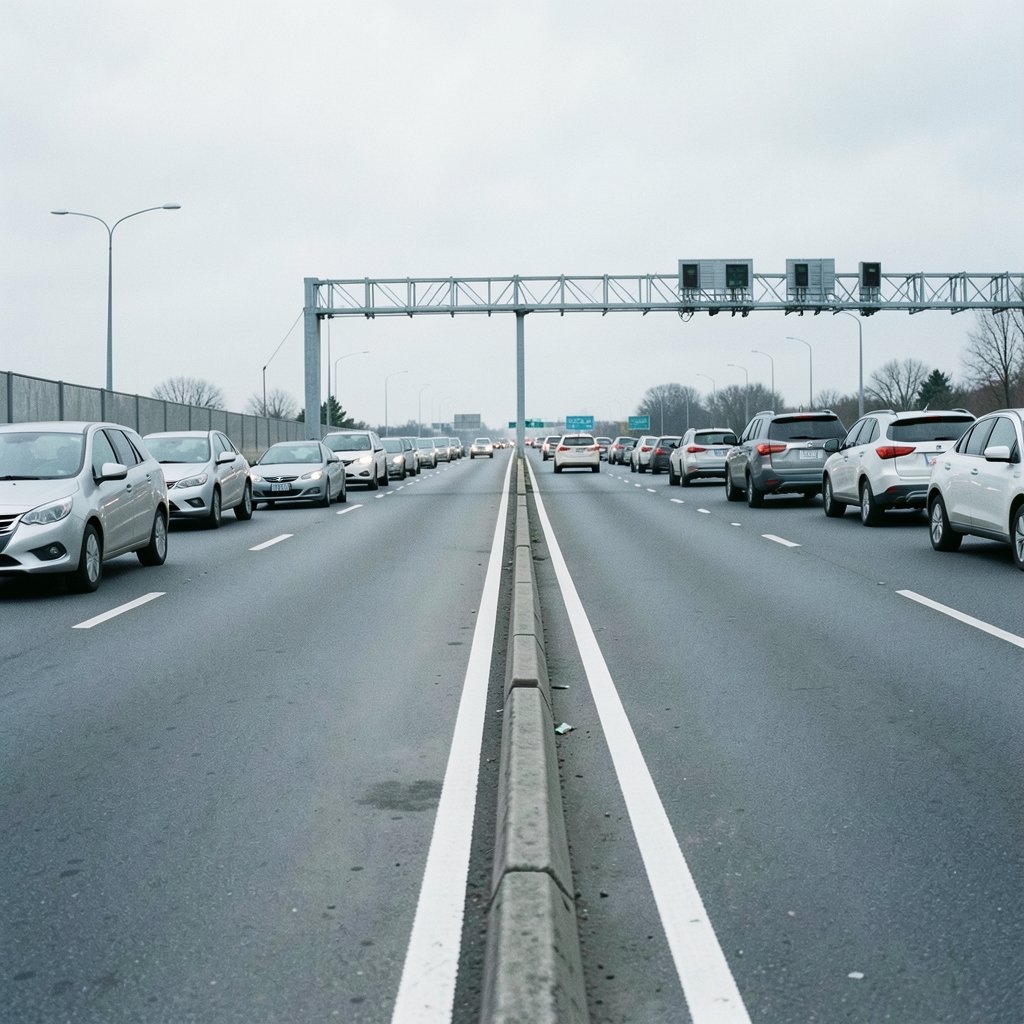
Ever glanced at the near-empty lane beside you on a jammed freeway and wondered who gets to use it, and why? That’s the express lanes system in a nutshell, and the “metro” part of the phrase usually points to a regional transit or transportation authority that runs those lanes as part of a larger network. The name itself is genuinely confusing, because more than one agency uses some version of it. What follows untangles the concept, explains how pricing and access actually work, and gives practical guidance for drivers who want to use these lanes without overpaying.
What “ExpressLanes Metro” Usually Refers To
The phrase gets used in two main ways. In one, ExpressLanes is the brand name a state transportation department gives to its network of high-occupancy toll lanes, and “metro” is simply the metropolitan region where those lanes sit. In the other, Metro is the transit authority itself, and ExpressLanes is the name of the tolled lane program it operates on behalf of the region.
The most prominent example is in Northern Virginia, where express lanes run along the Capital Beltway and the I-95 and I-395 corridors. A second well-known network operates in Los Angeles County on the I-10 and I-110 freeways. Both are HOT lanes, meaning high-occupancy toll lanes: carpools, buses, and motorcycles typically ride free or at a discount, while solo drivers pay a variable toll to use the same asphalt.
Because the operating agency, the rules, and the tolling technology differ from region to region, the single most useful thing a driver can do is identify which authority controls the lanes on their route before assuming anything about eligibility or price.
How HOT Lanes Differ From Plain Toll Roads

A traditional toll road charges everyone the same rate at the same place. A HOT lane does something more interesting: it manages demand in real time.
| Feature | Traditional toll road | HOT / express lanes |
|---|---|---|
| Who pays | All vehicles | Mostly solo drivers; carpools and buses often free or discounted |
| Price behavior | Usually fixed per segment | Changes with live congestion |
| Main goal | Raise revenue | Keep traffic moving at a reliable speed |
| Access | Open to all | Eligibility rules apply, including occupancy minimums |
| Enforcement | Toll gantries | Toll gantries plus occupancy checks |
The core idea is that a lane only delivers value if it stays fast. When traffic builds, the price rises until enough drivers choose to stay in the general lanes. When the road is quiet, the price drops. That dynamic pricing is what separates express lanes from ordinary tolling, and it’s why the same trip can cost very different amounts on different days.
How Variable Pricing Actually Works
Toll rates on express lanes are recalculated at short intervals, often every few minutes, based on measured traffic volumes and speeds in the lane. The operating agency sets a target level of service, and the price moves up or down to protect it.
For drivers, this creates a few practical realities:
- The price you see is the price you pay at the point of entry, but it applies only to the segment ahead, not the whole route.
- Rates can climb sharply during peak congestion, so a long trip in heavy traffic can be expensive.
- Off-peak travel is often cheap, which makes flexible schedules a genuine advantage.
- Prices are posted before you commit, usually on overhead signs, so you can decide at each entry point rather than for the entire trip.
A common mistake is treating the displayed price as a flat fare for the whole corridor. Drivers who enter and exit at several points accumulate several charges. Reading the signs carefully and knowing your exit in advance prevents unpleasant surprises.
Who Can Use Express Lanes Without Paying
Eligibility rules vary by region, but the general pattern is consistent. Carpools meeting the occupancy minimum, motorcycles, and transit buses usually travel free or at a reduced rate. Some regions offer discounts or free access for qualifying clean-fuel vehicles, though these programs change and are often capped.
The detail that trips people up most often is how occupancy is verified. In some corridors, carpoolers use a switchable transponder to declare their occupancy status. In others, enforcement relies on roadside sensors and cameras, with plates checked against registration data. Getting this wrong is not a minor issue: misdeclaring occupancy can result in a violation notice and a fine.
Drivers should confirm three things before relying on free carpool access: the occupancy minimum on that specific corridor, whether a transponder is required, and whether the free status applies at all hours or only during certain periods.
The Practical Side: Planning a Trip on Toll Lanes
Good outcomes on express lanes come from a little planning rather than luck. A few habits make a real difference.
Decide your threshold in advance. Before setting off, pick the price at which the lane stops being worth it. Congestion pricing is designed to make you weigh time against money, and having a number in mind stops impulse decisions in heavy traffic.
Know your entry and exit points. Express lanes often have limited access points, and some corridors have separate entry and exit ramps from the general lanes. Missing an exit can mean a long detour.
Check the direction and hours. Many express lane facilities reverse direction between morning and evening peaks, or operate only during set hours. Assuming a lane is open in your direction because it was open yesterday is a recipe for a wasted trip.
Keep your payment method current. Most facilities are fully electronic, with no cash option. An expired card or a transponder with a dead battery can turn a smooth trip into a violation notice.
Watch for construction and closures. Lane schedules shift during major roadwork, and temporary changes are usually posted on the operator’s website rather than on the road itself.
For anyone who also likes to keep their hands presentable between salon visits, the same principle of reading instructions before committing applies to press on nail application — a few minutes of preparation prevents most problems later. (Press on nail care)
Common Mistakes Drivers Make
A handful of errors show up again and again on tolled express lanes.
- Assuming the lane is always faster. During an incident, even a priced lane can slow down. The toll buys a better odds of speed, not a guarantee.
- Entering without a transponder and expecting a bill in the mail. Some facilities do send invoices by plate, but others treat a missing transponder as a violation with added fees.
- Forgetting to switch the transponder to carpool mode. A solo-mode transponder in a full carpool means paying for a trip that should have been free.
- Ignoring the occupancy minimum. A two-person minimum is common, but some corridors require three during peak periods.
- Stopping or reversing near a toll gantry. This is dangerous and, depending on the facility, illegal.
How Express Lanes Affect Traffic Overall
The case for express lanes rests on a simple trade: converting a general-purpose lane into a priced lane reduces the number of vehicles in the remaining free lanes, and the price mechanism keeps the priced lane flowing. Whether that trade works out for a given region depends on how the revenue is used, how well transit is supported alongside the lanes, and whether drivers who cannot or will not pay are left worse off.
That last point is the heart of most public debate about these facilities. Supporters point to faster bus service, reliable travel times for carpoolers, and revenue that can fund transit or road improvements. Critics argue that adding priced capacity mainly benefits those who can afford it, and that induced demand can erode the benefits over time. Both positions have real evidence behind them, and the outcome varies by corridor.
For drivers, the practical takeaway is modest: express lanes are a tool for managing congestion, not a solution to it. They work best when paired with genuine alternatives, including frequent bus service that uses the same lanes.
Transponders, Plates, and Billing Basics
Most express lane networks rely on a small transponder mounted on the windshield. The device communicates with roadside readers, and the toll is deducted from a prepaid account or charged to a linked card. Vehicles without a transponder are usually identified by license plate, and the registered owner is billed, sometimes with an administrative fee added.
Three billing habits prevent most headaches:
- Keep a positive balance if the account is prepaid, since a low balance can trigger a violation even when the driver intended to pay.
- Update the plate and vehicle details after buying or selling a car, because billing follows the registration record.
- Review statements monthly, since duplicate charges and misread plates do happen and are usually correctable within a set window.
Drivers who tow trailers, use rental cars, or drive vehicles with metallic windshields that block transponder signals should check the operator’s guidance, as these cases often need special handling.
Where the Name Causes Confusion
Because “ExpressLanes” is a brand rather than a generic term, searching for it can surface several unrelated programs. A driver in one region may land on the page for another region’s network and read rules that do not apply to their route. (Press on nail brands)
The reliable approach is to search for the corridor name plus the state or region, then confirm the operating agency on the page. Official program pages list toll schedules, occupancy rules, transponder requirements, and dispute procedures. Third-party navigation apps are useful for live pricing but are not authoritative on eligibility.
It also helps to know that the same physical corridor can change operators or branding over time, particularly when long-term maintenance contracts are awarded to private partners. Rules that were accurate a few years ago may no longer apply.
Conclusion
Express lanes, and the metro-area programs that carry the ExpressLanes name, are best understood as a congestion management tool rather than a simple toll road. The price rises and falls to keep a lane moving, carpools and buses usually ride free or cheap, and solo drivers pay for the time they save. The system rewards preparation: knowing your entry and exit points, setting a price threshold, keeping your transponder and account in order, and confirming the rules for your specific corridor rather than assuming they match another region’s.
Get those basics right, and the priced lane becomes a genuinely useful option on the days it matters most. Skip them, and it becomes an expensive surprise in the mail three weeks later.
Frequently Asked Questions
What does “ExpressLanes metro” actually mean?
It usually refers to a network of high-occupancy toll lanes operated in a metropolitan region, either by a state transportation department or by the region’s transit authority. The name is a brand used by more than one agency, so the specific rules depend entirely on which corridor and operator you are dealing with.
Do carpools always travel free on express lanes?
Not always. Many corridors let carpools meeting the occupancy minimum ride free, but the minimum varies, some facilities require a switchable transponder set to carpool mode, and a few apply discounts rather than full exemptions. Motorcycles and transit buses are commonly exempt. Always confirm the rule for your specific corridor before assuming free access.
How is the toll price decided?
Prices are recalculated at frequent intervals based on measured traffic volumes and speeds in the lane. When the lane gets busy, the price rises to discourage more entries; when it empties, the price falls. The goal is to keep the lane flowing at a reliable speed rather than to maximize revenue per vehicle.
What happens if I use the lane without a transponder?
Most facilities identify vehicles by license plate and bill the registered owner, often with an added administrative fee. Some treat a missing transponder as a violation with a higher penalty. Because policies differ, drivers without a transponder should check the operator’s rules before entering.
Can the toll change after I enter the lane?
The rate displayed at your entry point applies to the segment ahead, not to your entire trip. If you pass multiple tolling points, each one is charged at its own rate. That is why a long trip through heavy traffic can cost considerably more than the sign suggested at the start.
Is it worth paying for express lanes?
It depends on how much the time saved is worth to you on that particular day. The lanes tend to deliver the best value during moderate congestion, when prices are still reasonable and the time saving is real. During severe congestion the price climbs sharply, and during light traffic the free lanes are usually fine. Setting a personal price threshold before you travel keeps the decision rational.









