

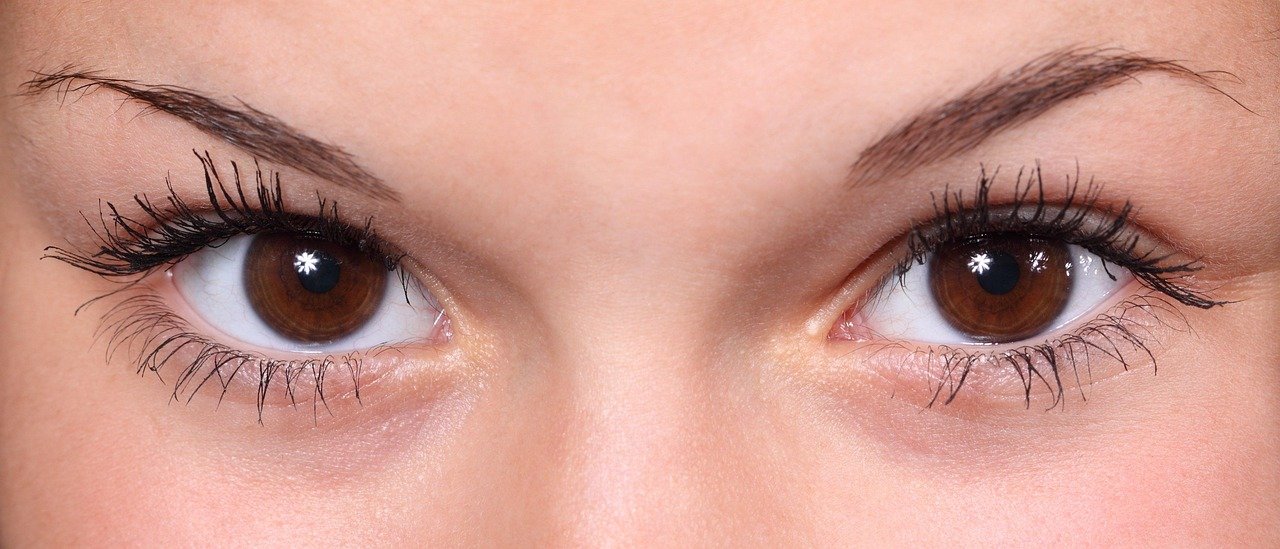
What does “eyebrow poder” actually mean? If you have typed the phrase into a search bar and come back confused, others have hit the same dead end. It is not a standard English beauty term, and no dictionary defines it. Yet the phrase keeps circulating in captions, product listings, and comment threads, usually attached to photos of strong, defined, almost architectural brows.
So what is going on? The most reasonable reading is that “poder” is the Spanish word for “power,” which makes “eyebrow poder” a playful, bilingual way of saying brow power. That could mean confidence, dominance, or simply the effect a well-groomed brow has on a face. There is no verified brand, technique, or official trend carrying that exact name. What exists is a wide range of brow enhancement, and that is what this article covers: the real methods, what they cost you in time and money, the risks nobody puts in the caption, and how to choose the right approach for your face and your routine.
Why Brows Carry So Much Weight
Eyebrows are not decorative afterthoughts. Research on face perception has found that eyebrows are highly salient for both recognition and emotion signalling, and that removing them impairs face recognition more than changing eye shape alone. In plain terms, people read your brows before they read almost anything else about your face.
That explains why brow trends swing so dramatically. Thin, arched brows dominated the 1920s and 1930s, returned in the 1990s, and then gave way to the full, natural look that has held sway since the 2010s. Every generation thinks its brow shape is the correct one. Every generation is wrong about that. The lesson for anyone chasing “brow power” is simple: pick a shape that suits your bone structure, not the shape that happens to be trending on your feed this month.
The Main Brow Enhancement Methods Compared
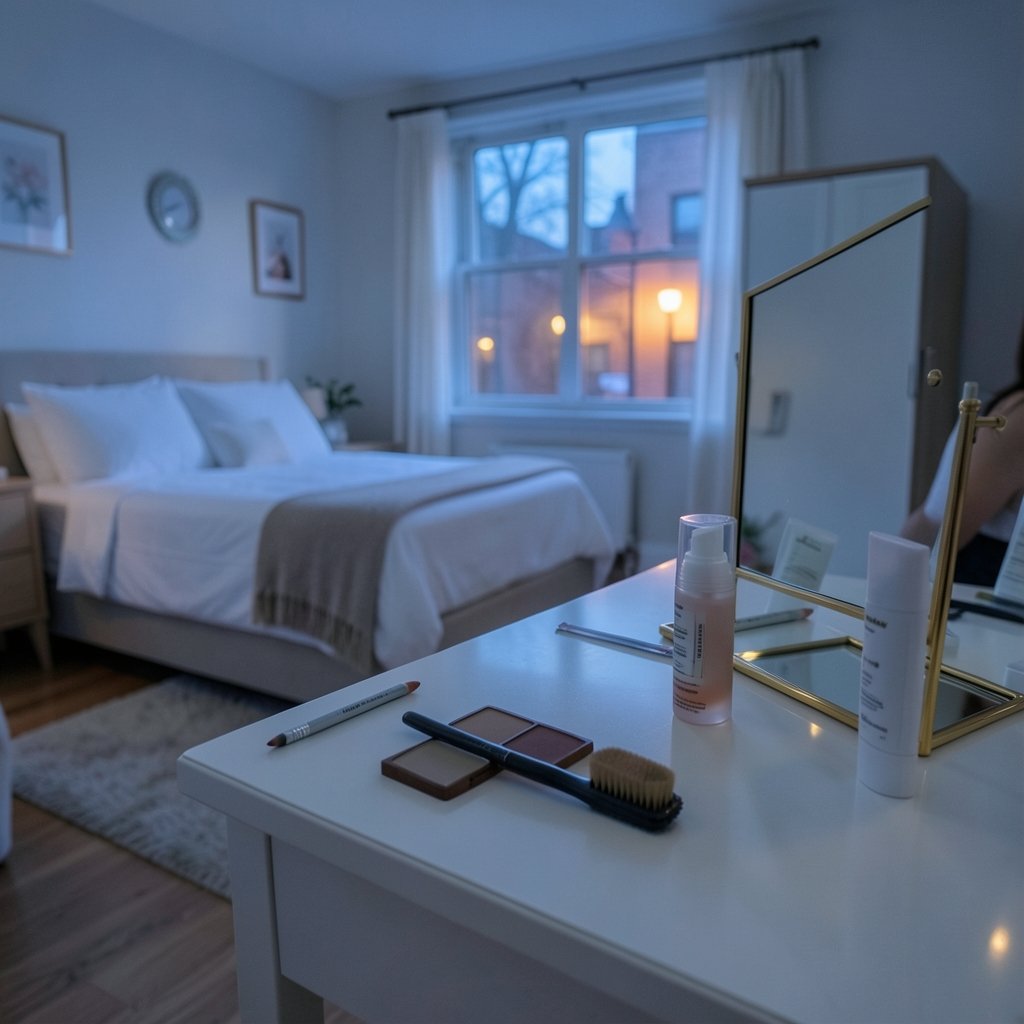
There is no single “eyebrow poder” product. There is a menu. Each option differs in how long it lasts, how much it costs, and how much risk it carries.
| Method | How it works | Typical duration | Reversible? | Risk level |
|---|---|---|---|---|
| Brow pencil or powder | Cosmetic pigment applied daily | Until washed off | Yes, instantly | Very low |
| Brow gel or soap | Sets hairs in place | One day | Yes | Low |
| Brow tint | Dye applied to hairs | 3 to 6 weeks | Fades over time | Low to moderate (patch test first) |
| Henna brows | Plant-based dye on hairs and skin | 1 to 2 weeks on skin | Fades | Moderate (allergy risk) |
| Brow lamination | Chemical perming to straighten and set hairs | 4 to 8 weeks | Gradually | Moderate |
| Microblading | Semi-permanent pigment deposited with a manual blade | 1 to 3 years | Only via removal | High |
| Brow transplant | Surgical hair relocation | Permanent | No | High (medical procedure) |
The jump from the top of that table to the bottom is the jump from a five-minute morning routine to a medical decision. Most people never need to make it.
Start With What You Already Have
Before buying anything, look at your natural growth pattern. Brows fall into broad categories, and the right technique depends heavily on which one you are working with. Fine, sparse brows benefit from building volume with a pencil and a light tint. Coarse, dense brows often need only a gel to keep hairs pointing the same direction. Curly or wiry brows, including many people with 4c hair textures, respond well to lamination because the treatment relaxes the hair’s natural bend and makes it lie flat.
A practical tip that saves a lot of grief: brush your brows upward with a spoolie and photograph them in daylight before you do anything else. Most people discover their brows are more asymmetric than they assumed, and that asymmetry is normal. Chasing perfect mirror-image symmetry is the single most common mistake in brow grooming. It leads to over-plucking, over-filling, and a look that reads as drawn-on rather than defined.
Filling and Shaping: The Low-Risk Route
For most people, the everyday route delivers the most control for the least risk. A few habits separate a good result from a bad one.
- Choose a pencil one shade lighter than your hair colour, not darker. Darker pencils create harsh edges that look artificial in daylight.
- Work in short, feathery strokes in the direction of hair growth rather than drawing a single outline.
- Concentrate pigment at the arch and tail, and leave the inner edge soft. The front of the brow should fade, not start with a hard line.
- Set everything with a clear or tinted gel and comb upward.
- Blend with a spoolie at the end. Almost every over-filled brow can be rescued by thirty seconds of brushing.
If your natural hairs are light, a professional tint is a sensible upgrade. It is quick, cheap relative to semi-permanent options, and it fades rather than lingering. Ask for a patch test at least 48 hours beforehand, especially if you have reacted to dyes before. Henna-based brow products deserve particular caution: henna has been linked to allergic reactions, and some regulators have warned against henna products intended for skin application. A reaction on your brow ridge is not a small inconvenience. It is a rash on the most visible part of your face.
Brow Lamination: Real Results, Real Caveats
Lamination grew rapidly in popularity between roughly 2019 and 2021 and remains a fixture in salons. The process uses a chemical solution to break and reset the bonds in the hair, similar in principle to a perm. The result is fuller-looking brows because every hair is standing in the same direction.
It works best on brows with plenty of hair that simply misbehaves. It does very little for genuinely sparse brows, because there is nothing to laminate. Expect four to eight weeks of results, and expect the hairs to feel drier afterwards. Over-lamination, especially when sessions are stacked too close together, can leave brows brittle. A good practitioner will assess your hair condition and may refuse the treatment. That refusal is a sign of competence, not rudeness.
Microblading and Permanent Makeup: The Serious Option
Microblading is a semi-permanent tattooing technique in which pigment is deposited into the epidermis with a manual blade. Results typically last one to three years, though practitioners report wide variation depending on skin type, lifestyle, and aftercare. The technique was popularised in the mid-2010s and has since become one of the most requested cosmetic procedures in the world.
It is also the option with the most consequential downsides, and they rarely make it into the before-and-after posts.
Pigment regulation varies by region. In many jurisdictions, permanent makeup is regulated as a tattoo. In the European Union, restrictions on certain tattoo and permanent-makeup pigments took effect under REACH on 4 January 2022, banning or restricting substances including some azo pigments. If you are booking a procedure, ask which pigments are being used and whether they comply with current rules where you live.
Removal is harder than application. Laser removal is possible but often requires multiple sessions, costs more than the original procedure, and can alter the pigment’s colour in the process. Some pigments are stubborn. Anyone considering microblading should assume the result is close to permanent and plan accordingly.
Skill varies enormously. There is no universal licensing standard for permanent makeup artists in many places. Ask to see healed results, not fresh ones. Fresh photos hide everything. Healed photos show the real outcome.
Ingredient labels are your friend. In the EU, cosmetics must carry INCI labelling under Regulation (EC) No 1223/2009, which lets consumers check what is in a product before it touches their skin. Use that. If a brow serum or tint has no ingredient list at all, that is a warning, not a quirk.
What “Brow Power” Looks Like in Practice
Strip away the marketing and the phrase points at something real: the confidence that comes from a brow shape you do not have to think about. That is a reasonable goal. The way to reach it is usually less dramatic than the internet suggests. (The row)
Consider two people. The first has thin, light brows and a busy morning. For them, a tint every five weeks plus a two-minute pencil routine delivers more than microblading ever would, at a fraction of the cost and risk. The second has thick, curly brows that will not sit flat. For them, lamination makes a real difference, and the maintenance is manageable.
The pattern holds: match the method to the hair, not to the trend. Someone with soft, fine waves will find that a light hand and a good gel do the work that heavier techniques promise. The same principle that applies to 2b hair on the head applies to brow hair: texture dictates technique. Fighting your natural pattern costs more and looks worse than working with it.
It also helps to know what you are actually looking at online. Many of the most dramatic brow transformations circulating on social platforms involve professional lighting, professional photography, and a filter. Comparing your bathroom mirror to a studio shot is a losing game. If a particular look appeals to you, take the photo to an appointment and ask what it would take to achieve it on your face. A good brow artist will tell you honestly whether it is realistic.
Common Mistakes and How to Avoid Them
The same errors come up again and again, and most are easy to fix.
Over-plucking remains the classic. Brows grow back slowly, and repeated removal can reduce regrowth over time. Put the tweezers down for eight weeks and see what you actually have before making any decisions.
Skipping the patch test is the second. It takes two days and costs nothing. Dye allergies are not rare, and a reaction on the brow bone can take weeks to settle.
Choosing a shade that is too dark is the third. It is the fastest way to make a brow look drawn-on, and it is entirely avoidable.
Booking a permanent procedure on price alone is the fourth. The cheapest option in a market with uneven standards is rarely the safest one.
Finally, ignoring aftercare undermines everything. Lamination and microblading both come with instructions about water, sun, and skincare actives. Follow them. The results people admire in healed photos are usually the ones where aftercare was taken seriously.
Conclusion
“Eyebrow poder” is not a product you can buy or a technique you can book. It is a phrase that gestures at something most people already want: brows that frame the face and require minimal daily effort. The path there runs through knowing your own hair, choosing the least invasive method that solves your actual problem, and being sceptical of dramatic before-and-after images. Pencil and gel handle most cases. Tints and lamination handle the next tier. Permanent makeup is a genuine commitment with genuine risks, and it should be treated that way. Get the fundamentals right and the power takes care of itself.
Frequently Asked Questions
What does “eyebrow poder” mean?
It is most likely a bilingual play on words, with “poder” being Spanish for “power,” making the phrase a way of saying brow power or brow confidence. There is no established product, brand, or official technique by that name. Treat any listing that uses the term as marketing language and evaluate the actual method being offered.
Is microblading safe?
Microblading is a form of semi-permanent tattooing and carries the risks of any tattoo procedure, including infection, allergic reaction, and unsatisfactory results. Pigment regulation differs by country, and in the EU restrictions on certain pigments took effect on 4 January 2022. Choose a practitioner with verifiable healed work, ask about pigment compliance, and assume the result will be difficult to reverse.
How long do brow tints and lamination last?
A brow tint typically lasts three to six weeks as hairs shed and fade. Brow lamination usually holds for four to eight weeks. Both depend on your hair growth cycle, skincare routine, and how often you expose your brows to water and heat.
Can I do brow lamination at home?
Home kits exist, but the chemicals involved are strong and the margin for error is small. Over-processing can leave brows brittle and cause breakage. Given that brows grow back slowly, a professional treatment is usually the safer investment, especially the first time.
Why do my brows look uneven even after filling them?
Facial asymmetry is normal and universal. Most people have one brow sitting slightly higher or shaped differently from the other. Aim for balance rather than mirror-image symmetry, and keep the inner edges soft. Chasing perfect symmetry is what leads to over-filling.
How often should I get my brows professionally shaped?
Every four to six weeks suits most people, roughly matching the hair growth cycle. If you are growing out over-plucked brows, wait at least eight weeks before shaping so you can see your natural pattern. Between appointments, tidy only the obvious stray hairs well below the brow line.









