

When was the last time you walked across a field you didn’t own, without asking anyone’s permission? For millions of people, the answer is “last weekend.” For millions of others, it’s “never, and I’m not sure I’d be allowed.” That gap is what freedom outdoors is really about. It is not a single law or a slogan. It is a patchwork of statutes, customs, and quiet agreements that decide where a person may put their boots, how far they may wander, and what they owe the land in return.
This article looks at what that freedom actually grants, where it stops, and how to use it well.
What “Freedom Outdoors” Actually Covers
The phrase gets used loosely, so it helps to split it into three layers.
The first is legal access: a statutory right to be somewhere. England and Wales have the Countryside and Rights of Way Act 2000, usually called the CROW Act, which created a public right of access on foot to mapped open country such as mountain, moor, heath, and down, plus registered common land. Scotland went further with the Land Reform (Scotland) Act 2003, which took effect in February 2005 and covers most land and inland water for recreation and passage, including cycling and horse riding.
The second layer is custom. In Sweden, Norway, and Finland, the right of public access (allemansrätten in Swedish, allemannsretten in Norwegian) allows walking, camping, and foraging on private land under a duty not to disturb or damage. In Sweden it carries constitutional weight. The legal basis differs by country, so it is a mistake to treat the Nordic model as one uniform rule.
The third layer is practical freedom: whether a person can actually reach green space, afford the trip, and feel welcome once there. A right on paper means little if the nearest path is a bus ride and a train fare away.
The English and Welsh Right to Roam, Explained
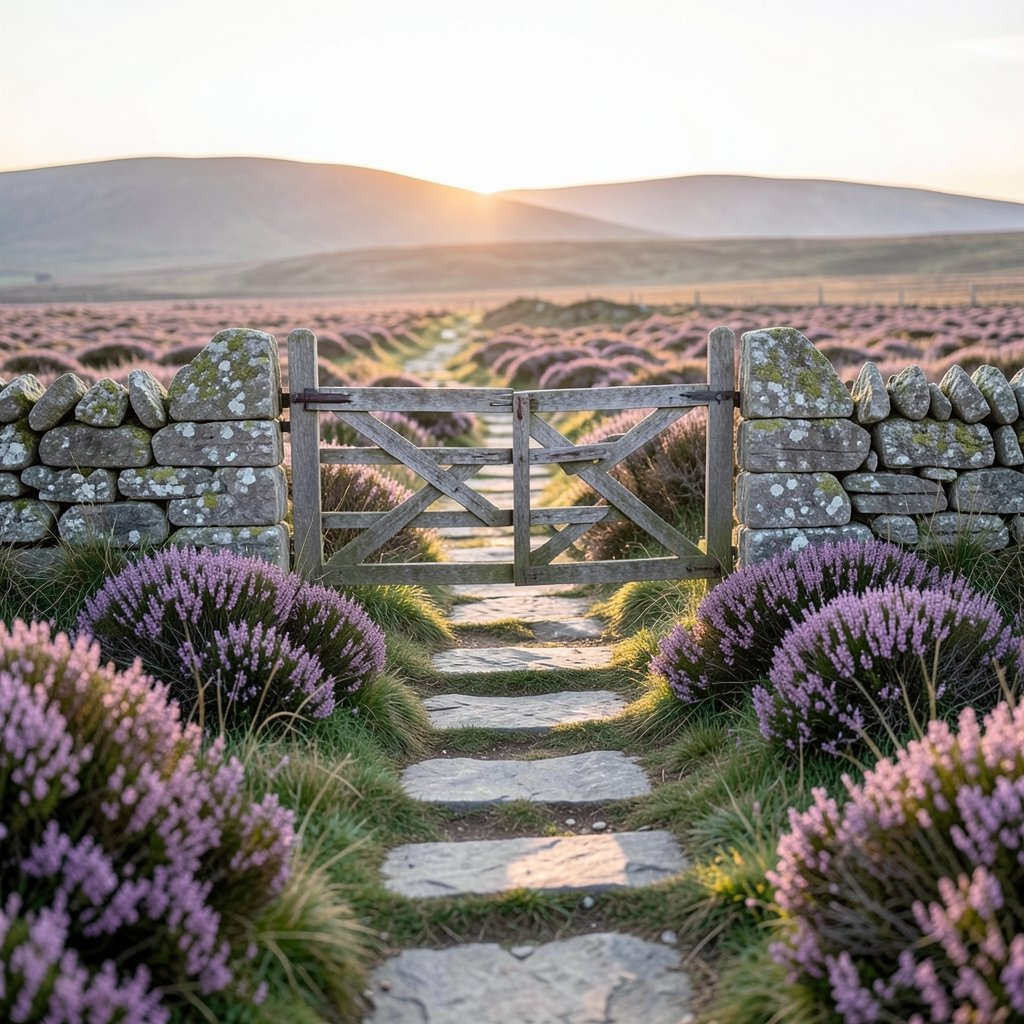
The CROW Act did not open all private land. It opened specific categories, mapped area by area. The right came into force in stages, beginning in the South East in September 2004 and rolling out region by region through 2005.
What does the right let you do? Walk. That is largely it. On open access land you may walk, run, watch wildlife, and climb, but the right does not extend to cycling, horse riding, camping, or driving. Those need a public right of way, a permissive path, or the landowner’s permission.
Then come the exclusions, and they catch people out. Access land generally excludes:
- Land within 20 metres of a dwelling, so a house is not overlooked
- Gardens, parks, and land used for agriculture at the time
- Land where access is closed for land management, safety, or conservation
- Ground where a temporary restriction has been advertised
A common mistake is assuming a mapped area is open all year. Local restrictions are published and can shut a moor for shooting, lambing, or fire risk. Checking before a long drive is basic preparation, not excessive caution.
Scotland’s Model: Broader, and More Demanding
Scotland’s statutory access right is the most generous in the UK. It covers most land and inland water, and it includes activities the English right does not: cycling, horse riding, wild camping, and non-motorised passage across water.
But the Scottish model pairs the right with a matching set of duties, set out in the Scottish Outdoor Access Code. The core idea is “responsible access.” In practice that means:
- Keeping away from houses and private gardens to give people privacy
- Not disturbing livestock, and closing gates behind you
- Leaving no trace, including no litter and no damage to walls or fences
- Moving on from a spot rather than settling indefinitely near homes
The trade is deliberate. Scotland grants more freedom and expects more judgement in return. Visitors who treat the code as optional are the reason restrictions get tightened for everyone else.
Nordic Allemansrätten: Freedom With Manners
The Nordic right of public access is often described as the freedom to roam, but it is better understood as a freedom to roam respectfully. You may walk, ski, camp for a night or two, and pick berries and mushrooms on land you do not own. You may not disturb, damage, or profit from what you take.
The Swedish Environmental Protection Agency frames it as a right balanced by responsibilities. Two rules do most of the work: do not disturb, and do not destroy. Camping near someone’s home, lighting fires in dry conditions, or stripping a berry patch all breach that balance.
For anyone planning a trip, the practical lesson is that “freedom” in the Nordic sense is a cultural contract as much as a legal one. Locals will usually forgive a visitor who asks; they will not forgive one who assumes.
Why Access to the Outdoors Matters Beyond Recreation
The case for access is not only about leisure. Physical activity outdoors is tied to better physical and mental health, and public health guidance consistently recommends regular movement. Systematic reviews link time in green space with improved mental wellbeing, though the size of the effect varies and researchers still argue about causation.
There is also an equity story. Access to green space is unevenly distributed by income and ethnicity in the UK. The people who would benefit most from a nearby park or path are often the least likely to have one. That turns freedom outdoors from a leisure topic into a public policy one: footpaths, bus routes, and safe routes to green space all matter as much as the legal right itself.
There is a financial dimension too. Getting outdoors regularly is one of the cheapest routes to something like financial freedom from expensive leisure habits, which is part of why walking and wild camping have grown in appeal as budgets tighten.
Where the Right Stops: Limits That Surprise People
Every access regime has boundaries, and knowing them keeps a good day from turning into a bad one.
| Jurisdiction | What the right covers | Key limits |
|---|---|---|
| England and Wales | Walking on mapped open country and common land | No cycling, camping, or horse riding; 20m buffer around dwellings; seasonal closures |
| Scotland | Most land and inland water, including cycling and wild camping | Responsible access duties; privacy of homes; livestock and leave-no-trace rules |
| Sweden, Norway, Finland | Walking, camping, foraging on private land | Must not disturb or damage; fires and proximity to homes restricted |
| United States | Federal lands under agency rules | Fees, permits, seasonal closures, and rules that vary by agency |
Two more limits apply almost everywhere. First, liability and safety: access land is not maintained like a theme park, and walkers accept ordinary countryside risks. Second, wildlife and land management: ground-nesting birds, lambing, and fire risk are legitimate reasons for closure, and they are usually temporary.
A frequent beginner mistake is arriving without checking the local rules, then blaming the landowner when a gate is locked. A five-minute check on the relevant authority’s page saves the trip.
How to Use Your Access Well: Practical Habits
Freedom outdoors works best when visitors treat it as a two-way arrangement. These habits cover most of it.
- Check before you go. Confirm whether the land is access land, a public right of way, or permissive, and whether a restriction is in force.
- Know what your right allows. Walking is not cycling. A right of access on foot does not become a right to ride.
- Give homes a wide berth. The 20-metre rule in England and Wales exists for a reason, and the Scottish code asks for the same courtesy.
- Close gates, keep dogs under control, and take litter home. Livestock worrying is the fastest way to lose goodwill.
- Plan your exit. Parking, last buses, and daylight are the three things people underestimate most.
- Leave the place better than you found it. Carry out what you carried in, and report damage rather than walking past it.
Beyond the mechanics, access is about sensory experience as much as distance covered. That is why small rituals matter: a flask, a decent pair of boots, and something that makes the outdoors feel like a place to settle rather than pass through. Some walkers carry reed diffusers in a campervan or cabin to make a simple base feel like home after a day on the hill. It is a small thing, but comfort is part of what makes people return to the outdoors rather than treat it as a one-off.
The England Coast Path and Long-Distance Access
One of the biggest access projects in recent UK history is the England Coast Path, created under the Marine and Coastal Access Act 2009. It is a long-distance walking route around the English coast, accompanied by a “spreading room” of coastal margin where people may walk. It has been delivered in stretches rather than all at once, and completion status is worth checking before planning a continuous route. The principle is significant: access is being designed into the landscape rather than left to chance.
Long-distance routes change behaviour. They make multi-day walking normal, support local businesses, and give people a reason to plan trips they would not otherwise take. They also concentrate pressure on sensitive habitats, which is why coastal margin rules include wildlife protections.
Access, Identity, and Who Feels Welcome
Legal rights do not automatically create belonging. Research and official surveys in the UK have repeatedly found that some groups visit the countryside far less than others. Cost, transport, confidence, and the sense of “is this place for me?” all play a part.
That matters to anyone who cares about the outdoors, including policymakers. Practical inclusion looks like:
- Routes that start from towns and are reachable by public transport
- Clear signage and honest difficulty ratings
- Paths that work for wheels, sticks, and small legs
- Programming that introduces beginners without assuming expensive kit
Hair and grooming come up more than people expect, especially for Black walkers with coily textures planning multi-day trips. Practical advice on caring for 4c hair under a hat, in wind, and without a full bathroom is the kind of small, specific knowledge that makes a trip feel possible rather than daunting. Freedom outdoors is built from these details as much as from statutes.
The Future of Outdoor Freedom
Three pressures will shape access over the next decade.
The first is land use. Tree planting, rewilding, solar farms, and housing all change what land is available and how it is managed. Access has to be planned into these changes rather than added afterwards.
The second is climate. Hotter, drier summers bring fire restrictions and temporary closures. Access rights will increasingly be exercised alongside seasonal limits.
The third is data. Maps, apps, and live restriction notices make it easier than ever to know where you stand. That cuts both ways: it helps responsible visitors and it concentrates crowds in the same well-publicised spots.
The likely direction is more access, more conditions, and more emphasis on responsible use. The Nordic and Scottish models, which pair rights with duties, point the way.
Conclusion
Freedom outdoors is not one law but a layered arrangement of statutes, customs, and courtesies. England and Wales grant a walking right over mapped open country. Scotland grants a broader right balanced by a detailed code. The Nordic countries grant access to private land on the understanding that visitors cause no harm. The United States offers access through agency rules that vary from place to place.
What ties these together is a simple idea: access is a relationship, not a transaction. The right matters, but so does how it is used. Check before you go, know what your right actually allows, give homes and livestock space, and leave the ground as you found it. Do that, and the freedom stays open for the next person. Ignore it, and the restrictions that follow will be blamed on everyone who walks.
Frequently Asked Questions
Can I walk anywhere I like in England and Wales?
No. The right of access applies to mapped open country, such as mountain, moor, heath, and down, plus registered common land. It does not cover all private land, and it excludes things like gardens, land within 20 metres of a dwelling, and areas closed for land management or safety.
What is the difference between the English and Scottish access rights?
Scotland’s right is broader. It covers most land and inland water and includes cycling, horse riding, and wild camping, provided access is taken responsibly under the Scottish Outdoor Access Code. England and Wales limit the right largely to walking on defined access land.
Can I camp wild under a right to roam?
In Scotland, yes, within the responsible access rules and away from homes and enclosed fields. In England and Wales, the CROW right does not include camping, so you need the landowner’s permission or a designated site. In Nordic countries, a night or two of wild camping is generally accepted if you do not disturb anyone.
What does allemansrätten actually allow?
It allows walking, skiing, camping for a short period, and foraging for berries and mushrooms on land you do not own. It does not allow disturbing people, damaging property, lighting fires carelessly, or taking things to sell. The exact legal basis differs between Sweden, Norway, and Finland.
Do I need permission to cycle or ride a horse on access land?
In England and Wales, yes, unless there is a bridleway, a permissive route, or the landowner agrees. The open access right is on foot. In Scotland, cycling and horse riding are included in the statutory right where they are done responsibly.
Is the outdoors really free if I have to travel to reach it?
That is the honest tension. The legal right costs nothing, but transport, time, and confidence are real barriers. Access to green space is unevenly distributed, which is why paths that start near towns and routes reachable by public transport matter as much as the right itself.









