


What do athlete’s foot, a stubborn toenail, a yeast infection, and a life-threatening hospital outbreak have in common? They all trace back to the same corner of biology: the fungus. Fungi are everywhere, and most of the time they leave people alone. But when the wrong fungus meets the wrong body, the result is a fungal infection, and the story gets far more interesting, and far more serious, than most people expect.
This guide separates the organism from the illness, walks through the main types of infection, explains who is most at risk, and covers what actually works in practice. It also looks at why drug resistance and slow diagnosis have pushed some fungi onto global health priority lists.
Fungus vs. Fungal Infection: What’s the Difference?
The words get used interchangeably, but they mean different things. A fungus is the organism itself, a living thing from its own kingdom, separate from plants, animals, and bacteria. A fungal infection, also called a mycosis, is the disease that happens when a fungus grows on or inside a body and causes harm.
That distinction matters because fungi are not rare invaders. They live on skin, in soil, on shower floors, and in the air. Most encounters end with nothing at all. A mycosis only develops when conditions favor the fungus, such as warmth, moisture, a break in the skin, or a weakened immune system.
Medical sources group mycoses into three broad buckets:
| Type | Where it happens | Typical examples |
|---|---|---|
| Superficial | Skin, hair, nails, mucous membranes | Ringworm, athlete’s foot, yeast infections |
| Subcutaneous | Deeper skin layers after a wound | Infections from soil or plant material |
| Systemic or invasive | Internal organs, blood, lungs | Invasive aspergillosis, candidemia |
The first group is common and usually treatable at home or in a clinic. The third group is where the real danger sits.
The Scale of the Problem
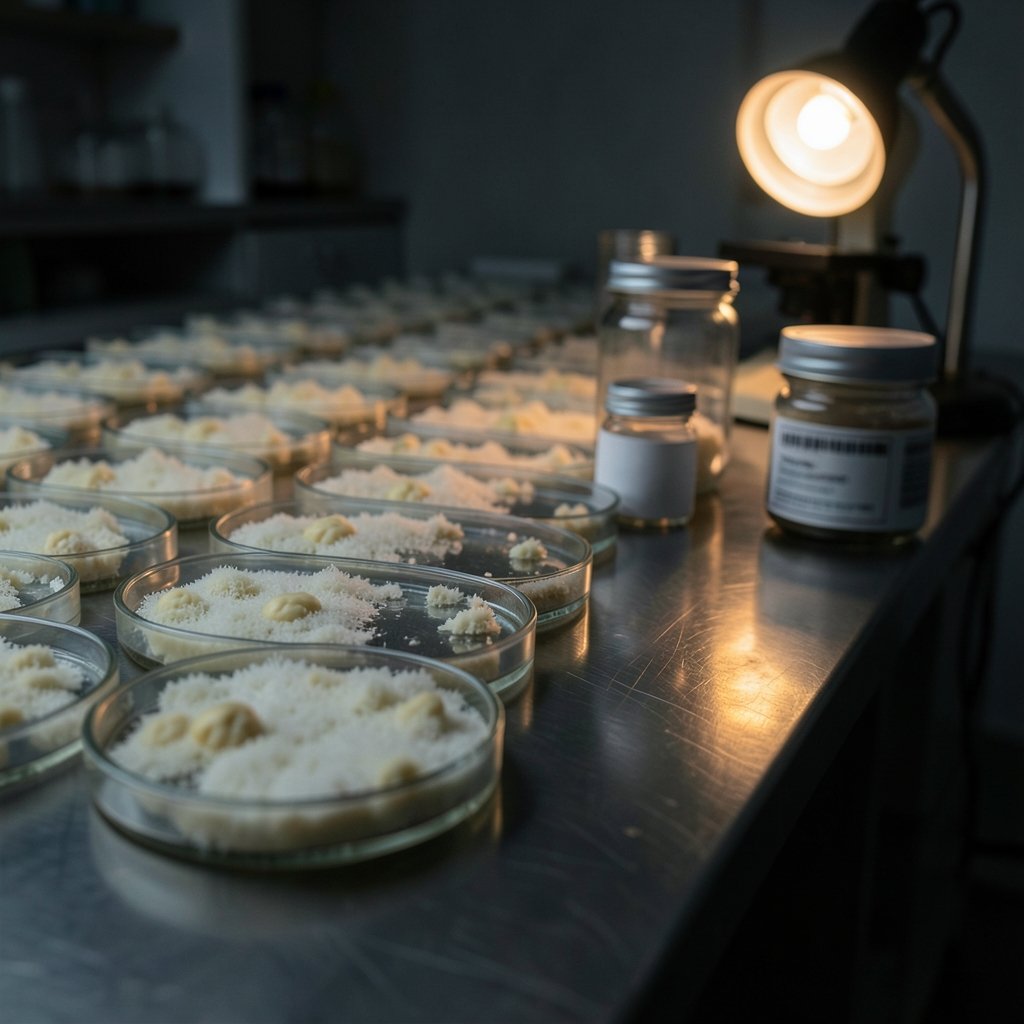
Serious fungal disease is not a niche concern. Estimates published around 2017 put annual deaths from serious fungal infections at roughly 1.5 to 1.7 million, with more than 150 million people affected by significant fungal disease worldwide. Those figures are modelled estimates rather than registry counts, so treat them as a signal of scale rather than a precise tally.
At the milder end, the numbers are also huge. Dermatophyte infections, the group behind ringworm and athlete’s foot, and vulvovaginal candidiasis, the common yeast infection, rank among the most frequent infections in the world. A long-standing estimate holds that around 75 percent of women experience at least one episode of vulvovaginal candidiasis in their lifetime.
So the picture is layered. Most people will meet a fungus that causes a nuisance. A much smaller group will face something that threatens their life.
Common Superficial Infections: The Everyday Mycoses
These are the ones people recognize, and often misdiagnose.
Ringworm and athlete’s foot. Despite the name, no worm is involved. These are dermatophyte infections, fungi that feed on keratin in skin, hair, and nails. They love warmth and damp. Shared showers, sweaty shoes, and tight clothing all help them spread.
Vulvovaginal candidiasis. Usually caused by Candida albicans, this yeast infection produces itching, irritation, and discharge. It is common, treatable, and prone to recurrence in some people.
Nail fungus. Slow, stubborn, and often cosmetic at first. It can take months of treatment to clear because nails grow slowly and the fungus sits underneath them.
What actually works in practice
Experience from clinics points to a few practical truths. First, moisture control beats almost everything else. Drying feet thoroughly, changing socks, and rotating shoes do more than most people credit. Second, treating the visible patch is not enough. Dermatophytes spread outward with a fading center, so the affected area is usually larger than it looks, and treatment should cover a margin beyond the visible edge. Third, stopping treatment the moment symptoms fade is the most common mistake. The fungus is often still there, and it comes back.
For hair and scalp involvement, which is common with 4c hair textures where close curls trap moisture and make topical application harder, oral treatment is often needed rather than creams alone. Scalp ringworm rarely clears with shampoo or lotion by itself.
When Fungi Get Dangerous: Invasive Mycoses
Invasive fungal infections are a different animal. They occur when fungi reach deep tissue, usually in people whose defenses are down.
The highest-risk groups include people with prolonged neutropenia (low white blood cell counts), stem-cell or solid-organ transplant recipients, and people with advanced HIV. In these patients, a fungus that would normally be brushed off can establish itself in the lungs, bloodstream, or sinuses.
Invasive aspergillosis is a leading example. It is caused by Aspergillus species, molds that are inhaled constantly from the air without consequence in healthy people. In a vulnerable host, the same spores can grow into lung tissue.
The COVID-19 pandemic added a new chapter. Reports from 2020 and 2021 described COVID-19-associated pulmonary aspergillosis, known as CAPA, in critically ill patients. In India during the 2021 Delta wave, cases of mucormycosis, sometimes called “black fungus,” surged. Incidence estimates vary widely depending on how cases were defined, which makes comparison between countries difficult.
Candida auris: The Hospital Fungus That Worries Experts
If one fungus has changed how hospitals think about infection control, it is Candida auris.
First described in 2009 in Japan, C. auris spread to dozens of countries within about fifteen years. It has three properties that make it a serious problem:
- It is hard to identify with standard laboratory methods and is easily mistaken for other yeasts.
- It often resists multiple antifungal drugs.
- It spreads readily in healthcare settings, surviving on surfaces and equipment.
For hospitals, this means screening, cleaning, and careful lab work matter as much as prescribing. For the public, it is a reminder that fungal infections are not only a personal hygiene issue. They are an infection-control issue.
Why Drug Resistance Is Rising
Antifungal resistance is one of the quieter crises in medicine. Fungi adapt, and some of the pressure comes from outside the clinic entirely.
A well-documented example involves azole-resistant Aspergillus fumigatus, linked to the use of agricultural fungicides. The causal link is well supported, though the exact size of the clinical burden remains uncertain. In plain terms: the same chemical families used to protect crops are related to the drugs used to treat people, and fungi exposed in fields can arrive at the hospital already resistant. (The row)
The main antifungal classes in use are:
- Azoles, the largest group and the one most affected by resistance
- Echinocandins, often used in hospital settings
- Polyenes, including amphotericin B
- Pyrimidine analogues, such as flucytosine
Each has limits, side effects, and specific uses. When resistance develops to one, options narrow fast.
The Diagnosis Gap
Here is a problem that rarely makes headlines: finding the fungus is often harder than treating it.
Culture and microscopy, the traditional methods, are slow and can miss infections. Antigen tests such as galactomannan and beta-D-glucan, along with PCR, help, but availability and performance vary widely between settings. In many parts of the world, the tests simply are not there.
This gap has real consequences. A delayed diagnosis means delayed treatment, and invasive fungal infections move quickly. Global health bodies have flagged lack of access to diagnostics as a major weakness in how the world handles fungal disease, alongside resistance.
The WHO Priority Pathogen List
In October 2022, the World Health Organization published its first list of fungal priority pathogens, grouping 19 fungi into critical, high, and medium priority tiers. Candida auris and Aspergillus fumigatus were among those in the critical group.
The list did something important: it treated fungal disease as a public health priority rather than a specialist curiosity. It also highlighted the twin problems of resistance and diagnostic access, and called for more research into new treatments.
Who Should Pay Attention
Not everyone needs to worry equally. Risk falls into rough tiers.
| Risk level | Who | What to watch |
|---|---|---|
| Low | Healthy adults | Athlete’s foot, ringworm, occasional yeast infections |
| Moderate | People with diabetes, weakened skin barriers, or repeated infections | Slow-healing skin and nail infections |
| High | Transplant patients, people with prolonged neutropenia, advanced HIV | Fever without clear cause, lung symptoms, sinus problems |
For the high-risk group, a fever that does not respond to antibiotics should prompt a fungal workup. That is a conversation worth having with a clinician early. (2b hair)
Practical Habits That Genuinely Help
Prevention advice is often vague, so here is what tends to hold up.
Keep skin dry where it folds and where shoes trap sweat. Moisture is the single biggest friend of superficial fungi.
Do not share towels, socks, or nail clippers with someone who has an active infection. Dermatophytes travel on objects as easily as on skin.
Treat the full course. Half-finished treatment is the most reliable way to get a recurrence.
Check the scalp as well as the visible patch when hair loss or scaling appears, especially with tight curl patterns like 4c hair, where the scalp is harder to inspect and moisture lingers.
Watch for patterns. Repeated yeast infections, infections that will not clear, or skin problems that keep returning in the same spot deserve a proper look rather than another over-the-counter cream.
One more practical note: many people treat a rash with a steroid cream first. That can quiet the redness while letting a fungus spread underneath, a pattern sometimes called tinea incognito. If a rash gets worse after steroid treatment, fungus should be on the list of suspects.
Conclusion
Fungi are not going away, and they are not all villains. Most live quietly alongside people, and most fungal infections are annoying rather than dangerous. But the same kingdom that causes an itchy foot can also cause an outbreak in an intensive care unit. The difference lies in the host, the species, and how quickly someone recognizes what is happening.
The practical takeaway is simple. Take moisture and hygiene seriously. Finish treatments. Pay attention when infections keep returning or when a fever will not break in someone vulnerable. And remember that the gap between a nuisance and a crisis is often just a diagnosis made too late. Understanding that gap is what turns a vague worry about “fungus” into useful knowledge about fungal infection.
Frequently Asked Questions
What is the difference between a fungus and a fungal infection?
A fungus is the organism, a living thing in its own biological kingdom. A fungal infection, or mycosis, is the disease that occurs when that organism grows on or inside the body and causes harm. Many fungi live harmlessly on skin and in the environment, so the presence of a fungus does not automatically mean an infection.
Are fungal infections contagious?
Many superficial ones are. Ringworm, athlete’s foot, and similar dermatophyte infections spread through direct skin contact and shared items like towels, shoes, and clippers. Others, including most invasive fungal infections, are not passed person to person and instead arise from fungi in the environment, often in people with weakened immune systems.
Why is Candida auris considered so dangerous?
Candida auris is hard to identify with standard lab methods, frequently resistant to multiple antifungal drugs, and spreads easily in healthcare settings by surviving on surfaces and equipment. That combination makes it difficult to detect, difficult to treat, and difficult to contain once it appears in a hospital.
Can fungal infections be prevented?
Many superficial infections can be reduced with simple habits: keeping skin dry, especially in skin folds and inside shoes, avoiding shared personal items, and treating infections fully rather than stopping when symptoms fade. For people at high risk of invasive disease, prevention depends more on medical care, including monitoring and early testing during periods of immune suppression.
When should someone see a doctor about a possible fungal infection?
A clinician visit makes sense when an infection keeps returning, does not improve with standard treatment, or worsens after steroid cream is applied. For people with weakened immune systems, a fever without an obvious cause, persistent lung symptoms, or sinus problems should prompt early assessment, because invasive fungal infections progress quickly.
Is antifungal resistance a real concern?
Yes. Resistance to antifungal drugs is rising, and azole-resistant Aspergillus fumigatus has been linked to agricultural fungicide use. Because the number of antifungal drug classes is limited, resistance narrows treatment options quickly. Global health bodies have named resistance and poor access to diagnostics as two of the biggest gaps in managing fungal disease.









