

What vehicle weighs about as much as a large motorcycle, tops out slower than a lawnmower on a good day, and still causes thousands of emergency room visits a year? If you guessed the golf cart, you’re right. These humble little machines have quietly escaped the fairway and turned into a genuine transportation category, and that shift has created a mess of confusing rules, safety debates, and buying decisions. This guide sorts through the practical side of golf carts: what they actually are, how the law treats them, what to look for on a test drive, and the mistakes that catch first-time owners off guard.
What Counts as a Golf Cart, Exactly?
A golf cart is a small, low-speed vehicle built to carry golfers and their bags around a course. That’s the simple definition. The complicated part starts when you take one off the course.
Terminology matters more than most buyers realize. “Golf cart,” “golf car,” “low-speed vehicle” (LSV), and “neighborhood electric vehicle” (NEV) get used interchangeably in casual conversation, but regulators treat them differently. In the United States, a cart that has been modified and registered to meet federal low-speed vehicle requirements is legally a different animal from the stock cart sitting in a club’s storage barn. The federal safety standard for low-speed vehicles, known as Federal Motor Vehicle Safety Standard No. 500, took effect on June 17, 1998. Stock golf carts are generally excluded from that standard unless they’re modified or registered as LSVs.
That distinction has real consequences. An LSV typically needs lights, mirrors, seat belts, and a windshield that meets specific requirements. A plain course cart often has none of that. Buyers who assume the labels are interchangeable sometimes discover at the DMV that their new purchase can’t legally touch a public road.
The Two Power Families
Carts split into two broad groups:
| Feature | Battery-electric | Gasoline |
|---|---|---|
| Typical use | Courses, campuses, quiet neighborhoods | Hilly terrain, long shifts, remote sites |
| Refueling | Plug-in charging | Fuel can or pump |
| Noise | Near silent | Audible engine |
| Maintenance | Fewer moving parts, battery care matters | Engine servicing, oil, filters |
| Best for | Short, predictable routes | Extended run times without charging access |
Historically, lead-acid batteries dominated. Lithium-ion packs have become increasingly common because they charge faster and weigh less, though they cost more upfront. Neither is automatically “better” — it depends on how far you drive in a day and whether you have reliable charging where the cart sleeps.
How Fast Do Golf Carts Actually Go?

Most golf carts are governed to low speeds, commonly somewhere around 15 to 25 mph (roughly 24 to 40 km/h), depending on the class of vehicle and the jurisdiction. That governor isn’t a suggestion. It’s often a legal dividing line. Cross it, and your cart may stop being a golf cart in the eyes of the law and start being something that needs registration, insurance, and a licensed driver.
Practical tip: if a seller brags that the cart “does 30 easy,” ask what paperwork comes with it. A modified cart without the right registration can be a headache to insure and a liability on public roads.
Where Can You Legally Drive One?
This is where things get genuinely messy, because there is no single national rule in the United States. Many states allow golf carts on roads with speed limits at or below roughly 25 mph, but almost always with strings attached: local ordinances, permits, equipment requirements like lights, mirrors, and seat belts, and sometimes restrictions on hours or road types.
In the European Union, the picture is equally layered. Depending on speed and mass thresholds, a cart may fall under type-approval rules for L-category vehicles, or it may be treated as something else entirely, such as non-road machinery. That ambiguity is a known pain point for importers and buyers.
What does this mean in practice? Before buying, do three things:
- Call your local roads authority and ask specifically about golf cart ordinances on the streets you plan to use.
- Ask your insurer whether the cart is covered for road use, driveway use, or neither.
- Get any permit requirements in writing before money changes hands.
Skipping step one is the single most common mistake new owners make. A cart that’s perfectly legal two towns over can be illegal on your own street.
The Safety Story Nobody Expects
Here’s the uncomfortable part. Golf carts feel harmless. They’re slow, open, and friendly-looking. That combination is exactly why injuries happen.
Carts are associated with injuries, especially rollovers and falls, and children and older adults are among the affected groups. Public safety data has tracked cart-related injuries over the years. The pattern makes sense once you think about it: an open vehicle with no doors, no crumple zone, and often no seat belts, driven by people who may never have operated anything more complex than a bicycle.
A few habits that genuinely reduce risk:
- Wear seat belts if fitted. Open-sided vehicles eject passengers in turns far more easily than cars do.
- Keep arms and legs inside. Sounds like advice for a roller coaster. It applies here too.
- Slow down before turns. Carts are light and top-heavy with passengers aboard; rollovers usually start with a sharp turn at speed.
- Don’t let kids drive unsupervised. The controls are simple, which is precisely the problem.
- Avoid steep slopes sideways. Go straight up or down, never across.
If you’re hauling passengers with limited mobility or young children, treat the cart like a vehicle, not a toy. That mental shift alone prevents a lot of bad afternoons.
Buying a Golf Cart: New, Used, or Rented?
The market splits into three paths, and each suits a different buyer.
New carts come with warranties, current battery technology, and dealer support. The trade-off is price and depreciation. If you need reliability and have the budget, this is the low-stress route.
Used carts are where the deals live, and also where the traps hide. Battery condition is the big one. A lead-acid pack nearing the end of its life can cost a significant chunk of the cart’s value to replace, so a cheap cart with tired batteries isn’t cheap at all. Ask for the battery age, test the cart under load (uphill if possible), and check the charger works before you commit.
Rentals and shared course carts make sense for occasional players. If you play a handful of rounds a year, owning is mostly a storage and maintenance hobby.
A quick inspection checklist for used carts:
- Battery age and type, plus charger function.
- Tire wear, especially uneven patterns that hint at alignment issues.
- Brake feel, including the parking brake on a slope.
- Frame rust, particularly around the battery tray.
- Lights, horn, and any accessories wired into the electrical system.
- Serial plate and paperwork, so registration isn’t a surprise later.
Care and Grooming Habits That Transfer
Golf cart owners tend to be detail-oriented about upkeep, and the same instincts show up in other niche communities. People who obsess over clean lines and healthy texture in their 2b hair routine, for instance, understand the value of a consistent maintenance schedule over occasional frantic fixes. Carts reward the same discipline: water the batteries on schedule, keep terminals clean, store the cart under cover, and it will outlast one that gets attention only when something breaks. Owners of 4c hair know all about protective routines and patience with long-term care, and battery packs ask for similar patience — you don’t revive a neglected pack in an afternoon.
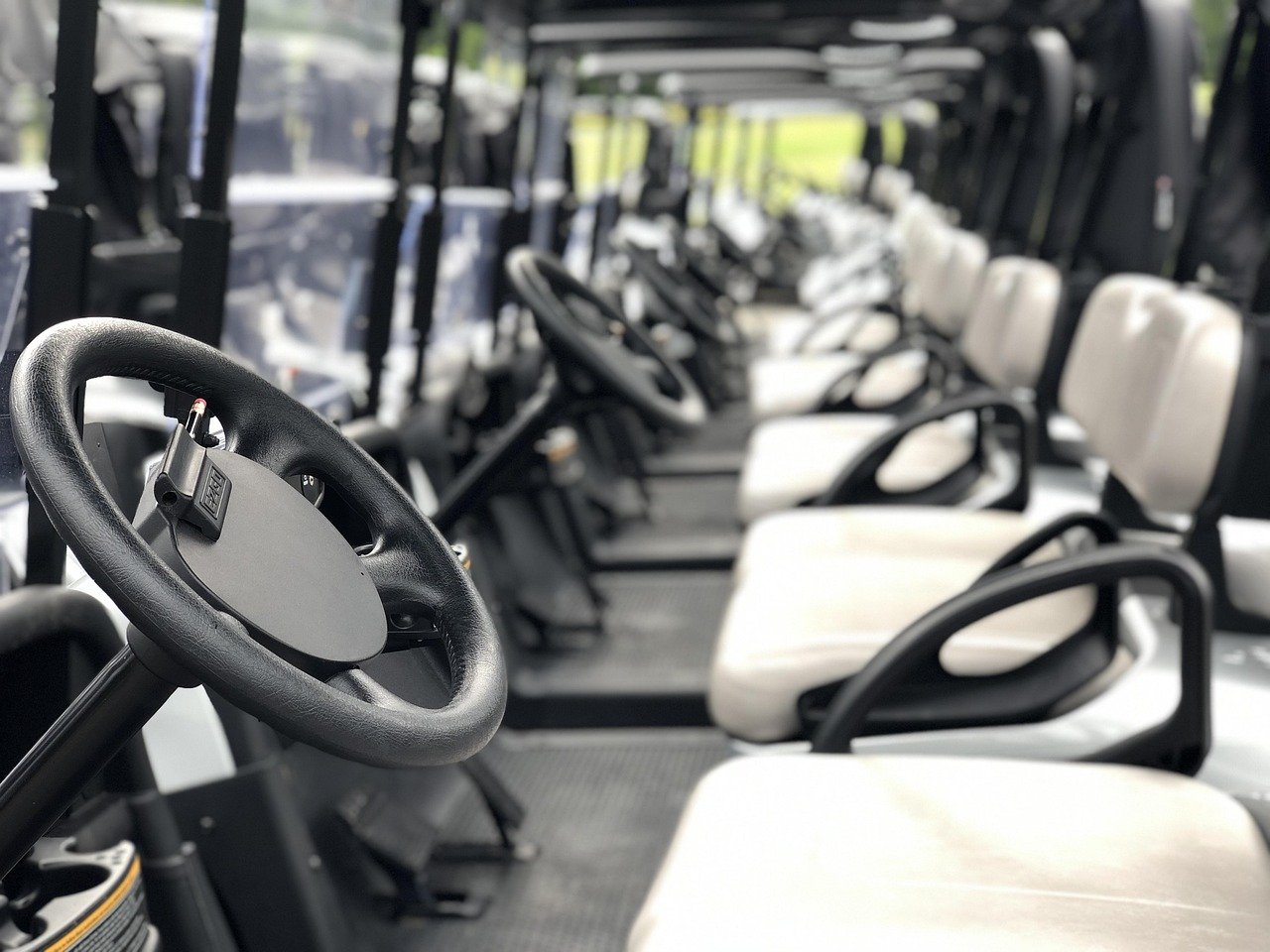
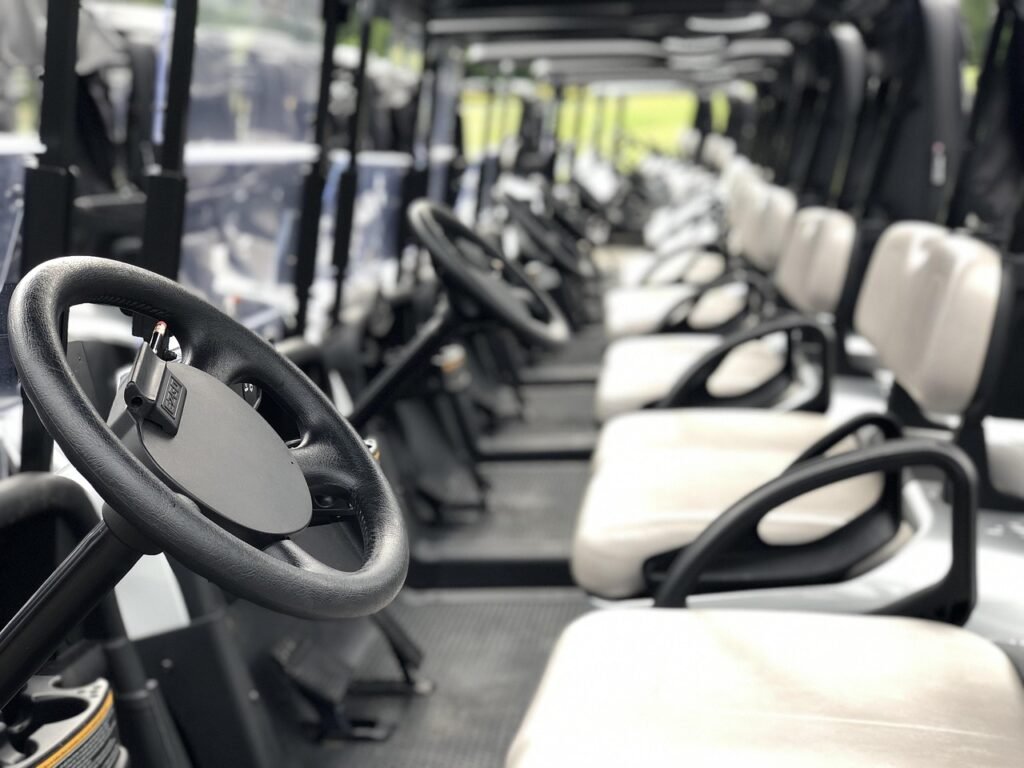
There’s also a social side. On courses and in neighborhoods, carts line up in informal convoys, and the etiquette of the row — who parks where, who yields, who plugs in first at the shared charger — matters more than newcomers expect. Ask about charging arrangements before you buy into a community with shared facilities.
Golf Cart vs. Car: A Quick Comparison
| Factor | Golf Cart | Passenger Car |
|---|---|---|
| Typical top speed | About 15–25 mph | 70+ mph |
| Road legality | Restricted; local rules apply | Broad, with licensing |
| Safety equipment | Minimal on stock carts | Extensive, regulated |
| Best use | Short trips on controlled routes | General transport |
| Licensing | Often none required on private land | License and registration standard |
The takeaway isn’t that carts are dangerous cars. It’s that they’re a different category entirely, and treating them like miniature cars is where expectations go wrong.
Frequently Asked Questions
Do you need a license to drive a golf cart?
It depends entirely on where you drive it. On private property, such as a course or your own land, licensing is usually not required. On public roads, many jurisdictions require a valid driver’s license, and some require registration, insurance, and equipment like lights and mirrors. Local ordinances vary widely, so confirm with your roads authority before assuming.
How fast can a golf cart legally go?
Most carts are governed to roughly 15 to 25 mph depending on class and jurisdiction. Many US states permit carts on roads with speed limits around 25 mph or lower, often with conditions. If a cart is modified to exceed local limits, it may need to be registered as a low-speed vehicle instead. (2b hair)
How long do golf cart batteries last?
It varies with chemistry and care. Lead-acid packs generally need replacement sooner than lithium-ion packs, and neglect — deep discharges, dry cells, dirty terminals — shortens life considerably. Regular watering of lead-acid batteries and consistent charging habits make the biggest difference.
Are golf carts safe for kids?
They carry real risk. Rollovers and falls are common injury patterns, and children are among the affected groups. If children ride, use seat belts where fitted, keep speeds low, and never let young kids drive unsupervised. An open vehicle offers no protection in a collision.
Can you drive a golf cart on public roads?
In many places, yes, but with conditions. Common requirements include local ordinances or permits, speed limits on the road (often around 25 mph or lower), and safety equipment. Some states and municipalities prohibit them entirely on certain roads. There is no single national rule in the US, and the EU treats carts under type-approval rules that depend on speed and mass.
What’s the difference between a golf cart and an LSV?
A golf cart is designed for course use and is generally excluded from federal low-speed vehicle standards unless modified or registered. An LSV is a regulated class of vehicle that must meet specific equipment requirements, including lights, mirrors, and seat belts. The labels are not interchangeable, and the difference determines where and how you can legally drive.
Conclusion
The golf cart is a small machine with an outsized ability to confuse people. It’s a course vehicle, a neighborhood runabout, a regulated low-speed vehicle, and a genuine safety concern, all depending on context. The buyers who end up happy are the ones who ask boring questions first: What are the local rules? What condition are the batteries in? Who insures this thing, and for what use?
Get those answers before you hand over money, and the cart becomes what it’s supposed to be — a slow, simple, genuinely useful way to get from one place to another. Skip them, and you may find yourself with an expensive lawn ornament that isn’t even legal to drive to the mailbox.









