



Can gray hair actually go platinum, or is that a fast track to a head full of breakage? It is one of the most common questions colorists hear from clients who have watched their natural silver come in and wondered whether they could push it all the way to that icy, near-white platinum they see on magazine covers. The short answer: yes, it is possible, but gray hair platinum is a very different job from platinum on dark brown hair, and the difference matters more than most people realize.
This guide walks through what platinum really means on gray hair, why the process is gentler than many people fear in some ways and riskier in others, how toning works, and the practical mistakes that turn a dream shade into a repair bill.
What “platinum” actually means in hair color terms
In professional color, platinum refers to the lightest blonde level, roughly a level 10 on the 1-to-10 scale colorists use. At that level, the hair has been lightened until almost all pigment is gone, then toned to a cool, near-white shade. The scale itself is a professional convention rather than a formal standard, and exact definitions shift between brands and educators, but the core idea is consistent: platinum is the palest end of blonde, and it leans cool rather than warm.
When people say gray hair platinum, they usually mean one of two things. Either platinum color applied over hair that is already gray or white, or a platinum shade used to blend gray roots and silver strands into one seamless, cool-toned result. Both are achievable, but they call for different techniques. Blending gray is mostly a toning and maintenance job. Turning gray hair into full platinum is more about refining what is already there.
Why gray hair behaves differently under color
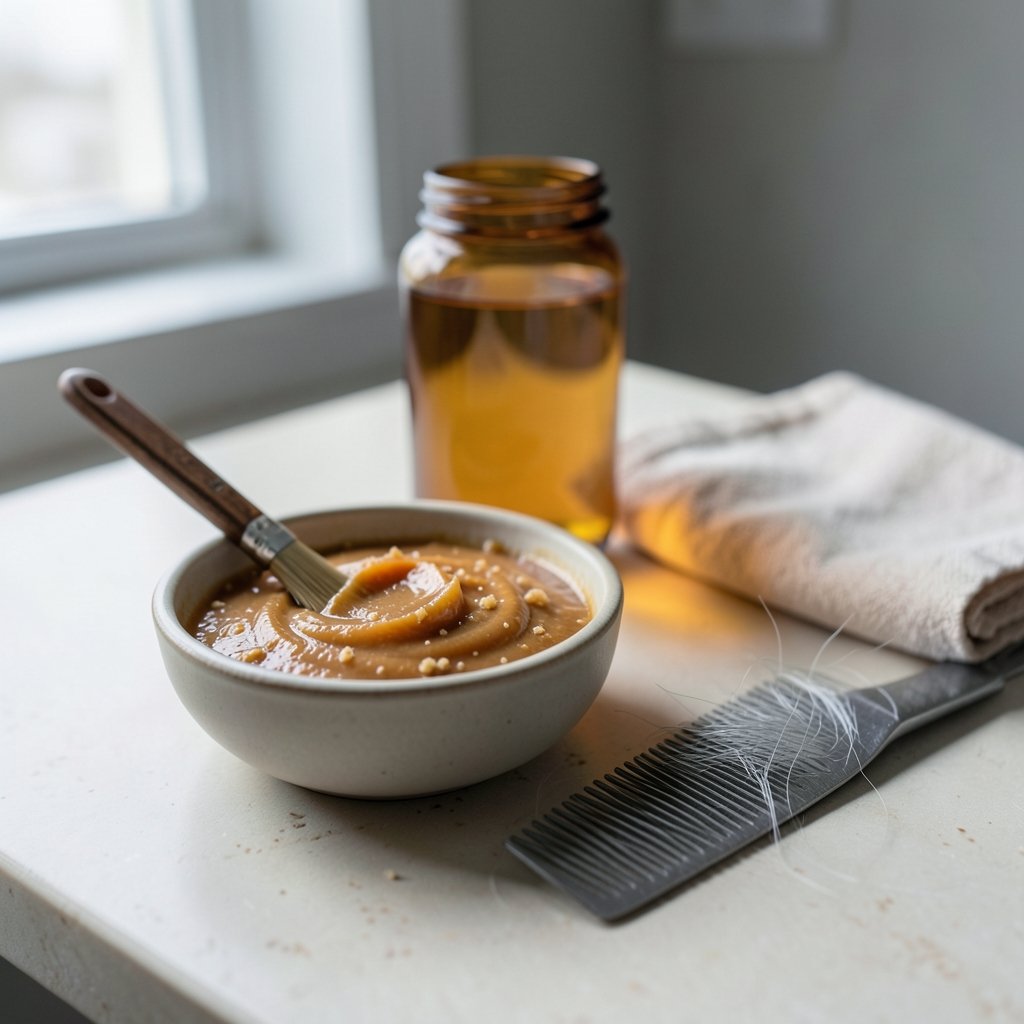
Gray hair is brown hair without pigment, and its structure changes as melanin fades. Hair tends to lose tensile strength and elasticity, and it often feels coarser or drier. Dermatology literature on graying describes these structural changes consistently, though exact measurements vary from study to study.
That matters for platinum because the usual platinum process relies on heavy lightening. On gray hair, the goal is usually toning rather than bleaching. The pigment is already largely gone, so there is little to lift. Over-processing gray hair with strong lightener is one of the most common ways people end up with snapped ends and a texture that feels like straw.
Here is the practical difference in plain terms:
| Situation | Typical approach | Main risk |
|---|---|---|
| Gray hair going platinum | Gentle lift if needed, then toner | Over-toning or banding |
| Dark hair going platinum | Multiple lightening sessions | Breakage, scalp irritation |
| Gray blending | Toner or semi-permanent color | Brassiness, uneven tone |
| Salt-and-pepper to platinum | Strategic lightening plus toner | Patchy result if rushed |
The takeaway is that gray hair often needs less lightening than people expect, but more care. A colorist who treats silver hair like dark hair and applies a full-strength bleach will cause damage that takes months to grow out. If you are planning around a color appointment, it helps to think about timing the way you would plan hair transplant recovery around a big event: give yourself a buffer, not a deadline.
The toning step is where platinum is actually made
Most of the magic in gray hair platinum happens in the toner, not the lightener. Platinum and silver tones are typically created with toner or semi-permanent color built on violet or blue bases to neutralize yellow, or ash bases to kill warmth. Formulations are brand-specific, so two salons using the same word may produce noticeably different results.
A few things that actually work in practice:
- Strand test first, always. A single test strand shows how your gray responds to the toner before the whole head is committed.
- Tone in stages. Going slightly warmer on the first pass and cooler on the second gives more control than one aggressive application.
- Watch the processing time. Violet toner left too long on porous gray hair can turn it lavender or muddy rather than icy.
- Match the toner to the porosity. Coarse, resistant gray grabs toner unevenly, which is exactly how banding starts.
A common mistake is chasing pure white in one appointment. Platinum that looks natural usually has a hint of cool depth left in it. That slight shadow is what keeps it from reading as a wig.
If you are also experimenting with texture while you settle on a shade, the same patience applies. Anyone weighing wavy hair types against their new color will tell you that porosity changes how both color and styling products behave.
Platinum gray vs. other cool shades
Platinum is not the only cool option, and it is not always the most flattering one. The right pick depends on your skin tone, your natural gray pattern, and how much upkeep you can tolerate.
| Shade | Depth | Upkeep | Best for |
|---|---|---|---|
| Platinum | Lightest, near-white | High | Cool undertones, full gray |
| Silver | Slightly deeper, metallic | Medium-high | Most gray patterns |
| Ash blonde | Noticeably deeper | Medium | Warm skin tones |
| Icy blonde | Between platinum and ash | Medium | First-time lightening |
Platinum sits at the top of the maintenance ladder. Roots show faster against near-white hair than against almost any other shade, and toners fade within weeks. If you want the platinum look but not the monthly salon visit, an ash or icy shade is a smarter starting point. The range of blonde hair shades is wide enough that most people can find a cool tone that suits them without going all the way to level 10.
What it costs your hair, and how to protect it
Platinum is a commitment, and the honest version is that lightening is cumulative. Color removal is not reversible. Every round of lightener takes something out of the hair, which is why professionals generally advise strand tests and gradual lightening rather than one dramatic session.
What actually helps between appointments:
- Bond-building treatments used consistently, rather than only after a big color service.
- A weekly mask rather than daily heavy conditioner. Learning how to use a hair mask properly, with the right timing and rinse, makes more difference than the price of the product.
- Sulfate-free cleansing to slow toner fade.
- Heat protection every time, because platinum hair scorches faster than pigmented hair.
- Trims on schedule. Split ends travel upward, and platinum hair has less margin for error.
Serums and leave-ins can help with the surface feel of coarse gray hair, though they will not repair the internal structure. A realistic view of hair growth serums is that they support the scalp and new growth, not the already-lightened strand. The hair you save is the hair you do not over-process in the first place.
Safety, allergies, and the rules worth knowing
Permanent hair dye carries real allergy risk, and platinum work usually involves dye at some stage. Para-phenylenediamine, or PPD, is a well-documented cause of allergic contact dermatitis from hair dye, and prevalence figures vary widely by population and study year. Dermatology bodies and regulators generally recommend patch testing before using permanent dye, especially for anyone with a history of reactions. Patch-test instructions differ between manufacturers, so follow the one on your product.
In the United States, hair dyes are regulated partly through a voluntary industry program, and certain coal-tar dyes require warning labels about possible skin irritation and allergic reactions. In the European Union, hair dye substances must be authorized under cosmetics law, and an independent scientific committee assesses ingredient safety before approval. None of this makes dye dangerous by default, but it does mean the label is worth reading rather than skipping.
A few sensible rules for anyone going platinum:
- Patch test 48 hours before, even if you have dyed your hair for years.
- Never mix brands or boosters on your own.
- Skip the DIY bleach kit on already-gray hair unless a professional has cleared it.
- Tell your colorist about any prior reaction, even a mild one.
Common mistakes that ruin a platinum result
Experience in the chair shows the same handful of errors over and over. The first is lightening gray hair that did not need it, which strips texture for no gain. The second is toning too cool too fast, which produces a flat, gray-blue cast that looks artificial in daylight. The third is ignoring the root pattern: salt-and-pepper gray lightens unevenly, and a colorist who does not map the pattern will leave patches.
The fourth mistake is maintenance denial. Platinum gray needs toning every four to six weeks and a root touch-up on a similar schedule. Anyone who books a single appointment and expects five months of perfection is setting themselves up for disappointment. The fifth is skipping the trim. Platinum shows damage faster than any other shade because there is no pigment to disguise it.
There is also a styling side to this. Platinum hair reflects light differently, and the wrong cut can make it look thin. A stylist at a hair cuttery can adjust layers and length to give fine platinum hair more movement, and hair cuttery haircuts that keep weight in the right places often do more for the look than another round of toner.
Is platinum gray right for you?
It comes down to three honest questions. How much upkeep can you realistically handle? How much warmth is left in your natural gray? And how healthy is your hair right now?
If your hair is already silver and in good condition, platinum is a realistic goal, often with minimal lightening. If your hair is fragile, previously colored, or mid-recovery from another chemical service, a staged approach over several months is the safer route. The people who end up happiest with platinum gray are usually the ones who treated it as a project rather than a single appointment.
One more practical note: if you use extensions or accessories, remove them before any color service. Knowing the right way to handle hair tinsel removal or clip-in pieces ahead of time keeps them from interfering with the toner and keeps the result even.
Conclusion
Gray hair platinum is absolutely achievable, but it rewards a different mindset than platinum on pigmented hair. The work is less about blasting out color and more about refining what is already there: a careful assessment, a gentle hand with lightener, and a toner chosen for your specific gray pattern. The shade itself is striking, and on natural silver it can look more believable than platinum ever does on dark hair, because the underlying structure is already close to the goal.
The catch is maintenance. Roots, toner fade, and porosity all demand attention on a schedule, and skipping steps shows immediately against near-white hair. Get the patch test done, book the strand test, invest in bond care and a weekly mask, and keep your trims on time. Do those things and platinum gray becomes one of the most flattering, low-drama colors a person can wear. Skip them, and it becomes an expensive lesson in why gray hair needs a gentler plan.
Frequently Asked Questions
Can you go platinum if your hair is already gray?
Yes, and in many cases it is easier than going platinum from dark brown. Gray hair has already lost most of its melanin, so the goal is usually toning rather than heavy lightening. A colorist will assess how much warmth remains and whether any gentle lift is needed before toning to a cool platinum shade.
Does platinum damage gray hair more than other colors?
Platinum itself is not the problem; over-processing is. Gray hair tends to have less tensile strength and elasticity, so it tolerates aggressive lightening poorly. When the process is limited to toning plus minimal lift, damage is usually manageable. Repeated full-strength bleaching on fragile gray hair is where breakage happens.
How often does platinum gray need maintenance?
Most people need toning every four to six weeks and a root touch-up on a similar schedule. Roots show faster against near-white hair than almost any other shade, and violet or ash toners fade with washing. Using sulfate-free shampoo and washing less often stretches the time between appointments.
Is platinum gray the same as silver or icy blonde?
No. Platinum is the lightest, closest to white. Silver sits slightly deeper with a metallic cast, and icy blonde and ash blonde are deeper still. The right choice depends on skin tone, natural gray pattern, and how much upkeep you can realistically handle.
Do you need a patch test before platinum color?
Regulators and dermatology bodies generally recommend patch testing before permanent hair dye, especially for anyone with a history of reactions. PPD, a common dye ingredient, is a well-documented cause of allergic contact dermatitis. Patch-test instructions vary by manufacturer, so follow the one on your specific product and test 48 hours ahead.
Can you do platinum gray at home?
It is possible for simple toning on already-light hair, but it is risky for anything involving lightener on gray hair. Uneven gray patterns, porosity differences, and the narrow margin between icy and muddy make home kits hard to control. A professional consultation costs less than correcting a patchy result.









