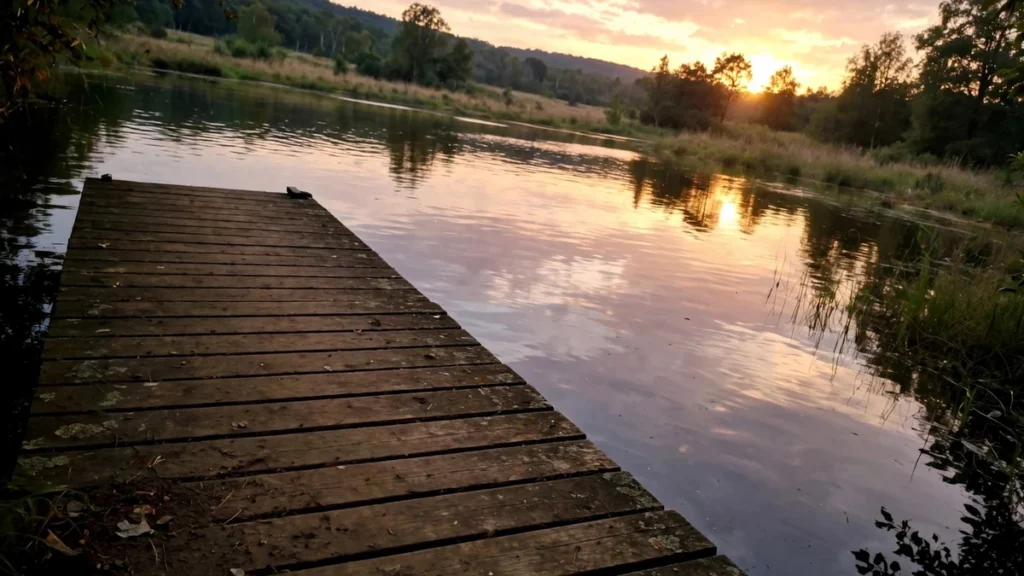
A lake escape is a short, deliberate break built around water. It is not a long holiday and it is not a city trip. It is two to five days on a lake: a morning swim, a slow lunch, a boat in the afternoon, and evenings that end early because the air is clean and the day was full.
It goes wrong in predictable ways. People pick the wrong lake for the season, or the wrong place to stay for the group, or they try to fit a lake into a schedule that was built for a city. A lake needs time to work. Arrive late, leave early, and fill every hour, and you will have seen a lake without ever having a lake holiday. The planning that matters is not complicated, but it has an order, and the order is what this guide covers.
Below are nine steps that take you from the first idea to a booked, workable lake escape in 2027, followed by the choices that matter most: which lake, where to stay, and what to pack. Each step is described by what to do, what to avoid, and how long it takes, so you can plan in an evening rather than a week.
Key takeaways
- A lake escape works best at two to five nights: long enough to slow down, short enough to fit into a long weekend.
- Pick the lake and the season together, because water temperature, crowds and prices all change with the month.
- Book the stay before the transport, because the best lakeside places sell out long before the flights do.
- Plan activities for the morning and the evening, and leave the middle of the day open for swimming, rest and long lunches.
- No lake escape is right for every group, and a lake with cold water, steep shores or no shade is a poor fit for small children or a first trip.
What a lake escape actually is
A lake escape is a short break with one clear purpose: time on and beside the water. It is not a tour, and it is not a checklist of sights. The day has a simple shape. You swim or paddle in the morning, when the water is calm and the light is best. You eat a long lunch. You rest, read, or take a boat in the afternoon. You eat well in the evening and go to bed early. That is the whole plan, and it is enough.
The escape works because lakes are naturally slow places. There is no rush, no queue, and no reason to hurry. A lake town is usually small, the distances are short, and the best thing to do is often nothing at all. That is why a lake escape suits people who are tired rather than people who are bored. If you want to feel rested in three days, a lake is hard to beat.
It also works at almost any budget. A lakeside hotel, a rented villa, a small guesthouse, or a campsite by the shore can all be a lake escape, because the lake is the same from all of them. The money matters less than the choices: the right lake, the right season, and enough nights to actually slow down. A mountain escape follows the same logic, with altitude in place of water, and the same rule applies: pick the place and the season together, and give it time.
How to plan it: the order that works
Plan in this order, and the escape almost plans itself. First, decide who is going and how many nights you have. A couple can go anywhere. A family with small children needs flat ground, shade, and a safe place to swim. A group of friends needs space and a kitchen. The group decides the lake, not the other way around, and the number of nights decides how far you can travel.

Second, pick the lake and the season together, then book the stay before anything else. The best lakeside rooms, villas and guesthouses sell out months ahead, while flights and trains can usually be booked later. If the stay you want is not available, change the dates, not the lake. A good room on a quiet lake in June is a better escape than a poor room on a famous lake in August. Our guide to the best luxury lake hotels is a good place to start, because it shows what the best stays on each lake actually look like.
Third, sort the transport, the activities, and the packing, in that order, and leave the middle of each day empty. A lake escape fails when it is over-planned, so plan the mornings and the evenings and let the afternoons happen. Everything else can wait until you are there, and most of it will be better for waiting.
The 9 steps to a lake escape
Pick the lake and the season together
What to do: Choose a lake whose water is warm enough to swim in during the month you are travelling, and check the crowds for that month. Southern European lakes are warm from June to September, Alpine lakes from July to early September, and high-altitude lakes are cold even in summer. What to avoid: Picking a famous lake for the wrong month, such as an Alpine lake in May, when the water is cold and the boats are not yet running. Best For: Everyone, and it is the first decision to make. Time Needed: One evening of research. Standout Tip: September is often the best month: warm water, fewer people, and lower prices.
Decide how long to go for
What to do: Take two to five nights. Two nights is enough for a reset, three to four nights is ideal, and five nights suits a lake you have to travel far to reach. Count the travel days honestly: a lake that takes a full day to reach needs at least four nights. What to avoid: One night, which is a journey with a swim in the middle, not an escape. Best For: Anyone with a long weekend. Time Needed: Ten minutes, once you know the travel time. Standout Tip: Arrive before lunch on day one, so the first day still feels like a holiday.
Choose the stay before the transport
What to do: Book the hotel, villa or guesthouse first, then the flights, trains or car. The best lakeside stays sell out months ahead, and a good stay is harder to replace than a flight. Check the cancellation terms before you pay. What to avoid: Booking a cheap flight first and then finding that every good stay on the lake is full. Best For: Peak season, when the best rooms go first. Time Needed: An evening of comparing stays. Standout Tip: If your first choice is full, change the dates before you change the lake.
Sort the transfer before anything else
What to do: Work out exactly how you get from the airport or station to the lake, and book it. Lakes are often an hour or more from the nearest airport, and the last bus or boat may leave earlier than you expect. Ask the hotel or villa owner for the best option. What to avoid: Arriving late with no transfer booked, and discovering the taxi costs more than the room. Best For: Lakes without a train station. Time Needed: Half an hour. Standout Tip: A hotel transfer is often cheaper than a taxi, and the driver knows the road.
Set a total budget, not just a room budget
What to do: Add up the stay, the transport, the food, the boat, and the activities, and set one total. Lakes can be cheap or expensive, but the costs that surprise people are the transfer, the boat hire, and eating out every night. A villa with a kitchen can halve the food bill. What to avoid: Budgeting only for the room, then spending twice as much on everything else. Best For: Families and groups, where the totals add up fast. Time Needed: Half an hour with a calculator. Standout Tip: Cook breakfast and lunch in, and spend the money on one good dinner a day.
Plan activities for morning and evening
What to do: Put the swim, the paddle, the walk and the boat trip in the morning or the late afternoon, when the light is best and the water is calm. Leave the middle of the day for lunch, rest and shade. Book one boat trip in advance and leave the rest open. What to avoid: Filling every hour, which turns a lake escape into a tour. Best For: Everyone, and it is the step most people skip. Time Needed: An hour of planning. Standout Tip: The best hour on a lake is the first hour after sunrise, when the water is still.
Sort passports, health and paperwork early
What to do: Check passports, visas, travel insurance and any health requirements at least six weeks before you travel. What to avoid: Discovering a passport expires in three months, or that your insurance does not cover water sports. Best For: International lakes and adventure activities. Time Needed: An hour, six weeks ahead. Standout Tip: Photograph your documents and keep a copy on your phone.
Pack for the lake, not the hotel
What to do: Pack swimwear, a warm layer for the evening, sun protection, sturdy shoes for lakeside paths, and a dry bag for boat days. Lakes are cooler in the morning and evening than the forecast suggests, and the sun on the water is stronger than it looks. What to avoid: Packing only city clothes, and discovering the lakeside path is gravel and the evening is cold. Best For: Everyone, and it is the easiest step to get wrong. Time Needed: An evening. Standout Tip: Take two swimsuits, so one is always dry.
Build the days around rest, then let go
What to do: Once you arrive, follow the lake, not the plan. Swim in the morning, eat well, rest in the afternoon, and walk in the evening. If the weather changes, change the plan. A rainy morning is a good time for a long breakfast and a book. What to avoid: Sticking to a schedule when the lake is offering something better, such as a calm evening or an empty beach. Best For: Everyone, and it is the whole point of the trip. Time Needed: No planning at all. Standout Tip: Put the phone away for the first hour of every morning.
Choosing the right lake
The right lake depends on the group, not on the photographs. For a first lake escape, choose a lake with a town, a promenade, and a choice of places to eat. Lake Bled, Lake Garda and Lake Lugano all work well, because you can walk, swim and eat without a car. For a quiet escape, choose a smaller lake with fewer hotels, such as Lake Orta or Lake Fuschl, where the shore is calm and the crowds are thin.
For a family, choose a lake with warm, shallow water and a flat shore. The southern Italian lakes are warm from June, and the beaches are gentle. Alpine lakes are colder and steeper, and they suit older children and adults who want to swim properly. For a romantic escape, choose a lake with a small hotel and a good restaurant, and go in May or September, when the shore is quiet and the light is at its best.
For a group of friends, choose a lake with a villa and a boat. A rented villa on Lake Como or Lake Garda, with a small boat for the week, is the classic group lake escape, and it works because the house gives everyone space and the boat gives everyone something to do. If you want inspiration beyond the lakes, our guide to the best luxury travel destinations covers the wider landscape, from coastlines to mountains, for the trips that come after this one.
The caveats that matter
A lake escape is simple, but the weather is not. Mountain lakes can change in an hour: sun, wind, rain, and then sun again. Check the forecast the day before you travel, and pack for the worst of it, not the best. A lake in the rain is still beautiful, but only if you have a warm layer and a dry place to sit. Boats are cancelled in high wind, and swimming is unsafe in a storm, so build a rainy-day plan into the trip.
| Detail | What is known |
|---|---|
| Best length | Two to five nights; three to four nights is ideal for most lakes |
| Best months | June and September for warm water and fewer people; July and August are warmest |
| Book first | The stay, before the transport, because the best lakeside rooms sell out first |
| Daily shape | Swim and paddle in the morning, rest at midday, walk and eat well in the evening |
| Budget honestly | Add the stay, transport, food, boat and activities into one total before booking |
| What to pack | Two swimsuits, a warm layer, sun protection, sturdy shoes, and a dry bag |
| Who it suits | Anyone who wants rest; families need flat ground, shade, and safe swimming |
| What can go wrong | Cold water, steep shores, no transfer, and an over-planned schedule |
If you are travelling with children, check the water before you book. Some lakes are deep right at the shore, some have a strong current near the outlet, and some are cold enough that a child will not want to swim at all. A shallow, warm, sandy shore is worth more than a famous view, and a lifeguarded beach is worth more than a private jetty. Ask the hotel or the local tourist office, and trust the answer more than the photographs.
Checklist: planning your lake escape honestly
Use these checks before you book, and again the week before you travel.
- Check the lake and the season together: warm enough to swim, and quiet enough to enjoy.
- Check the stay first: book the hotel or villa before the flights, and read the cancellation terms.
- Check the transfer: know exactly how you get from the airport or station to the lake, and book it.
- Check the budget: add the stay, transport, food, boat and activities into one total.
- Check the weather: pack for the worst of it, and build a rainy-day plan into the trip.
- Check the water: ask about depth, current and temperature, especially if children are travelling.
Frequently asked questions
How many nights do I need for a lake escape?
Two to five nights. Two nights is enough for a reset, three to four nights is ideal, and five nights suits a lake that takes a long journey to reach.
When is the best time to visit a lake?
June and September are the best all-round months: warm water, fewer people, and lower prices. Alpine lakes are best from July to early September.
Do I need a car at a lake?
Not always. Lakes with a town, a promenade and a train station, such as Bled, Garda and Lugano, work well without a car. A car helps on larger lakes and for reaching quieter shores.
Can I swim in any lake?
Most lakes are swimmable, but check the water temperature, the depth at the shore, and any local warnings. Some lakes are cold even in summer, and some have currents near their outlets.
Is a lake escape good for children?
Yes, if the lake is warm, shallow and flat at the shore, with shade and a safe place to play. Avoid steep shores, deep water at the edge, and lakes with no lifeguarded beach.
What should I pack for a lake escape?
Two swimsuits, a warm layer for the evening, sun protection, sturdy shoes for lakeside paths, and a dry bag for boat days. Lakes are cooler in the morning and evening than the forecast suggests.
The bottom line
The best lake escape in 2027 is the one that gives you time on the water, not the one with the most famous lake. Pick the lake and the season together, book the stay before the transport, plan the mornings and the evenings, and leave the afternoons open.
Start with the group and the nights, choose the lake, book the stay, and then stop planning. The lake will take care of the rest, and the best part of the escape is usually the hour you did not plan.