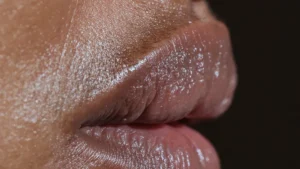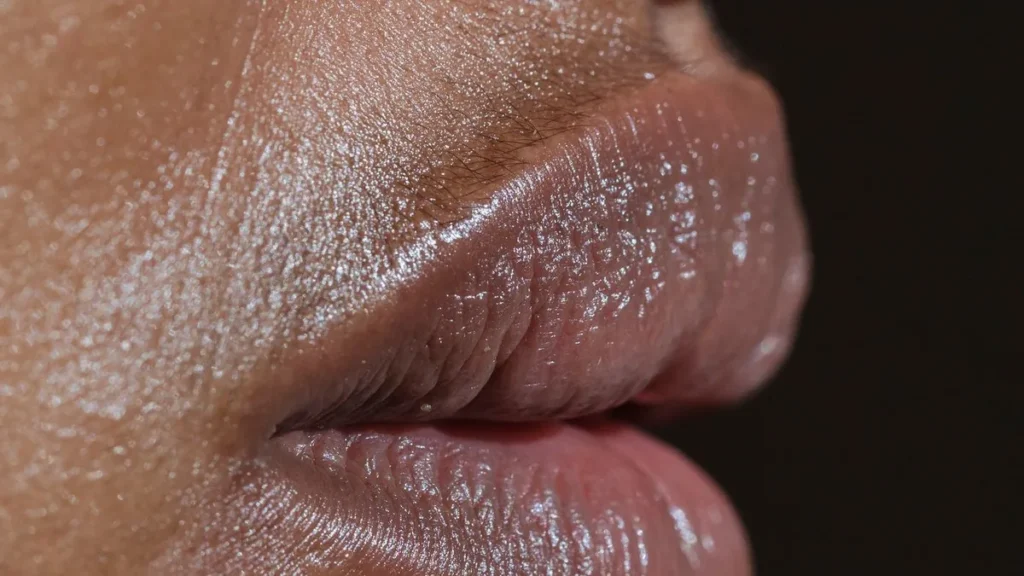
If your lips always feel dry, you are not imagining it. Lips have no oil glands, and their skin is far thinner than the skin on the rest of your face, so they lose moisture fast. Cold wind, dry heating, and sun can leave them tight and flaky, and a thin swipe of balm often disappears within the hour.
A lip mask is the treatment step built for that problem. It is a thick, intensive treatment that sits on the lips for a long stretch, usually overnight, sealing in moisture and feeding the skin with butters and barrier-repairing ingredients.
Below, we explain what a lip mask is, how it works, the types in 2027, the ingredients to look for, and how to use one. We also compare it with lip balm, lip scrub, and lip oil, so you can see where each one fits.
Key takeaways
- A lip mask is a thick, leave-on treatment for hours of contact, most often overnight.
- It works through humectants that draw in water, emollients that soften, and occlusives that seal moisture in.
- Overnight masks are the most common type, joined by sheet, gel, and peel-off formulas.
- A mask does not replace a daily balm or an occasional scrub.
- Used two or three times a week, a mask keeps lips soft through winter.
What Is a Lip Mask?
A lip mask is a concentrated treatment that delivers a much richer dose of moisture than a standard lip balm. It comes as a thick cream or balm in a jar or tube, as a gel, or as a lip-shaped sheet or hydrogel patch. Most formulas are worn overnight, while sheet and gel versions are usually worn for 10 to 20 minutes and then removed.
The longer wear time is the whole point. Lips have no sebaceous glands, so they cannot produce their own oils, and their outer layer is extremely thin. A balm applied in the morning is eaten and wiped away within an hour or two. A mask stays put for hours while you sleep, giving its ingredients time to soften flakes and support the skin barrier. That is why people often wake up to noticeably softer lips after one overnight treatment.
Lip masks became mainstream in the 2010s with Korean beauty routines, and by 2027 they are a fixture in most skincare ranges. Modern formulas pair classic occlusives with ceramides and hyaluronic acid, and many are fragrance-free.
How Does a Lip Mask Work?
A lip mask works in three stages. First, humectants such as hyaluronic acid and glycerin attract water into the surface layers of the lips. Hyaluronic acid can hold up to 1,000 times its weight in water. On its own, though, a humectant is not enough: in very dry air it can pull moisture out of the skin instead.
Next, emollients such as shea butter, cocoa butter, and squalane soften the lip surface, filling in tiny cracks and smoothing flakes. Then occlusives such as petrolatum, lanolin, and beeswax form a protective film over the top. This seal slows water loss and keeps the other ingredients working for hours, which is why the mask is worn at night.
Types of Lip Masks in 2027
Overnight lip masks are the classic type: thick creams or balms in a jar or tube that you smooth on before bed and leave on while you sleep. They are the most intensive option and the best choice for very dry lips.
Sheet and hydrogel lip masks are single-use, lip-shaped patches soaked in serum. You press one onto clean lips, leave it for 10 to 20 minutes, then peel it off and pat in the remaining serum. They feel cooling and refreshing, and they are good before an event. Their effect is a quick boost rather than a deep overnight repair.
Gel lip masks sit between the two: a jelly-like texture worn for 15 to 30 minutes, with some designed for overnight use. Peel-off lip masks are a newer format: you paint on a thin film, let it dry, and peel it away, but they are not ideal for cracked lips. Tinted lip masks add a wash of colour for daytime wear, although their treatment power is milder.
Lip Mask vs Lip Balm vs Lip Scrub vs Lip Oil
These four products are often confused, but they do different jobs. A lip balm is a daytime product: light and made to be reapplied whenever lips feel dry. A lip mask is the overnight treatment: richer, thicker, and left on for hours. A lip scrub is an exfoliator for dead, flaky skin, used once or twice a week. A lip oil is a fluid, glossy treatment that gives shine and light hydration, but it is far less occlusive than a balm or a mask.
| Product | Main job | When to use it | Wear time | Texture |
|---|---|---|---|---|
| Lip mask | Deep hydration and repair | Before bed | Hours, usually overnight | Thick, rich, glossy |
| Lip balm | Daily protection | Morning and all day | Until wiped away | Light, waxy or creamy |
| Lip scrub | Removes dead skin | Once or twice a week | A minute of massage | Grainy, fine particles |
| Lip oil | Light hydration, shine | Daytime | An hour or two | Fluid, non-sticky gloss |
| Sheet lip mask | Quick hydration boost | Before an event | 10 to 20 minutes | Cool serum patch |
| Gel lip mask | Soothing treatment | Evening or overnight | 15 to 30 minutes | Jelly-like, cooling |
| Peel-off lip mask | Lifts loose flakes | Occasionally | Until dry, then peeled | Thin drying film |
| Tinted lip mask | Care plus colour | Daytime | A few hours | Glossy, lightly tinted |
These products complement each other. A scrub clears flakes, a mask does the deep repair overnight, a balm protects during the day, and an oil adds shine. If you can only buy one, choose by your main problem: persistent dryness calls for a mask, while mild dryness is fine with a good balm. For daytime care, our guide to the best hydrating lip balms of 2027 covers the balms worth carrying in your bag.
Key Ingredients to Look For
A good lip mask combines three ingredient groups. Occlusives do most of the heavy lifting, because the seal they create is what makes a mask different from a balm. Petrolatum is the most effective occlusive in skincare and the one dermatologists recommend most often for chapped lips. Lanolin is another strong choice, while beeswax and candelilla wax give plant-based formulas their staying power.
Emollients are the softeners: shea and cocoa butter are rich in fatty acids, mango butter feels lighter, and squalane mimics the skin’s own oils. Humectants come next: hyaluronic acid and glycerin draw water into the lips, and honey acts as a natural humectant. A humectant only helps under an occlusive layer, so a mask that lists hyaluronic acid but no petrolatum, lanolin, or wax may leave lips drier than before.
Beyond the core trio, look for ceramides and fatty acids, which help rebuild the lip barrier, and vitamin E, a common antioxidant. To see how these hydrating ingredients behave across the rest of your routine, our guide to the best hydrating serums of 2027 explains the same science for the face.
Ingredients to Avoid
Some ingredients can make dry lips worse. Fragrance and flavouring are the most common culprits: dermatologists list them among the ingredients to avoid while lips are chapped, because they can sting raw skin. Menthol, camphor, and eucalyptus create a cooling tingle, yet they can dry the lips out with regular use. Strong exfoliating acids have no place in an overnight mask, and neither do plumping ingredients that work by irritating the lips. If your lips are cracked or bleeding, choose the plainest fragrance-free formula you can find, built around petrolatum.
How to Use a Lip Mask
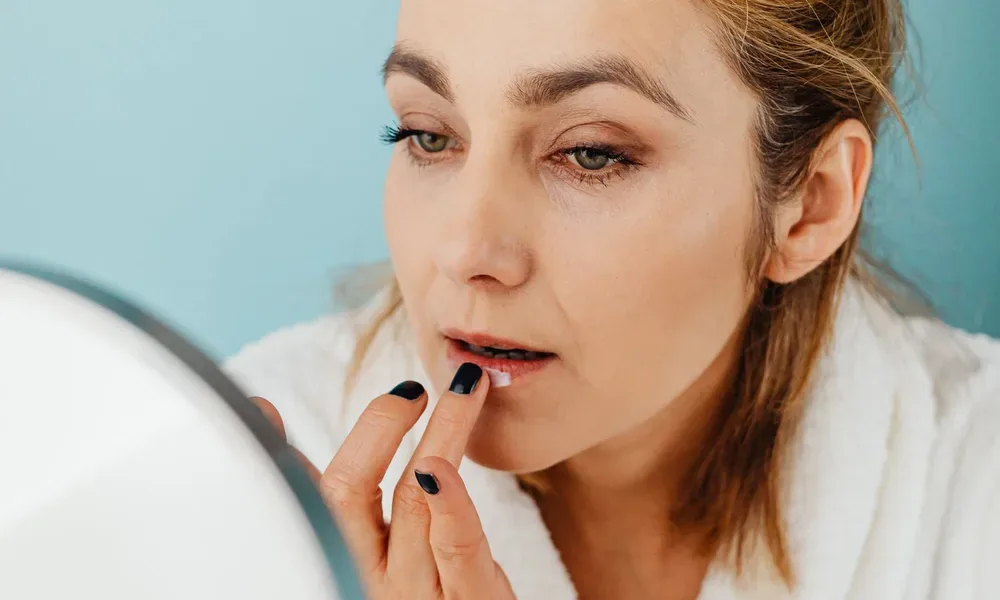
Using a lip mask is simple, but a few habits make a real difference. Start with clean lips, and brush your teeth first. If there is loose flaking, exfoliate very gently first, no more than once or twice a week, with a soft damp cloth or a gentle scrub. Our guide to lip exfoliation at home explains how to do this without overdoing it, because scrubbing cracked lips makes things worse.
Apply a generous layer just before bed, covering the whole lip surface and the outer edge where cracks often start. Do not rub it in: the point is to leave a visible, protective layer on top. Leave it on overnight. In the morning, wipe away any residue gently, then apply a daytime balm with sun protection. Two or three times a week is a good starting point; nightly use is fine until very dry lips recover.
Who Should Use a Lip Mask?
Almost anyone can benefit, but some will notice the biggest difference. If your lips are chronically dry in winter, if you wear matte lipstick most days, or if you live somewhere with cold wind or dry heated air, an overnight mask is one of the simplest upgrades you can make. People with sensitive skin should patch-test first and pick fragrance-free formulas. If your lips are cracked or bleeding, skip scrubs and peel-off masks. If chapping lasts for weeks despite good care, see a dermatologist.
Common Mistakes to Avoid
The most common mistake is treating a lip mask like a balm and using a tiny amount: a mask only works when applied generously. The second is exfoliating too often: once or twice a week is enough, and never on cracked skin. A third is expecting a mask to replace sun protection, since most overnight masks contain no SPF. A fourth is layering a mask under lipstick: masks are too rich for makeup, so save them for the evening. Finally, many people give up after one night, but lasting improvement comes from regular use over a few weeks.
Your Lip Mask Checklist
- Choose a fragrance-free formula if your lips are chapped, sore, or sensitive.
- Check the label for an occlusive, such as petrolatum, lanolin, or beeswax, plus a humectant such as hyaluronic acid or glycerin.
- Exfoliate gently first, only when there is loose flaking, and never more than twice a week.
- Apply a thick, visible layer at night, covering the outer edge of the lips.
- Leave it on overnight without rubbing it in, and remove residue gently in the morning.
- Follow up in the daytime with a balm that includes sun protection.
Frequently Asked Questions
What is a lip mask used for?
A lip mask deeply hydrates and repairs dry, chapped, or flaky lips. It is an intensive leave-on treatment, usually worn overnight, that seals moisture in and softens texture by morning.
How often should you use a lip mask?
Two or three times a week suits most people. If your lips are very dry, use a mask every night until they feel better, then cut back.
Can you use a lip mask every night?
Yes. Many people with very dry lips use a plain, fragrance-free overnight mask every night through winter. Make sure the formula is gentle, with no fragrance or menthol, and stop if you notice irritation.
Is a lip mask better than a lip balm?
Neither is better in general, because they do different jobs. A lip mask is thicker and left on for hours, so it hydrates more deeply overnight. A lip balm is lighter and made for daytime use. For very dry lips, a mask at night plus a balm during the day works best.
Do lip masks really work?
Yes, when the formula is right. A mask built around occlusives such as petrolatum or lanolin genuinely reduces water loss and leaves lips softer by morning.
Can you wear a lip mask during the day?
You can, but most overnight masks are too thick and glossy to sit well under lipstick, and they contain no sun protection. A tinted lip mask or a rich balm is a better daytime choice.
The Bottom Line
A lip mask is a simple idea done well: a thick, intensive treatment that stays on your lips long enough to make a real difference. For ordinary dryness and winter chapping, it is one of the most effective steps you can add to a routine. Choose a fragrance-free formula with a real occlusive, apply it generously at night, and let a good daytime balm handle the hours in between.
Note: This article is for general information only and is not medical advice. If your lips stay cracked, bleeding, or painful despite gentle care, or you notice sores that do not heal, speak to a dermatologist.