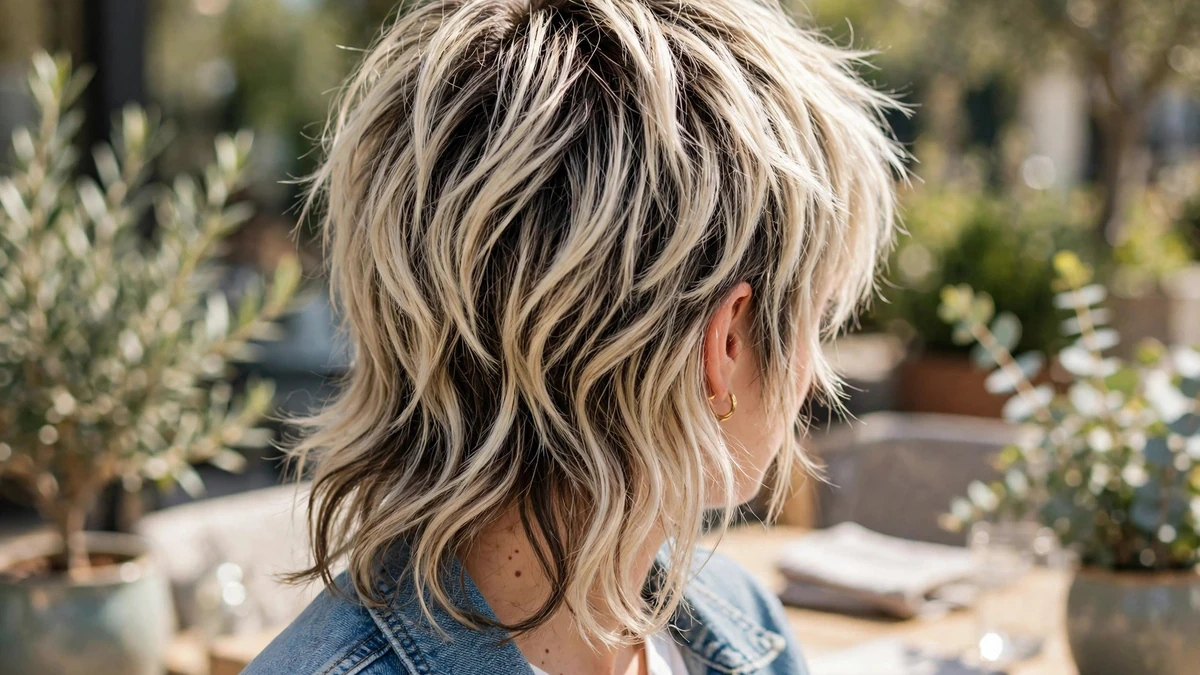

The mullet is back, and it is not the joke cut of the 1980s anymore. In 2027 the mullet has been reworked by barbers and stylists into something softer, more deliberate, and far easier to wear. The length at the back is still there, but the top is textured, the sides are blended, and the whole shape is built around your hair type rather than forced into one rigid silhouette.
What makes the modern mullet work is the range. A short, textured mullet reads completely differently from a long, shaggy one, and a curly mullet is a different cut again from a straight, sleek version. The mullet is no longer one look. It is a family of cuts that share a short front and a longer back, and the best version for you depends on your hair texture, your face shape, and how much time you are willing to spend styling it in the morning.
Below are nine ways to style a mullet in 2027, from the clean modern version to the full shaggy length. Each one is described by what it does well, what to watch for, and who it suits best, so you can walk into the salon with a clear picture instead of a vague idea.
Key takeaways
- The 2027 mullet is softer and more blended than the 1980s original, with textured tops and faded or tapered sides.
- Curly and wavy hair suits the mullet especially well, because the natural texture does most of the styling work.
- A mullet needs a cut every four to six weeks to keep its shape, and it grows out more noticeably than a bob or a layered cut.
- Styling is simple but not optional: a little texture product, a rough dry, and the shape holds itself.
- No mullet suits every face shape and hair type, and a cut that looks effortless on thick hair can look thin and straggly on fine hair.
What a mullet actually is in 2027
A mullet is a cut that is shorter at the front and on top and longer at the back. That is the whole definition, and it leaves a lot of room. The 2027 version keeps the contrast between front and back, but softens it. The top is usually cut with texture and movement rather than a flat, blunt fringe. The sides are tapered or faded instead of shaved bare, and the back is shaped so it falls naturally rather than hanging in one heavy curtain. The difference between a good mullet and a bad one is almost entirely in the blending.
The cut works because it gives you two things at once: the ease of short hair around the face and the length and movement of longer hair at the back. That is why it appeals to people who want a change without committing to a very short cut, and to people who want length without the weight of an all-over long cut.
It is worth knowing what the mullet is not. It is not a shag, although the two cuts share texture and layers. A shag is layered all over, with a fringe and volume through the crown. A mullet is defined by the length difference between the front and the back. It is also not a wolf cut, which is wilder and more disconnected, while a mullet in 2027 is usually more controlled.
How we chose these styles and what to look for
Look first at your hair texture, because it decides which mullet will actually work. Thick, wavy or curly hair is the easiest starting point. The natural volume and movement fill out the shape, and the cut needs very little styling. Fine, straight hair can wear a mullet too, but it needs more texture cut into it and more product to hold the shape, and the back can look thin if the length is kept too long.
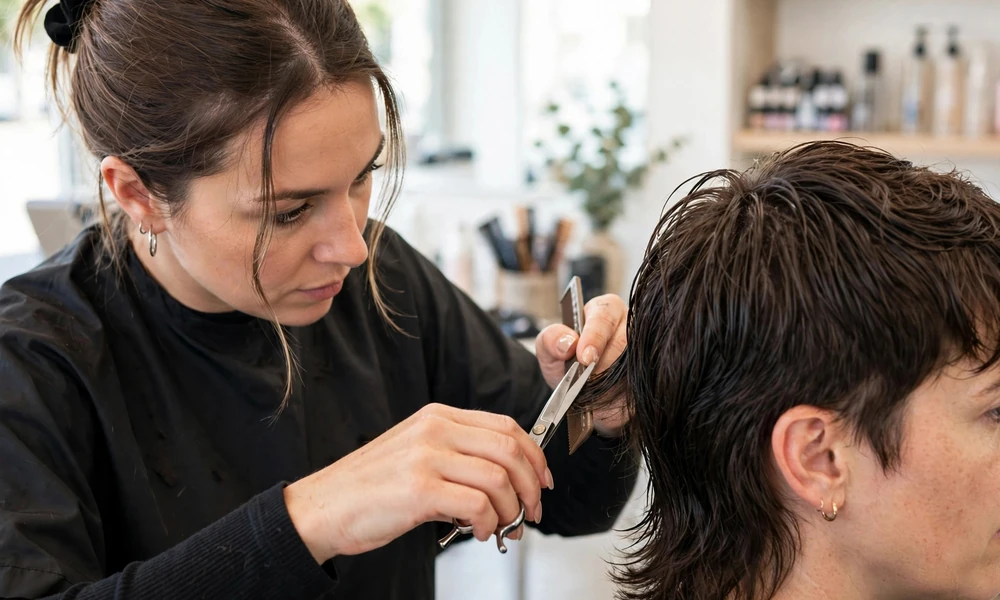
Look next at the length of the back. A mullet that ends at the nape is low-commitment and grows out gracefully. One that reaches the shoulders is a statement, and one past the shoulders is a full commitment that suits thick hair best. The back length is the single biggest decision in the cut, so settle it before the scissors come out.
Finally, look at the front. The fringe and the top decide whether the cut reads as edgy, soft, or polished. A short, choppy fringe makes it bold. A longer, curtain-style fringe makes it softer and easier to grow out. If you are unsure, start with a longer fringe: it can always be cut shorter, but a fringe cut too short takes months to grow back. Our guide to how to fix a bad haircut is worth reading before you book, because it explains what a stylist can actually correct and what has to grow out.
The 9 best ways to style a mullet in 2027
The modern mullet
What we like: Clean, blended, and the most wearable version of the cut, with a textured top, tapered sides, and a back that ends at the nape. What to consider: It needs a trim every four to five weeks to keep the taper sharp. Key features: Textured top, tapered sides, nape-length back. Hair type: Straight, wavy, thick. Length: Short to medium. Maintenance: Low to medium.
This is the mullet to ask for if you want the cut without the drama. It works in an office, styles in minutes, and grows out better than any other version.
The shaggy mullet
What we like: Full of movement and texture, with choppy layers through the top and a longer, feathered back that looks lived-in from day one. What to consider: It can look messy rather than deliberate if the layers are not cut well. Key features: Choppy layers, feathered ends, volume through the crown. Hair type: Wavy, thick, medium density. Length: Medium to long. Maintenance: Medium.
The shaggy mullet is the most forgiving version, because its whole point is texture and movement. Rough-dry it, add a little salt spray, and leave it alone.
The curly mullet
What we like: Curls do the work here, giving the cut natural volume, shape, and movement with almost no styling. What to consider: It must be cut dry or on natural curls, because wet curls shrink and a mullet cut too short on wet hair will bounce up. Key features: Curl-by-curl cutting, rounded top, defined back. Hair type: Curly, coily. Length: Medium to long. Maintenance: Low.
Curly hair gives the cut its shape for free: the top stays full, the back falls in defined curls, and the whole thing looks intentional with very little effort.
The textured mullet
What we like: Built on point-cutting and thinning through the top, so straight hair gets movement and separation instead of lying flat. What to consider: It needs a texture product every day, or the top can fall flat by lunchtime. Key features: Point-cut texture, piecey top, soft back. Hair type: Straight, fine to medium. Length: Short to medium. Maintenance: Medium.
The textured mullet solves that by cutting the texture in, so the shape holds even without much styling. A matte clay or paste finishes it.
The wolf cut mullet
What we like: The boldest version, with heavy layers, a strong fringe, and a lot of volume through the crown and back. What to consider: It is the hardest to grow out and the most likely to look dated if the layers are too extreme. Key features: Heavy layering, strong fringe, high volume. Hair type: Thick, wavy. Length: Medium to long. Maintenance: High.
The wolf cut mullet is the version you see most on social media, and it is a statement. If you want drama, this is it. If you want low effort, pick the modern or shaggy mullet instead.
The soft mullet
What we like: A gentle, romantic version with a long curtain fringe, soft layers, and a back that blends rather than contrasts. What to consider: It can read as a shag rather than a mullet if the back is kept too short. Key features: Curtain fringe, soft layers, blended back. Hair type: Wavy, fine to medium. Length: Medium. Maintenance: Low to medium.
The soft mullet is the most flattering version for most face shapes, because the curtain fringe frames the face and the soft layers add movement without harsh lines. It is also the easiest mullet to grow out.
The short mullet
What we like: Compact and sharp, with a short top, faded sides, and a back that just covers the nape. What to consider: The short length shows every detail of the cut, so it needs a skilled barber. Key features: Short top, faded sides, nape-length back. Hair type: Straight, thick, wavy. Length: Short. Maintenance: Medium to high.
The short mullet is the most practical version. It dries fast, styles in a minute, and stays neat for about three weeks. It is also the most likely to be accepted in a conservative workplace.
The long mullet
What we like: Full length at the back, past the shoulders, with a shorter textured top for contrast. What to consider: The ends need regular trims and the back can tangle if it is not conditioned well. Key features: Long back, textured top, layered ends. Hair type: Thick, wavy, curly. Length: Long. Maintenance: High.
The long mullet is the most dramatic version, but with modern blending it looks intentional rather than accidental. It suits thick hair best and needs regular trims to keep the ends healthy. If your hair is fine, this is the version to avoid.
The burst fade mullet
What we like: A sharp burst fade around the ears and sideburns gives the mullet a clean, barbered finish while the back keeps its length. What to consider: The fade grows out in two to three weeks, so it needs the most frequent maintenance of any version here. Key features: Burst fade, textured top, medium back. Hair type: Straight, thick, wavy. Length: Short to medium. Maintenance: High.
The burst fade mullet is the most polished version, and it is the one that looks most like a deliberate haircut rather than a grown-out one. Just budget for a barber visit every three weeks to keep the fade fresh. Our best bob haircut guide shows how much a good cut depends on the shape around the face, not just the length.
Which mullet is right for your face shape and hair type
Round faces usually suit a mullet with height on top and a longer back, because the vertical lines lengthen the face. A short, wide mullet can make a round face look rounder, so ask for texture and lift at the crown and keep the sides close. Oval faces can wear almost any version, so choose by hair type rather than face shape.
Square faces suit the softer versions best: a soft or shaggy mullet with a curtain fringe softens a strong jawline. Heart-shaped faces suit a mullet with volume at the back and a fringe that balances a wider forehead.
Hair type matters as much as face shape. Thick hair can carry any version, including the long and wolf cut mullets, because the density fills out the shape. Medium hair suits the modern, soft, and shaggy versions best. Fine hair needs the textured or short mullet, with plenty of texture cut in, and should avoid the long version, because the back will look thin and stringy. If you are unsure, show your stylist photos of the version you want on someone with a similar hair type to yours.
The caveats that matter
A mullet is a commitment in a way that a layered cut is not. The shape is defined by the contrast between the front and the back, and as it grows out, that contrast softens and the cut can start to look like a grown-out shag or simply an untidy long cut. Regular trims are not optional. Budget for a cut every four to six weeks, or every three weeks if you have a fade, and be honest with yourself about whether you will actually keep that up.
| Detail | What is known |
|---|---|
| Best hair type | Thick, wavy, or curly hair fills the shape best; fine hair needs texture cut in |
| Trim frequency | Every 4 to 6 weeks; every 3 weeks with a burst fade |
| Daily styling time | 5 to 10 minutes with a texture product; curly versions need less |
| Who should avoid it | Very fine, thin hair and anyone who dislikes frequent salon visits |
| Grow-out | Grows into a shaggy layered cut, but the back needs trimming to stay tidy |
| Workplace fit | Modern, soft, and short versions suit most workplaces; wolf cut and long versions are bolder |
| Products that help | Matte clay, texture spray, salt spray; light conditioner for the back |
| What it does not do | It does not suit every face shape, and it does not stay sharp without regular trims |
Styling products matter more with a mullet than with most cuts. A matte clay or paste gives the top hold without shine, a salt spray adds texture to the back, and a light conditioner keeps long ends from tangling. And if your hair is colour-treated, the mullet can actually be a good showcase for it, because the layers show off dimension. A few face-framing highlights can lift the whole cut, and our curly hair highlights guide explains how to place colour so it flatters the shape rather than fighting it.
Checklist: getting a mullet that actually suits you
Use these checks before you book, and again in the chair before the cutting starts.
- Pick your version first: modern, shaggy, curly, or short, and bring two or three photos of that exact version.
- Match the photos to your hair type: choose reference photos of people with hair like yours, not just hair you like.
- Agree the back length before cutting: nape, shoulders, or longer, and confirm it out loud with your stylist.
- Ask for a dry check: have your stylist show you how the back falls when it dries naturally.
- Book your next trim before you leave: four to six weeks ahead, so the shape never gets away from you.
- Buy one texture product: a matte clay or salt spray, and learn how much your hair actually needs.
Frequently asked questions
Does a mullet suit everyone?
No. It suits thick, wavy, and curly hair best, and it works on most face shapes if the version is chosen well. Very fine or thin hair is the hardest match, because the back can look sparse.
How often do I need a trim?
Every four to six weeks for most versions, and every three weeks if you have a burst fade. The shape is the whole point of the cut, and it softens fast as the top grows.
Can I wear a mullet to work?
Yes, with the right version. The modern, soft, and short mullets look neat and deliberate, and they suit most workplaces. The wolf cut and long mullets are bolder and may not suit a conservative office.
How do I style a mullet in the morning?
Rough-dry it with your fingers, add a pea-sized amount of matte clay or a few sprays of salt spray, and scrunch the top and back into shape. Curly versions often need nothing more than a leave-in conditioner. The whole routine takes five to ten minutes.
Will a mullet damage my hair?
No, it is a cut, not a chemical treatment. The only risk is to the ends of a long back, which can split if they are not trimmed and conditioned regularly. Keep the ends healthy and the cut itself is harmless.
How does a mullet grow out?
It grows into a shaggy, layered cut. The top catches up with the back over a few months, and the shape softens into something close to a long shag. Keep trimming the back lightly while the top grows.
The bottom line
The best mullet in 2027 is not the most extreme one. It is the version that matches your hair type, your face shape, and how much maintenance you will honestly keep up. For most people, that is the modern mullet or the soft mullet: blended, textured, easy to style, and easy to grow out.
Choose your version, bring photos that match your hair type, agree the back length before the scissors come out, and book your next trim before you leave the salon. Do that, and the mullet stops being a gamble and becomes a cut that actually works for you.