

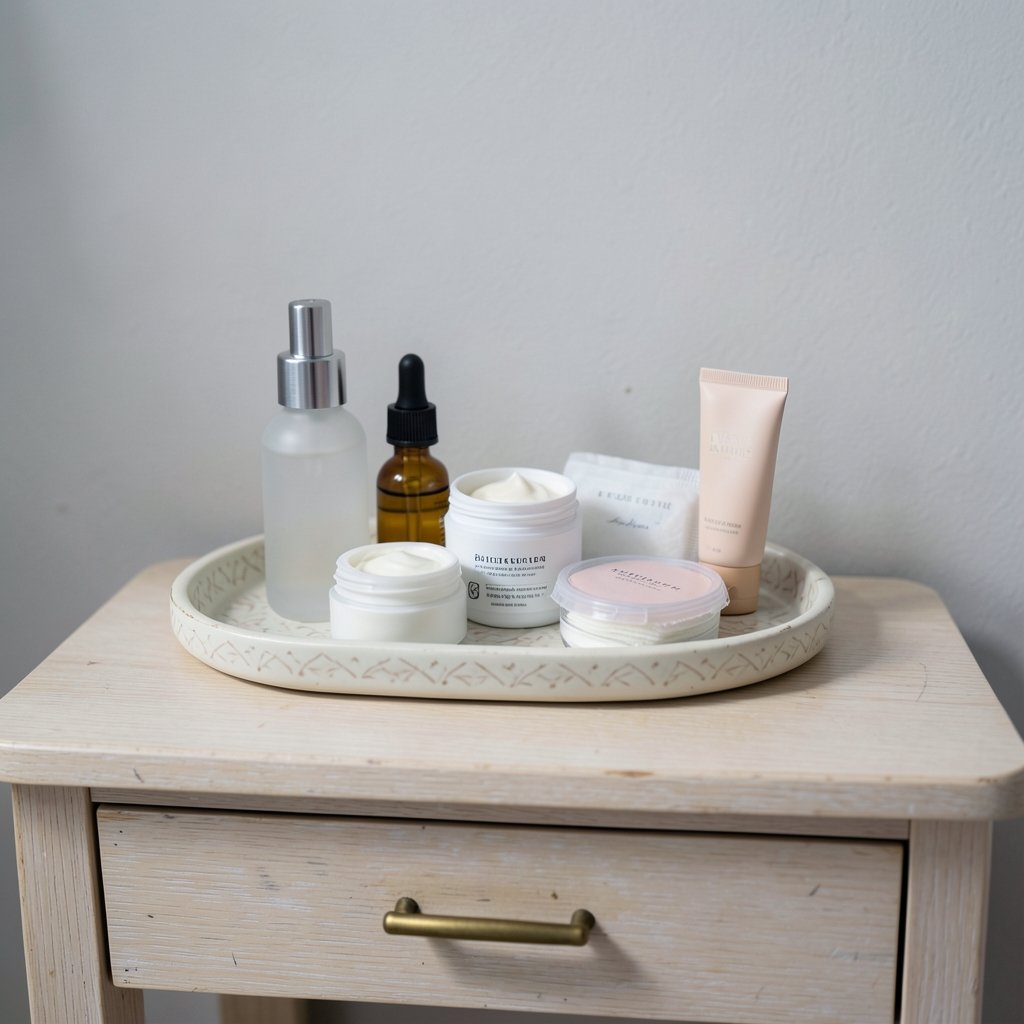
What if better skin does not require a ten-step marathon, but a flexible plan you can keep up with? That question runs through discussions of the Korean beauty plan, a phrase used often and explained less often. The reality is messier and more useful than the marketing suggests. K-beauty is not a rigid checklist handed down from Seoul. It is a set of habits, priorities, and product categories that people adapt to their own skin, budget, and patience level.
This article breaks down what the Korean beauty plan really involves, where the famous “ten steps” came from, which parts are worth copying, and which parts are mostly hype. Along the way, it covers common mistakes, practical tips, and how to build something that works for real life rather than a photo shoot.
Where the “10-step routine” actually came from
The ten-step Korean skincare routine became a Western media talking point around 2014 to 2016, when outlets like The New York Times and Vogue ran features on it. That framing spread fast because it was catchy. But here is the part most articles skip: Korean consumers and brands do not treat ten steps as a rule. Routines vary widely, and many people use far fewer products.
The number was never a standard. It was a label that stuck. Understanding this matters because it frees you from feeling like a failure if your routine has four steps instead of ten. The real engine of K-beauty is layering, not counting.
Layering, explained without the mystique

Layering means applying products from thinnest to thickest consistency so each one can do its job without blocking the next. A typical sequence looks something like this:
- Oil-based cleanser (to lift sunscreen and makeup)
- Water-based cleanser
- Exfoliant (a few times a week, not daily for most people)
- Toner
- Essence
- Serum or ampoule
- Sheet mask (occasionally, not nightly)
- Eye cream
- Moisturizer
- Sunscreen (morning only)
That is the general practice description, not an official standard. You can drop steps, merge them, or reorder within reason. The logic is simple: light, watery products go first; rich, occlusive ones seal everything in.
One practical tip that saves people a lot of frustration: wait about 30 to 60 seconds between layers. If you slap on a heavy cream while a watery essence is still wet, the layers pill and slide. Patting products in with your palms rather than rubbing also tends to feel better and waste less product.
Double cleansing: worth it or overkill?
Double cleansing is one of the most widely described K-beauty practices: an oil-based cleanser followed by a water-based one. It is a consumer habit, not a regulated method. Dermatology guidance generally frames cleansing as something that should be gentle rather than multi-step, and that is a useful counterweight.
In practice, double cleansing earns its keep on days when you have worn sunscreen or makeup, especially heavier or water-resistant formulas. On a bare-faced morning, a single gentle cleanse is usually plenty. The common mistake is overdoing it: harsh cleansing twice a day, every day, can leave skin tight, reactive, and ironically oilier as it tries to compensate.
A workable middle ground looks like this:
| Situation | Cleansing approach |
|---|---|
| Full makeup or water-resistant sunscreen | Oil cleanser, then water-based cleanser |
| Light sunscreen only | Single gentle cleanser, or oil cleanse alone |
| Bare skin, morning | Rinse with water or one gentle cleanse |
| Sensitive or reactive skin | One gentle cleanser, skip the oil step |
Sunscreen is the non-negotiable step
If you keep only one habit from the Korean beauty plan, make it daily broad-spectrum sunscreen. Korean skincare guidance commonly stresses it, partly because pigmentation concerns are a big focus. The logic is straightforward: much of what people spend money on serums to fix, sun exposure quietly undoes.
The practical details matter more than the product. Use enough (most people underapply by a wide margin), reapply on long outdoor days, and pick a texture you will actually wear every day. A sunscreen you dread is a sunscreen you skip. Many K-beauty formulas are designed to feel light and layer well under makeup, which is a big part of their appeal.
Essence, ampoule, and “glass skin”: useful words or marketing?
Here is where honesty helps. Essence and ampoule are loosely defined product categories. They are not standardized terms in cosmetics regulation, and meanings vary by brand. An essence from one company might be a watery hydrator; from another, something closer to a serum. Treat these as marketing categories rather than chemistry.
The same goes for glass skin, a beauty-media term popularized in the mid-to-late 2010s to describe very hydrated, luminous skin. It is not a dermatological or regulatory term. You cannot buy glass skin in a bottle, but you can build toward that look with consistent hydration and sun protection.
This is also where regulatory context helps. In the U.S., whether a product is a cosmetic or a drug depends on its intended use, which is why “anti-aging” claims get scrutinized. In the EU, cosmetics are governed by a dedicated regulation. Korea regulates cosmetics under its Cosmetics Act, administered by the Ministry of Food and Drug Safety. None of this tells you whether a product works, but it explains why labels read the way they do.
Ingredient trends come in waves
K-beauty has cycled through ingredient obsessions: snail mucin, centella asiatica (often shortened to cica), rice extract, and fermented ingredients have each had a moment. These are ingredient-marketing trends, and clinical evidence varies by ingredient and formulation. Some people love cica for calming; others see no difference. That is normal.
A balanced approach is to pick one new ingredient at a time, patch test it, and give it several weeks before judging. If you want a structured way to phase products in, thinking of it like a seasonal rollout helps; the same patience-first logic shows up in a winterize garden zone by zone plan that actually works, where you do not overhaul everything at once. Skin responds better to gradual change than to a sudden ten-product avalanche.
Why K-beauty is export-driven, and why that shapes your shelf
K-beauty is heavily export-oriented, with China, the U.S., and Japan among major markets, and exports grew substantially through the 2010s and 2020s. That matters to shoppers because it drives fast product cycles, frequent reformulations, and a steady stream of new launches. It also means trends arrive quickly and disappear just as fast.
For a buyer, the practical takeaway is to avoid chasing every new release. A stable routine with a few reliable products usually beats a constantly rotating shelf. If you enjoy following launches, fine, but keep your core steps consistent so you can tell what is actually working.
Building your own plan, step by step
Think of the Korean beauty plan as a framework, not a doctrine. Here is a practical way to build one.
- Start with the basics. Gentle cleanser, moisturizer, sunscreen. Live with that for two to three weeks.
- Add one hydrating layer. An essence or hydrating toner. Watch for irritation.
- Add a treatment only if you have a specific goal. Dullness, texture, or dryness each point to different ingredients.
- Introduce exfoliation slowly. Once or twice a week is plenty for most people.
- Keep a simple log. Note what you used and how your skin felt. Memory is unreliable here.
- Cut what does not earn its place. If a step does nothing for you, drop it.
This is where planning discipline pays off, and it mirrors how people approach other layered projects. A do birthday practical plan that actually works succeeds because it prioritizes a few essentials over an exhausting checklist, and skin routines reward the same thinking. If you are coordinating a routine around a big event, wedding-focused guidance in the bridal beauty space often stresses starting early and testing products well before the day, which is sound advice for any deadline.
Common mistakes that quietly wreck routines
Plenty of people follow the steps and still see problems. Usually it comes down to a handful of avoidable errors.
- Adding too many products at once. When something goes wrong, you cannot tell what caused it.
- Skipping patch tests. A tiny spot on the jaw for a few days tells you a lot.
- Over-exfoliating. More acids do not mean faster results; they mean a damaged barrier.
- Under-applying sunscreen. A thin smear is not the protection on the label.
- Buying for the aesthetic. Pretty packaging and viral status say nothing about fit for your skin.
- Ignoring the neck and ears. They age too, and they burn too.
- Expecting overnight results. Most ingredients need weeks, not days.
What actually works in practice
After all the trends and terminology, a few things hold up. Consistency beats intensity. Gentle beats aggressive. Sunscreen beats almost everything else in long-term payoff. And a routine you can maintain on a tired Tuesday night beats a perfect one you abandon by week three.
There is also value in borrowing structure from other planning habits. Just as a caregiver business plan works by matching effort to real capacity rather than an idealized schedule, a skincare plan should fit your actual life. If you have five minutes in the morning, build a five-minute routine. Ten steps squeezed into a rushed minute will not deliver.
For anyone who likes comparing options before committing, the same evaluation mindset used in weighing floor plan options applies to product lineups: look at what fits your space and needs, not what looks best in a brochure. And if budgeting is part of the picture, the way a plan prevision asegurado Spain’s insured savings plans work structures steady contributions over time is a decent mental model for skincare spending: small, regular, sustainable amounts beat sporadic splurges.
Conclusion
The Korean beauty plan is less a rulebook and more a philosophy: layer thoughtfully, protect your skin from the sun every day, introduce change slowly, and keep only what works for you. The ten-step label was a media convenience, not a mandate. Essence and ampoule are marketing words, not regulated categories. Glass skin is a look to aim for, not a product to buy.
Build a routine around your real skin, your real schedule, and your real budget. Start small, add one thing at a time, and give it weeks rather than days. That approach will outperform any viral checklist, and it will still be standing long after the next trend cycle rolls through.
Frequently Asked Questions
Do I really need ten steps for a Korean beauty plan?
No. The ten-step label came from Western media coverage around 2014 to 2016, and Korean consumers do not treat it as a rule. Many people use far fewer products. The core idea is layering from thinnest to thickest, not hitting a specific number.
Is double cleansing necessary every day?
Not for most people. Double cleansing, meaning an oil cleanser followed by a water-based one, is most useful on days with makeup or water-resistant sunscreen. On bare-skin mornings, a single gentle cleanse is usually enough, and over-cleansing can irritate skin.
What is the difference between an essence and an ampoule?
Honestly, it depends on the brand. Essence and ampoule are loosely defined marketing categories, not standardized terms in cosmetics regulation. An essence tends to be watery and hydrating, while an ampoule is often more concentrated, but there is no official definition you can rely on.
How long before I see results from a new product?
Give it several weeks. Most ingredients need consistent use over time, and skin turnover takes weeks rather than days. Introduce one product at a time so you can tell what is helping and what is not.
Can I do a Korean beauty routine if I have sensitive skin?
Yes, with adjustments. Keep the cleansing gentle, skip or limit exfoliants, patch test everything, and add products one at a time. If your skin reacts badly, strip back to a basic cleanser, moisturizer, and sunscreen before rebuilding.
Is glass skin a real skincare term?
No. Glass skin is a beauty-media phrase popularized in the mid-to-late 2010s to describe very hydrated, luminous skin. It is not a dermatological or regulatory term. You can work toward that look with consistent hydration and daily sun protection, but it is not a product category.









