


The right furniture can make a living area feel welcoming, and a luxury living room set can finish it thoughtfully. An elegant room matters most when you can relax, talk with guests, and move around with ease. Your furniture should support those daily routines, not just look polished in a picture.
You can find pieces that suit your taste and budget without ignoring the size and shape of your home. A good choice should look at home in your space and feel comfortable in everyday use.
Key Takeaways
- Choose a configuration that suits your room and daily routine.
- Judge comfort by sitting on the furniture, not by appearance alone.
- Check the exact pieces, finishes, and dimensions in each listing.
- Consider how much care the upholstery and surfaces need.
- Compare the full price of the arrangement you plan to use.
What Makes a Luxury Living Room Set Feel Worthwhile?
For most homes, the best luxury living room set pairs comfortable everyday seating with a cohesive look and a scale that leaves the room usable. Real value comes from comfort, sound construction, and a layout that fits your household. A dramatic finish cannot make up for seats that feel awkward or block the way.
Think about how you use the living room before you judge its style. Your household may need room for quiet evenings, guests, television, or all three. The best set for most people fits the room and routine first, with seating and upholstery suited to daily use.

Judge a living room set by how it feels and functions, not by its most dramatic detail.
Organic-modern rooms offer one example of understated luxury. In 2026, this style paired clean modern lines with natural materials such as linen, bouclé, raw oak, travertine, and unlacquered brass.
Those materials are options, not rules for every home. A simpler room can feel just as considered when the furniture works with its scale and the people who use it.
A worthwhile set should also feel visually connected, rather than like unrelated pieces gathered together. Treat appearance as one part of value, alongside how the seating feels and functions.
What Pieces Come in a Coordinated Set?
A two-piece set can be a sofa with a loveseat or a sofa with a chaise, while a three-piece example adds a chair to a sofa and loveseat. Configuration means the combination and arrangement of pieces included in a set. The right one supplies enough seating without filling every open spot.
Check the exact included items, because set lineups differ by collection. A sofa and loveseat share seating along two furniture pieces, while a chaise gives one person more room to stretch out.

Two-piece sets for a compact seating plan
A sofa and loveseat create a familiar arrangement for conversation or shared television viewing. Jennifer Furniture describes two-piece sets with a sofa and loveseat, or a sofa and chaise. Both choices keep the furniture grouping focused.
A sofa and chaise may suit you if lounging matters more than adding another separate seat. A sofa-and-loveseat configuration can offer a more even split between seats and room for conversation.
Three-piece and larger groupings
A three-piece living room set can include a sofa, loveseat, and chair. This setup gives you more separate seats than a sofa and loveseat alone. Larger collections may add accent seating or tables, too.
Luxury-set catalogs can range from three-piece to eight-piece groupings. A high piece count does not tell you whether every item will work in your home, so read the item list closely.
| Piece count | Example lineup | Likely use |
|---|---|---|
| 2 pieces | Sofa plus loveseat | Shared seating |
| 2 pieces | Sofa plus chaise | Lounging |
| 3 pieces | Sofa plus loveseat plus chair | More separate seats |
Some collections add a coffee table, end tables, or accent chairs, but there is no single standard lineup. Before comparing styles, count the pieces you will actually use and verify every item in the listing.
For example, Jennifer Furniture’s two-piece and three-piece examples show how the same sofa can anchor different arrangements. Check the listing itself to see which specific pieces come with your chosen set.
Which Materials Balance Comfort and Durability?
The frame, upholstery, and cushion fill all shape how a set feels, looks, and holds up to everyday use. Your daily habits matter as much as the material names. A home with frequent guests may need a different seat feel than a room used mostly for quiet evenings.
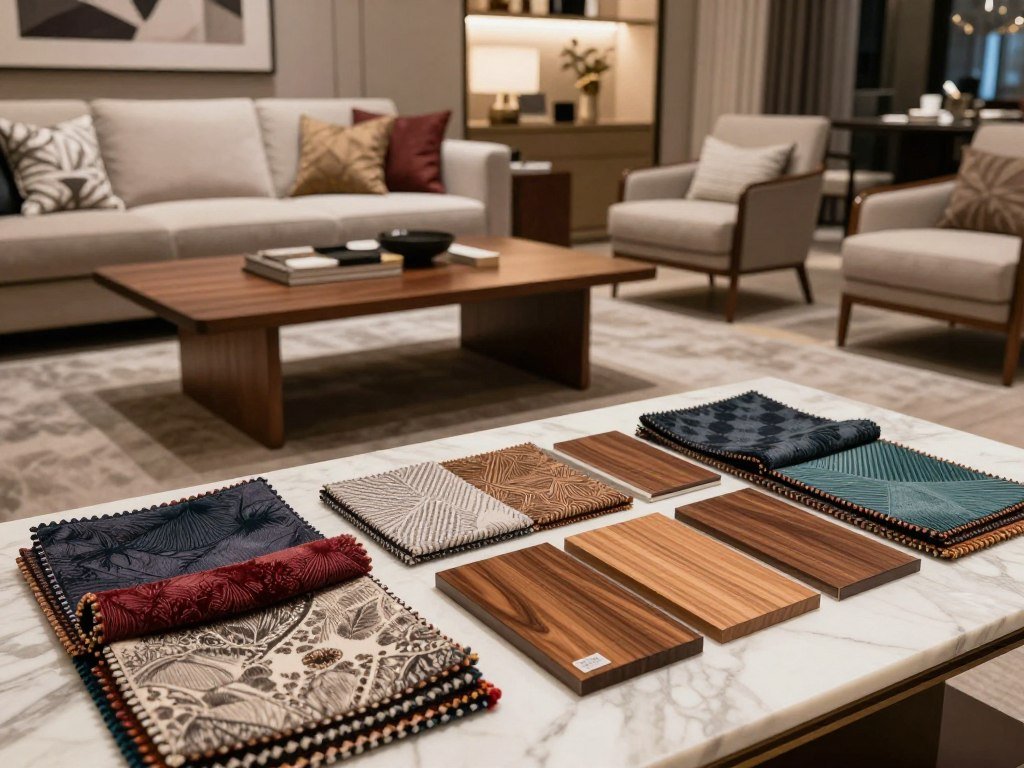
Do not choose from a swatch’s appearance alone. Consider how the seat feels and how you will use the upholstery before settling on a finish.
Frames and structural support
Living room set frames may use wood, metal, or engineered wood. Each choice can affect the furniture’s look and feel, but the material name alone does not tell you how stable the finished piece is.
Look for details about the frame and support, then test the furniture when you can. A seat should feel steady when you sit down, rise, or shift your weight.
Wood can bring a warm, familiar look, while metal may suit a cleaner design. Engineered wood is another common frame option. The finish also affects the final look, so compare it with other surfaces in your room.
Upholstery for the way you live
Leather has a smooth, polished look and a distinct feel. Fabric offers a wider range of textures, patterns, and colors. Other upholstery choices include microfiber, polyester, velvet, and chenille.
Each option changes how the seat feels against your skin and how the furniture looks in different light. A rich velvet can bring depth to a room, while a plain fabric can feel quiet and easy to pair.
Think about how the cover will be used, not only how it looks in a small sample. A swatch can hide texture and color shifts that become clear across a full sofa.
Cushion fills and seating feel
High-density foam often feels firmer and can give you a more supported seat. Down blends tend to feel softer and more relaxed. Pocketed-coil seating adds spring support within the cushions.
None of these fills is best for everyone. Your preferred seat depth and firmness matter, as does the way the cushions feel after you have sat for a while.
Comfort is personal, so compare cushions in person if possible. Ask how the seat is built and whether the cushions can be turned or adjusted.
For a closer look at cushion fill and support options, compare the listed construction with the feel you prefer. Compare the seat feel and upholstery sample in the lighting and conditions of the room where the set will live.
What Budget Should You Plan For?
Under-$1,000 living room sets are available, but the price depends on which pieces and materials the listing includes. Start with the full arrangement you want, rather than a low starting figure. The same budget may cover one configuration but not another.
Check that the particular three-piece arrangement and every included item fit your intended budget. Rooms To Go offers sets under $1,000, including sofa-and-loveseat sets and corner, U-shape, or modular sectionals.

Living Spaces listed 42 small living room sets starting at $675 in 2026. That starting price does not mean every room set or lineup costs the same amount.
The total price depends on the configuration, materials, construction, and included pieces. A sofa-and-loveseat package differs from a larger sectional or a collection with extra seating.
Use these checks when you compare a listing with your spending limit:
- Count the pieces included in the chosen configuration.
- Check the upholstery and finish selected for the price.
- Compare the frame and cushion choices.
- See whether tables or accent seating are included.
A listing’s entry price is not a fair comparison if it describes a different configuration. For example, a sofa-only price does not cover the same purchase as a three-piece arrangement.
Set a total budget for the complete arrangement, not just the first price shown. Leave room in your plan for the specific pieces and finish you want.
Which Style Fits Your Home?
Modern luxury living room furniture usually leans on cleaner lines, while traditional living room furniture sets often make a more classic statement. Your existing room can help narrow the choice. A new set should connect with the finishes and scale already in your home.
Choose a style that works with the room you have, not only with a trend you like. The same sofa can feel calm or out of place depending on nearby colors, wood tones, and shapes.
Modern and organic-modern rooms
Modern designs often use clean lines, restrained shapes, and few decorative details. Low profiles and simple arms can keep the seating from feeling too heavy.
Organic-modern rooms add natural textures and warmer finishes to that cleaner shape. They can work well when your home already includes wood, stone, or soft neutral colors.
Use modern shapes as a guide, not a strict recipe. A single accent chair or lamp can add interest without making the room feel busy.
Transitional and traditional rooms
Transitional style bridges modern and traditional furniture. Upholstered sofas with track arms or slightly tapered legs are common examples. These details feel current without being sharply modern.
Traditional living room furniture sets often use classic silhouettes and more decorative detail. You may see shaped arms, turned legs, or richer patterns that give the furniture a more formal look.
If your home mixes older pieces with newer finishes, transitional furniture can tie them together. It gives you room to keep favorite items without forcing every piece into one period.
Rustic and other character-rich looks
Rustic designs can bring a relaxed feel through visible wood, textured surfaces, or sturdy shapes. Other character-rich styles may use bold colors, unusual forms, or strong patterns.
Look at the whole room before choosing a set based on a popular trend. A large, dark sofa may overpower a small room with pale floors, while a delicate frame can look out of place beside heavy furniture.
You can browse luxury homes and interior design for more ideas about how furnishings connect with a home’s style. Choose a style that connects the seating to the finishes already present in your home.
Which Sofa Options Fit Different Budgets and Room Dimensions?
Individual sofas show how sharply price, width, and upholstery choices can differ within a coordinated room plan. These are single pieces, not complete living room sets. Their listed prices and dimensions can help you compare options without treating a sofa as a full arrangement.
A sofa that fits your budget may still be too wide for your room. Check the complete dimensions before you settle on color or fabric.
The Article Sanders Velvet Sofa lists at $1,099 and measures 85.5 inches wide, 38.5 inches deep, and 32.5 inches high. Options include fabric or velvet, natural-oak legs, and colors such as Pacific brown velvet, Pacific green velvet, Hestia ginger, Hestia gray, ivory wool, and sandstone wool.
The Lulu and Georgia Cleary Sofa lists at $5,148. It comes in 76-, 86-, or 96-inch widths, with a 40-inch depth and 30-inch height. Choices include velvet, bouclé, or linen, 23 fabric and color options, and laminated hardwood legs.
| Model | Listed price | Width | Depth by height | Upholstery or color options |
|---|---|---|---|---|
| Article Sanders Velvet Sofa | $1,099 | 85.5 inches | 38.5 by 32.5 inches | Fabric or velvet; six named colors |
| Lulu and Georgia Cleary Sofa | $5,148 | 76, 86, or 96 inches | 40 by 30 inches | Velvet, bouclé, or linen; 23 options |
| Joybird Sebastian Sofa | $3,996 | 92.5 inches | 41 by 32.5 inches | 71 options, including velvet and chenille |
| West Elm Bogart Loveseat | $899 | 60 inches | 32 by 25.2 inches | 77 options, including linen and bouclé |
The Joybird Sebastian Sofa lists at $3,996 and measures 92.5 inches wide, 41 inches deep, and 32.5 inches high. It offers 71 fabric and color options, including velvet, chenille, bouclé, and performance fabric.
The West Elm Bogart Loveseat lists at $899 and measures 60 inches wide, 32 inches deep, and 25.2 inches high. Its 77 color and material options include linen, velvet, chenille, twill, basketweave, canvas, and bouclé.
These listed options help you compare appearance, not prove which model is best. A wide sofa may not suit your space, even when its price fits your budget.
For example, the Sanders Sofa’s listed dimensions and price show why size and cost belong in the same comparison. Compare the full width, depth, and height of a piece against your available footprint before choosing by finish alone.
What Works in a Small Living Room?
In a small living room, a compact sofa-and-loveseat or sofa-and-chaise arrangement can be easier to fit than a larger grouping. Fewer pieces can preserve useful space for walking and daily tasks. A two-piece option is often a reasonable starting point for an apartment.
Keep only the pieces that have a clear use in the room. Costco describes two-piece sets as options for small apartments and three-piece or four-piece sets as choices for larger homes.
Small living room furniture sets can still give you comfortable seating without filling every corner. Living Spaces listed 42 small sets starting at $675 in 2026.
Before choosing a set, check these small-space details:
- Sofa width and how it sits beside other furniture.
- How far a chaise or sectional extends into the room.
- Whether each piece can pass through the door.
- How much visible floor area remains after placement.
- Whether you need storage in the room.
A matched full package can seem like an easy choice, but one extra chair or table may block daily movement. You do not need to use every piece simply because the pieces share a finish.
Think about the way you enter, sit down, and reach the things you use most. Keep only the pieces that have a clear use in the room.
How Should You Measure Before Buying?
Measure both the place where the furniture will sit and the route it must take to get there. Room measurements help you plan the layout, while the delivery path shows whether the pieces can reach it. Check the room, doorways, turns, and traffic flow.
Mark the planned furniture edges and walking routes before you order. General planning guides can help you picture clearances, though each floor plan has its own needs.
Measure the room’s length and width, then note doors, windows, and fixed features. Measure doorways along the delivery path, including hallways and stairwells where large pieces must turn.
Use tape to mark where the main furniture will sit. This makes it easier to see whether people can reach seats, pass through the room, and use the coffee table.
| Area | General planning measurement | What it protects |
|---|---|---|
| Walkways | 30-36 inches | Room for people to pass |
| Sofa to coffee table | 14-18 inches | Reach and legroom |
| Common living-room rug | 8×10 or 9×12 feet | Furniture grouping scale |
These measurements are general guides, not rules for every room. A smaller living room or an unusual layout may call for a different arrangement.
Emily Henderson’s living room spacing guidelines discuss walkways and sofa-to-coffee-table clearance. Use those ideas as a starting point, then plan around your own furniture and traffic routes.
The easiest delivery-path check to miss is a tight turn in a hallway or stairwell. Confirm the narrowest turn on the delivery path against the dimensions of the largest piece.
Which Seating Configuration Suits Everyday Use?
A fixed sofa suits a stable layout, while modular sections and reclining seats add flexibility for different routines. Daily use should guide which features you pay for. Hosting, television viewing, and lounging can call for different seating plans.
A larger seat count is not an advantage if the configuration limits movement or conversation. Aim for enough seats for your household and guests, often about four to five people in a general living-room plan.
Fixed seating for flexible room layouts
A stationary sofa keeps a steady shape and can suit a room where the layout rarely changes. Separate chairs can make it easier to turn seats toward guests or shift them for a gathering.
A sectional creates a more joined seating area, which can feel comfortable for television or group lounging. Modular sections can be rearranged for different activities, giving you more options than one fixed shape.
Think about the people who use the room most. A sofa with chairs may support conversation, while a sectional may offer a long shared spot for relaxing.
Recliners and modular pieces for added function
Reclining seats can help you stretch out, while a power headrest lets you change the support with a button. Some living room sets also offer USB ports for charging devices near your seat.
These are optional features, not requirements for a comfortable room. Costco offers options such as extra-deep seats, reclining seats, USB ports, and power headrests in leather and fabric sets.
Consider where outlets sit and how often you would use powered features. A feature that adds cost or bulk may not help if you rarely recline or charge a device there.
Choose convenience features only when you expect to use them regularly. A useful configuration supports the activities you do most, rather than adding seats or features for their own sake.
What Features Matter for Pets and Children?
For a busy home, practical fabric and sturdy construction can matter as much as an elegant silhouette. Everyday wear can show quickly on furniture used by children, pets, and frequent guests. Choose a finish that suits your household’s real habits.
Stain resistance, a tight weave, sealed surfaces, and a stable frame can help furniture keep its appearance. Microfiber and performance fabrics are stain-resistant upholstery options for homes with pets or children.
Use this short checklist when you compare furniture for a high-use room:
- Stain-resistant fabric suited to your household.
- Tightly woven upholstery.
- Sealed wood surfaces.
- A frame that feels stable when you sit down.
Tightly woven fabrics can help limit snags, while sealed wood finishes can better handle regular use. A sturdy frame matters when several people use the same seats throughout the day.
The label “pet-friendly” does not promise protection from claws, chewing, or every kind of stain. Choose based on the risks in your own home, not a broad label alone.
Check the upholstery’s specific care guidance before bringing it into a household with young children or pets. That detail can help you decide whether the fabric fits your routine.
How Do You Choose Tables and Accent Pieces?
A coffee table, end table, and accent chair each serve a different purpose around the main seating. Useful pieces add surfaces or seats without filling the room with objects. Choose them to support activities you actually do.
Confirm the sofa’s scale before choosing tables. A coffee table is generally about the height of the sofa cushions and about two-thirds the sofa’s length.
Those coffee table proportions are starting points, not strict rules. A table that feels too large can crowd the seating, while a very small one may not hold what you need.
| Piece | Typical position | Main use | Example of what it supports |
|---|---|---|---|
| Coffee table | In front of sofa | Shared surface | Drinks or books |
| End table | Beside a seat | Nearby surface | Lamp or remote |
| Accent chair | Beside the main seating | Extra seat | Guest seating |
End tables can keep a lamp or remote close to a sofa or chair. An accent chair adds a separate seat and can turn toward the main group when guests visit.
Emily Henderson’s coffee table planning tips suggest tying table size to the sofa and seat height. Use that as a guide, then consider your room’s layout and the items you want nearby.
Tables can share a finish with the seating or add a small contrast. Choose only the surfaces and accent seating that support a real activity in the room.
Is Buying a Set Better Than Choosing Individual Pieces?
A coordinated package often makes matching simpler and can cost less than buying a sofa, loveseat, and chair separately. One package can give your room a connected look with fewer decisions. Individual pieces give you more freedom to match your own needs.
A set is often more cost-effective, but it is not a better value when you will not use its pieces. Think about your floor plan and preferences before choosing between a bundle and separate items.
Matching pieces can create symmetry and make a room feel planned. House & Garden’s design discussion of mixed furniture also explores how different colors, patterns, and eras can add individuality.
Separate pieces may work better when your room has unusual dimensions or you prefer a particular sofa and a different chair. You can also choose one piece at a time if your needs change.
A package can include a piece that takes up space without serving a purpose. A lower total price does not help if the extra item sits unused or makes the room harder to arrange.
Compare the pieces you will use, not just the number of items included. The right choice is the one that fits both your home and your habits.
How Do You Compare Sale Listings Fairly?
A luxury living room set sale is worth comparing only when the listing’s pieces and configuration match what you intend to buy. Look past the discount label and check what the selected price covers. A crossed-out price alone cannot show whether two offers include the same purchase.
Compare the exact set contents and configuration, not only a reference price. A two-piece package and a sofa-only listing are different purchases, even when their sale labels look alike.
Compare these details across listings:
- Number of pieces.
- Exact items included in the set.
- Selected upholstery and finish.
- Whether the displayed price applies to your chosen configuration.
Changing an upholstery option or configuration can change the final price. Read the selection details alongside the price rather than assuming every version costs the same.
A common mistake is comparing a sofa-only price with a multi-piece bundle. That comparison leaves out the extra pieces and does not show which offer suits your needs.
Make a like-for-like comparison before treating a discount as a saving. Keep the same piece count, items, finish, and configuration in view.
How Do You Care for Upholstery and Finishes?
Regular vacuuming and prompt, appropriate spill care help upholstered seating stay looking its best. Simple upkeep can remove loose dust and help prevent a small spill from becoming a lasting mark. Follow the care directions for your specific furniture.
Do not rub a spill or apply a cleaner before checking the recommended method. A cleaner meant for one upholstery type may harm another.
Routine care for upholstered seating
Vacuum upholstered furniture regularly to lift loose dust and crumbs from the surface and creases. A soft attachment can help you reach the spots where dirt gathers.
Keep the care directions with your product information. They can tell you which cleaning methods suit the upholstery and which products to avoid.
Spill response and sunlight protection
Clean spills promptly using the method recommended for the furniture. Do not guess at a cleaner or scrub hard before you know how the cover should be treated.
Direct sunlight can affect upholstery and finishes over time. Consider where sunlight falls during the day when you plan the furniture’s position.
Care needs can differ between the cover, wood surfaces, and other finishes. Keep the care instructions with the purchase details so you can follow them when a spill happens.
What Should You Check Before Placing an Order?
Before placing an order, make sure the selected configuration, finish, and dimensions match the version you intend to receive. Small order details can change which pieces arrive. Check the selections shown at checkout before you commit.
Confirm the exact item list, selected finish, and width, depth, and height for each large piece. The final order details should match the product version you chose.
Keep a copy of the final item list and order details for reference.
Use this checklist before submitting the order:
- Confirm the exact configuration and every included item.
- Check the selected upholstery and finish.
- Review width, depth, and height for each large piece.
- Read the delivery and return terms shown at checkout.
A product’s three key dimensions are width, depth, and height. Make sure the listed pieces and chosen finish match the details in your order.
You can browse the category by style, material, and configuration to narrow your choices. Then review the final product details rather than relying on the category page alone.
Delivery, assembly, stock, and return terms can differ by order. Read the terms shown for your selected items at checkout, then keep a copy of the final item list and order details for reference.
Conclusion
A well-chosen set should feel considered without making everyday life harder. Fit and function matter as much as a polished look, so start with the room and the way you use it.
Judge value by the pieces and finish you will actually use. Browse the category, shortlist a few configurations, then compare their exact dimensions and included items.
Start with your room plan and shortlist the pieces that fit it.
FAQ
Can I mix pieces from different furniture collections?
How often should I vacuum upholstered seating?
Is velvet a practical choice for a family living room?
Should I choose a sofa or a sectional for entertaining?
Can a recliner fit in a small living room?
What should I compare when a set has several upholstery options?









