

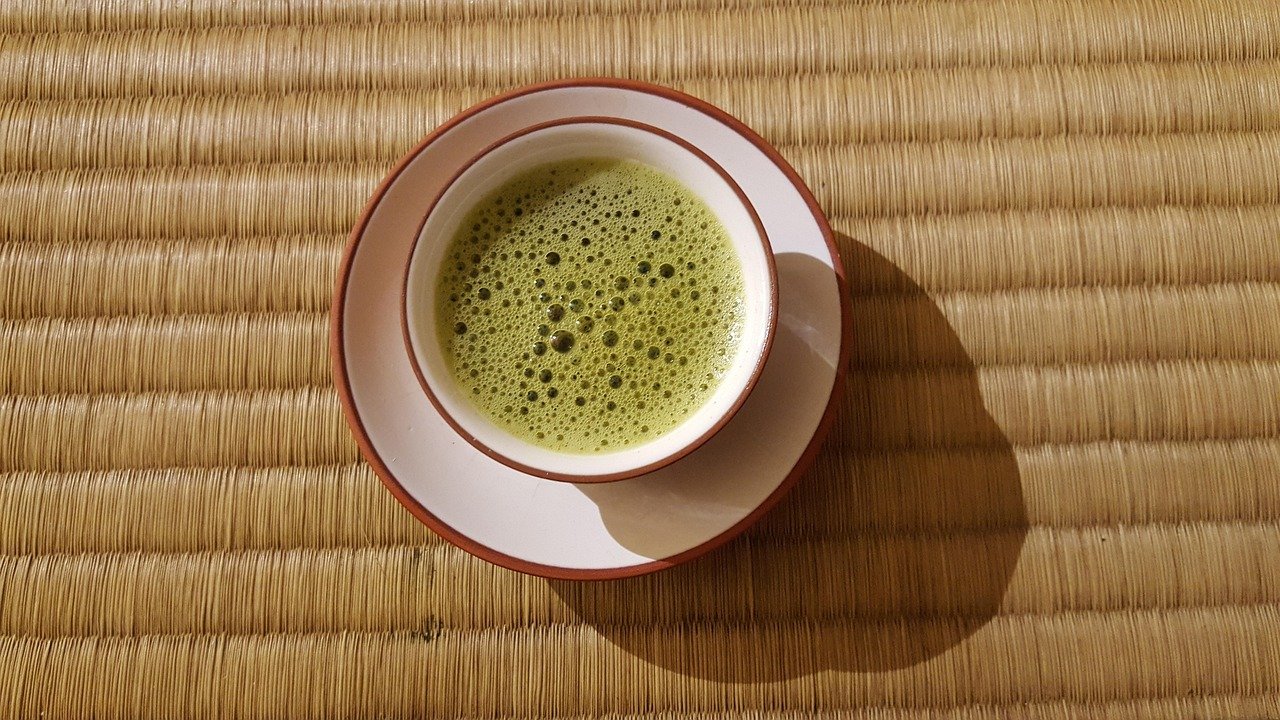

What if the bitter, clumpy green drink people either love or hate is not matcha’s fault at all, but the way it was whisked? Most bad cups come down to a handful of fixable mistakes: water that is too hot, powder that was never sifted, or a quick stir with a spoon instead of a proper whisk. Get those basics right and matcha turns into something else entirely, sweet and grassy with a soft foam on top.
This guide walks through the whole process, from choosing the powder to whisking it like someone who has done it more than once. It covers the two traditional styles, the tools that matter and the ones that do not, and the mistakes that ruin a bowl before anyone takes a sip.
What Matcha Actually Is
Matcha is powdered green tea made from shade-grown leaves. Farmers cover the tea plants for roughly 20 to 30 days before harvest, which cuts down sunlight. That shading raises theanine and chlorophyll and lowers catechins, and the result is the sweetness and deep green color people associate with good matcha. The exact shading period shifts by region and producer, so treat that range as typical practice rather than a fixed rule.
After harvest, the leaves are steamed, dried, and stripped of stems and veins to make a base tea called tencha. Tencha is then ground into the fine powder sold as matcha, traditionally on stone mills. Because the whole leaf ends up in the bowl, matcha is not the same drink as sencha or gyokuro, even though all three come from the same plant, Camellia sinensis.
The tradition itself is Japanese, with roots in earlier Chinese powdered-tea practice. Precise dates for that transmission are debated, so it is safer to think of matcha as a Japanese development of a much older idea than to pin it to a single year.
The Tools That Matter and the Ones That Do Not
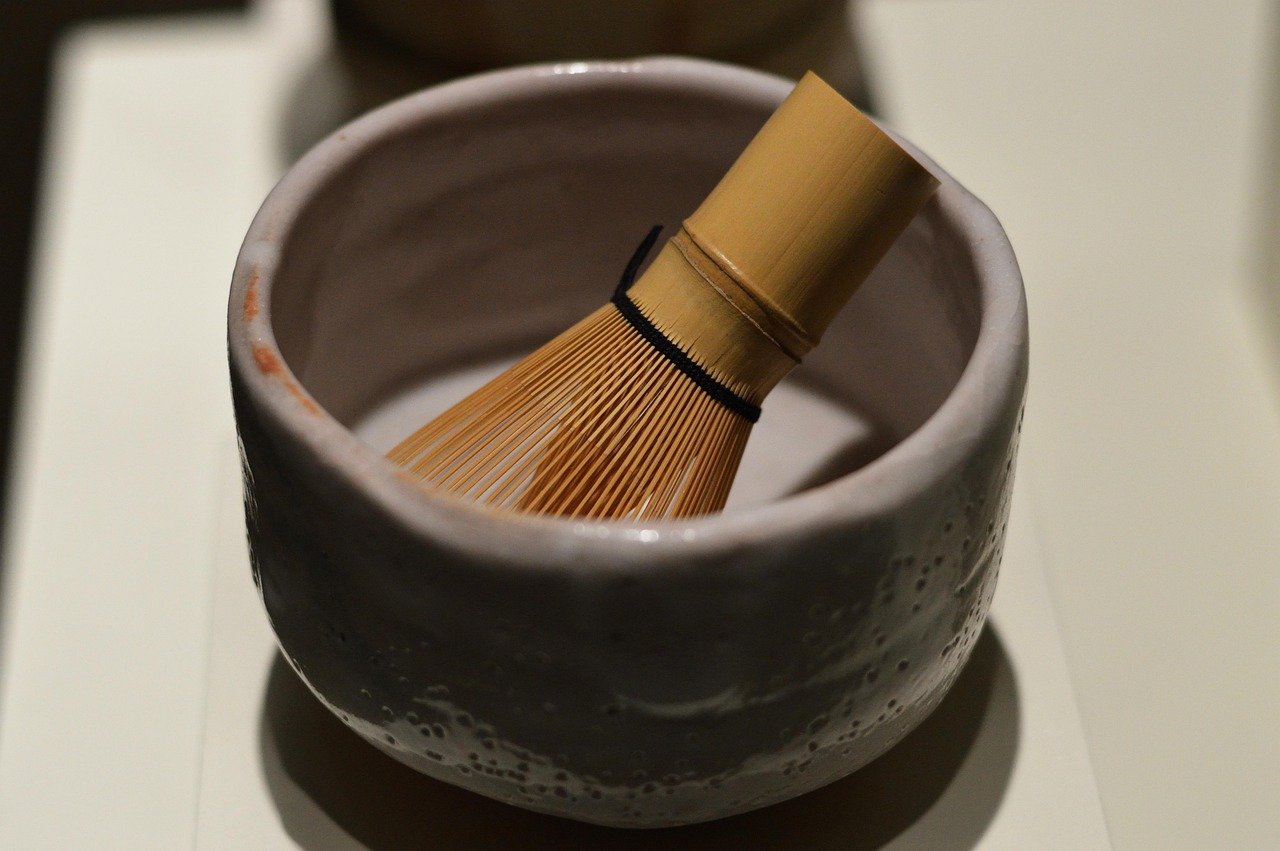
A full tea ceremony setup is lovely, but it is not required for a good cup at home. Here is what actually earns its place on the counter.
| Tool | What it does | Can you skip it? |
|---|---|---|
| Chasen (bamboo whisk) | Breaks up clumps and builds foam | Hard to replace well; a milk frother is the closest stand-in |
| Chawan (wide bowl) | Gives room for whisking | Any wide, deep bowl works |
| Sifter (fine mesh) | Removes lumps before whisking | No, this one matters |
| Measuring spoon or scale | Keeps the ratio consistent | A kitchen scale is better, but a spoon is fine |
| Kettle with temperature control | Keeps water below boiling | A kettle plus a thermometer or a cold-water splash works |
A chashaku, the traditional bamboo scoop, is nice to have but not essential. A small spoon does the same job. What is not optional is the sifter. Skipping it is the single most common reason home matcha comes out lumpy.
Step-by-Step: How to Make Matcha
Step 1: Sift the Powder
Set a fine-mesh strainer over the bowl and press the matcha through it with a small spoon or the back of a measuring spoon. This takes about thirty seconds and prevents the dry pockets that survive even vigorous whisking. If a recipe tells you to skip this, ignore it.
Step 2: Heat the Water, Then Let It Cool
Very hot water makes matcha bitter. Common guidance puts the water at roughly 70 to 80 °C (158 to 176 °F), well below boiling. This range is a widely repeated rule of thumb rather than an official standard, so taste is the real judge. If the tea tastes harsh and drying, the water was probably too hot.
No thermometer? Boil the kettle, then pour the water into a second cup and let it sit for a few minutes. Splashing a little cold water in works too.
Step 3: Measure
For usucha, the thin, frothy style most people drink, use about 1.5 to 2 grams of matcha to roughly 70 ml of water. That is a rounded half-teaspoon of powder and a small bowl of water. For koicha, the thick style, use much more powder to less water and whisk it slowly into a paste rather than a foam. Exact ratios vary by tea school and source, so start with the usucha numbers and adjust.
Step 4: Whisk in a W or M Motion
Pour the water over the powder, then hold the bowl steady with one hand. With the chasen, whisk briskly in a W or M pattern, keeping the tines near the bottom of the bowl rather than scraping the sides. Move from the wrist, not the whole arm. After about fifteen to twenty seconds, slow down and lift the whisk gently through the center to break up any large bubbles. The foam should be fine and even, not a raft of big soapy bubbles.
Step 5: Drink It Right Away
Matcha settles, so give it a quick swirl before each sip. It is best drunk within a few minutes of whisking.
Usucha vs. Koicha: Which Style to Make
The two traditional styles have different strengths and are different drinks with different purposes.
| Usucha (thin tea) | Koicha (thick tea) | |
|---|---|---|
| Powder | About 1.5 to 2 g | Much more, often several grams |
| Water | Roughly 70 ml | Less water, higher powder-to-water ratio |
| Texture | Light foam over liquid | Thick paste, no foam |
| Whisking | Brisk W or M motion | Slow, folding motion |
| Best for | Everyday drinking, beginners | Ceremonial settings, experienced palates |
Beginners should start with usucha. Koicha is unforgiving of cheap, bitter powder, because there is nowhere for off-flavors to hide.
Understanding Matcha Grades
Walk into any tea shop and you will see “ceremonial” and “culinary” on the tins. Here is the awkward truth: these are trade terms, not regulated grades. No single official standard defines them, so treat the labels as marketing shorthand rather than a guarantee.
In practice, ceremonial-grade matcha tends to be made from younger leaves, is brighter green, and is smoother when whisked with water. Culinary-grade matcha is usually cheaper, more bitter, and better suited to lattes, baking, and smoothies where milk and sugar carry the flavor. Buying ceremonial powder to blend into a banana smoothie is a waste of money. Buying culinary powder to drink plain is a quick route to disappointment.
Color is a decent informal clue. Fresh, high-quality matcha is vivid green. Powder that has faded toward yellow-brown has usually lost its edge, whether from age or poor storage.
Common Mistakes That Ruin a Bowl
Most matcha failures trace back to a short list of habits.
- Using boiling water. This is the big one. It pulls out bitterness and turns a sweet cup harsh.
- Skipping the sift. Lumps do not whisk out; they just get smaller and more annoying.
- Whisking in a mug. Narrow walls stop the whisk from moving properly. A wide bowl gives the tines room to work.
- Scraping the bowl. Pressing the chasen hard against the bottom flattens the tines and shortens its life.
- Stirring instead of whisking. A spoon makes a cloudy suspension, not a foam.
- Storing the tin on the windowsill. Light and heat are matcha’s enemies.
Storage deserves its own note. Matcha oxidizes and loses color and flavor when exposed to light, heat, and air. Keep it sealed, cool, and dark, and use it within weeks of opening. A tin in the fridge door is fine if it is truly airtight, but condensation from repeated temperature swings can do damage, so many people simply keep a small tin in a dark cupboard and buy in modest amounts.
What About Caffeine?
Because the whole leaf is consumed rather than steeped and discarded, matcha delivers a meaningful dose of caffeine per serving. Amounts vary widely by grade and serving size, so a single number would be misleading. Anyone watching their intake should check public-health guidance on caffeine limits rather than relying on tea packaging, which is not required to state caffeine content clearly. Pregnant people, children, and anyone sensitive to caffeine should pay particular attention to serving size.
Making a Matcha Latte Without Wrecking It
The latte is where good matcha often goes to die, usually because people dump powder straight into hot milk. The fix is simple: make a proper usucha first, using the full whisking method with water, then pour it into warmed milk. The foam survives, the powder stays smooth, and the flavor holds up against the dairy.
A few practical notes. Use less water for the base if you want a stronger drink, roughly 40 to 50 ml. Whole milk gives the creamiest result, but oat and soy work well too. Sweeten with a little honey or syrup if you like, though good ceremonial matcha rarely needs it. Iced versions work best when the matcha base is whisked at normal strength and poured over plenty of ice, since dilution is the enemy.
Baking with matcha follows different rules. Culinary grade is the sensible choice, and recipes usually call for sifting the powder with the dry ingredients to distribute it evenly. Clumps in a cake batter behave exactly like clumps in a bowl of tea.
A Note on Hair, Tea, and Curious Searches
Matcha advice sometimes turns up in unexpected places online, and people searching for hair care occasionally land on tea pages and vice versa. The two topics rarely overlap, but readers comparing curl patterns and textures may find themselves looking at guides to 4c hair or the looser 2b hair type while a kettle heats. It is a strange corner of the internet, but harmless. Some beauty routines do use matcha powder in masks, though the evidence for topical benefits is thin and the powder is better spent in a bowl. For anyone who arrived from a different search entirely, whether about tea rituals or about the row of products on a beauty shelf, the takeaway is the same: check what a label actually promises before trusting it.
Conclusion
Making good matcha is less about ceremony and more about a few small disciplines. Sift the powder. Keep the water below boiling. Whisk briskly in a W or M motion in a bowl wide enough to allow it. Use the right grade for the job, store the tin away from light and heat, and drink the result fresh.
None of this requires a tea house or years of practice. A bowl, a bamboo whisk, a small strainer, and a kettle will get most people to a cup that tastes nothing like the bitter green liquid they remember. Start with usucha, learn how the powder behaves, and adjust the ratio and temperature to taste. The first properly whisked bowl is usually the moment matcha stops being a chore and becomes a habit.
Frequently Asked Questions
Can I make matcha without a bamboo whisk?
Yes, though the result differs. A small electric milk frother can build a decent foam, and a fine sieve plus a vigorous shake in a sealed jar is a workable improvised method. A fork or a spoon will mix the powder into the water but will not create real foam, so expect a flatter, less airy drink.
Why does my matcha taste bitter?
Bitterness usually comes from water that is too hot, too much powder for the amount of water, or low-grade matcha. Try cooling the water to around 70 to 80 °C, cutting back slightly on the powder, and sifting before whisking. If the powder itself is old or faded to yellow-brown, no technique will rescue it.
How much caffeine is in a bowl of matcha?
It varies widely by grade and serving size, because the whole leaf is consumed rather than steeped and discarded. Rather than relying on a single figure, check public-health guidance on daily caffeine limits and adjust your serving size accordingly. Anyone pregnant or sensitive to caffeine should be careful with portions.
What is the difference between ceremonial and culinary matcha?
These are trade terms, not regulated grades, so definitions vary between sellers. In general, ceremonial matcha is smoother, brighter, and meant for drinking with water, while culinary matcha is cheaper, more bitter, and intended for lattes, baking, and smoothies. Neither label is legally enforced.
Can I use boiling water if I am in a hurry?
It will work, but the tea will taste harsher and more astringent. If time is tight, pour the boiled water into a second cup first and let it sit for a couple of minutes, or add a splash of cold water. That small pause makes a noticeable difference in the cup.
How should I store matcha so it stays fresh?
Keep it sealed in an airtight container, away from light and heat, and use it within a few weeks of opening. Matcha oxidizes quickly and loses both color and flavor when exposed to air. Buy smaller amounts more often rather than a large tin that sits open for months.









