

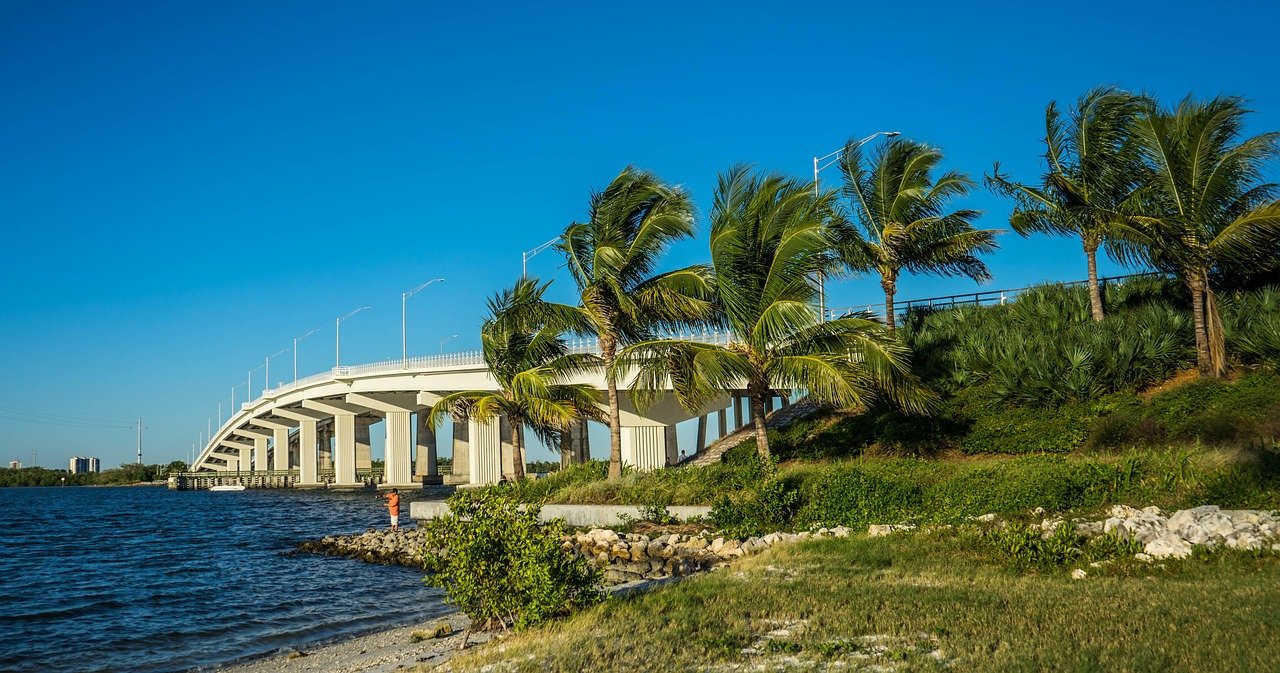

What if the Florida beach trip you keep picturing actually exists, and it’s on a barrier island most travelers drive right past?
That’s the strange position Marco Island occupies. It sits in the Gulf of Mexico off southwest Florida, in Collier County, just south of Naples. It’s often described as the largest barrier island in Florida, roughly four by six miles across. It has white sand, warm Gulf water, a real year-round community, and a land-use history dramatic enough to fill a documentary. Yet plenty of people who visit Naples never cross the bridge.
This guide treats “Florida Marco” the way most readers actually mean it: Marco Island, the place. It covers how the island came to look the way it does, what a first-time visitor should expect, what full-time and seasonal residents deal with, and the honest trade-offs that rarely make the tourism brochures.
Where Marco Island Actually Sits
Geography first, because it explains almost everything else. Marco Island sits at the northern entrance to the Ten Thousand Islands, a maze of mangrove islets stretching southeast along the Gulf coast. The island itself is bounded by the Gulf on the west, the Marco River and Collier Bay on the north, and the islands and estuaries to the south and east.
Two things follow from that location:
- The beaches face west. That means sunset is the main event, not sunrise, and the sand stays relatively calm compared to Florida’s Atlantic coast.
- The back side is estuary. The sheltered water, mangroves, and tidal creeks behind the island are ecologically rich and heavily protected.
Nearby protected areas matter to visitors more than they might expect. The Rookery Bay National Estuarine Research Reserve and the Ten Thousand Islands National Wildlife Refuge sit in the island’s neighborhood, which keeps large stretches of the surrounding water and shoreline in a natural state. For travelers who want birds, kayaking, and quiet backwater over crowded sand, that’s the whole appeal.
A Short History That Explains the Layout

Long before any bridge or canal, the island was home to the Calusa, a powerful pre-contact people who built shell mounds and left behind artifacts that archaeologists still study. If you want context before you go, Florida’s state historical resources are the place to start.
The modern island, though, was shaped by the 1960s and 1970s. Large-scale residential development, including canals and dredge-and-fill work, transformed the island under the Deltona Corporation. That era gave Marco Island its distinctive look: grid-like streets, waterway after waterway, and homes with docks in the backyard.
It also produced a fight. Development disputes over wetlands and permits culminated in a 1976 federal veto of a related U.S. Army Corps of Engineers permit, a decision commonly remembered as the Deltona ruling. The episode became a landmark in American wetlands policy and permanently changed how much of the island could be built out.
Marco Island incorporated as a city in 1997, making it one of Florida’s newer municipalities. That matters because the city, not the county alone, controls many of the rules that affect short-term rentals, noise, and building.
The practical takeaway for a visitor: the island you see is a mid-century development project that got partly stopped. That’s why you find dense canal neighborhoods on one side and untouched mangrove estuary on the other.
What a First Visit Looks Like
Most first-timers arrive over the Judge S.S. Jolley Bridge from the mainland. The drive in is unremarkable; the payoff comes once you’re on the island.
The beaches
The main public beach access is on the Gulf side, with paid parking that fills early in peak season. Two habits separate a good beach day from a frustrating one:
- Arrive before mid-morning in winter and spring. Parking is the bottleneck, not sand space.
- Bring cash or a card and expect a fee. This isn’t a free-for-all beach town.
The sand is fine and pale, the water is typically calm, and the shelling is genuinely good, especially after weather. If you have curly hair and salt air wrecks your routine, you’re not imagining it; coastal humidity is brutal on certain textures, and travelers with 2b hair often find a leave-in conditioner and a hat do more than any styling tool.
The water
Boating is the second half of the Marco Island experience. Dolphin tours, shelling excursions to remote islands, kayak rentals into the mangroves, and fishing charters all operate from the island. The backwater is shallow and maze-like, which is exactly why a guided trip beats a rental boat for newcomers.
The pace
This is not South Beach. Evenings center on sunset, dinner, and an early night. Travelers looking for nightlife will be bored by Wednesday. (The row)
Seasonal Rhythms: When to Go and What It Costs
Marco Island’s economy runs on tourism and second homes, and the population swings hard with the seasons. That single fact drives pricing, traffic, and restaurant wait times.
| Season | Typical conditions | Crowds and prices | Best for |
|---|---|---|---|
| January to April | Dry, mild, busy | Peak crowds, highest lodging rates | Snowbirds, boating, festivals |
| May | Warm, drying out | Moderate | Value seekers, good fishing |
| June to September | Hot, humid, afternoon storms | Lower rates, thinner crowds | Budget trips, families on school break |
| October to December | Cooling, hurricane season tail | Rising rates, moderate crowds | Quiet beach days, shelling |
A few practical notes that come from how the island actually operates:
- Winter is the season. Restaurants take reservations seriously then, and walk-ins get turned away. Book ahead.
- Summer afternoons storm. Plan outdoor activity for the morning. This is standard Florida rhythm and locals follow it without thinking.
- Hurricane season runs June through November. Buy travel insurance for late-summer and fall trips. This is not pessimism; it’s the cost of doing business on a Gulf barrier island.
Living There: What Residents Actually Deal With
People fall in love with Marco Island on vacation and start browsing listings. That’s a common story, and it deserves a clear-eyed look.
The good
- No state income tax in Florida, which draws retirees and remote workers alike.
- Strong services for a city of its size, with a full-time police and fire presence.
- Genuine community. This isn’t a resort with a mailing address; there are churches, clubs, youth sports, and a year-round core of residents.
The trade-offs
- Insurance costs. Coastal Florida property insurance has become a serious line item. Get quotes before you fall for a house.
- Seasonal whiplash. Roads and restaurants that are unbearable in February are pleasantly empty in August. Some people love that; others find it eerie.
- Heat and humidity. From June through September, outdoor work happens early or not at all.
- Flood exposure. Much of the island is low-lying and canal-lined. Check elevation and flood zone before buying anything.
If you’re comparing Marco Island to other Florida beach towns, the honest framing is this: it’s quieter and more residential than the Atlantic coast cities, with better shelling and calmer water, but fewer restaurants and less energy. Whether that’s a feature or a bug depends entirely on what you want from a Tuesday night.
Common Mistakes Visitors Make
A short list, drawn from how the island actually works:
- Treating it as a day trip from Naples. You’ll spend your time parking and leave without seeing the water. Give it at least a full day, ideally two.
- Skipping the backwater. The estuary is the reason the island is interesting. Book a boat or kayak trip.
- Underestimating sun and heat. Reapply sunscreen more often than feels necessary, and drink water before you’re thirsty.
- Assuming every beach access is public and free. It isn’t. Check access points and parking rules in advance.
- Booking peak-season dining on the fly. Reserve, especially for weekend dinners from January through April.
- Ignoring tide charts. Shelling and sandbar walks depend on tide. A little planning changes the whole day.
Pairing Marco With the Rest of Southwest Florida
Marco Island works best as part of a broader trip. Naples, about twenty minutes north, offers upscale dining and a walkable downtown. Everglades City and the western Everglades are within reach for airboat tours and swamp walks. And the Ten Thousand Islands themselves reward anyone willing to get on the water early.
For travelers building an itinerary around hair-friendly beach days and low-maintenance routines, texture matters: 4c hair needs different protection from salt, sun, and chlorine than finer textures do, so pack accordingly rather than buying on the island at resort prices.
One more local habit worth copying: many residents and repeat visitors plan their day around the tide and the sun rather than the clock. Morning for water and errands, afternoon for shade, evening for the beach. It sounds obvious. It’s also the difference between a tiring trip and a restful one.
Conclusion
Marco Island is one of the more interesting places in Florida precisely because it isn’t a pure resort. It’s a real city with a real history, a development story that ended in a landmark environmental fight, and a landscape split between dense canal neighborhoods and protected mangrove estuary. Visitors get calm Gulf water, excellent shelling, and a slow pace. Residents get community and no state income tax, paid for with insurance premiums and summer heat.
The best approach is neither hype nor dismissal. Go in with realistic expectations, plan around the season and the tide, book the boat trip, and reserve dinner in February. Do that, and the island delivers exactly what it promises: a quieter, more residential version of the Florida beach trip, with a genuinely wild backwater right behind it.
Frequently Asked Questions
Is Marco Island worth visiting?
Yes, for the right traveler. It suits people who want calm Gulf beaches, good shelling, boating, and a quiet pace. It’s a poor fit for anyone seeking nightlife or a walkable resort strip. Two full days is enough to see it properly.
What is the best time of year to visit Marco Island?
January through April offers the most reliable weather, but it’s also the busiest and most expensive stretch. May and October through December often deliver a better balance of weather and value. Summer is hot, humid, and storm-prone but far cheaper.
How do you get to Marco Island?
Most visitors fly into Southwest Florida International Airport near Fort Myers and drive about 45 to 60 minutes south. Others arrive via Naples. The island connects to the mainland by bridge, and a car is essentially required once you’re there.
Is Marco Island expensive?
It can be. Peak-season lodging and dining run high, and beach parking carries a fee. Summer and fall bring meaningful discounts. For residents, the bigger costs are property insurance and flood coverage rather than day-to-day expenses.
Can you swim at Marco Island beaches?
Generally yes. The Gulf side is typically calm and swimmable, though conditions change with weather and tides. Follow posted flags and lifeguard guidance, and be cautious around inlet currents and boat channels.
What is Marco Island known for?
It’s known for being Florida’s largest barrier island, for its place at the northern entrance to the Ten Thousand Islands, for its Calusa heritage, and for its 1970s canal development that triggered a landmark wetlands dispute. It’s also known for shelling, sunsets, and a residential rather than resort atmosphere.
For anyone weighing a move, the practical advice is to rent for a full off-season before buying. A February visit shows the island at its best and most crowded; an August stay reveals the heat, the storms, and the quiet that residents actually live with. Talk to year-round neighbors, get insurance quotes in writing, and check flood elevation before committing. Marco Island rewards informed expectations more than impulse, and the same holds true whether you’re staying a weekend or a decade.









