

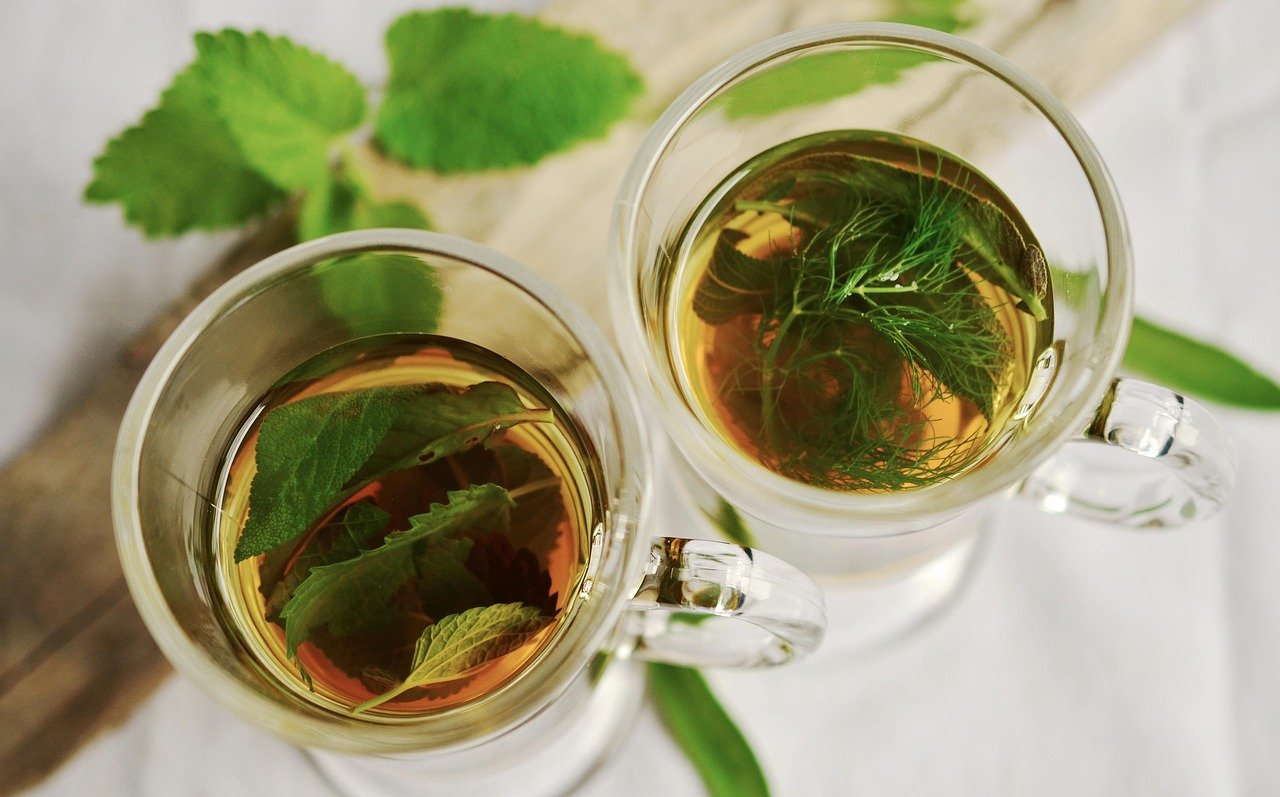

Can a cup of tea really change how a pregnancy ends? That question has followed raspberry leaf tea for generations. Midwives mention it. Forums debate it. Grandmothers swear by it. Yet when researchers went looking for hard proof, they found far less than the folklore promises. This article walks through what raspberry leaf tea actually is, what it may and may not do, who should be careful with it, and how to brew a cup that tastes decent rather than like stewed hay.
What Is Raspberry Leaf Tea, Exactly?
Raspberry leaf tea is an infusion made from the dried leaves of Rubus idaeus, the same plant that gives you red raspberries. The important detail is that the leaf is not the fruit. Drinking the tea does not deliver a meaningful dose of the fruit’s vitamin C or its sugars. You are drinking a leafy herbal infusion with its own distinct chemistry, closer in spirit to nettle or blackberry leaf tea than to anything fruity.
The leaves contain tannins, flavonoids, and other polyphenols. Older herbal texts credited a compound called “fragarine” with the plant’s supposed uterine effects, but modern literature characterizes that compound poorly. In plain terms, nobody has cleanly isolated a single active ingredient that explains the traditional reputation.
Taste-wise, expect something mild, slightly astringent, and earthy, with a faint raspberry note more in the aroma than the flavor. It is not sweet. If you are imagining fruit tea, adjust expectations.
Why Raspberry Leaf Tea Is Famous
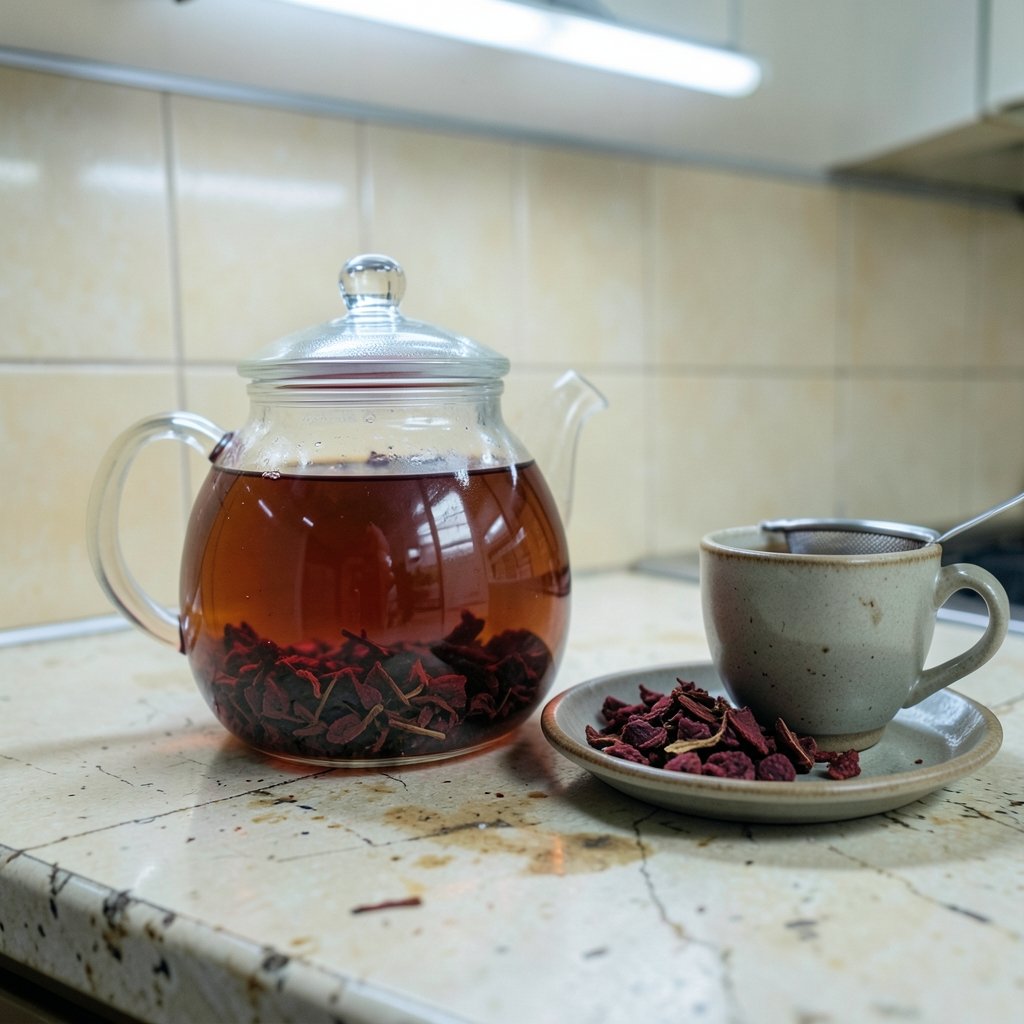
The plant’s fame comes almost entirely from one context: late pregnancy and childbirth. Western herbal medicine has a long tradition of giving raspberry leaf in the final weeks of pregnancy, based on the belief that it tones the uterus and may make labor easier. That belief is traditional use, not established efficacy. The distinction matters more than most tea articles admit.
Here is where the evidence actually stands. The most-cited clinical study is a small randomized controlled trial published in the Journal of Midwifery & Women’s Health in 2001. It found that raspberry leaf did not shorten the first stage of labor, but it appeared to shorten the second stage and reduce the need for forceps. The authors themselves called for larger trials. One small trial is a hint, not a verdict.
A Cochrane systematic review followed in 2009 and concluded there was insufficient evidence to support or refute the use of raspberry leaf for labor. That is the honest summary of the science: we do not know. Anyone who tells you the case is closed in either direction is overselling.
The Safety Question Nobody Settles
Because the evidence is thin, safety in pregnancy is not established either. Official guidance generally leans toward caution and talking to a clinician before use during pregnancy. Product quality and strength vary widely between brands, and interactions with medicines are not well studied. That is not a reason to panic about a cup of tea, but it is a reason to treat it as a herbal product with real unknowns rather than a harmless flavored water.
What About Cramps, Hormones, and “Detox”?
Search around and you will find raspberry leaf tea sold for menstrual cramps, heavy periods, hormonal balance, and general “cleansing.” The supporting evidence for these uses is thin to nonexistent. The tannins may soothe an upset stomach in the same modest way strong black tea can, and a warm drink is comforting regardless. But claims that the tea regulates hormones or detoxifies the body are marketing, not science.
A fair way to think about it: raspberry leaf tea is a pleasant, caffeine-free herbal drink with a long traditional reputation and a small, inconclusive evidence base. If you enjoy it, that is a legitimate reason to drink it.
How to Brew It So It Actually Tastes Good
Most people who dislike raspberry leaf tea have simply had a bad cup. The leaf turns bitter and tannic fast if you over-steep it. Practical brewing that works:
- Use one heaped teaspoon of dried leaf, or one tea bag, per cup of water just off the boil.
- Steep for 5 to 10 minutes. Start at five, taste, and stop when it suits you. Longer means more astringency.
- Remove the leaf or bag. Leaving it in the cup keeps extracting bitterness.
- Add a slice of fresh lemon or a little honey if the earthiness bothers you.
- For iced tea, brew strong, cool fully, then pour over ice so it does not dilute to nothing.
Common mistakes worth avoiding: boiling the leaf for ten minutes like a decoction, using water that has gone flat, and buying a bag that has sat open in a cupboard for two years. Store dried leaf in a sealed jar away from light and heat, and it will hold its flavor far longer.
If you enjoy exploring herbal infusions by hair type and texture in beauty routines, the same curiosity applies to tea shelves: different leaves suit different palates, and the only real test is your own cup. (4c hair)
Who Should Be Cautious
Raspberry leaf tea is generally considered safe for most adults in normal food amounts, but a few groups should slow down:
| Group | What to know |
|---|---|
| Pregnant people | Evidence is insufficient; talk to a midwife or doctor before using it deliberately in late pregnancy |
| People on medication | Interactions are not well studied; ask a pharmacist if you take regular prescriptions |
| People with hormone-sensitive conditions | No good evidence either way; medical advice is sensible |
| Anyone with a known allergy to Rosaceae plants | Avoid, since raspberry belongs to that family |
One more practical note: “pregnancy tea” blends often combine raspberry leaf with other herbs, some of which carry their own cautions. Read the full ingredient list rather than trusting the front of the box. (The row)
Raspberry Leaf vs. Other Herbal Teas
How does it compare with the other cups on the shelf? A quick comparison helps set expectations.
| Tea | Main reputation | Caffeine | Evidence strength |
|---|---|---|---|
| Raspberry leaf | Uterine toning, labor support (traditional) | None | One small trial; Cochrane found insufficient evidence |
| Peppermint | Digestion, nausea | None | Moderate for some digestive symptoms |
| Chamomile | Calm, sleep | None | Modest, growing evidence |
| Nettle | General tonic, allergies | None | Limited |
| Black tea | Energy, alertness | Yes | Strong for caffeine effects |
The pattern is clear: raspberry leaf sits in the “traditional but unproven” column, alongside most herbal infusions. That does not make it worthless. It makes it a tea, not a treatment.
Buying Quality: What to Look For
Because herbal products are lightly regulated in many countries, quality varies. Useful checks before you buy:
- Latin name on the label. Look for Rubus idaeus. If the plant name is missing, the contents are a guess.
- Loose leaf over dust. Whole or cut leaf generally tastes better than fine dust in a bag.
- A harvest or best-before date. Herbal leaf loses aroma and potency over time.
- A short ingredient list. Single-ingredient products are easier to evaluate than blends.
- Clear brewing instructions. A brand that tells you how long to steep cares about the cup you drink.
The European Medicines Agency publishes a community herbal monograph on Rubus idaeus leaf that sets out accepted traditional uses and dosing for herbal medicinal products in the EU. It is a useful reference point for what regulators consider traditional, though it is not a stamp of proven efficacy.
The Honest Bottom Line on the Research
It is worth restating the evidence gap because so much writing on this topic glosses over it. The strongest claims about raspberry leaf rest on a single small trial from 2001 and a systematic review that found insufficient evidence. That is a thin foundation for the confident claims you see online. Traditional use has value as a record of what people have done for centuries, but tradition is not the same as proof, and a plant being natural does not make it risk-free or effective.
What the research does support is modest: the tea is a caffeine-free herbal drink with a long history, generally well tolerated by most adults, and pleasant enough once you learn to brew it properly. What it does not support is any promise about labor outcomes, hormone balance, or detoxification. Treat those claims with the skepticism you would give any product promising to fix complex biology with a hot drink.
Conclusion
Raspberry leaf tea is one of those rare products that is both overhyped and underrated. Overhyped, because the science behind its famous pregnancy reputation is one small trial and a review that found too little evidence to judge. Underrated, because as a plain, caffeine-free, slightly earthy herbal infusion, it is genuinely enjoyable when brewed with a light hand and a squeeze of lemon. The sensible approach is simple: enjoy it as a tea, be honest about what it can and cannot do, and if you are pregnant or taking regular medication, have a quick conversation with a clinician before making it a daily habit. A good cup of tea deserves that much honesty.
Frequently Asked Questions
Is raspberry leaf tea safe during pregnancy?
The evidence is not strong enough to call it proven safe or proven effective in pregnancy. Official guidance generally advises caution and checking with a midwife or doctor before using it deliberately in late pregnancy. Many people do drink it, but “many people do” is not the same as “established as safe.” If you are pregnant, ask your clinician rather than relying on forum advice. (2b hair)
Does raspberry leaf tea actually start labor or shorten it?
No good evidence shows it starts labor. The most-cited trial, from 2001, found it did not shorten the first stage of labor but appeared to shorten the second stage and reduce forceps use. A later systematic review found insufficient evidence to support or refute the practice. One small trial is a hint, not proof, and the authors themselves asked for larger studies.
How much raspberry leaf tea can you drink a day?
There is no universally agreed limit, and products vary in strength. For general enjoyment, one to three cups a day is a common, moderate pattern among adults who are not pregnant. Because interactions with medicines are not well studied, anyone on regular prescriptions should ask a pharmacist before drinking it daily.
What does raspberry leaf tea taste like?
It tastes mild, earthy, and slightly astringent, with a faint raspberry aroma but little fruit sweetness. Over-steeping makes it bitter and drying because of the tannins. Steep for five to ten minutes, then remove the leaf. A slice of lemon or a little honey softens the earthiness considerably.
Does raspberry leaf tea help with period cramps?
There is no solid clinical evidence that it does. The reputation comes from traditional use rather than controlled studies. A warm, caffeine-free drink can be comforting during cramps, and the tannins may settle a mildly upset stomach, but claims about hormone regulation or cramp relief are not backed by good research.
Is it okay to drink raspberry leaf tea every day?
For most non-pregnant adults, daily drinking in moderate amounts is considered low risk, though long-term safety data is limited. Rotate with other caffeine-free infusions if you like variety, store the leaf properly, and stop if you notice any unusual reaction. Anyone with a hormone-sensitive condition or an allergy to Rosaceae plants should get medical advice first.









