

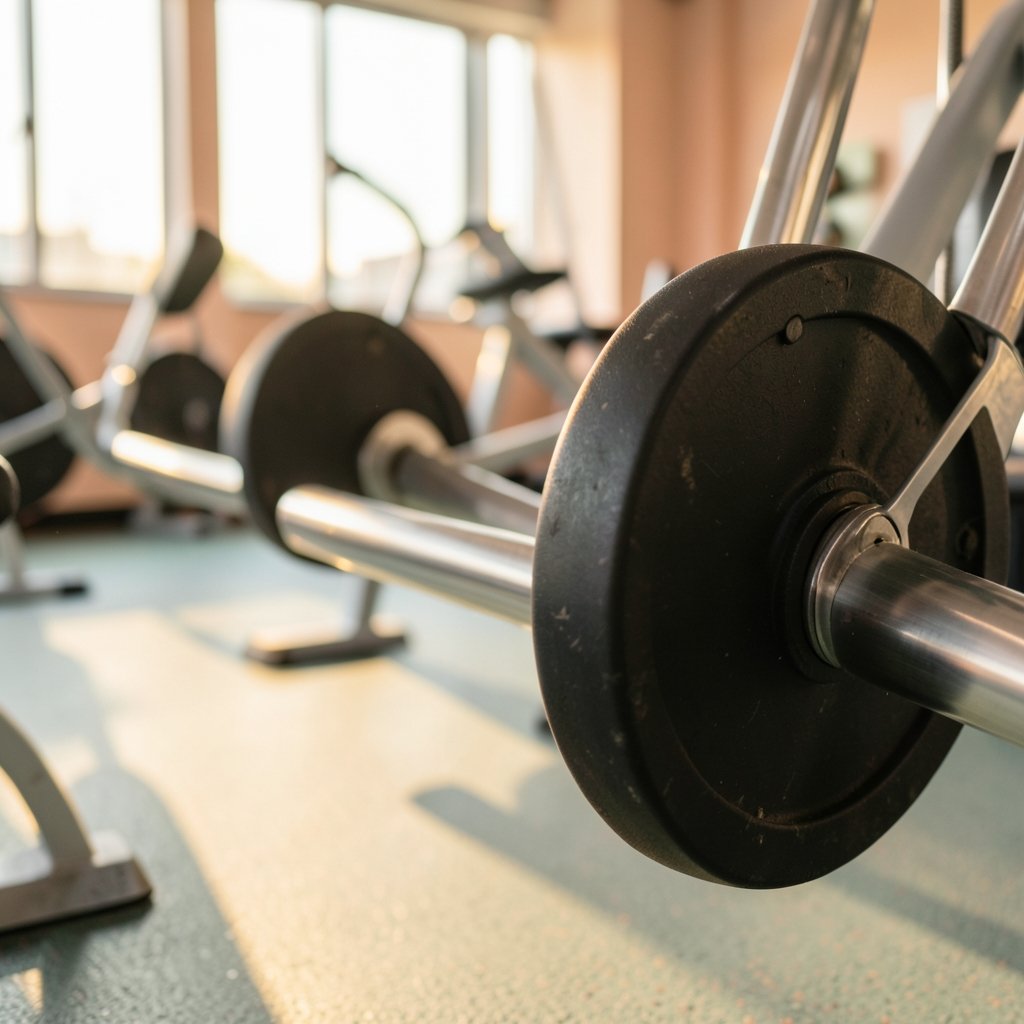
What if the squat rack you have been avoiding is actually the smartest piece of equipment in the gym? Walk into any commercial gym and you will find at least three machines with the word “squat” in their name. They look nothing alike, they load the body differently, and they are not interchangeable. That confusion sends plenty of lifters back to the barbell rack or, worse, to the couch.
This guide sorts out what a squat machine really is, how the main types differ, and how to choose one that matches your goals, your space, and your joints. No hype, no brand loyalty, just the practical stuff that matters.
What Counts as a Squat Machine?
Here is the first surprise: “squat machine” is not a standardized term. It is a catch-all label that covers at least five distinct pieces of equipment. Depending on who is talking, it can mean:
- A Smith machine, where a barbell rides on fixed vertical or slightly angled rails with hooks for racking.
- A hack squat machine, an angled sled with a back pad and shoulder pads.
- A pendulum squat machine, which swings the load on an arc.
- A belt squat machine, which loads weight through a belt around the hips.
- A V-squat or linear squat machine, a guided sled that moves on a fixed track.
Because the term is loose, research studies on “machine squats” are not interchangeable either. A study on a hack squat tells you little about a belt squat. When you read training advice, check which machine the author actually means before you apply it.
The Main Types Compared
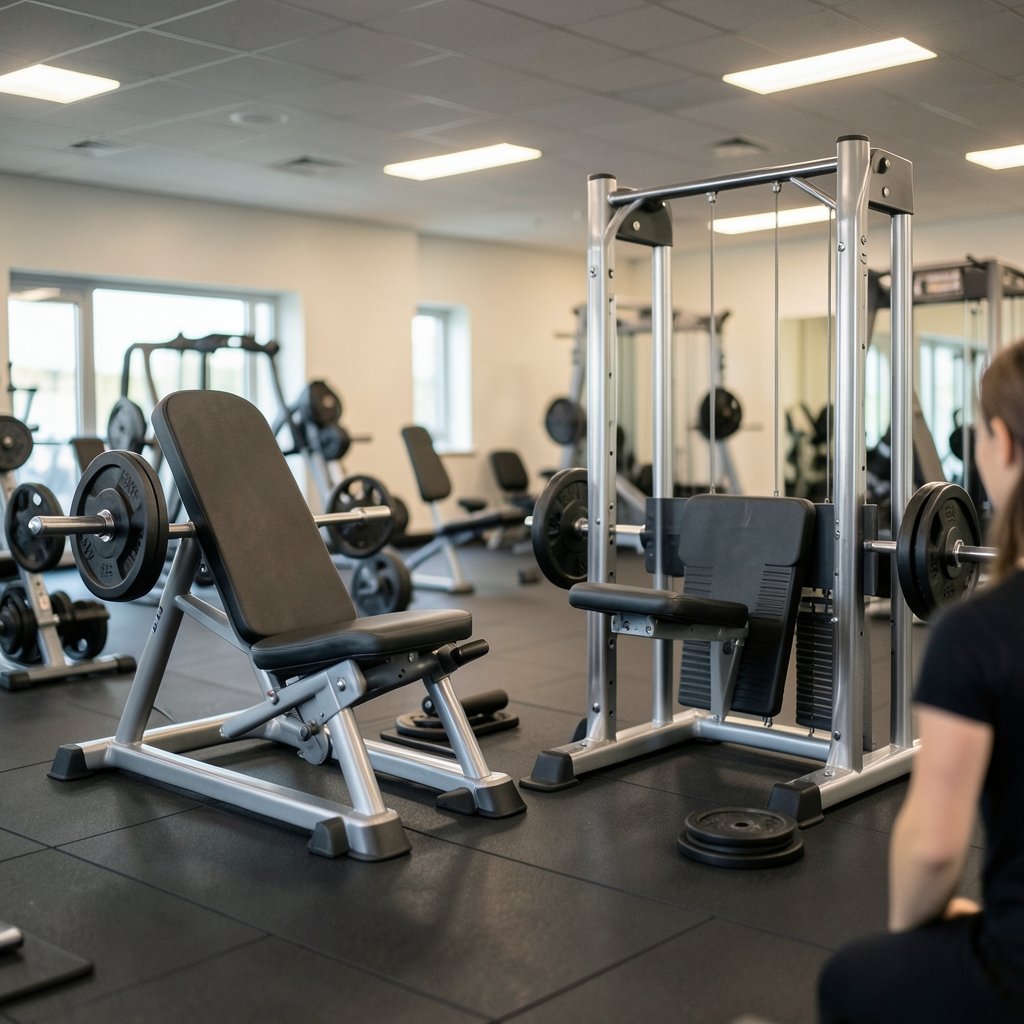
Each design solves a different problem. The table below gives the quick version.
| Machine type | How it loads you | Best for | Main trade-off |
|---|---|---|---|
| Smith machine | Barbell fixed on rails | Learning squat patterns, solo training without a spotter | Fixed bar path may not suit every body |
| Hack squat | Angled sled, back and shoulder pads | Heavy quad work with low balance demand | Deep knee flexion can stress some knees |
| Pendulum squat | Swinging arc, back pad | Smooth resistance curve, joint-friendly feel | Less common, takes time to learn |
| Belt squat | Weight hangs from a hip belt | Leg training with reduced spinal load | Setup time, belt fit matters |
| V-squat / linear | Guided sled on a track | Beginners, high-rep work | Limited carryover to free squats |
The pattern is simple. Machines trade freedom for control. They constrain the path of the load, cut down on balance and stabilizer demands, and let you push the working muscles harder with less technical risk. Whether that trade is good depends entirely on what you want.
Smith Machine: The Familiar Starting Point
The Smith machine is the most recognizable squat machine in most gyms. A barbell sits on guide rails, and you twist the bar to unhook it. The rails handle balance, so you can focus on pushing.
The machine is often credited to Rudy Smith in the 1950s, though that origin story is poorly documented and should be treated as uncertain. What is certain is the appeal: you can squat alone, at home or in a busy gym, without a spotter.
What works in practice: set your feet slightly forward of the bar, not directly under it. On fixed rails, standing under the bar like a free squat often pushes your knees too far forward. A small step forward lets you sit back naturally.
Common mistake: treating the Smith machine as a free-weight substitute. It is not. The fixed path does some of the stabilizing for you, so your free squat may still feel shaky if the Smith is all you do.
Hack Squat and Pendulum Squat: Heavy Legs, Less Balance
The hack squat takes its name from early-1900s strongman George Hackenschmidt, though the modern machine is a later, separate invention. You lean back into a padded sled, shoulders under pads, and push the platform away. The angle keeps your torso supported, which lets many lifters go heavier than they would on a free squat.
The pendulum squat works on a similar idea but swings the load on an arc. That arc changes where the resistance feels hardest, often making the bottom position feel smoother. Many lifters with cranky knees report that a pendulum squat feels better than a hack squat, though this is individual and worth testing yourself. (4c hair)
What works in practice: start with a lighter load than you think you need and film one set from the side. These machines hide form issues. If your heels lift or your lower back rounds at the bottom, you have found your true depth limit.
Common mistake: chasing depth past your comfortable range because the machine lets you. The pads will hold you in a position your joints may not like. Depth should feel controlled, not forced.
Belt Squat: Leg Training Without Spinal Load
The belt squat is the odd one out. Instead of loading your shoulders, it hangs weight from a belt around your hips. Your spine carries almost no compressive load, which makes it a favorite for lifters working around back issues or managing fatigue from heavy barbell work.
Belt squats became popular in powerlifting and strength gyms, with several commercial designs appearing from the 2010s onward. The trade-off is setup: the belt has to fit well, and a loose belt will dig in or shift.
What works in practice: tighten the belt so it sits on the hips, not the waist, and take a slightly wider stance than usual. The load pulls you straight down, so a wider base feels more stable.
Common mistake: going too heavy too soon. Without spinal compression to warn you, belt squats can sneak up on your legs. Add weight in small steps.
Home Gym Reality Check
If you are shopping for a home setup, the word “squat machine” gets even murkier. Many products sold as squat machines are really compact Smith machines, squat stands, or guided sleds. Before buying, check three things: the machine’s footprint against your actual room, its weight limit against your realistic working weight, and whether it needs ceiling clearance for overhead work.
For a small space, a compact Smith machine or a belt squat attachment that pairs with a existing rack often beats a full hack squat. If space is tight and budget matters, browse options for home workout machines before committing to a single big purchase.
One practical note on standards: gym equipment in the US is often evaluated against ASTM F2276, and Europe uses the EN 957 series. These are voluntary standards, and it is worth checking which sub-part applies to squat equipment before you rely on a certification claim. In the US, gym equipment is not regulated as a medical device; consumer safety falls under the CPSC.
Machine Squats vs Free Weights: What Actually Changes
The honest answer is that both belong in a good program. Machine squats let you train the legs hard with less technical demand. Free squats build the balance, coordination, and trunk strength that machines partially replace.
| Factor | Machine squat | Free-weight squat |
|---|---|---|
| Balance demand | Low | High |
| Bar path | Fixed by design | Yours to control |
| Load progression | Easy to push | Limited by technique |
| Carryover to daily life | Moderate | High |
| Solo safety | Generally high | Needs a rack or spotter |
A sensible split for most lifters: one free-weight squat day and one machine squat day per week. The machine day lets you add volume without beating up your technique. The free day keeps your movement skills sharp.
Programming a Squat Machine Sensibly
Machines reward simple, consistent progression. Here is a structure that works for most people:
- Pick one machine and stick with it for at least six weeks. Switching every session makes progress impossible to read.
- Start with two sets at a weight you could do five more reps with. Film the set from the side.
- Add a small amount of weight each week, keeping reps in the 8 to 12 range.
- Every third week, drop the weight and add reps. This gives your joints a break.
- Track your sets in a notebook or app. Memory lies.
Common mistake: maxing out on a machine every session. Machines make heavy loads feel easy, and that is exactly how people overload their knees and hips. Leave a rep or two in reserve most of the time.
If you are also working on conditioning or other training goals, the same principle applies: the machine is a tool, not a test. The row of machines along the gym wall is not a scoreboard.
Who Should Use One, and Who Should Not
Squat machines suit beginners learning the pattern, solo trainees without a spotter, lifters managing back or joint issues, and anyone adding leg volume without adding fatigue. They also help experienced lifters push past a plateau by isolating the legs from balance demands.
They are a poor fit for anyone whose main goal is raw strength in the free squat. If your sport or your goals demand a heavy barbell squat, machines are a supplement, not a replacement. They are also a poor choice for people who avoid all free-weight work entirely, since balance and trunk strength quietly fade.
Common Mistakes That Slow Progress
A few patterns show up again and again in gyms:
- Loading before learning. Spend two sessions with an empty machine. Find your stance, your depth, and your foot angle first.
- Copying someone else’s setup. Foot position on a hack squat can shift the emphasis from quads to glutes. Test two or three stances and keep what feels strongest.
- Ignoring the setup. Pad height, belt fit, and safety catches matter. A badly adjusted machine turns a good exercise into a bad one.
- Skipping warm-up sets. Machines feel forgiving, so people jump straight to working weight. Your knees will notice.
Conclusion
The squat machine is less a single product than a family of tools, each with its own strengths. Smith machines offer guided safety for solo lifters. Hack and pendulum squats let you load the legs heavily with little balance demand. Belt squats train the legs while sparing the spine. None of them replaces the free squat outright, and none deserves the suspicion some lifters throw at them.
The practical path is straightforward: pick the machine that matches your goal and your body, learn its setup properly, and progress in small, tracked steps. Treat it as a partner to your free-weight work rather than a substitute, and your legs will get stronger either way.
Frequently Asked Questions
What is a squat machine?
A squat machine is any piece of gym equipment that guides you through a squatting motion. The label covers Smith machines, hack squats, pendulum squats, belt squats, and V-squat sleds. Each type loads the body differently, so the term is a category rather than one specific product.
Is a squat machine as good as a free-weight squat?
Not exactly, and that is fine. Machines reduce the balance and stabilizer demands, so they build leg strength effectively but with less carryover to free movement. Most lifters get the best results using both: machines for volume and safety, free weights for skill and coordination.
Can beginners use a squat machine?
Yes, and many beginners should. The guided path makes it easier to learn the movement without worrying about falling or dropping a bar. Start light, film a set from the side, and focus on a controlled descent before adding weight.
Are squat machines bad for your knees?
Not inherently. Knee stress depends on load, depth, and your individual joint tolerance, not on the machine itself. Deep positions on a hack squat can bother some knees, while others feel fine. Adjust depth and foot position until the movement feels controlled, and back off if pain persists.
Is a belt squat better for your back?
A belt squat loads weight through the hips rather than the shoulders, so it puts far less compressive load on the spine than a barbell squat. That makes it a useful option for lifters managing back issues. It is not a cure-all, and anyone with a diagnosed back condition should get clearance from a clinician first.
How much does a home squat machine cost?
Prices vary widely by type and build quality, from compact Smith machines to full hack squat units. Rather than chasing the cheapest option, compare weight limits, footprint, and warranty against your realistic training needs. A machine that fits your space and your working weight is worth more than a bargain that does neither.









