

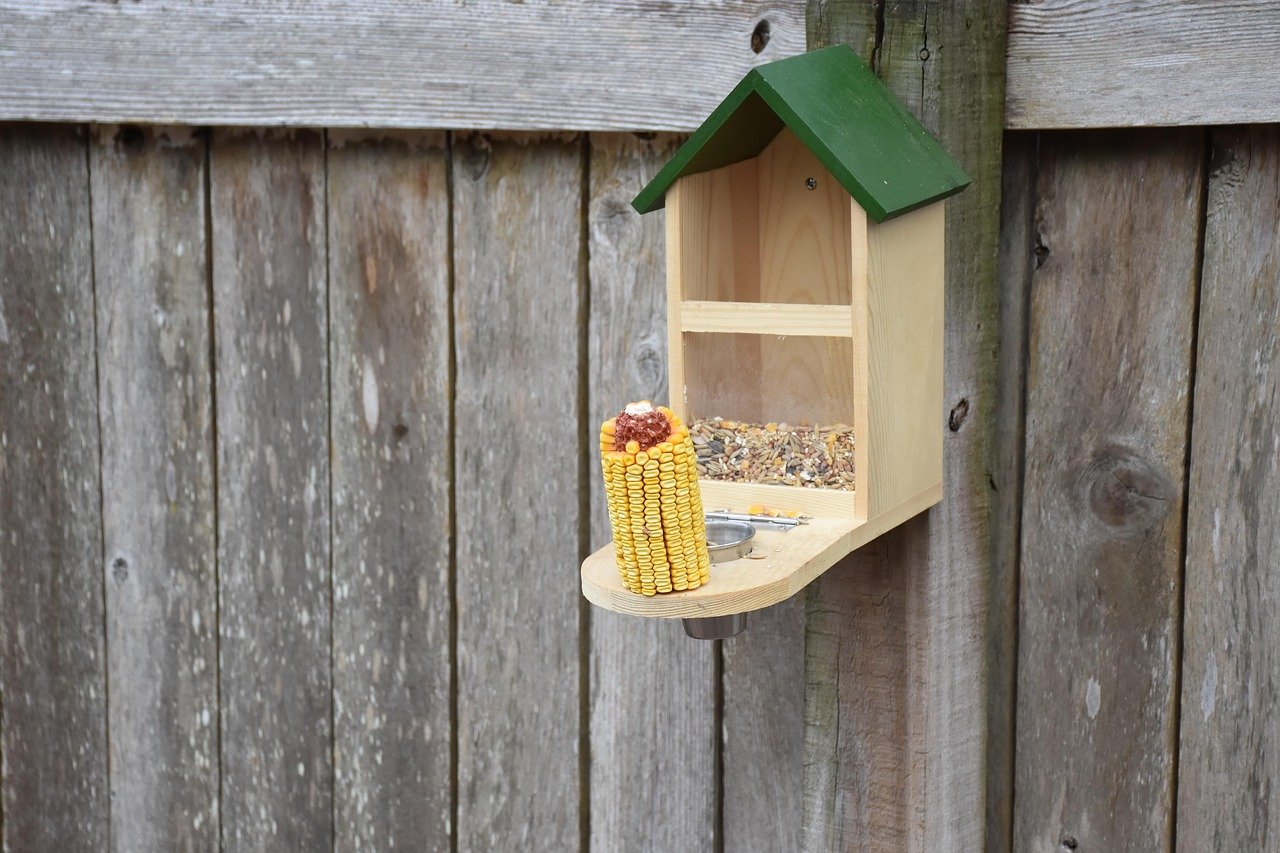

Ever watched a squirrel hang upside down by its hind toes, stretch one paw out to a feeder, and calmly scoop out a peanut like it’s picking up takeout? It’s funny, impressive, and a little infuriating if that feeder was meant for the birds. That moment is usually when people start shopping for a squirrel feeder—or for something that keeps squirrels away. Those are two very different products, and mixing them up is the most common mistake in this whole hobby.
This guide sorts it out. It covers how squirrel feeders actually work, what to put in them, where to place them, how to keep them clean, and what the practical and legal realities are before you hang one up.
What a Squirrel Feeder Actually Is
A squirrel feeder is a feeder designed to feed squirrels on purpose. It dispenses nuts, corn, or seeds and is built to survive squirrel teeth and squirrel acrobatics. A squirrel-proof feeder is the opposite: a bird feeder engineered to exclude squirrels using baffles, cages, weighted perches, or spring-loaded shutoffs.
The two categories get mixed together in search results and product listings constantly. So before buying anything, decide which job you want done:
| Goal | Product type | What it does |
|---|---|---|
| Feed squirrels deliberately | Squirrel feeder | Dispenses nuts or corn; built for gnawing and climbing |
| Feed birds only | Squirrel-proof bird feeder | Uses baffles, cages, or weighted perches to block squirrels |
| Both, but separated | Squirrel feeder far from bird feeders | Draws squirrels to a dedicated zone |
That third row is the practical middle path many backyard feeders settle on. Give squirrels their own station, placed well away from the bird feeders, and both groups get fed with less conflict.
The Main Types of Squirrel Feeders
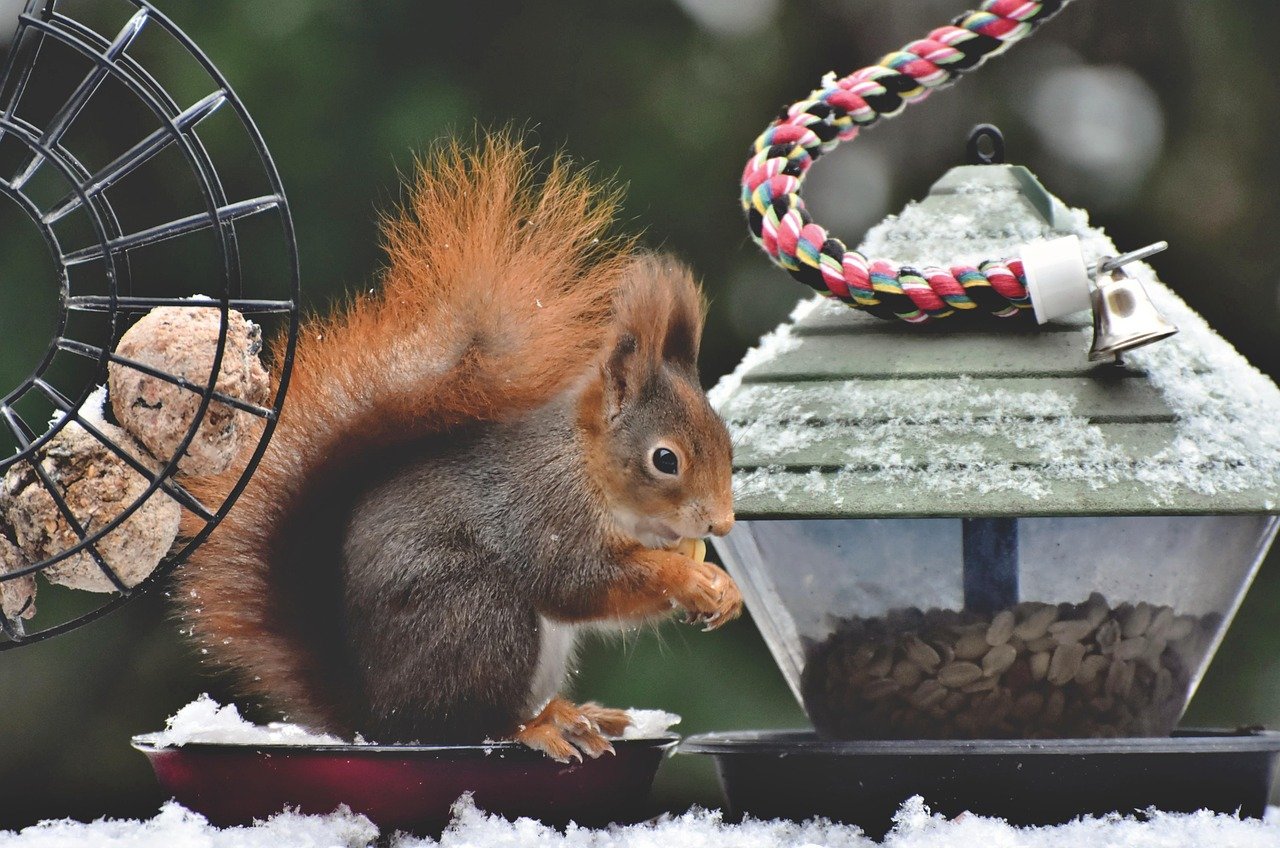
Squirrel feeders come in a handful of recognizable designs, and each one suits a different yard and a different squirrel personality.
Platform and tray feeders
These are simple open trays, often mounted on a post or a tree. They’re easy to fill, easy to clean, and easy for squirrels to use. The tradeoff is that they’re also easy for rain, and the food sits exposed. Platform feeders work best under a roof or in a sheltered spot.
Hopper feeders
A hopper holds a reserve of food and gravity-feeds it down as squirrels eat. These are the classic “squirrel diner” style, often shaped like a little house or barn. They hold more food and need refilling less often, which matters in winter.
Tube and gravity feeders
Tube feeders with small openings or short perches slow squirrels down and make them work for each nut. They’re tidy and keep food drier than open trays, though determined squirrels can still empty them fast.
Corn cob holders
A simple spike or wire cage that holds a dried corn cob. Cheap, classic, and effective. The catch is that corn is low in nutritional value and gets messy once squirrels shred the cob, so it’s better as an occasional treat than a staple.
Feeder-and-baffle combos
Some setups pair a feeding station with a metal baffle on the pole below it. The baffle doesn’t keep squirrels out of their own feeder; it stops them from climbing the pole to reach something else nearby. It’s a useful accessory if your feeding station shares a pole with a bird feeder.
What to Feed Squirrels (and What to Skip)
The single most popular squirrel food is the peanut—in the shell or out. In-shell peanuts are excellent because they’re durable, they don’t spoil quickly, and cracking them open gives squirrels something to do. Unsalted, unroasted peanuts are the safe choice.
Other good options include:
- Tree nuts such as walnuts, hazelnuts, and almonds, ideally unsalted and in the shell
- Dried corn on the cob, as a treat rather than a base diet
- Pumpkin and sunflower seeds in moderation
- Fresh fruit and vegetables in small amounts, such as apple slices or carrot chunks
A few things to avoid:
- Salted or roasted nuts. The salt is bad for small animals, and roasted nuts lose appeal and keep poorly.
- Moldy or damp food. Damp nuts grow mold fast, and moldy food is a genuine health risk. Refresh feeders after rain.
- Processed human snacks. Chips, crackers, and sweets offer calories with no benefit.
- Bread. It fills animals up without nourishing them and turns to mush in the rain.
A practical tip that saves money: buy peanuts in bulk from a feed store rather than the grocery aisle, and store them in a sealed, dry container. Squirrels will cache far more than they eat, so a little goes a long way.
Placement: The Part Most People Get Wrong
Where you hang a squirrel feeder decides whether it’s a charming addition or a headache.
Put distance between the squirrel feeder and the bird feeders. Ten feet or more is a reasonable starting point. Squirrels are creatures of habit and will find the easiest food source; if the bird feeder is closer and easier, that’s where they’ll go.
Give squirrels a route that doesn’t cross your roof or gutters. Squirrels use branches and wires as highways. A feeder that requires a jump from the roof edge invites chewing and droppings on the shingles. Mount feeders on a freestanding pole or a tree trunk away from the house instead.
Keep it visible from a window. Half the fun is watching. A feeder eight to fifteen feet from a window gives a good view without encouraging squirrels to test the window frames.
Avoid placing feeders directly over a walkway, patio, or driveway. Hulls, corn fragments, and droppings will rain down. Put the feeder over grass or a bed you don’t mind cleaning.
Use metal where it counts. Squirrels gnaw. Plastic feeders get chewed through, especially around openings and seams. Metal ports, metal baffles, and sturdy hardware last far longer. If a feeder has a plastic feeding port, expect to replace it.
Cleaning and Hygiene: The Unglamorous Necessity
Any feeder that concentrates animals in one spot concentrates whatever they carry. Regular cleaning is not optional if you want a healthy feeding station.
A workable routine:
- Empty the feeder completely and dump old food.
- Scrub it with hot soapy water and a bottle brush, getting into corners and ports.
- Rinse thoroughly.
- Let it dry fully in the sun before refilling.
- Repeat every couple of weeks, and more often in warm, humid weather.
Also sweep or rake up fallen food and hulls underneath the feeder. Piles of damp debris attract pests and grow mold. If you see a sick or unusually lethargic squirrel at the feeder, take the feeder down, clean it, and wait a while before putting it back.
Squirrels, Wildlife Rules, and the Legal Side
Here’s the part that surprises people: feeding squirrels is not automatically allowed everywhere. In many places, squirrels are classified as game animals or furbearers with defined seasons, and some states and municipalities restrict or discourage feeding wildlife generally. Rules vary widely by jurisdiction and can change, so check your state or local wildlife agency before setting up a permanent feeding station. A quick look at the agency’s “living with wildlife” page is usually enough to tell you where you stand.
Public health guidance adds a second layer. Wildlife and health agencies have long warned that feeding wild animals can habituate them to people, concentrate them unnaturally, and raise the risk of disease transmission and bites. Squirrels can carry pathogens, and while rabies is rare in squirrels, it has been reported. Tularemia and plague are associated with rodents in some regions. The sensible approach is to feed responsibly: keep feeders clean, don’t hand-feed, don’t encourage squirrels to climb on people, and keep a respectful distance.
There’s also a property angle. Squirrels gnaw, and they’re known to damage feeders, siding, and wiring. University cooperative extension services publish practical guidance on managing squirrels around homes, and it’s worth reading before you attract more of them. If you already have a squirrel-in-the-attic problem, adding a feeder is probably the wrong move.
A Note on Species and Location
In North America, the most common feeder visitor is the eastern gray squirrel, a bold, adaptable animal that thrives around people. In the UK, the picture is different: the introduced gray squirrel competes with the native red squirrel, and feeding regimes are sometimes discussed in conservation contexts rather than backyard-entertainment ones. If you’re in the UK and near a red squirrel area, check local conservation guidance before putting out food.
Hair type has nothing to do with squirrel feeders, but if you’re the kind of reader who ends up deep in a rabbit hole about textures and grooming, the same curiosity that sends you researching 4c hair or 2b hair will serve you well when comparing feeder designs. And if you enjoy watching wildlife queue up in orderly lines, you’ll appreciate the appeal of the row of squirrels that forms once a feeder becomes a regular stop.
Squirrel Feeder vs. Squirrel-Proof Feeder: A Quick Comparison
If you’re torn between feeding squirrels and keeping them out, this table sums up the tradeoffs.
| Factor | Squirrel feeder | Squirrel-proof bird feeder |
|---|---|---|
| Purpose | Feed squirrels intentionally | Exclude squirrels from bird food |
| Cost | Generally lower | Higher, due to baffles and mechanisms |
| Maintenance | Regular cleaning, refilling | Regular cleaning plus mechanism checks |
| Effectiveness | High, if placed well | Varies; determined squirrels defeat weak designs |
| Best for | People who enjoy watching squirrels | People who want birds only |
Many households end up with both: a squirrel feeder placed far from the house, and a baffled bird feeder closer in. It’s not a contradiction. It’s a zoning plan.
Common Mistakes That Ruin the Experience
A few recurring errors show up again and again.
Buying a “squirrel-proof” feeder expecting to feed squirrels. Read the listing carefully. If it promises to keep squirrels out, it will do exactly that.
Skipping the cleaning routine. A dirty feeder is a disease risk and a mold factory. Two weeks between cleanings is a reasonable baseline.
Placing the feeder on the house. Squirrels will chew, and droppings on siding are no fun. Freestanding poles and trees away from structures work better.
Overfilling. Food sits, gets damp, and spoils. Fill what will be eaten in a few days, especially in humid weather.
Feeding when there’s already a problem. If squirrels are in the attic or chewing wiring, adding a feeder makes things worse. Solve the conflict first.
Ignoring local rules. A feeder that’s fine in one state may be discouraged in another. A two-minute check saves trouble.
Conclusion
A squirrel feeder is one of the cheapest, most entertaining pieces of backyard equipment you can buy, provided you know what you’re getting. Decide up front whether you want to feed squirrels or exclude them, pick a design built to survive teeth and weather, place it away from the house and the bird feeders, and clean it on a schedule. Check your local wildlife rules, keep the food fresh and unsalted, and skip the hand-feeding. Do those things and you’ll get the good version of the show: squirrels hanging upside down, cracking peanuts, and providing free entertainment through the kitchen window. Do them badly and you’ll get chewed feeders, moldy nuts, and a squirrel that expects you to open the door.
Frequently Asked Questions
What is the best food for a squirrel feeder?
In-shell, unsalted peanuts are the most popular and practical choice. They keep well, don’t spoil quickly, and give squirrels something to do. Walnuts, hazelnuts, and almonds in the shell also work well. Avoid salted, roasted, or processed snacks, and never leave damp or moldy food in the feeder.
Do squirrel feeders attract rats or other pests?
They can. Any concentrated food source is attractive to rodents. Reduce the risk by using in-shell nuts rather than loose seed, sweeping up fallen food regularly, filling only what will be eaten in a few days, and taking feeders in at night if pests become a problem.
Is it legal to feed squirrels?
It depends on where you live. In many places squirrels are classified as game animals or furbearers, and some states and municipalities restrict or discourage feeding wildlife. Rules vary and change, so check your state or local wildlife agency’s guidance before setting up a permanent feeder.
How often should I clean a squirrel feeder?
Every two weeks is a reasonable baseline, and more often in warm, humid weather when mold grows fast. Empty it, scrub with hot soapy water, rinse thoroughly, let it dry completely, and then refill. Also rake up hulls and fallen food underneath.
How do I keep squirrels off my bird feeder while still feeding them?
Use a dedicated squirrel feeder placed ten feet or more away from the bird feeders, and give squirrels an easy route to it that doesn’t cross your roof. Then protect the bird feeder with a baffle, cage, or weighted perch. Separating the two stations is usually more effective than trying to defeat squirrels at a single feeder.
Will a squirrel feeder make squirrels dependent on me?
Feeding can habituate squirrels to people and concentrate them in one spot, which raises disease and bite risks. The practical approach is to feed in moderation, keep the feeder clean, never hand-feed, and avoid encouraging squirrels to climb on people. If you stop feeding, squirrels will return to natural foraging, though they may check the spot for a while.









