

What if a game could make your hands feel like they were inside the cockpit? That was the promise Nintendo made in 1997 with Star Fox 64, a rail shooter that put players in the seat of an Arwing starfighter and then literally shook the controller when things got rough. Nearly three decades later, the game remains a favorite talking point among retro fans, speedrunners, and anyone who wants to understand how modern game feel came to be.
This article walks through the game’s development, its branching structure, its famous Rumble Pak debut, and the practical reasons it still plays well today. It also covers the remake, common misconceptions, and what newcomers should know before their first flight.
What Is Star Fox 64 and Why Does It Matter?
Star Fox 64 is a 3D rail shooter developed by Nintendo EAD with programming help from Argonaut Software, the British studio behind the original Star Fox on the Super Nintendo. It launched in Japan on 27 April 1997 and in North America on 30 June 1997, with the PAL release following in October under the title Lylat Wars.
The premise is simple and effective. Players control Fox McCloud, leader of a mercenary team, flying through space and planetary stages to stop the forces of Andross. What made the game stand out was not the story but the execution: smooth 3D flight, cinematic presentation, and a controller that responded physically to on-screen action.
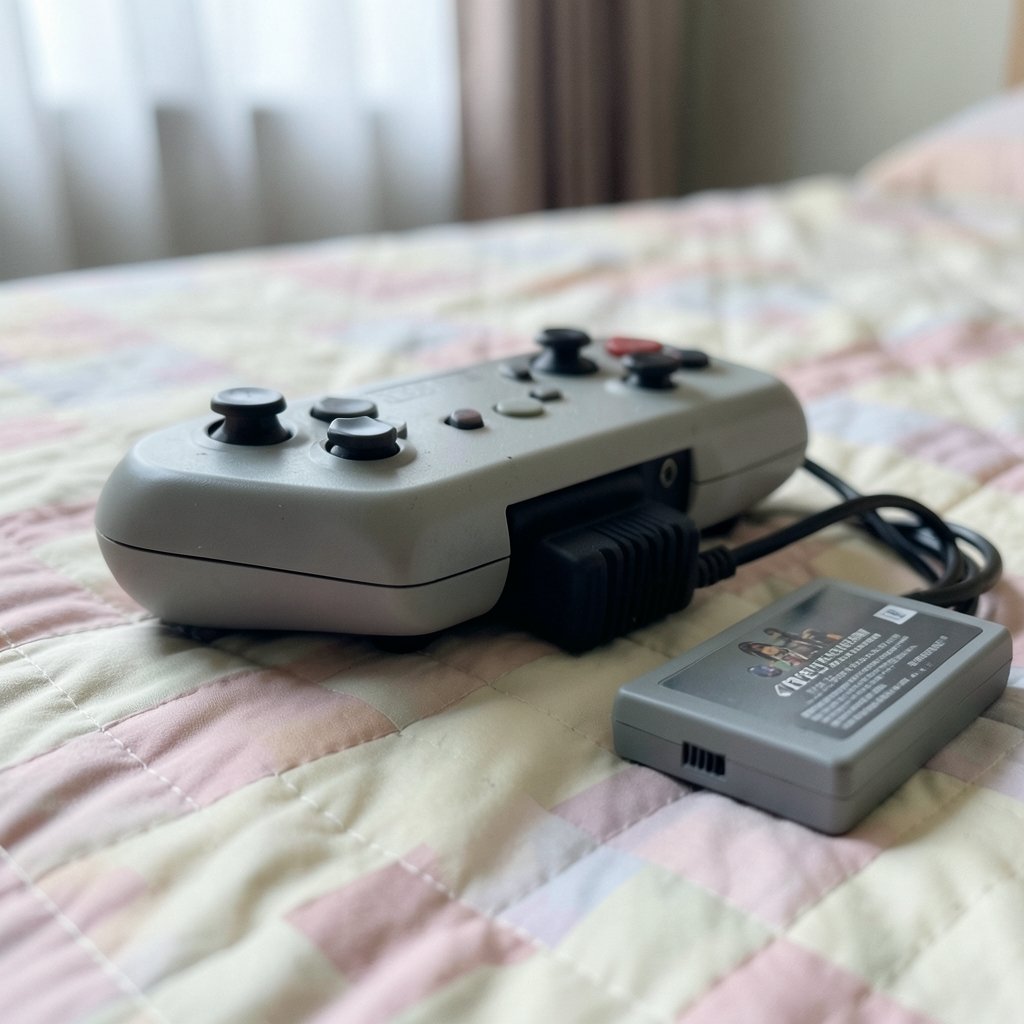
It was the first game to support the Nintendo 64 Rumble Pak, and in some regions it shipped bundled with the accessory. That pairing matters more than it might sound. Haptic feedback is now standard in every console controller, and Star Fox 64 was the title that proved it could work as a design tool rather than a gimmick.
The game also introduced full voice acting to the series. Characters chatter during missions, giving orders, cracking jokes, and reacting to events. For a 1997 cartridge, the amount of spoken dialogue was unusual, and lines like “Do a barrel roll!” became part of gaming vocabulary.
How the Branching Path System Actually Works
Most rail shooters push players down a single corridor. Star Fox 64 instead builds a route map where mission outcomes decide where you go next. This is the mechanic that gives the game its replay value, and it is worth understanding before a first playthrough.
Each stage ends with a decision point. In some levels, you choose between two exits. In others, the path depends on what happened during the mission. If you save a wingman, defeat a rival squadron, or complete a hidden objective, a new route opens. If you fail, you get the standard route instead.
| Path Type | How You Access It | What It Leads To |
|---|---|---|
| Standard route | Complete the stage normally | The easier, more forgiving planets |
| Alternate route | Meet a hidden objective or save a wingman | Harder stages with better rewards |
| Secret route | Defeat Star Wolf or clear specific bonus conditions | The most difficult levels and the true ending |
The practical effect is that a first run might take under two hours, while a completionist run takes much longer. The game rewards curiosity. Shooting certain objects, protecting allies, and even sparing or defeating specific enemies all feed into the route system.
A common beginner mistake is treating every mission as a pure score attack. Players who rush forward and ignore their wingmen miss the alternate exits entirely, then wonder why the game feels short. The fix is simple: watch the mission briefing, listen to radio chatter, and treat every named character as a potential key to a different path.
The Rumble Pak Debut and What It Changed
Before Star Fox 64, a controller was a passive input device. After it, players expected feedback. The Rumble Pak slotted into the bottom of the Nintendo 64 controller and vibrated in response to in-game events, from weapon fire to damage taken.
The design lesson here is worth stating plainly: haptics work best when they carry information. Star Fox 64 used vibration to signal hits, near misses, and charging weapons. It was not random noise. That principle still guides controller design today, from trigger tension to adaptive feedback.
One practical note for anyone setting up original hardware: the Rumble Pak draws power and adds weight, and some third-party versions are noticeably weaker than the official accessory. If the feedback feels faint, the accessory is usually the culprit, not the cartridge.
Presentation, Voice Work, and the Cinematic Feel
Star Fox 64 looks like a 1997 game, and that is fine. What still impresses is its pacing. Missions open with a launch sequence, briefings play out like a military drama, and the camera moves with a confidence that many later games failed to match.
The voice cast gives the game much of its personality. The dialogue is broad and theatrical, with rival pilots who taunt, allies who panic, and a villain whose presence is felt before he appears. It is not subtle writing, but it is memorable, and it gives each mission a sense of stakes.
The game also supported the Nintendo 64 Expansion Pak for a higher-resolution display mode. This is a minor feature rather than a transformation, and it is often overstated in retro discussions. The core experience does not depend on it.
For players who enjoy the aesthetic of space combat and character-driven presentation, the game sits comfortably alongside other fan-favorite Nintendo properties. If you like the playful, stylized side of gaming culture, there is a similar energy in the way nail art communities name and remix designs, as seen in these star nail designs that borrow cosmic and pop-culture motifs. The crossover appeal is not about the game itself but about how fans take a visual idea and build on it.
Re-Releases, the 3DS Remake, and How to Play Today
Star Fox 64 has been re-released several times, which makes it unusually accessible for a game of its age.
- The original cartridge remains playable on Nintendo 64 hardware.
- The Wii Virtual Console version arrived in 2007.
- The Wii U Virtual Console version followed in 2016.
- Star Fox 64 3D, a full remake for the Nintendo 3DS, launched in 2011 with updated visuals and gyro controls.
The 3DS remake is the version most often recommended to newcomers. It keeps the branching structure intact, improves the frame rate, and adds a control scheme that suits the handheld. Purists still prefer the original for its precise analog stick feel and the physical Rumble Pak.
A common mistake when revisiting the game is expecting modern checkpoint systems. Star Fox 64 has continues and a score system, but it does not hold your hand. If you fail a mission, you restart it. That design choice is part of why the game feels tense, and it is worth accepting rather than fighting.
Practical Tips That Actually Improve Your Play
Advice for this game tends to be either obvious or useless. Here are the things that genuinely change how a run goes.
First, learn the charge shot and the lock-on. Holding the fire button charges a homing shot that tracks multiple targets. It is the single most important skill in the game, and many players never use it properly because they treat the game as a simple shooter.
Second, use the brake and boost deliberately. Slowing down helps in tight corridors and when lining up shots on small targets. Speeding up helps in open space and when dodging incoming fire. Players who only boost tend to overshoot targets and take unnecessary damage.
Third, protect your wingmen. Saving them has a practical effect: it opens alternate routes and keeps your team’s firepower intact. If a wingman is in trouble, break off and help.
Fourth, watch the briefing screens. They tell you which enemies matter and which objectives are optional. Skipping them is the fastest way to miss a branch.
Fifth, practice the Star Wolf encounters. These rival fights are the gate to the hardest content, and they reward patience over aggression. Circle, charge, and fire when the enemy commits to an attack.
For readers who enjoy the craft side of fan culture, the same principle of practice and iteration shows up in creative hobbies. The guide to star nails: designs, ideas, and how to create them makes a similar point about learning a technique properly before improvising. Skill-building is skill-building, whether you are flying an Arwing or holding a brush.
What the Game Means for Design and for Players
Star Fox 64 is often described as a landmark, and that label is fair as long as it is specific. It was a landmark in haptic feedback, in cinematic presentation for a home console, and in voice acting for the series. It was not the first rail shooter and not the most technically ambitious game on the system, but it executed its ideas with unusual polish.
The branching structure is the part that aged best. Modern games talk constantly about player agency, but Star Fox 64 delivered it in 1997 with a route map and a handful of conditional objectives. The lesson for designers is that choice does not require an open world. It requires consequences that the player can see.
For players, the appeal is simpler. The game is short enough to finish in an evening and deep enough to keep returning to. It respects your time in a way that many longer games do not.
If you are building a hobby into something more serious, the same discipline applies. People who turn a passion into work often start by learning the fundamentals thoroughly, whether that is a game’s mechanics or a trade. Guides on how to start a home care business and lists of the most successful businesses to start in 2026 make the point that mastery of basics beats shortcuts every time. A deeper walkthrough of how to start a successful private caregiver business shows the same pattern: learn the system, then optimize.
Conclusion
Star Fox 64 earns its reputation through execution rather than novelty. It took a rail shooter formula, added branching paths, gave the controller a voice through the Rumble Pak, and wrapped it all in a presentation that felt like a Saturday morning adventure serial. The result is a game that is easy to start, hard to master, and satisfying to revisit.
New players should go in expecting a short, focused campaign with real replay value. Veterans should revisit the alternate routes they never found. Either way, the game rewards attention. Do a barrel roll, save your wingmen, and see where the route takes you.
Frequently Asked Questions
When was Star Fox 64 released?
It launched in Japan on 27 April 1997 and in North America on 30 June 1997. The PAL release followed in October 1997 under the title Lylat Wars.
Who developed Star Fox 64?
Nintendo EAD developed the game with programming support from Argonaut Software, the UK studio behind the original Star Fox on the Super Nintendo.
Was Star Fox 64 the first game with rumble?
It was the first game to support the Nintendo 64 Rumble Pak, and in some regions it shipped bundled with the accessory. Haptic feedback existed in arcade hardware before it, but Star Fox 64 brought it to a home console in a meaningful way.
How long does it take to beat Star Fox 64?
A first playthrough takes roughly one to two hours. Accessing every route and reaching the true ending takes considerably longer, and completionists often spend many hours chasing alternate paths and high scores.
Is Star Fox 64 3D a good way to play it today?
Yes. The 2011 Nintendo 3DS remake keeps the branching structure, improves performance, and adds gyro controls. Players who want the original analog stick feel and physical Rumble Pak feedback still prefer the Nintendo 64 version.
What is the best tip for beginners?
Learn the charge shot and lock-on early. Holding the fire button charges a homing attack that tracks multiple targets, and it is the single most important skill for surviving later stages and opening alternate routes.









