

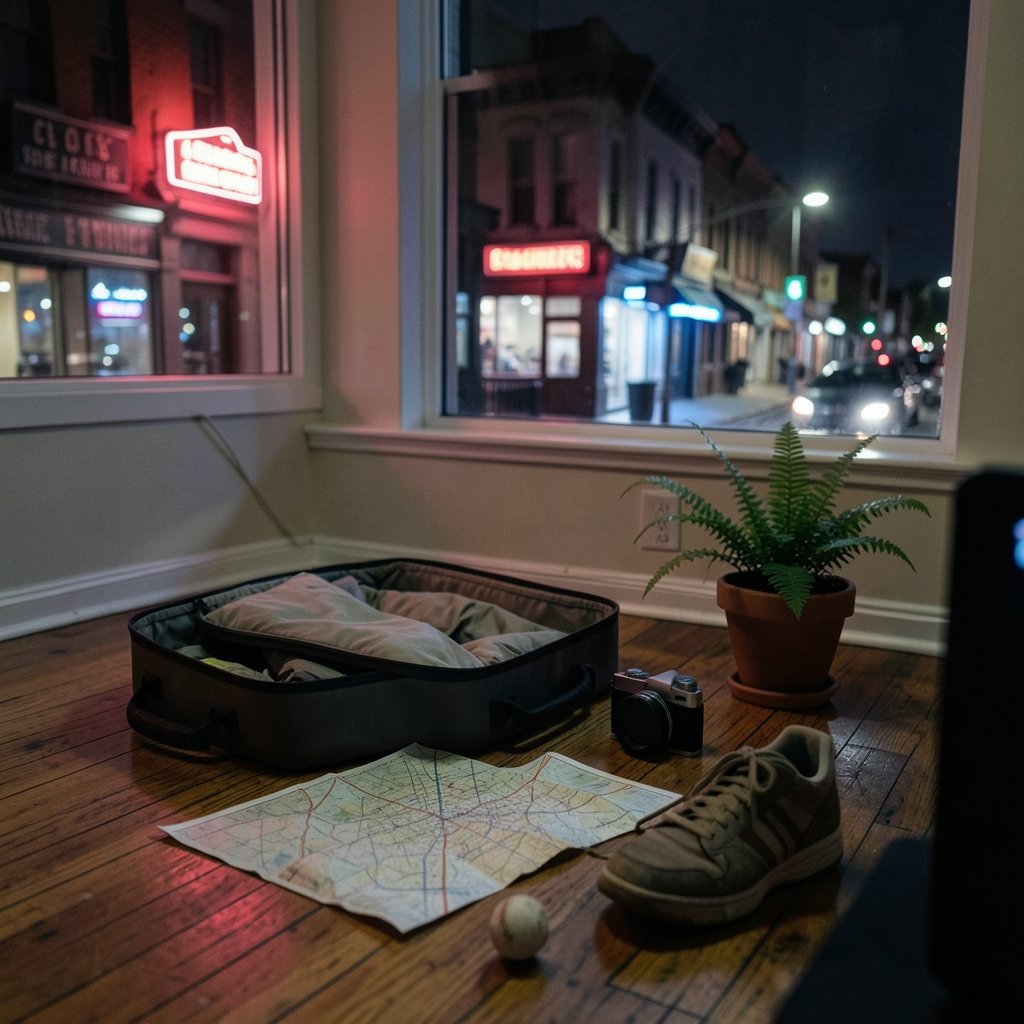
What if the most interesting city in the South is the one most travelers drive right past? Greensboro sits along the Interstate 40 corridor between Raleigh and Charlotte, and plenty of people treat it as a rest stop. That is a mistake. North Carolina’s third-largest city mixes serious civil rights history, a science center with live animals, minor league baseball, gardens, and one of the busiest sports arenas in the region. It is also compact enough that a weekend does not turn into a logistics project.
This guide covers the places that hold up in practice, grouped by interest, with honest notes about what to check before you go. Hours and prices shift, so treat every time and ticket figure here as something to confirm on the official site before you leave.
Start With the History That Put Greensboro on the Map
International Civil Rights Center & Museum
The International Civil Rights Center & Museum sits in the former F. W. Woolworth building downtown. That building is where four North Carolina A&T students sat down at a whites-only lunch counter on February 1, 1960, and refused to move. The museum opened in 2010 and preserves the original lunch counter as part of its exhibits.
Practical note: this is not a quick walk-through. Exhibits are dense, the tour format is structured, and the material is heavy. Budget at least two hours. Visitors who try to squeeze it between lunch and a ballgame usually regret it. Operating days have varied over the years, so check before you build a day around it.
Greensboro History Museum
The Greensboro History Museum occupies the former First Presbyterian Church, which makes the building itself part of the experience. Admission has historically been free, and the exhibits trace the city from its Quaker settlement roots through its industrial era to the civil rights movement. It is a good companion piece to the civil rights museum because it gives you the wider city context.
Blandwood Mansion
Blandwood Mansion is a National Historic Landmark and the 1840s home of former North Carolina governor John Motley Morehead. It is one of the better examples of Italianate architecture in the state. Tour schedules vary by season, so a spontaneous drop-in may not work. Call ahead or check the current schedule if this is a priority.
Family-Friendly Stops That Actually Keep Kids Interested

Greensboro Science Center
The Greensboro Science Center combines a science museum, an aquarium-style animal collection, and a zoo on one campus in northwest Greensboro. It also has the OmniSphere Theater and, since 2016, a carousel built with the Rotary Club of Greensboro.
What works in practice: arrive early, do the outdoor zoo portion before midday heat sets in, and save the indoor exhibits for the hottest or wettest part of the day. Families who try to do everything in one push tend to burn out by early afternoon. Ticket prices and hours change, so verify on the official site.
Parks and Trails
Greensboro has an extensive parks system. Country Park is a solid choice for a low-cost afternoon, and the city’s trail network connects several green spaces. Trail names and lengths are worth checking against the city parks page, since maintenance and access can change season to season. (Olive green nails)
Wet ‘n Wild Emerald Pointe
Wet ‘n Wild Emerald Pointe is the city’s seasonal water park. It is a genuinely good summer option for families, but it operates seasonally, and ownership and operating details have shifted in recent years. Confirm the season dates and hours before promising a water park day to a car full of children.
Gardens and Green Space for Slower Afternoons
Tanger Family Bicentennial Garden and the Bog Garden
These two adjacent gardens are one of the most underrated free things to do in the city. The Tanger Family Bicentennial Garden is a landscaped, formal garden space. The Bog Garden next door is a wetland area with a boardwalk. Together they make an easy one-to-two-hour stroll.
Practical tip: the boardwalk can be slick after rain, and the wetland section has uneven footing in places. Wear real shoes, not sandals. Accessibility details are worth confirming with Greensboro Parks and Recreation if anyone in your group uses a wheelchair or stroller.
Greensboro Arboretum
The Greensboro Arboretum is a public arboretum that has historically been free to visit. It is a quiet, low-key stop, best for people who like plants and don’t need a structured attraction. Confirm current access before making a special trip.
Sports, Concerts, and Big Events
Greensboro Grasshoppers Baseball
The Greensboro Grasshoppers play Minor League Baseball at First National Bank Field downtown. A ballgame is one of the best-value evenings in the city, especially for families. One caution: affiliate levels and league structures in Minor League Baseball have changed in recent years, so do not assume the team’s current affiliation. Check the team page for the current setup, schedule, and promotions.
Greensboro Coliseum Complex
The Greensboro Coliseum Complex is a multi-venue campus that hosts concerts, tournaments, and other large events. It has historically hosted the ACC men’s basketball tournament, which tells you something about the caliber of the facility. Event calendars change constantly, so check the current schedule rather than relying on what you remember.
A Sample One-Day Plan That Works
| Time | Stop | Why It Works |
|---|---|---|
| Morning | Greensboro Science Center | Outdoor zoo first, indoor exhibits as it warms up |
| Lunch | Downtown | Central location, easy parking options |
| Afternoon | International Civil Rights Center & Museum | Structured tour, heavy content, best when you are fresh |
| Late afternoon | Tanger Family Bicentennial Garden and Bog Garden | Unwinds the day, free, low commitment |
| Evening | Grasshoppers game or Coliseum event | Check schedules; both are evening-friendly |
This plan works because it alternates high-stimulation and low-stimulation stops. The common mistake is stacking two museum visits back to back. Both the science center and the civil rights museum demand real attention, and doing them consecutively leaves most people fried by 3 p.m.
What Locals Know That Visitors Don’t
First, downtown parking is easier than visitors expect, but event nights at the Coliseum and ballpark change that quickly. Arrive early or plan to walk a few blocks.
Second, Greensboro’s attractions are spread out. The science center is northwest, the civil rights museum and ballpark are downtown, and the gardens sit in a different pocket entirely. Trying to walk between major attractions is not realistic. A car is essentially required. (Sage green nails)
Third, free and low-cost options are genuinely good here. The gardens, the arboretum, and the history museum have historically been free or inexpensive, which makes Greensboro a reasonable city for a budget weekend.
Fourth, the civil rights museum is not a light stop. It is powerful, and it is heavy. Some visitors pair it with something cheerful afterward for a reason.
When to Visit and How Long to Stay
Two full days covers the core. Three days lets you add a water park day in summer or a slower garden-and-trail afternoon.
Summer is hot and humid, which makes the science center and the water park attractive and outdoor gardens less so in the middle of the day. Spring and fall are the sweet spots for the gardens, arboretum, and trails. Winter is quieter, and indoor attractions carry the trip.
If you are building a longer North Carolina itinerary, Greensboro works well as a two-night stop between the mountains and the coast.
Common Mistakes to Avoid
- Assuming every attraction is open daily. Several operate on reduced schedules; verify first.
- Booking a tight schedule around the civil rights museum. It deserves room.
- Forgetting that the water park is seasonal.
- Relying on memory for sports affiliations and event calendars.
- Skipping the gardens because they are free. They are among the most pleasant hours in the city.
- Trying to walk between major sites. Drive.
A Note on Planning Around Changing Details
Hours, ticket prices, and seasonal closures in Greensboro change more often than most travel guides admit. The honest approach is to pick your must-do list, then confirm each stop’s current hours on its official page the week you travel. That single habit prevents most wasted afternoons.
Conclusion
Greensboro rewards the traveler who gives it a real day rather than a drive-by. The city’s strength is range: a civil rights museum with national significance, a science center that works for kids and adults, minor league baseball downtown, gardens that cost nothing, and an arena that pulls in serious events. Plan around two or three anchors, leave room for a garden stroll, and confirm the details before you go. The city is not trying to be flashy. It is trying to be worth your time, and with a little planning, it is.
Frequently Asked Questions
What are the best free things to do in Greensboro, NC?
The Tanger Family Bicentennial Garden and the Bog Garden are free to walk, and the Greensboro Arboretum has historically been free to visit. The Greensboro History Museum has also historically offered free admission. Confirm current access and hours before you go, since these details change. (Green nail designs)
How many days do you need in Greensboro?
Two full days cover the main attractions comfortably. Three days let you add a seasonal stop like the water park or a slower afternoon on the parks and trails. A single day is enough only if you pick two or three anchors and skip the rest.
Is the International Civil Rights Center & Museum worth visiting?
Yes, for most travelers. It sits in the former Woolworth building where four NC A&T students began the 1960 sit-in, and it preserves the original lunch counter. Budget at least two hours and check operating days in advance.
Do you need a car to get around Greensboro?
Practically speaking, yes. The science center, downtown museums, ballpark, and gardens sit in different parts of the city, and walking between them is not realistic. A car makes the trip far easier.
Is Greensboro a good city for families?
It is a strong family destination. The Greensboro Science Center combines a museum, animals, a theater, and a carousel. The Grasshoppers offer affordable baseball downtown, and the seasonal water park is a solid summer option. Confirm schedules and prices before you commit.
What is the best time of year to visit Greensboro?
Spring and fall are the most comfortable for gardens, the arboretum, and trails. Summer is hot and humid, which favors indoor attractions and the water park. Winter is quieter, with indoor sites carrying most of the trip.
One final note on the FAQ itself: treat those answers as a starting framework, not a guarantee. Operating days, admission policies, and event calendars are the details most likely to shift between seasons, so a five-minute check on each official site before you leave is worth more than any static guide. If you are traveling with a group, split the verification tasks—one person confirms museum hours, another checks the ballpark schedule, a third looks at garden access. That small division of labor keeps the planning from becoming a chore and leaves more room for the part that matters: actually being there. Greensboro does not demand a packed itinerary. It rewards a loose one, built around a few anchors and a willingness to linger somewhere unexpected—a boardwalk after rain, a quiet arboretum bench, a ninth-inning rally on a warm downtown evening. Go with confirmed details, realistic expectations, and time to spare, and the city will hold up its end of the bargain.









