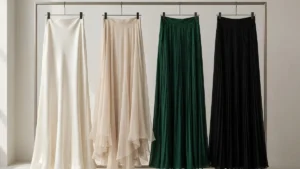
Wool keeps you warm for a simple reason, and it is not the reason most people think. It is not that wool is thick, or that it is heavy, or that it comes from animals that live in cold places, although all of those things are partly true. Wool keeps you warm because of the shape of the fibre itself. Each wool fibre is crimped, scaly and hollow, and those three features work together to trap still air, manage moisture and keep your body heat where it belongs.
That matters because warmth is not about the fabric. It is about the air. A warm garment is one that holds a layer of still air next to your skin and stops it from moving away. Wool does that better than almost any other fibre, natural or synthetic, and it does it while staying breathable, which is why a wool sweater keeps you warm without making you sweat, and why a wool coat feels comfortable in a way a plastic raincoat never does.
Below are nine reasons wool keeps you warm in 2027, from the crimp in the fibre to the way it handles sweat, so you can choose wool with confidence and know what you are paying for when you buy it.
Key takeaways
- Wool keeps you warm mainly by trapping still air in the crimp and curl of its fibres, and still air is one of the best insulators there is.
- Wool fibres absorb moisture without feeling wet, and that absorption actually releases a small amount of heat, which helps in cold, damp weather.
- Wool stays warm when it is wet, unlike cotton, which loses almost all of its insulation the moment it gets damp.
- Not all wool is equal: merino is fine and soft, lambswool is warm and springy, and coarse wool is durable but can feel itchy.
- Wool is not a miracle fabric, and a thin, loosely knitted wool garment will not keep you as warm as a thick, tightly woven one.
What wool warmth actually is
Wool warmth is insulation, and insulation is trapped air. Your body produces heat, and that heat escapes through your clothes by conduction, by convection and by radiation. A good insulator slows all three. Wool does it by holding thousands of tiny pockets of still air inside the crimp of its fibres and between the fibres themselves. Air that cannot move cannot carry heat away, so the warmth stays next to your skin.
The fibre itself helps too. Wool fibres are naturally crimped, which means they bend and curl along their length, and that crimp stops the fibres from packing flat together. The surface of each fibre is covered in tiny scales, and those scales help the fibres lock together, which is what makes wool felt when it is agitated, and what makes a tightly woven wool cloth so wind-resistant.
The third feature is the hollow core. Wool fibres are not solid. They have a hollow centre that holds air, and that air is another layer of insulation. It also means wool is lighter than it looks for the warmth it gives, which is why a fine merino sweater can be warmer than a thick cotton one while weighing far less.
How we chose these reasons and what to look for
Look first at the type of wool on the label. Merino is the finest and softest, with fibres so fine they bend against the skin instead of pricking it, which is why merino base layers are comfortable next to the skin. Lambswool is the first shearing of a young sheep, soft and springy, and it makes warm, light sweaters. Coarser wool, often sold simply as wool or pure new wool, is tougher and more durable, but it can feel itchy, and it suits outer layers better than anything worn against bare skin.

Look next at the weight and the knit. A tightly knitted or woven wool holds more still air and blocks more wind than a loose, open knit, even if the loose one looks thicker. Hold the garment up to the light. If you can see through it easily, wind will pass through it too, and it will not be as warm as it looks. A dense, even knit is the sign of a warm garment, and a garment with a lining, or one worn under a windproof coat, will be warmer still.
Finally, look at the blend. Pure wool is warmest, but a blend with a little nylon or cashmere can be sensible. Nylon adds strength and helps a sweater keep its shape, and cashmere adds softness. A blend with a lot of acrylic or polyester, on the other hand, will feel less warm and less breathable, because those fibres do not manage moisture the way wool does. Our guide to the best natural fibres in clothing explains how wool compares with cotton, linen and silk, and why fibre choice matters more than brand name.
The 9 reasons wool keeps you warm in 2027
The crimp traps still air
What we like: Wool fibres are naturally crimped, and that crimp holds tiny pockets of still air that cannot move, which is one of the best forms of insulation. What to consider: A loose, open knit traps less air than a dense one, so crimp alone is not enough. Best for: Anyone who wants warmth without bulk. Cost: £40 to £200 for a good merino sweater. Time needed: None, it works from the moment you put it on. Standout feature: Still air is the insulator, and wool holds it better than any other common fibre.
Wool absorbs moisture without feeling wet
What we like: Wool can absorb up to a third of its weight in water before it feels damp, which means it keeps insulating even when you sweat or get caught in rain. What to consider: Very wet wool is heavier and takes a long time to dry, so it is not a substitute for a waterproof layer. Best for: Cold, damp weather and active days outdoors. Cost: £50 to £250 for a good wool coat or sweater. Time needed: None, the absorption starts immediately. Standout feature: Wool stays warm when damp, which cotton does not.
Absorbing moisture releases heat
What we like: When wool fibres absorb water vapour, the process releases a small amount of heat, which warms the garment from the inside. What to consider: The effect is gentle, not dramatic, and it fades once the fibres are saturated. Best for: Moving from a cold street into a warm room, or from dry air into damp air. Cost: No extra cost, it is a property of the fibre. Time needed: It works within minutes of the moisture arriving. Standout feature: Wool warms you as it takes in moisture, instead of chilling you.
The hollow fibre core holds air
What we like: Each wool fibre has a hollow centre that holds air, adding another layer of insulation inside the fibre itself. What to consider: Fine merino fibres have smaller cores than coarse wool, so the effect varies by type. Best for: Lightweight warmth, especially in base layers and fine sweaters. Cost: £30 to £150 for a merino base layer. Time needed: None, it is built into the fibre. Standout feature: Wool is warm for its weight, which is why a thin merino layer can outperform a thick cotton one.
Wool breathes while it insulates
What we like: Wool lets water vapour pass through, so sweat escapes instead of building up inside your clothes and chilling you. What to consider: In very warm conditions, wool is still warmer than cotton or linen, so it is not a summer fabric. Best for: All-day wear in cold weather, and for people who move between indoors and outdoors. Cost: £40 to £200 for a good wool sweater. Time needed: None, breathability is constant. Standout feature: Wool keeps you warm without making you sweaty, which is why it works as a base layer.
The scales make wool wind-resistant
What we like: The tiny scales on wool fibres help them lock together, which makes a tightly woven wool cloth resistant to wind. What to consider: A loose knit lets wind through, so the weave matters as much as the fibre. Best for: Wool coats and tightly woven jackets in windy weather. Cost: £150 to £600 for a good wool coat. Time needed: None, it is a property of the cloth. Standout feature: A dense wool weave blocks wind far better than a loose knit of the same fibre.
Wool is naturally elastic and springy
What we like: The crimp gives wool natural elasticity, so a wool garment keeps its shape and its loft, which means it keeps trapping air wash after wash. What to consider: Wool can felt if it is washed hot or agitated, which destroys the loft and the warmth. Best for: Garments you wear often and want to last. Cost: £40 to £250 for a good wool sweater or coat. Time needed: Wash cold and dry flat to protect the loft. Standout feature: Wool bounces back, so it stays warm for years instead of going flat.
Wool works in layers
What we like: Wool layers trap air between them as well as inside them, so two thin wool layers are warmer than one thick one. What to consider: Too many layers can restrict movement, and the outer layer needs to block wind. Best for: Cold days when the temperature changes, because you can add or remove a layer. Cost: £30 to £150 per layer for merino base layers and mid-layers. Time needed: A minute to add or remove a layer. Standout feature: Layering multiplies the still air, which is why it is warmer than a single thick garment.
Wool regulates temperature, not just heat
What we like: Wool does not just keep you warm, it keeps you comfortable, because it absorbs moisture when you are warm and releases it when you cool down. What to consider: It is still a cold-weather fibre, and it will not keep you cool in summer the way linen does. Best for: All-day wear in autumn and winter, and for people who move between heated rooms and cold streets. Cost: £40 to £200 for a good wool sweater. Time needed: None, the regulation is automatic. Standout feature: Wool adapts to your body temperature instead of just trapping heat.
Which wool is right for you
Choose merino if you want a base layer or a fine sweater to wear next to your skin. Its fibres are so fine they bend instead of pricking, which is why merino is comfortable for most people, including many who think they are allergic to wool. A merino base layer under a sweater and a coat is the warmest practical combination for a cold day, and it weighs almost nothing.
Choose lambswool if you want a classic sweater that is warm, light and springy. It is softer than ordinary wool and more affordable than cashmere, and it makes a good everyday winter sweater. Our wool vs cashmere sweaters comparison shows how the two fibres differ in warmth, softness and price, so you can judge which one suits your budget. Choose a coarser wool, or a wool blend, for outer layers and coats, where durability matters more than softness, and where the fabric will not touch your skin directly.
If wool itches, it is almost always the fibre diameter, not an allergy. Coarse fibres are stiff enough to trigger the nerve endings in your skin, while fine fibres bend.
The caveats that matter
Wool is warm, but it is not magic. A thin, loosely knitted wool sweater will not keep you as warm as a thick, tightly woven one, and no wool garment will keep you warm in a strong wind without a windproof layer on top. A windproof outer layer, such as one of the best winter coats for women, is what turns a warm wool layer into a warm outfit. Wool also needs care. Wash it hot or tumble-dry it and it will felt, shrinking and losing the loft that makes it warm. Hand wash cold, or use a wool cycle, and dry it flat, away from direct heat.
| Detail | What is known |
|---|---|
| Main reason wool is warm | Crimped fibres trap still air, and still air is an excellent insulator |
| Moisture | Wool absorbs up to a third of its weight in water before feeling damp, and stays warm when wet |
| Heat from absorption | Absorbing water vapour releases a small amount of heat inside the garment |
| Breathability | Wool lets sweat vapour escape, so it warms without making you clammy |
| Wind | Tightly woven wool resists wind; loose knits let wind through |
| Best types | Merino for next-to-skin layers, lambswool for sweaters, coarse wool for coats |
| Care | Wash cold, dry flat; heat and agitation cause felting and destroy the loft |
| What wool does not do | It does not replace a waterproof layer, and a thin, loose knit will not keep you warm on its own |
Some people do react to wool, usually because of coarse fibres rather than a true allergy, and if your skin is very sensitive, a fine merino or a wool blend with silk or cashmere may be more comfortable.
Checklist: choosing wool honestly
Use these checks before you buy, and again before winter.
- Check the fibre: merino for base layers, lambswool for sweaters, coarse wool or a blend for coats.
- Check the knit: hold it up to the light, a dense, even knit blocks wind and holds more still air.
- Check the feel: press it against your inner wrist, if it pricks there, it will prick at your neck too.
- Check the blend: a little nylon adds strength, but a lot of acrylic or polyester reduces warmth and breathability.
- Check the care label: if it says hand wash cold and dry flat, believe it, because heat destroys wool.
- Check the layers: two thin wool layers are warmer than one thick one, so plan your outfit, not just one garment.
Frequently asked questions
Why is wool warmer than cotton?
Wool fibres are crimped and hollow, so they trap still air, and they absorb moisture without feeling wet. Cotton fibres are flat and smooth, so they hold less air, and cotton loses almost all of its insulation the moment it gets damp.
Does wool keep you warm when it is wet?
Yes, far better than cotton. Wool can absorb up to a third of its weight in water before it feels damp, and it keeps insulating while it does. It will still feel heavier and take longer to dry, so a waterproof outer layer is sensible in heavy rain.
Is merino warmer than regular wool?
Gram for gram, merino is warmer, because its fine fibres pack more crimp and more air into the same weight. It is also softer, which is why it suits base layers. A thick, coarse wool coat can still be warmer overall, simply because there is more of it.
Why does wool itch?
Coarse wool fibres are stiff enough to trigger nerve endings in the skin, which feels like itching. Fine merino fibres bend instead of pricking, so most people who find wool itchy can wear merino comfortably. A true wool allergy is rare.
Can I wash wool at home?
Yes, if you wash it cold, gently, and dry it flat. Heat and agitation cause felting, which shrinks the garment and destroys the loft that makes it warm. Use a wool wash, never tumble-dry, and reshape the garment while it is damp.
Is wool better than synthetic fleece?
For warmth when damp and for breathability, wool is better. Fleece is lighter, cheaper and easier to wash, and it dries faster. A good wool sweater will last longer and stay warmer over time, while a fleece will go flat with washing and lose insulation.
The bottom line
Wool keeps you warm because of the fibre, not the thickness. The crimp traps still air, the hollow core adds insulation, the scales resist wind, and the fibre absorbs moisture without feeling wet, releasing a little heat as it does. That combination is why wool has kept people warm for thousands of years, and why no synthetic has fully replaced it.
Choose the right type for the job, merino next to the skin, lambswool for a sweater, a dense weave for a coat, and look after it by washing cold and drying flat. Do that, and a good wool garment will keep you warm for years, in weather that leaves cotton cold and synthetics clammy.