Wool and silk sit at opposite ends of the sweater rail, which is why choosing between them is so confusing. Wool is the fibre of cold mornings and thick knits. Silk is the fibre of smooth drape and quiet shine. Both are natural, both cost real money when good, and both disappoint in the wrong season.
The real question is not which fibre is better in general, but which is better for the way you live. Wool keeps you warm on a freezing walk but feels heavy and scratchy indoors. Silk feels beautiful against skin and layers elegantly, but it will not keep you warm on its own in January. Most people need to know which sweater to reach for on a given day, and what to check before paying.
Below are seven comparisons that matter in 2027, from warmth and softness to pilling, care, and price, each judged on what the fibre is actually good at and who it suits best.
Key takeaways
- Wool is far warmer than silk, especially in cold and damp weather, while silk is a light layering fibre, not an insulator.
- Silk is smoother and kinder to sensitive skin, but fine merino wool is tougher, cheaper, and far easier to look after.
- Silk sweaters pill less than wool but snag, stain, and fade more easily, so they need gentler handling.
- Both need careful washing and storage, but silk is less forgiving of water, heat, and sunlight.
- Neither fibre is automatically better, and no sweater is a financial investment: the right choice depends on the weather, the outfit, and how often you will wear it.
What wool and silk sweaters actually are
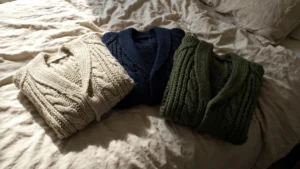
Wool usually means sheep’s wool, most often merino, with crimped, springy, naturally insulating fibres. The crimp traps air, and trapped air is what keeps you warm. Wool also absorbs moisture without feeling wet, so it stays comfortable in damp weather and insulates even in the rain. A good wool sweater has body: it holds its shape and looks like winter.
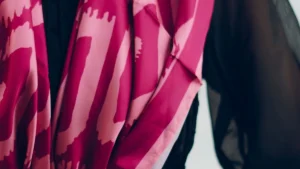
Silk comes from the silkworm, and its fibres are long, smooth, and fine, with a natural sheen no other fibre quite matches. A silk sweater is usually fine-gauge, so it feels light, drapes close to the body, and slips easily under blazers and coats. It breathes well and feels cool in mild weather, but it has almost no loft, so it cannot trap warm air the way wool does. We compared the same two fibres in our wool versus silk scarves guide, and the same trade-off shows up there: wool warms, silk drapes.
Both fibres appear on premium labels, and both are sold as luxury. The difference is what that luxury buys: with wool, warmth and durability; with silk, softness, drape, and shine. A silk sweater is not a warmer wool sweater. It is a different garment for a different job, and judging it by wool’s standards, or wool by silk’s, is how good money gets wasted.
How we chose these comparisons and what to look for

We judged each fibre on the seven questions that actually decide a purchase: warmth, softness, weight and drape, durability, pilling, care, and price. We assumed a genuine, well-made knit in each fibre, because a thin, poorly made sweater tells you nothing about the fibre itself. Blends are common, especially silk mixed with wool or cashmere, and we note where a blend changes the answer.
Check the label before you buy. A sweater labelled 100 percent wool or 100 percent silk should say so clearly, and the content should match the feel: wool springy, silk cool and smooth. Our guide to choosing the perfect wool sweater covers fit and gauge in detail, and the same checks apply here: a dense, even knit, seams that lie flat, and a sweater that springs back when you gently stretch it.
The 7 comparisons that matter in 2027
Warmth and insulation
Wool wins by a wide margin. Its crimped fibres trap warm air around your body, and wool keeps insulating even when damp, which is why it is the default winter fibre. Silk, by contrast, is a poor insulator on its own. It regulates temperature well but has no loft to trap heat, so a silk sweater feels thin and chilly in real cold unless layered under a proper coat. If warmth is the job, wool is the fibre; silk is a layering piece.
Softness against skin
Silk wins on first touch: smooth, cool, and slippery, with no prickle at all, which makes it the better choice for sensitive skin and anyone who finds wool itchy. Even fine merino, the softest common wool, has a slight texture some people feel at the neck and wrists. The difference is consistency: silk is soft for everyone, while wool softness depends on the grade. Coarse wool scratches, and no amount of wearing fixes it. If your skin reacts to wool, silk is the safer buy.
Weight and drape
Silk is lighter and drapes better. A silk sweater falls close to the body and disappears under a blazer or coat without adding bulk, which suits smart, layered outfits. Wool has more body and structure, a strength in a chunky knit but a drawback for a sleek silhouette. Choose silk when the outfit must stay slim and smooth, and wool when the sweater itself is the statement.
Durability and lifespan
Wool is the tougher fibre. Its elastic fibres bend and spring back instead of breaking, so a well-made wool sweater lasts for years of regular wear. Silk is strong in theory but delicate in practice: it weakens when wet, fades in sunlight, and is easily damaged by snags and sharp edges. Silk is a delicate garment; wool takes daily wear, commuting, and being stuffed into a bag.
Pilling and upkeep
Silk pills less than wool. Wool fibres are short and fuzzy, so they rub together and form pills wherever fabric meets fabric. Silk fibres are long and smooth, so they resist pilling and keep a clean surface far longer. But silk snags easily, shows water spots, and stains more readily. Wool pills come off with a comb, while a pulled thread or water mark on silk is often permanent.
Care and washing
Both fibres need gentle care, but silk is less forgiving. Many wool sweaters can be hand washed or machine washed on a cold, gentle cycle, then dried flat. Silk usually needs hand washing in cool water with a gentle detergent, or dry cleaning, and must never be wrung out or dried in direct sunlight. Heat is the enemy of both: hot water and tumble drying shrink wool and damage silk. If you want a sweater you can wash without thinking, wool is easier.
Price and value
Silk sweaters usually cost more than comparable wool, because silk is scarcer and harder to produce, and fine-gauge silk knitting is skilled work. Good wool is not cheap either, but there is more of it, so a good merino sweater can be found at a moderate price. Value depends on use: a wool sweater worn three times a week all winter is excellent value, while a silk sweater worn occasionally for smart occasions can still earn its price. Cheap silk is a poor buy: thin, low-grade silk loses its sheen and shape quickly.
Which sweater is right for you
Buy wool for warmth, durability, and everyday value. It suits cold climates, outdoor life, and anyone who wants one sweater to work hard all winter. Buy silk for softness, drape, and elegance, for mild weather, smart layering, or sensitive skin. Silk suits offices, evenings, and outfits where it must sit neatly under something else. Many wardrobes need both, for different days: wool for winter, silk for layering and polish.
Blends deserve a mention. A wool-silk blend combines wool’s warmth and structure with silk’s softness and sheen, and is often the most practical choice. Check the percentages on the label, because a blend with only a small amount of silk is mostly wool with a silk name. For a broader view, our best knitwear guide puts wool and silk alongside the other fibres worth knowing in 2027.
The caveats that matter
Neither fibre is perfect, and the table below is the quick version of the trade-offs. Be honest about how you will actually wear and wash the sweater.
| Detail | What is known |
|---|---|
| Warmth | Wool is far warmer and insulates when damp; silk is a light layering fibre. |
| Softness | Silk is smoother and kinder to sensitive skin; fine merino is soft but can prickle. |
| Weight and drape | Silk is lighter and drapes close to the body; wool has more bulk and structure. |
| Durability | Wool is tougher and lasts longer; silk weakens when wet. |
| Pilling | Wool pills more and needs a comb; silk resists pilling but snags and stains. |
| Care | Both need gentle washing, but silk is less forgiving of water, heat, and sunlight. |
| Price | Silk usually costs more; cheap silk is often worse value than good wool. |
| Who should avoid it | Avoid silk for rough daily wear; avoid coarse wool for sensitive skin. |
Checklist: choosing a wool or silk sweater honestly
- Read the label and check the exact fibre percentages first.
- Feel it against your neck and wrists, where itch shows up first.
- Hold it up to the light: a dense, even knit holds its shape far longer than a loose one.
- Check the seams lie flat and the sweater springs back when stretched.
- Be honest about washing: if you will not hand wash, silk will not stay beautiful.
- Try it under the jacket or coat you plan to wear it with, not just on its own.
Frequently asked questions
Is silk warmer than wool?
No. Silk regulates temperature well in mild weather, but it is a poor insulator compared with wool, which traps warm air and keeps insulating when damp. A silk sweater needs layering in real cold.
Why does my wool sweater pill so much?
Wool fibres are short and fuzzy, so they rub together and form pills wherever fabric meets fabric, especially under the arms and at the sides. Use a sweater comb regularly, and pilling should slow after the first few wears if the fibre is good quality. Very heavy, constant pilling usually means short, low-grade fibres.
Can I machine wash a silk sweater?
Usually not, and the care label is the final word. Most silk sweaters need hand washing in cool water, or dry cleaning. Never wring silk out, soak it for long, or dry it in direct sunlight: water and heat weaken the fibres and can leave marks.
Is a wool-silk blend a good compromise?
Yes, for most people it is the best of both worlds. A blend with a meaningful amount of silk feels softer and drapes better than pure wool, while the wool adds warmth, strength, and a lower price. Check the percentages, because a blend with only a little silk is mostly marketing.
How do I stop moths eating my sweaters?
Store sweaters clean and folded, never hung, with cedar blocks or lavender sachets in the drawer. Air out knitwear before storing it for summer, and check it in spring: moths are drawn to body oils and food stains. Silk attracts moths less than wool, but still needs clean storage.
Is an expensive silk sweater always better?
Not always, but very cheap silk is almost always worse. Price is a rough guide: good silk costs more because the fibre is scarce and the yarn is fine. The best test is the fabric itself: a smooth, even knit, a cool hand feel, a gentle sheen, and an honest label.
The bottom line
Wool and silk are not rivals so much as different tools for different jobs. Wool is the warmer, tougher, easier fibre, and a good merino sweater is the hardest-working piece in most winter wardrobes. Silk is smoother, lighter, and more elegant, and earns its price when you need softness and drape without bulk.
Buy wool for warmth and value, silk for softness and polish, and a blend for a bit of both. Judge the sweater in your hands, not the word on the label, and buy the best quality you can afford: a sweater you keep for years is always better value than one you replace every season.
Note: fibre guidance here reflects standard textile and brand care advice. Always check the care label on your own sweater, and follow the maker’s instructions when they differ.
Meet Our Experts
This guide was written by the BrassSmile fashion editors, who cover seasonal style, wardrobe planning, and fabric and fit guidance across our fashion and lifestyle coverage. Every comparison is checked against one question: would we wear this ourselves, all season?
Why Trust BrassSmile
BrassSmile covers fashion, beauty, lifestyle, travel, and luxury with guides written to be genuinely useful, not just shoppable. We focus on fit, fabric, and real-life wearability, and we do not invent test results or expert quotes.
Sources
Fibre and care guidance in this article reflects standard textile references and brand care guidance for wool and silk knitwear, including the International Wool Textile Organisation, published silk fibre guides, and care guidance from leading knitwear brands.