


What happens when a yacht worth more than most people’s houses sits unattended in a marina for three weeks? That question drives every serious conversation about marine security. Theft, tampering, unauthorized boarding, and even digital intrusion are real risks, and the systems designed to counter them have changed dramatically. Buyers heading into 2027 face a crowded market of cameras, alarms, satellite trackers, and access-control platforms, all promising total peace of mind.
This guide cuts through the marketing. Rather than ranking products by price tag, it groups the eight most important categories of yacht security system into a practical framework: what each one does, where it fits, and what to check before signing a contract. The same logic applies whether the vessel is a 40-foot cruiser or a superyacht with a professional crew. Security planning is a system-of-systems problem, and the categories below are the building blocks.
Why 2027 Security Planning Looks Different
Three forces are reshaping yacht security right now. The first is regulation. The International Maritime Organization’s cyber-risk rules took effect on 1 January 2021 under Resolution MSC.428(98), requiring cyber-risk management to be folded into Safety Management Systems. That matters because every networked camera and remote-monitoring dashboard expands a vessel’s digital attack surface.
The second is consumer electronics compliance. The EU’s Radio Equipment Directive (2014/53/EU) has applied since June 2016, and a delegated act on cybersecurity requirements (2022/30) applies from 1 August 2025. Wireless alarms, cameras, and remote-control gear sold in Europe must now meet those requirements. Any 2027 purchase should confirm compliance rather than assume it.
The third is integration. Older yachts carried separate alarms, cameras, and trackers. Newer platforms try to unify them into a single dashboard. That convenience comes with trade-offs in cost, complexity, and vendor lock-in. Buyers who understand the categories can ask sharper questions and avoid paying for features they will never use.
The 8 Best Yacht Security System Categories for 2027

1. Satellite-Based Vessel Tracking and Geofencing
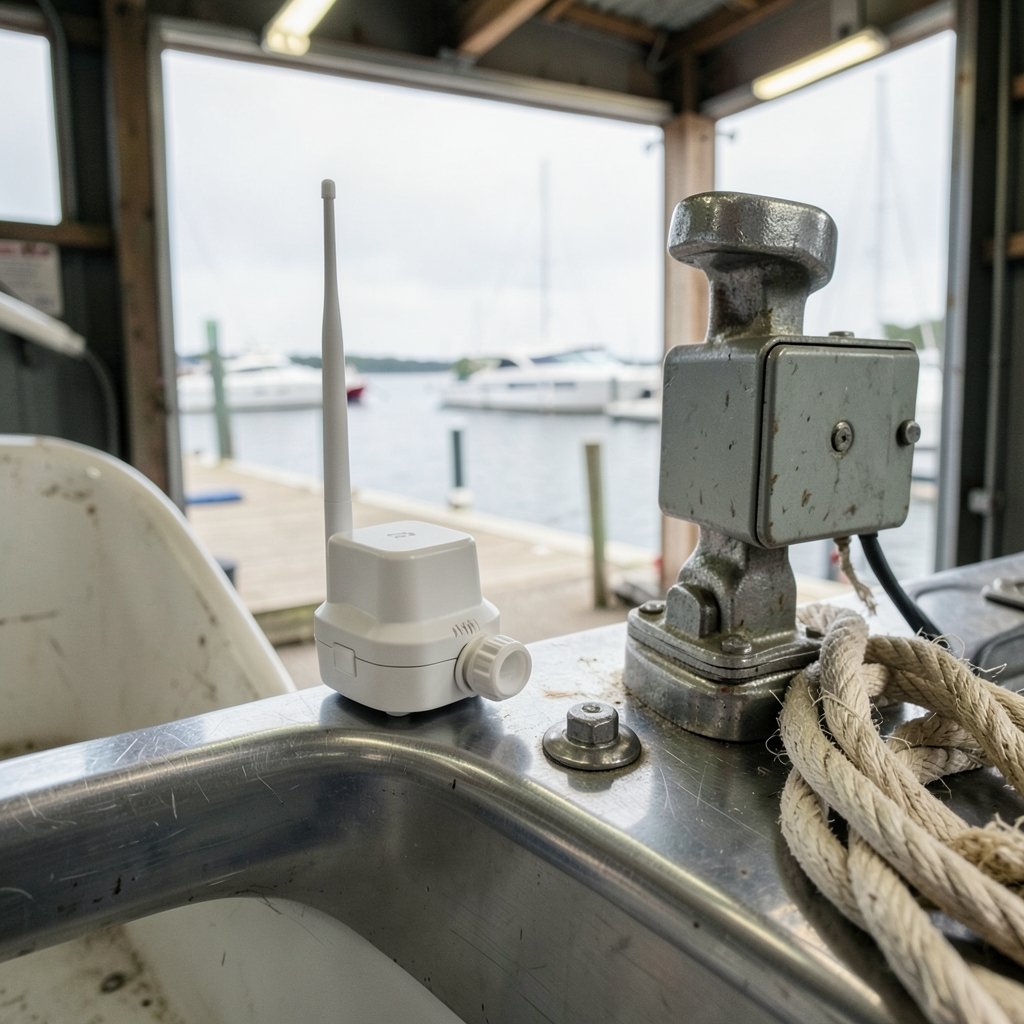
Satellite tracking is the backbone of any serious security plan. The IMO’s Long-Range Identification and Tracking (LRIT) system has operated since 30 December 2008, and it demonstrates the model: automatic position reporting that works far beyond coastal coverage.
For private yachts, commercial satellite trackers offer similar capability. A unit reports position at set intervals, triggers alerts when the vessel moves outside a defined geofence, and keeps working when marina Wi-Fi fails. The practical tip: test the geofence radius before relying on it. Too tight, and tide or mooring swing sets off false alarms. Too loose, and a slow theft goes unnoticed. A radius of 50 to 100 meters suits most berths.
2. AIS Monitoring and Collision Awareness
The Automatic Identification System (AIS) is mandatory for larger commercial vessels under SOLAS Chapter V, Regulation 19, and it remains the backbone of commercial tracking. Yachts are generally exempt, but an AIS transponder is still worth considering. It lets port authorities and nearby traffic see the vessel, and it creates a record of movements that can be reviewed after an incident.
The common mistake is treating AIS as a security device. It is an identification and collision-avoidance tool. Pair it with a dedicated tracker rather than substituting one for the other. Readers comparing hardware ecosystems often find the same integration logic applies across other luxury categories, from the top models watch 2027 AI systems that will shape the year to home technology, where interoperability decides long-term value.
3. GMDSS-Compliant Alerting and Distress Equipment
The Global Maritime Distress and Safety System (GMDSS) was fully implemented on 1 February 1999. It defines the radio and alerting equipment that larger yachts must carry, including DSC radios, EPIRBs, and NAVTEX receivers. While GMDSS is a safety framework rather than a security one, the equipment overlaps heavily with emergency response.
An EPIRB or PLB is the last line of defense if a crew member is separated from the vessel or the yacht is abandoned. Check battery expiry dates annually. This is the single most neglected maintenance task in recreational boating, and a dead EPIRB battery is worthless in an emergency.
4. ISPS-Style Access Control and Boarding Management
The International Ship and Port Facility Security (ISPS) Code entered into force on 1 July 2004. It sets security-plan, access-control, and monitoring duties for ships and ports above size thresholds. Most private yachts fall outside its scope, but marinas and superyacht berths frequently apply ISPS-style access control anyway.
For owners, this translates into practical hardware: keypad or card-entry gates, motion-triggered lighting on the passerelle, and camera coverage of boarding points. The best systems log every entry with a timestamp. If something goes missing, the log narrows the window fast. Pair access control with a simple visitor register, because human process catches what sensors miss.
5. Networked Camera and Sensor Platforms
Modern camera platforms do more than record. They detect motion zones, distinguish people from wave motion, and send push alerts to a phone. The catch is connectivity. Marina Wi-Fi is unreliable, so a cellular or satellite backhaul is needed for remote viewing.
Two practical rules apply. First, place cameras to cover the boarding point, the cockpit, and the engine bay rather than trying to cover everything. Second, verify local recording. If the network drops, footage should still be stored onboard. Buyers who have wrestled with connectivity in other contexts, such as the trade-offs explored in convertible vs coupe rental vacation luggage security cost, will recognize the pattern: redundancy beats elegance.
6. Integrated Alarm and Intrusion Detection
An alarm system is only as good as its notification path. A siren that nobody hears at 2 a.m. provides no security. The strongest 2027 designs combine door and hatch contacts, motion sensors in the cabin, and bilge or shore-power monitors into one panel that pushes alerts over cellular.
Here is where cyber-hygiene matters. Change default passwords on every connected device. Segment the security network from the entertainment network. The IMO’s cyber-risk guidance exists precisely because networked systems create new entry points. A cheap camera with a factory password is a liability, not an asset.
7. Remote Monitoring and Professional Response Services
Some owners want a dashboard. Others want a phone call at 3 a.m. and someone dispatched to the dock. Professional monitoring services bridge that gap, and they are increasingly bundled with satellite trackers and camera platforms.
Before subscribing, ask three questions. What is the response time in the vessel’s home marina? Who actually responds, and are they insured? What happens during a connectivity outage? A monitoring contract without a clear escalation path is a monthly fee with no teeth. The same scrutiny applies to service contracts across luxury goods, as anyone weighing luxury shower systems and whether the price is actually justified will recognize.
8. Cybersecurity and Firmware Management Layer
The eighth category is invisible, and it may be the most important. Every connected device on board runs firmware that needs updating. The EU’s NIS2 Directive, in force since 16 January 2023 with transposition required by 17 October 2024, widens cybersecurity obligations across supply chains. Whether a given yacht-management or marina operator falls in scope depends on national law, but the direction is clear.
Practically, owners should maintain an inventory of every networked device, its firmware version, and its last update date. Schedule updates at haul-out or during crew changeover. Disable remote access when the vessel is laid up. These steps cost nothing and close the most common gaps.
Comparing the Categories at a Glance
| Category | Primary job | Best for | Watch out for |
|---|---|---|---|
| Satellite tracking | Position reporting and geofencing | Unattended vessels, long passages | False alarms from tight geofences |
| AIS monitoring | Identification and collision awareness | Coastal and commercial waters | Not a theft deterrent |
| GMDSS alerting | Distress signaling | Crew safety offshore | Expired EPIRB batteries |
| Access control | Boarding management | Marinas, superyacht berths | No entry logging |
| Camera platforms | Visual verification | Remote checking | Wi-Fi-only connectivity |
| Alarm systems | Intrusion detection | Cabin and hatch coverage | Silent alerts, default passwords |
| Monitoring services | Human response | Owners far from the vessel | Vague escalation terms |
| Cybersecurity layer | Device and network hygiene | Every connected yacht | Unpatched firmware |
What Actually Works in Practice
Experience across the marine electronics sector points to a few consistent lessons. The first is that layered security beats a single expensive gadget. A satellite tracker plus access control plus a camera covering the boarding point outperforms a premium all-in-one system that fails at the first network outage.
The second is that installation quality decides performance. A perfectly good sensor mounted where spray hits it daily will fail within a season. Marine-grade cabling, sealed connectors, and corrosion protection are not upsells; they are the difference between a working system and a maintenance headache.
The third is documentation. Keep a simple binder or digital folder with device serial numbers, firmware versions, warranty dates, and the monitoring provider’s escalation number. When something goes wrong at an inconvenient hour, that folder saves hours of guesswork.
Finally, resist the temptation to over-automate. A system that sends forty alerts a week trains owners to ignore all of them. Tune sensitivity, review logs monthly, and prune notifications until every alert means something. The same discipline shows up in other design-driven purchases, such as choosing invisible home audio systems that actually disappear into a room, where the goal is capability without clutter.
Budgeting and Compliance Checklist
A sensible 2027 budget allocates roughly half of security spending to hardware and installation, a quarter to connectivity and monitoring subscriptions, and a quarter to maintenance and firmware management over the system’s life. Skipping the last category is the most common mistake, because unmaintained systems quietly degrade.
Before purchase, confirm four things. Does the equipment meet the EU Radio Equipment Directive cybersecurity requirements if sold in Europe? Does the vendor publish firmware update history? Is there a documented path for alerts to reach a human? And does the installation include surge and corrosion protection? A “yes” to all four is a strong signal.
Conclusion
The best yacht security system for 2027 is not a single product. It is a layered plan that combines satellite tracking, sensible access control, verified camera coverage, and disciplined cybersecurity. Regulation is tightening, consumer electronics rules are hardening, and connectivity is improving, but the fundamentals remain unchanged: know what you are protecting, test the system before you need it, and maintain it as carefully as the engines. Owners who treat security as an ongoing process rather than a one-time purchase will sleep better at anchor and in the marina alike.
FAQ
What is the single most important yacht security system to buy first?
Satellite-based tracking and geofencing usually delivers the highest return for the money. It works beyond marina Wi-Fi, alerts the owner to unauthorized movement, and creates a position record that supports recovery efforts. Cameras and alarms are valuable additions, but they depend on connectivity that a satellite tracker does not.
Is AIS required on a private yacht?
Generally no. AIS carriage is mandatory for larger commercial vessels and passenger ships under SOLAS Chapter V, Regulation 19. Private yachts are typically exempt, though many owners install a transponder voluntarily for visibility and collision awareness. It is an identification tool, not a theft deterrent.
Do I need ISPS-compliant security on a private yacht?
Most private yachts fall outside the ISPS Code, which entered into force on 1 July 2004 and applies to ships and ports above size thresholds. However, many marinas and superyacht berths apply ISPS-style access control, so owners should expect gated entry and camera coverage even when their own vessel is not in scope.
How often should yacht security firmware be updated?
At minimum twice a year, ideally at haul-out or during crew changeover. Every networked camera, alarm panel, and tracker should be inventoried with its firmware version and update date. The IMO’s cyber-risk rules, effective since 1 January 2021, exist because unpatched devices create real exposure.
What cybersecurity rules apply to wireless alarms and cameras sold in Europe?
The EU Radio Equipment Directive (2014/53/EU) has applied since June 2016, and a delegated act on cybersecurity requirements (2022/30) applies from 1 August 2025. Wireless alarms, cameras, and remote-control gear sold in the EU must meet those requirements, so buyers should confirm compliance before purchase.
How much should a yacht security system cost to run each year?
Plan for roughly a quarter of the initial system cost annually, covering connectivity, monitoring subscriptions, and maintenance. Satellite airtime and professional monitoring are the largest recurring items. Skipping maintenance to save money is a false economy, because unmaintained sensors and expired EPIRB batteries fail exactly when needed.









