


What do a padded-shoulder blazer, a pastel T-shirt under a linen jacket, and a pair of stonewashed jeans have in common? They all walked straight out of 1980s men’s fashion and into the modern wardrobe. The decade that gave the world the power suit, the preppy uniform, and the tracksuit-as-daywear is having a serious moment again. But wearing 80s style well in the 2020s takes more than grabbing the loudest jacket in the thrift store.
This guide breaks down what men actually wore in the 1980s, which parts still work, which parts should stay in the past, and how to pull off the look without turning into a costume.
Why 80s Men’s Fashion Still Matters
The 1980s were a turning point for men’s clothing. Before that decade, men’s dress was fairly conservative. Suits were slim, colors were muted, and casual wear was simple. Then the 80s arrived with big shoulders, bold colors, and a blurring of the line between work clothes, sportswear, and streetwear.
According to the Metropolitan Museum of Art’s overview of twentieth-century men’s fashion, the broad-shouldered silhouette of the 1980s was a real shift in tailoring rather than a passing fad. Designers built jackets with structured padding and interfacing to create that exaggerated shoulder. The technique was technical, but the effect was pure attitude.
That attitude shows up everywhere now. Runway collections borrow the 80s shoulder. Streetwear brands recycle the decade’s logos and color blocking. Even the renewed interest in tailored menswear nods back to the confident, broad-shouldered suits of 1985. If you want to understand why modern men’s style looks the way it does, the 80s are the starting point.
The Power Suit: The Defining Look of the Decade
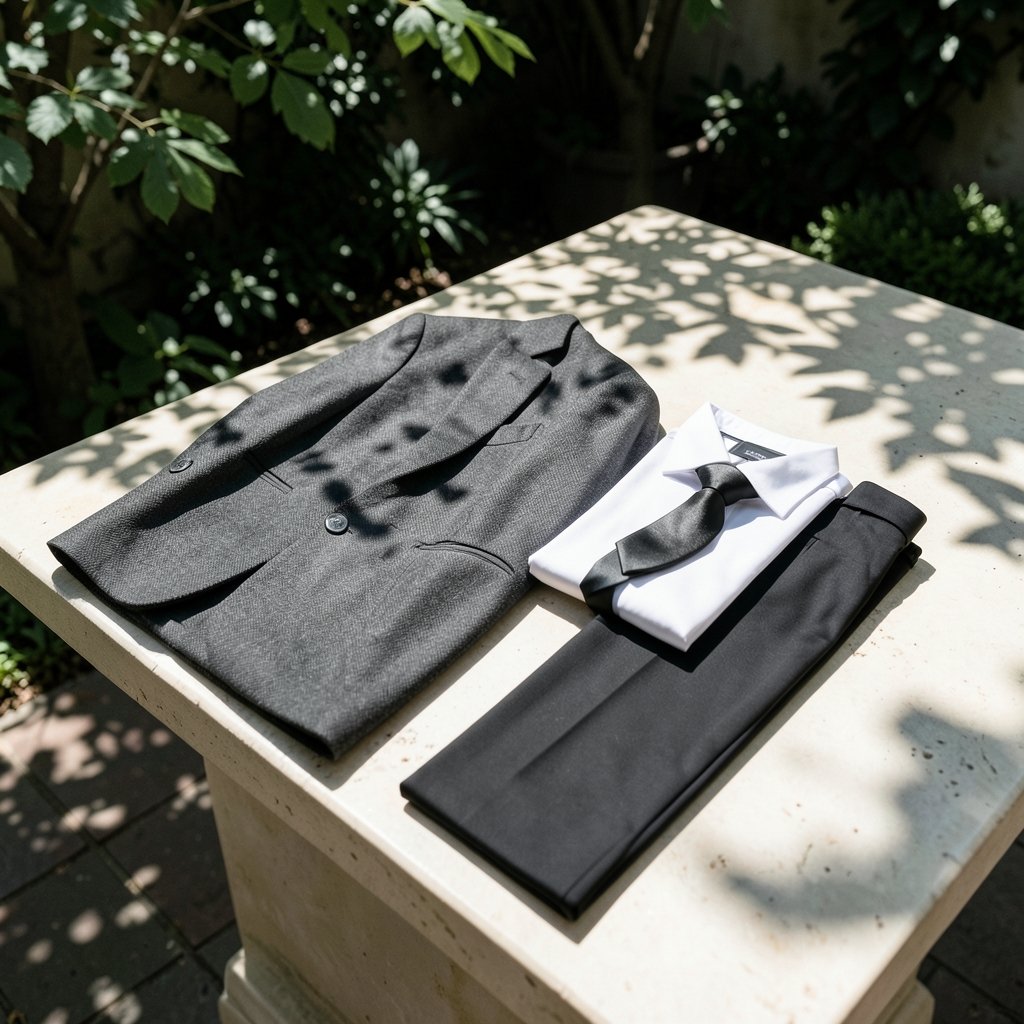
The power suit was the centerpiece of 1980s men’s fashion. It had three signature features:
- Broad, padded shoulders that made the wearer look wider and more imposing
- A nipped waist that created a V-shaped torso
- Wider lapels that framed the chest
This silhouette became the visual shorthand for Wall Street ambition. It was the uniform of the corporate climber, and it projected confidence before the wearer said a word.
How to Wear It Today
The key is balance. A full 80s power suit worn head to toe reads as retro. Instead, pick one element and let it lead:
- Choose a blazer with a slightly stronger shoulder than you normally wear.
- Keep the pants slim or straight, not pleated and baggy.
- Wear a plain white or light blue shirt with a modest collar.
- Finish with a slim tie or no tie at all.
That approach keeps the confidence of the 80s silhouette without the costume feel. If you want a deeper breakdown of the decade’s tailoring, this guide to 1950s fashion trends men shows how earlier decades solved the same problem of structured shoulders, which makes the 80s version easier to understand.
Pastels, Blazers and the Miami Vice Effect
In 1984, a television show changed how men dressed on their days off. Miami Vice premiered that year, and it is widely credited with popularizing a very specific look: a pastel T-shirt under an unstructured blazer, white trousers, and loafers worn without socks.
The look was relaxed but sharp. It said a man could be casual and put-together at the same time. That idea is everywhere today, from summer wedding guest outfits to Friday office wear.
Making Pastels Work in Practice
Pastels are the easiest 80s element to get wrong. A common mistake is wearing too many light colors at once, which can wash a man out or look like a beach outfit that wandered indoors.
What actually works:
- Pick one pastel as the focal point, such as a mint or pink T-shirt.
- Anchor it with neutrals: stone, navy, white, or sand.
- Keep the blazer unstructured so the outfit stays relaxed.
- Skip the socks with loafers only in warm weather and casual settings.
A pastel tee under a navy blazer with cream trousers is a clean, modern take. A full pastel suit is a statement piece best saved for a party.
Preppy Style: The Clean-Cut 80s Uniform
Not every 80s man wanted big shoulders and loud colors. The preppy look offered something cleaner. Polo shirts, khakis, loafers, and layered collars became a widely recognized men’s style in the early 1980s. The 1980 book The Official Preppy Handbook helped push the look into the mainstream, according to the Library of Congress catalog record for the title.
Preppy style is arguably the most wearable 80s trend today. It never really left. The rules are simple:
| Element | Classic 80s Version | Modern Update |
|---|---|---|
| Shirt | Polo with popped collar | Polo with a clean collar |
| Pants | Pleated khakis | Flat-front chinos |
| Shoes | Leather loafers | Loafers or clean sneakers |
| Layers | Sweater over collared shirt | Fine-knit sweater over an oxford |
The one rule to break: skip the popped collar. It was a signature move in the 80s, but today it reads as dated. Keep the collar flat and let the layering do the work.
Denim, Designer Jeans and the Casual Explosion
Denim was everywhere in the 1980s. Designer-label jeans and washed or stonewashed finishes became a major part of men’s casual wear. The decade treated jeans as a fashion item rather than workwear, and that shift stuck.
The mistake many men make with 80s denim is going too far. Acid wash, heavy distressing, and ultra-tight cuts can look like a costume. A better approach is to borrow the spirit rather than the exact garment:
- Choose a mid-wash or light-wash straight jean.
- Pair it with a plain tee or a rugby shirt.
- Add a denim jacket only if the washes differ clearly.
- Keep the fit comfortable, not painted on.
If you lean toward a cleaner overall look, the principles in this piece on minimalist fashion men pair well with a single 80s statement piece, like a washed denim jacket over neutral basics.
Sportswear as Daywear: Tracksuits, Sneakers and Sweatshirts
One of the biggest 1980s shifts was athletic clothing moving into everyday men’s wear. Tracksuits, sweatshirts, and sneakers as fashion became normal, part of a broader move toward sportswear as daywear.
That trend never reversed. Today’s athleisure market is the direct descendant of the 80s tracksuit. The difference is fit and fabric. Modern versions are cut closer and made from better materials, which makes them far easier to wear outside the gym.
Practical Tips for Sportswear Styling
- Keep it tonal. A matching tracksuit in one color looks intentional; clashing colors look messy.
- Upgrade the shoes. Clean leather sneakers bridge sporty and smart.
- Avoid logos everywhere. One small logo is enough.
- Layer with structure. A track jacket under a topcoat is a genuinely modern move.
The sneaker culture that exploded in the 80s also shaped how men think about footwear today. That same energy carries into current runways, as seen in how Angelica Hicks fashion illustrator turns runway moments into sharp visual commentary on what people actually wear.
Hair, Grooming and the Finishing Touches
Clothing was only part of the 80s look. Hair and grooming mattered just as much. Larger, styled hair was common, and the mullet became a recognizable men’s hairstyle during the decade. Grooming leaned toward clean-shaven or lightly stubbled.
Hairstyle dating is approximate and varies by country and subculture, so treat any “1980s hair timeline” with caution. The safe modern take is to borrow volume and texture, not the exact cut. A bit of lift at the front and a clean fade at the sides gives a nod to the decade without the commitment.
Accessories followed the same logic. The 80s loved a statement: bold watches, thin ties, and sunglasses with attitude. Today, one strong accessory per outfit is plenty. Two or three competing pieces tip the look from styled to theatrical.
Music, Subculture and the Many Faces of 80s Style
There was no single 80s look. New wave, synth-pop, and hip-hop scenes each shaped men’s dress in different directions. New wave brought skinny ties and sharp, narrow suits. Hip-hop brought tracksuits, sneakers, and bold branding. The Victoria and Albert Museum’s collections hold numerous 1980s menswear objects that show just how varied the decade was.
That variety is useful for anyone building a modern wardrobe. You can pick the lane that fits your life:
- The corporate lane: power suit tailoring, updated and slimmed.
- The resort lane: pastels, unstructured blazers, loafers.
- The preppy lane: polos, chinos, layering.
- The street lane: tracksuits, sneakers, denim.
Mixing two lanes is where personal style starts. A preppy polo under a power-suit blazer, or a tracksuit jacket over tailored trousers, shows you understand the references without copying them.
Common Mistakes When Wearing 80s Style
Plenty of men try 80s fashion and end up looking like they rented a costume. Here is what actually goes wrong, and how to fix it.
Mistake 1: Wearing the whole decade at once. Big shoulders, pastel shirt, acid-wash jeans, and a mullet together is a themed party, not an outfit. Fix: pick one hero piece and keep everything else modern.
Mistake 2: Ignoring fit. 80s clothing was often loose. Modern 80s-inspired clothing should fit your body. Fix: buy the style, then tailor it.
Mistake 3: Overdoing the color. The decade loved neon and pastel. Fix: use one bold color and ground it with neutrals.
Mistake 4: Skipping the shoes. Shoes make or break retro looks. Fix: invest in clean loafers or simple leather sneakers.
Mistake 5: Forgetting grooming. A sharp outfit with messy, unstyled hair looks unfinished. Fix: keep hair neat and intentional.
How 80s Style Fits Into the 2026 Wardrobe
The 80s revival is not happening in isolation. Broader trends are pulling the decade back into view. Tailoring is returning, sportswear is more polished, and color is creeping back into men’s closets. The wider direction of style is covered in this 2026 fashion trends guide, which shows how retro references get filtered through modern proportions.
For a broader view of where things are heading, the fashion trends 2026 tag collects the season’s key movements. There is also a parallel story on the women’s side, tracked in 2026 fashion trends female, and the crossover between the two is real: oversized blazers, bold color, and relaxed tailoring appear in both.
Quality matters more than ever in this revival. The best 80s-inspired pieces are made with modern fabrics and construction. That is where the Italian luxury fashion tradition comes in. Italian tailoring has long balanced strong shoulders with a clean drape, which is exactly the balance the 80s look needs to work today.
Pop culture keeps feeding the cycle too. Books and films revisit the decade’s style constantly, much like the way the Barbie world tour book delivers fashion movie only hinted at expands on-screen style into print. Fashion and media have always reinforced each other, and the 80s are a prime example.
Conclusion
80s fashion for men was never one look. It was a power suit and a pastel tee, a preppy polo and a tracksuit, all in the same decade. That range is exactly why it still works today. The decade gave men permission to dress with confidence, color, and personality.
The smartest way to wear it now is selective. Choose one strong 80s element, such as a broad-shouldered blazer, a pastel layer, or a washed denim jacket, and build a modern outfit around it. Keep the fit sharp, the colors controlled, and the grooming intentional. Do that, and the 80s stop being a costume and start being a genuine style advantage.
Frequently Asked Questions
What was the most popular men’s fashion in the 1980s?
The power suit was the defining look, with broad padded shoulders, a nipped waist, and wide lapels. Casual wear leaned on pastels, preppy staples, denim, and sportswear. No single style dominated, which is why the decade feels so varied.
Why did 1980s suits have such big shoulders?
The exaggerated shoulder was created with structured padding and interfacing, a documented tailoring technique. It made the wearer look broader and more authoritative, which fit the era’s corporate culture and its focus on visible success.
Did Miami Vice really change men’s fashion?
It is widely credited with popularizing pastel T-shirts under unstructured blazers, white trousers, and loafers without socks after its 1984 premiere. The claim is a common cultural assertion rather than a documented causal finding, but its influence on casual menswear is hard to deny.
How can I wear 80s fashion without looking like I’m in costume?
Pick one hero piece and keep everything else modern. A strong-shouldered blazer with slim trousers works; a full acid-wash outfit with a mullet does not. Focus on fit, limit bold colors to one per outfit, and invest in clean shoes.
Is preppy style still wearable today?
Yes. Preppy is arguably the most wearable 80s trend. Polos, chinos, loafers, and layered knits all remain staples. The main update is to skip the popped collar and choose flat-front pants over pleated ones.
What 80s trends should men avoid?
Acid-wash denim head to toe, neon everything, and heavily logo-covered outfits tend to look dated. The mullet is also best left in the decade. These elements can work as small accents, but wearing them all at once rarely looks intentional.














