


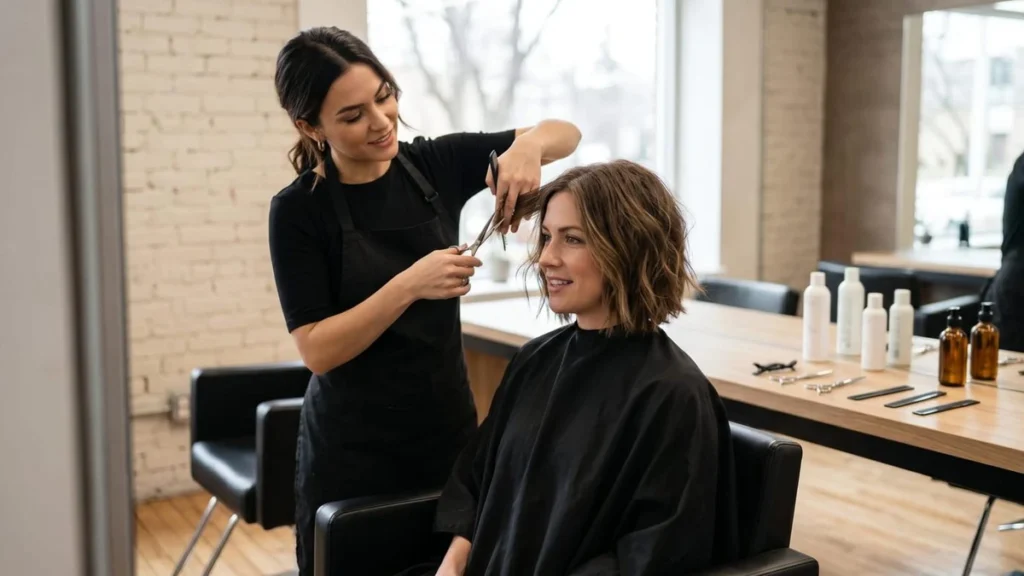
A haircut can go wrong for two main reasons. Either you and your stylist understood the same words differently, or the cut looked great at first but became difficult to manage a few weeks later. Sometimes, the problem is not the haircut itself. It is the difference between the style you imagined and the one your hair can realistically maintain.
Understanding a few basic haircut terms can make your next appointment easier. You do not need to learn every technical word a stylist uses. You need to know the difference between layers and a blunt cut, a fade and a taper, and a trim that maintains your shape versus one that helps you grow your hair longer.
Timing matters, too. Short crops and bangs often need more frequent maintenance than longer styles. If you are growing your hair out, a carefully planned trim can help preserve its shape without taking away too much length.
This guide explains the haircut terms worth knowing, how often to book an appointment, and how to describe exactly what you want before the scissors come out.
Key Takeaways
- Layers remove weight and add movement, while a blunt cut creates a stronger, more even outline.
- A fade blends hair down to the skin; a taper creates a more subtle change in length around the ears and neckline.
- Your ideal trim schedule depends on your goal. Maintaining a shape usually requires more frequent cuts than growing out your hair.
- Bring reference photos and explain the length, shape, and texture you want.
- Tell your stylist how you actually style your hair. A cut designed for daily blow-drying may not work as well if you air-dry.
- Growing your hair out does not always mean avoiding trims. Occasional maintenance can help keep the shape intentional.
- Hair texture, density, and previous chemical treatments can affect how a cut looks and how often it needs attention.
Haircut Basics, Terminology, Decoded

You do not need to memorize dozens of haircut terms. Start with these seven, which cover many of the most common requests in a salon or barbershop.
| Term | What it means | When to ask for it |
| Layers | Different lengths cut into the hair to create movement and remove weight | When your hair feels heavy, flat, or too bulky around the sides |
| Blunt or one-length cut | Hair cut to create a strong, relatively even outline | When you want a clean perimeter or the appearance of fuller ends |
| Fade | A gradual blend from very short hair, often down to the skin | When you want short sides that blend upward into longer hair |
| Taper | A gradual shortening around the ears and neckline | When you want a neat finish without a pronounced skin fade |
| Undercut | Short sides or back separated from a longer top, often with a noticeable contrast | When you want a more disconnected, dramatic shape |
| Shag | A layered cut with plenty of texture, often paired with a fringe | When you want a relaxed, textured style with movement |
| Dusting | Removing a very small amount from the ends | When you want to maintain length while tidying damaged ends |
Two distinctions are especially useful.
Layers versus texturizing: Layers change the shape by creating different lengths. Texturizing removes some bulk or changes how the hair sits without necessarily changing the overall outline. The exact technique depends on the hair type and the stylist’s approach.
Fade versus taper: A fade often blends down to the skin, while a taper usually leaves some hair around the neckline and ears. Barbers may use these terms differently when describing specific styles, so explain how short you want the sides and where you want the blend to begin.
What Are Curtain Bangs?

Curtain bangs are a fringe that usually parts near the middle and sweeps to either side of the face. They can frame the cheekbones and often blend into longer layers as they grow.
If you want curtain bangs, bring a photo showing the length and how they sit around the face. Hair texture, natural growth patterns, and styling habits can all affect the final result.
How Often Should You Get a Haircut?

There is no single schedule that works for everyone. The right interval depends on whether you want to maintain a particular shape, grow your hair longer, or keep a short style looking sharp.
Hair generally grows around half an inch per month, although the rate varies from person to person. Your haircut schedule should account for that growth as well as how quickly the shape loses its definition.
| Your goal | Suggested interval | What to ask for |
| Maintain a defined style | Every 6–8 weeks | A trim that restores the original shape |
| Grow length while maintaining the ends | Around every 10–12 weeks, if needed | A light trim or dusting |
| Maintain a short cropped cut | Every 3–4 weeks | A small shape refresh |
| Keep bangs at a specific length | Every 2–3 weeks, if needed | A fringe trim |
| Grow out a short haircut | Around every 10–12 weeks, depending on the shape | A maintenance trim that preserves length |
These are starting points, not strict rules. Some cuts need attention sooner, while others remain manageable for longer.
How Hair Texture Changes Your Trim Schedule
Curly and coily hair can look different depending on shrinkage, styling, and how the curls sit. Some shapes maintain their silhouette for longer between appointments, while others need regular shaping to prevent uneven bulk.
Straight hair can make changes to the perimeter more noticeable, especially when the cut relies on a clean, blunt line. Fine hair may also need a different approach from thick hair because removing too much weight can change the way it falls.
If your hair is bleached, chemically straightened, or otherwise processed, ask your stylist to assess its condition. Damaged ends may need extra attention, but trimming alone cannot repair damage along the length of a strand.
How Much Hair Should You Cut Off?
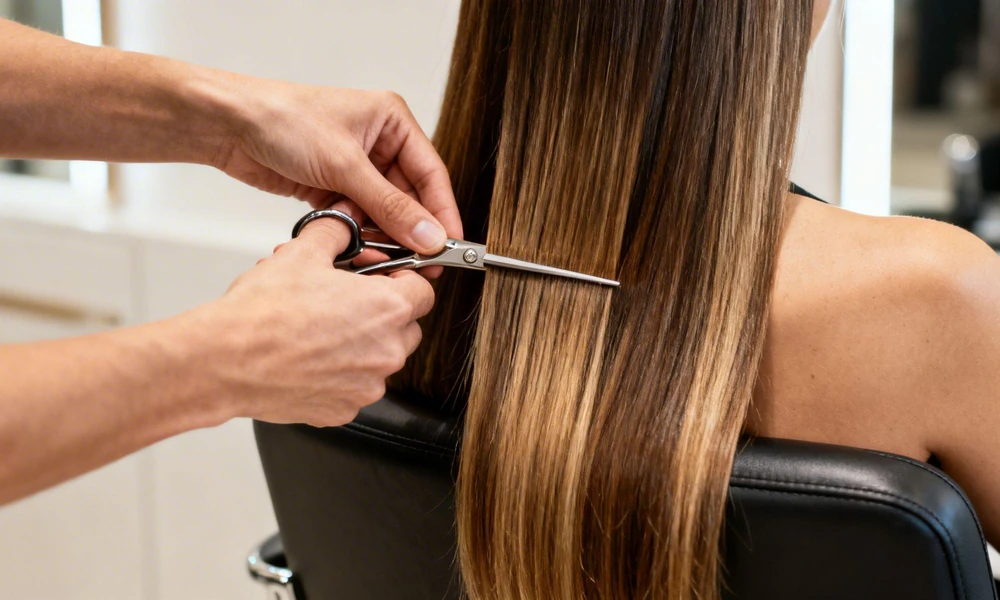
If you are growing your hair longer, you might only need a small trim when the ends require it. A quarter to half an inch is one possible starting point, but it is not a universal requirement.
If you want to maintain your current shape, you may need a larger trim to restore the outline. If you want to grow your hair, tell the stylist that length retention is your priority before the appointment begins.
Once you reach your target length, our hairstyles for long hair guide offers 24 looks sorted by time and skill.
A useful phrase is: “I want to keep as much length as possible. Please remove only what is needed to tidy the ends.”
How to Ask for Exactly the Haircut You Want
A good haircut consultation is a conversation, not a guessing game. These five steps can help you explain your preferences clearly.
1. Bring Three Reference Photos

One photo should show the length you want, another the overall shape, and a third the texture, fringe, or details you like.
It is fine to bring just one photo if that captures everything. The important part is explaining what you like about it. You might love the length but dislike the bangs, or prefer the shape without wanting the same styling finish.
Reference photos give your stylist a visual starting point, but your hair may not behave exactly like the hair in the picture.
2. Describe Length Using Landmarks
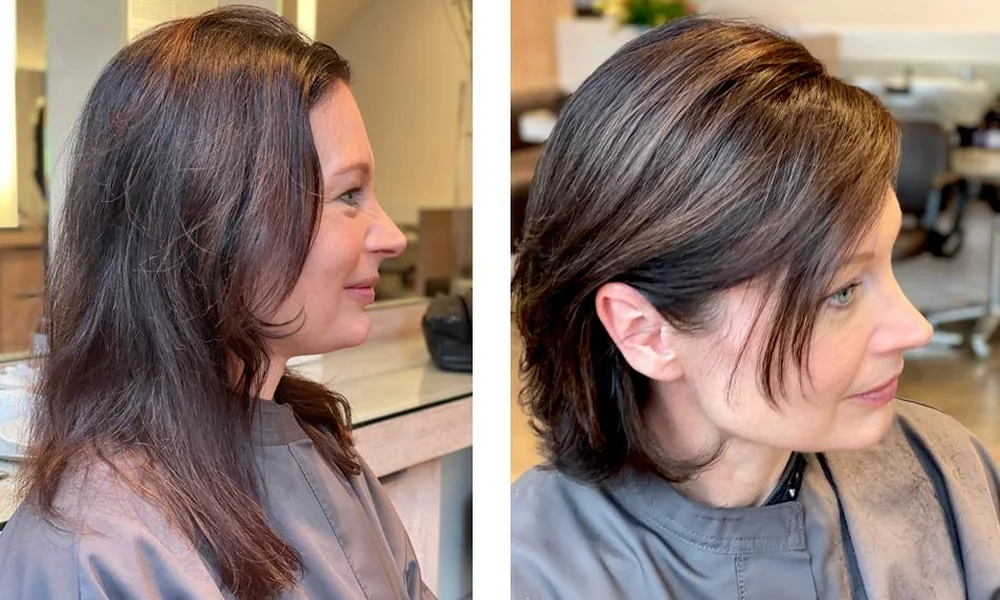
Words such as “short,” “medium,” and “long” can mean different things to different people. Give your stylist a clear reference point instead.
For example, you could say:
- “Keep the ends just above my shoulders.”
- “I want the front pieces to reach my cheekbones.”
- “Leave enough length to tie my hair into a ponytail.”
- “Keep the top long enough to style to one side.”
These instructions are more useful than relying on a general description alone.
3. Explain the Clipper Length for Short Cuts
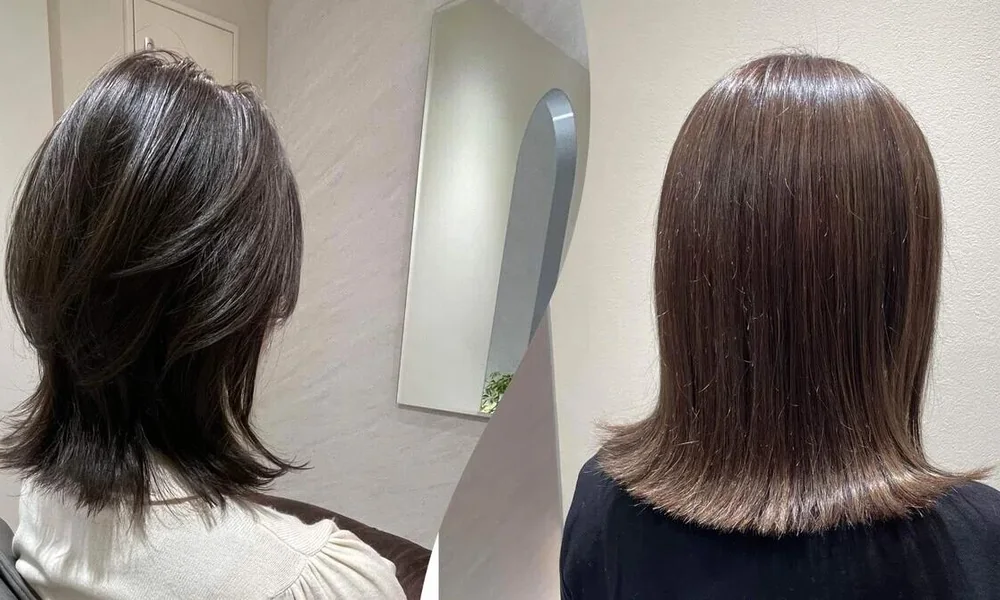
If you are getting a clipper cut, guard numbers can help describe how short you want the hair. However, guard lengths and the way a fade is blended are different parts of the haircut.
You might ask for a number-two guard on the sides with a low fade, for example. If you are unsure what that will look like, ask the barber to explain the proposed length before starting.
4. Be Honest About Your Styling Routine

Tell your stylist how much time you are willing to spend on your hair each morning.
If you usually air-dry, say so. If you use a blow-dryer and styling products every day, explain that too. A cut that looks polished after a professional blowout may require more work at home than you expect.
Also mention any tools you do not own or techniques you do not want to use. Your haircut should fit your real routine, not an ideal routine you are unlikely to follow.
5. State Your Deal-Breaker
Before the cut begins, explain the one thing you most want to avoid.
It could be losing too much length, having bangs cut above your eyebrows, exposing too much of your neckline, or making the sides too short.
A simple sentence can help: “I am happy to change the shape, but I do not want the overall length above my shoulders.”
Clear limits give your stylist a better chance of meeting your expectations.
Men’s vs. Women’s Haircuts Basics: What Actually Differs?
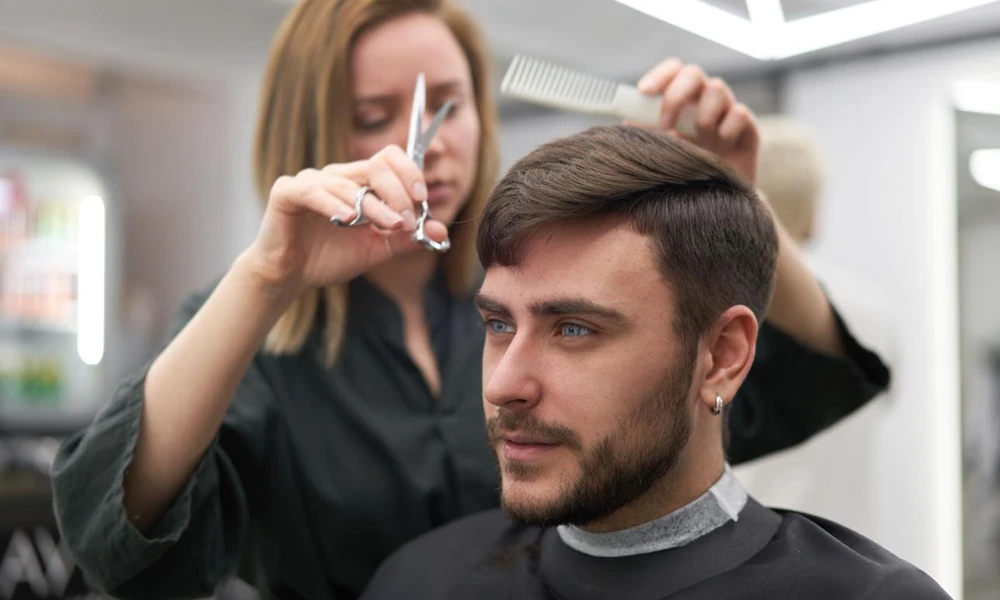
The main differences often involve the requested style, the techniques used, and how frequently the cut needs maintenance. The labels “men’s haircut” and “women’s haircut” are not strict rules about who can wear a particular style.
Barbers often specialize in clipper work, fades, tapers, and short, structured shapes. Hairstylists may focus more on longer lengths, layered shapes, and techniques designed around how hair falls and moves. Many professionals do both, so it is worth checking their experience with the style you want.
Appointment frequency also varies. A sharp fade may need refreshing every few weeks, while a longer layered cut may remain wearable for several months. Price and appointment length depend on the salon or barbershop, the stylist’s experience, and the complexity of the service.
Rather than choosing a professional based only on the gender label attached to a haircut, look for someone whose portfolio shows the result you want.
Bring reference photos, explain your preferred length, and describe your styling routine. Those details matter whether you are booking a barber or a salon stylist.
Face Shape and Hair Texture: Choosing a Cut That Works

Face shape can help you compare haircut options, but it should not be the only factor in your decision. Hair texture, density, growth patterns, and styling habits often have a greater effect on how a cut looks in everyday life.
Here are a few starting points:
- Round faces: Some people prefer added height or longer lines to create a more elongated appearance.
- Long faces: Width around the sides or a fringe can help balance the overall proportions.
- Square faces: Softer layers or a less rigid outline can reduce the emphasis on angular features.
- Heart-shaped faces: Length or movement around the chin can help balance a wider forehead.
These are styling ideas, not rules about which cuts you can wear.
Curly hair, for example, can shrink as it dries, changing where the ends sit. A blunt cut may create a very different outline on straight hair than on tightly curled hair. Thick hair may need weight removed, while fine hair may benefit from a shape that preserves fullness at the ends.
The best approach is to consider your natural texture first, then choose a shape that suits your preferences and the time you want to spend styling it. Your stylist can help adapt a reference cut to your hair rather than copying it exactly.
Growing Out a Haircut Without the Awkward Stage

When you want to grow your hair, stopping haircuts completely may seem like the easiest option. However, some styles become uneven as different sections grow at different rates.
A better approach is to maintain the parts that lose their shape while protecting the length you want to keep.
Trim Only What Needs Attention
If you are growing out a short cut, ask your stylist to tidy the outline without removing unnecessary length from the top or other areas you are trying to grow.
A light dusting may be enough for some people, while others need a more deliberate adjustment to keep the style balanced. The right approach depends on your current cut and your intended destination.
Adjust the Shape as It Grows
Your stylist may suggest changing the part, blending sections, or reshaping the perimeter as the hair gets longer. Small adjustments can help different lengths work together instead of leaving the haircut looking unfinished.
If you are growing out a fringe, discuss how it can blend into the rest of your hair. You may be able to sweep it to the side or incorporate it into face-framing layers as it gets longer.
Be Realistic About the Timeline
Growing out a haircut takes patience. The time required depends on how much length you need, your growth rate, and whether you are aiming for a specific shape.
Instead of expecting one appointment to solve every awkward stage, ask your stylist to plan the transition. A series of small adjustments may make the process easier to manage.
The goal is not to cut your hair as little as possible at any cost. It is to keep the style wearable while allowing the length to increase.
Frequently Asked Questions About Haircuts Basics
How often should you get a haircut?
A common starting point is every 6–8 weeks to maintain a defined shape. Short crops may need attention every 3–4 weeks, while longer hair that is being grown out may only need a light trim around every 10–12 weeks or when the ends and shape require it. Bangs often need more frequent maintenance.
What is the difference between a fade and a taper?
A fade usually blends the hair down to the skin, while a taper gradually shortens the hair around the ears and neckline without necessarily exposing the skin. The exact result depends on the barber’s technique, so reference photos can help clarify your preference.
How much should I cut off if I want to grow my hair?
You may only need a small trim when the ends require attention. A quarter to half an inch is one possible starting point, but the amount should depend on the condition of your hair and your current shape. Tell your stylist that retaining length is your priority.
How do I fix a bad haircut?
First, identify what is wrong: the length, shape, layers, fringe, or balance between sections. If the cut is recent, contact the original stylist or salon and ask whether they can assess it and discuss a correction.
If you seek a second opinion, explain what you dislike and what you want to preserve. Sometimes a stylist can improve the shape, but a cut that is too short may simply need time to grow. Avoid making repeated, rushed changes that remove more length without a clear plan.
Do men and women need different haircut schedules?
Not necessarily. Maintenance depends more on the haircut than on gender. A short fade may need frequent touch-ups, while a long layered style may last much longer between appointments. Choose a schedule based on how you want the shape to look.
Final Thoughts About Haircut Basics
A good haircut starts with clear communication and continues with realistic maintenance. Learn a few key terms, bring photos that show what you like, and explain how much time you want to spend styling your hair.
Choose your trim schedule based on your goal, whether that is keeping a sharp shape, maintaining healthy-looking ends, or growing your hair longer. If you are growing out a cut, ask for a plan that protects your length while keeping the shape manageable.
Once you know the terms and understand what your hair needs, your next appointment becomes less of a gamble. The next step is deciding which style fits your hair and routine. The related Hair Styles guide can help you explore the options.









