

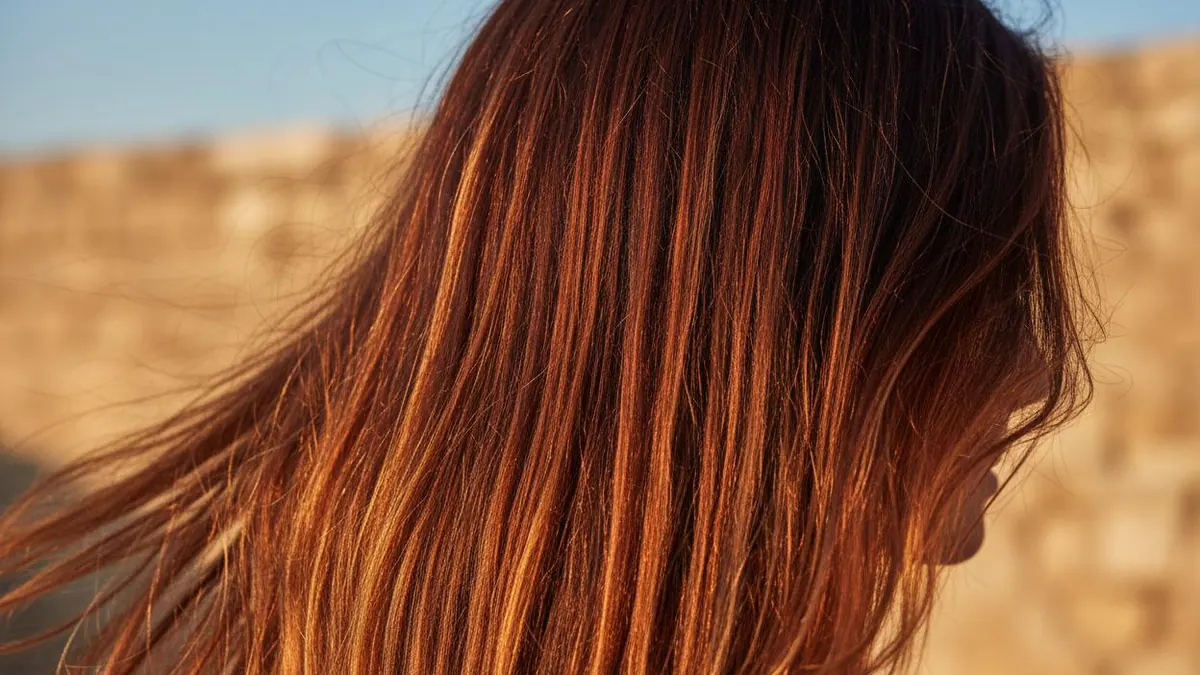

Auburn hair sits between red and brown, combining the warmth of red with the depth of brunette. Depending on the shade, it can look like rich reddish-brown in indoor light and reveal coppery or red tones in sunlight. That balance makes auburn different from brighter copper, golden ginger, and brown-dominant chestnut.
But choosing auburn involves more than picking a color from a salon chart. The right shade depends on your natural hair color, the undertones you want to emphasize, and how much maintenance you are comfortable with. Going auburn from dark brown or black hair can also require a different process from coloring blonde or light brown hair.
This guide explains what auburn hair looks like, how to distinguish it from similar shades, which versions to consider for different skin tones, and how to keep the color looking rich between salon visits.
Key Takeaways
- Auburn hair combines red and brown. The balance can range from soft reddish-brown to deep, red-rich brunette.
- Copper is brighter and more orange-red, while chestnut is primarily brown with a subtle red undertone.
- Auburn can work with many skin undertones. Copper-forward shades often complement warm undertones, while muted red-browns can suit cooler undertones.
- Natural auburn hair exists, although reliable statistics specifically for auburn are limited.
- Your starting hair color matters. Dark hair may need lightening for a noticeable result, while lighter hair can often be colored without it.
- Auburn color gradually fades. The result may become more brown or reveal more orange warmth, depending on the original shade and coloring process.
- Color-safe products, less frequent washing, and heat protection can help auburn hair retain its richness.
What Is Auburn Hair?

Auburn hair is a reddish-brown hair color that blends the red family with the brunette family. It can appear warm and coppery, muted and earthy, or deep and almost burgundy, depending on the shade.
Unlike bright copper, which has a strong orange-red appearance, auburn has enough brown depth to create a more subdued finish. This makes it a useful option for anyone who wants a red-toned color without committing to an intensely bright red.
Auburn can also look different under changing light. Indoors, a deeper shade may appear mostly brown, while sunlight reveals its red or copper highlights. This variation is part of its appeal, although the exact effect depends on the color formula, natural hair color, and lighting.
There is no single auburn shade. Some versions are light and warm, while others are dark, cool, or richly red. Choosing the right balance is more useful than relying on the name alone.
Auburn vs. Copper vs. Ginger vs. Burgundy vs. Chestnut

These hair colors can look similar in photographs, especially when lighting and editing change their appearance. The easiest way to distinguish them is to look at how much red, orange, and brown each shade contains.
| Hair color | Main appearance | How to recognize it |
| Copper | Bright orange-red with a vivid finish | Looks noticeably fiery and orange-toned |
| Ginger | Light red with golden warmth | Often appears lighter and more golden than copper |
| Auburn | Red and brown in a visible balance | Can look reddish-brown indoors and more red in sunlight |
| Burgundy | Deep red with cool, violet-like tones | Often looks wine-colored or purple-red in shadow |
| Chestnut | Brown with a subtle red undertone | Looks brown first, with red warmth appearing more quietly |
The most common mix-up is auburn versus chestnut. Chestnut is generally brown-dominant, while auburn has a more noticeable red presence. Copper is usually brighter and more orange, whereas auburn tends to look deeper and more grounded.
If you are choosing between salon swatches, compare them under natural and indoor light. A shade that looks brown in one setting may reveal much more red in another. Ask your colorist to show you how the proposed shade is expected to look against your current hair color, rather than choosing from the name alone.
Who Suits Auburn Hair? Skin Tones and Eye Colors
Auburn comes in enough variations that people with different skin undertones can find a version they like. The key is choosing the right balance of red, brown, copper, and depth.
Auburn Hair for Warm Skin Undertones

If your skin has golden, peachy, or warm undertones, consider copper-forward auburn, cinnamon auburn, or a rich reddish-brown. These shades can echo the warmth already present in your complexion.
For a more noticeable change, a brighter auburn may create a vivid result. For something more understated, choose a deeper brown-based auburn with softer red reflections.
Auburn Hair for Cool Skin Undertones

Cool undertones often pair well with muted auburn, deep red-brown, or auburn shades with a subtle burgundy influence. These options can provide warmth without creating an overly orange contrast.
If you prefer a natural-looking result, avoid choosing a shade based only on how red it looks in a heavily edited photograph. Ask to see the color in realistic lighting and consider how it will appear next to your natural roots.
Auburn Hair for Olive Skin

Olive undertones can work with several auburn variations. Deep auburn, burnished reddish-brown, and balanced red-brown shades are useful starting points.
The result depends on how light or dark you want your hair to look and whether your complexion leans more golden, neutral, or cool. A strand test or salon consultation can help you compare options before making a full-color change.
Which Eye Colors Pair Well With Auburn?

Auburn can complement a range of eye colors, but the overall contrast changes with the shade.
- Green eyes: Red tones can create a noticeable contrast with green eyes, making auburn a popular pairing.
- Hazel eyes: Warm auburn can bring out golden or green flecks, depending on the individual’s coloring.
- Blue eyes: Muted or deeper auburn can create contrast without overwhelming lighter eyes.
- Brown eyes: Rich auburn and dark red-brown can create a cohesive, deep look.
These are styling suggestions, not strict rules. Your preferred shade, natural coloring, and personal style matter more than matching your hair color to a particular eye color.
Is Auburn Hair Natural?

Yes. Auburn occurs naturally as a reddish-brown variation within the red-hair spectrum. Natural hair color is influenced by genetics, including variation in the MC1R gene, which is associated with red hair. However, hair color inheritance is complex, and a person’s exact shade cannot be explained by one gene alone.
Natural auburn hair can appear in people from different backgrounds. Its appearance varies from muted brown-red to more obvious copper-red, so not every naturally auburn-haired person looks like a bright redhead.
Reliable global statistics specifically measuring natural auburn hair are limited. Figures commonly quoted for red hair generally refer to red hair as a broader category, not auburn alone. It is therefore difficult to make a well-supported claim about exactly how rare auburn is compared with other natural red shades.
Of course, auburn is also a popular dyed hair color. Salon color and at-home dyes can create auburn on a range of starting shades, although the process and final result depend on the hair’s existing pigment and treatment history.
How to Get Auburn Hair From Dark or Light Hair

The best way to achieve auburn depends on your starting color, your target shade, and whether your hair has been dyed before. A color that works directly on light brown hair may not show clearly on black hair.
1. From Black or Dark Brown Hair
If your hair is naturally black or very dark brown, a direct auburn dye may create only a subtle red reflection rather than a clearly visible auburn color.
For a brighter or lighter auburn, a colorist may need to lighten your hair before applying the target shade. The amount of lightening depends on the starting color, the desired result, and the condition of your hair. Not everyone needs the same level of lift, and some dark auburn shades can be achieved with less dramatic changes.
If your hair has previous box dye, permanent color, or other chemical treatments, tell your colorist before the appointment. Artificial pigment can respond differently from natural hair pigment, making the process less predictable.
2. From Light or Medium Brown Hair
Light-to-medium brown hair is often a convenient starting point for auburn. Depending on the target shade, a permanent or demi-permanent color may add enough red warmth and depth without bleaching.
A darker brown base generally produces a deeper result, while a lighter base may reveal more of the red or copper tones. If you want a subtle change, a brown-based auburn can add warmth without looking dramatically red.
3. From Blonde Hair
Blonde hair can take on auburn tones readily, but the final result may look brighter or more vivid than expected because there is less dark pigment in the starting color.
Moving from blonde to auburn often involves adding red and brown tones rather than lightening the hair. Depending on the shade and condition of the hair, a colorist may recommend a filling or pre-pigmentation step to help create a more even result.
Color-treated blonde hair can be especially unpredictable. A professional consultation or strand test helps reduce the risk of an overly bright, uneven, or quickly fading result.
4. From Previously Dyed Hair
Previously colored hair needs extra care because the existing artificial pigment affects what can be achieved next. Applying auburn over an old dye job may produce different results at the roots, mid-lengths, and ends.
Before coloring, share your recent hair-color history, including dark dyes, highlights, bleach, and color-removal treatments. Your colorist can then decide whether the hair needs color correction, lightening, or a more gradual transition.
5. Should You Use Box Dye or Visit a Salon?
At-home auburn dye may be suitable if you are maintaining a similar shade or making a relatively small change. It is less predictable when you want a major transformation.
Consider professional coloring if you have black or heavily dyed hair, want a bright auburn result, need color correction, or have previously bleached hair. Lightening and correcting uneven color can be difficult to manage at home, and repeated chemical treatments can damage the hair.
Before choosing a product, check the shade chart and instructions, perform the recommended allergy-alert test, and follow all safety directions. A strand test can also show how the color may develop on your existing hair.
How Auburn Hair Fades and How to Maintain It

Auburn hair color gradually loses intensity through washing, heat styling, sunlight, and other environmental exposure. As the red tones fade, the hair may look browner or reveal more orange warmth, depending on the original formula and underlying pigment.
Auburn may be less visually dramatic as it fades than a very bright red, but it still needs care to maintain its intended balance of red and brown.
Wash Less Often With Color-Safe Products
Wash your hair when it needs it, rather than following a rigid schedule. If your scalp and hair allow it, spacing out washes can help preserve color.
Use a shampoo formulated for color-treated hair, and avoid water that is unnecessarily hot. A cooler rinse may feel comfortable and can help reduce the rough feel associated with very hot water, although it will not stop fading completely.
Use a Color-Depositing Mask When Needed
A color-depositing conditioner or mask in a compatible red-brown shade can refresh faded auburn between coloring appointments.
Choose the product based on your actual shade. A copper mask may push auburn too orange, while a very red or violet product can change the color in a different direction. Test the product on a small section first and follow the recommended application time.
Protect Hair From Heat and Sun
Frequent high-heat styling can contribute to dryness and make color-treated hair look less glossy. Use a heat protectant before styling, and choose the lowest effective temperature for your hair type.
Sun exposure can also affect the appearance of dyed hair. Wearing a hat or using a suitable UV-protection product can help reduce exposure, especially during long periods outdoors.
Schedule Gloss or Color Refreshes as Needed
A gloss or toner may help restore shine and adjust the red-brown balance when the color starts looking dull. The right timing depends on the formula, washing routine, hair condition, and how much fading you notice.
Rather than booking every four to six weeks automatically, ask your colorist how often your specific shade is likely to need refreshing. Some people need touch-ups sooner, while others can wait longer.
Keep the Hair Healthy
Color-treated hair benefits from a routine that supports softness and reduces breakage. Use conditioner regularly, consider a suitable deep-conditioning treatment when needed, and avoid repeated chemical processing unless there is a clear reason to do it.
Healthy-looking hair reflects light better, helping auburn appear richer and more dimensional even as the color gradually fades.
Frequently Asked Questions About Auburn Hair
Is auburn hair red or brown?
Both – auburn is red and brown pigment in visible balance. It reads red in sunlight and reddish-brown indoors, which is exactly the test that separates it from chestnut (brown-led) and copper (all red).
Does auburn suit cool skin tones?
Yes – choose the muted red-brown and burgundy-adjacent versions. Warm skin suits the copper-forward auburns. The brown base is why auburn fits more undertones than any brighter red.
Can I get auburn hair from black without bleach?
Not visibly – black and dark brown bases swallow direct-dye red. The route is lifting to roughly level 6-7 first, then applying auburn; a salon session handles it because the warm destination makes one lift realistic.
Does auburn hair fade fast?
Faster than browns, slower than bright reds – and it fades gracefully toward warm brown rather than orange-pink. Cool rinses, fewer washes and a red-brown depositing mask stretch the interval between glosses.
What is the difference between auburn and chestnut hair?
Auburn is more noticeably red, while chestnut is primarily brown with a softer red undertone. If the color looks brown first and red second, it is generally closer to chestnut. If the red-brown balance is more obvious, it is closer to auburn.
Is natural auburn hair rare?
Natural auburn hair is less common than many brown and blonde shades, but its exact prevalence is difficult to measure. Most available statistics group auburn with red hair rather than counting auburn as a separate category, so precise claims about its rarity should be treated cautiously.
Final Thoughts
Auburn hair offers a middle ground between brunette depth and red warmth. It can look subtle and natural or rich and dramatic, depending on how much red the shade contains. That flexibility makes it worth considering if you want a change without choosing an extremely bright red.
Start by comparing auburn with copper and chestnut, then choose a version that works with your natural hair color and the look you want. If your hair is very dark, previously dyed, or damaged, get professional advice before making a major color change.
With the right shade, a realistic coloring plan, and a simple maintenance routine, auburn can stay rich and dimensional between color appointments. For more about the wider red-hair spectrum and its genetics, explore the related Red Hair guide.









