


What if the best beach vacation is the one where nobody asks you to do anything? Ocean Isle Beach, North Carolina, is that kind of place. It is a small barrier island on the southern edge of the state’s coast, a few minutes from the South Carolina line, and it has built a loyal following by refusing to become the next big resort town. No high-rise hotels. No boardwalk carnival. Just five miles of sand, a handful of quiet streets, and a rhythm set by tides and sunsets. (Castelldefels beach)
That restraint is not an accident. It is the result of decades of local choices about zoning, lighting, beach access, and floodplain management. Understanding those choices is the key to planning a trip that actually delivers what you are hoping for, whether that is a family week in a rental cottage, a long weekend of fishing, or a first look at a sea turtle nest at dawn.
Where Ocean Isle Beach Actually Sits
Geography explains almost everything about this island. Ocean Isle Beach occupies a narrow strip of land in Brunswick County, oriented roughly east to west, with the Atlantic Ocean on one side and the Intracoastal Waterway on the other. The island runs about five miles from end to end and only a few blocks wide at its thickest point.
To the west lies Shallotte Inlet, separating the island from Holden Beach. To the east is Tubbs Inlet, the boundary with Sunset Beach. Both inlets shift over time, which is normal for barrier islands, and both shape how sand moves along this stretch of coast.
The town itself is tiny in year-round terms. Permanent population sits in the hundreds, while summer weeks push the island’s population into the many thousands. That gap between off-season and peak season is the single most useful fact for a traveler to know. It determines rental prices, traffic, restaurant waits, and how much beach you have to yourself.
How the Island Grew, and Why It Looks the Way It Does
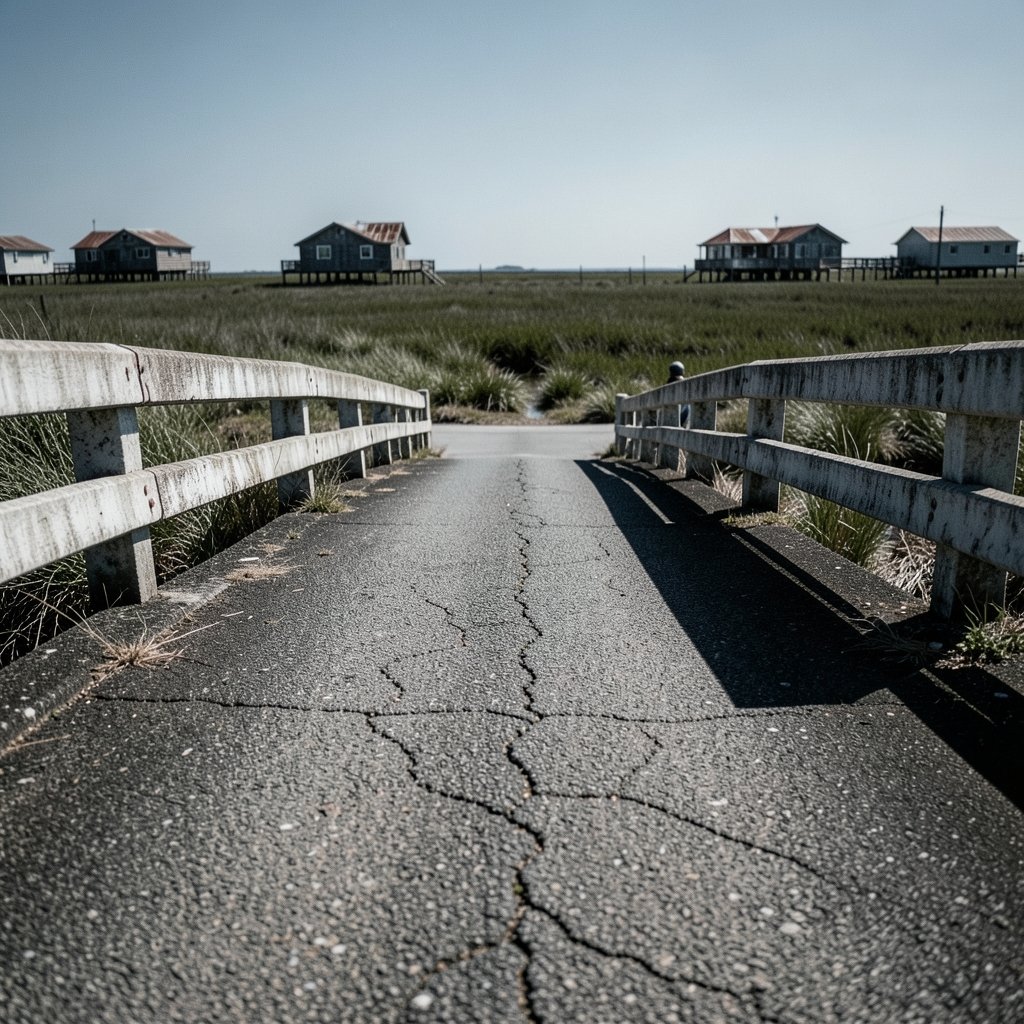
Ocean Isle Beach was incorporated in 1959, a date worth confirming against town records if you are writing or researching local history. Development came gradually, mostly as small single-family cottages rather than large condominium complexes. That pattern persists today: the island’s built environment is dominated by low-rise homes, many of them vacation rentals, with a modest commercial core near the causeway.
For travelers, this matters in practical ways. There are no resort towers casting afternoon shadows across the sand. There are also fewer on-island amenities than you would find at a larger destination. Most visitors arrive by car, stock up before crossing the bridge, and settle in.
The causeway itself is the island’s only road connection, which means a single point of entry and exit. On a summer Saturday during rental turnover, that bridge can back up. Anyone who has rented here before knows the trick: arrive early, or arrive on a weekday, or plan to wait. This is one of those small operational details that separates a smooth trip from a frustrating one, and it almost never appears in promotional descriptions.
The Beach Itself: Wide, Walkable, and Surprisingly Uncrowded
The beach is the main event, and it holds up. The sand is fine and light, the shoreline is broad, and because there are no mega-resorts, density stays low even in peak season. Public beach accesses are spaced along the island, most with parking, showers, and walkovers that protect the dunes.
Dune protection is taken seriously here. Walkovers exist so that foot traffic does not chew through the vegetation holding the dunes together, and those dunes are the island’s first line of defense during storms. Staying on the walkovers is good manners and the reason the beach still looks the way it does.
Water conditions vary with the day. The Atlantic side can be calm and glassy in the morning and choppy by afternoon, and rip currents are a real hazard along the entire North Carolina coast. Swimmers should pay attention to posted warnings and local flag systems rather than assuming a wide beach means gentle water.
If you are comparing this stretch of coast with other options, it helps to see how it fits into the broader picture. A wider look at the best beaches in Barcelona and around shows how differently European and American coastal towns handle access and development, and it is a useful reference point for anyone who travels for shorelines rather than attractions. Readers planning a longer coastal itinerary may also find value in this guide to beach resorts for a dream vacation, which covers the opposite end of the spectrum from Ocean Isle’s low-key rental model.
Sea Turtles, Lighting Rules, and the Local Conservation Culture
Ocean Isle Beach is a nesting site for sea turtles, and the town has adopted lighting ordinances designed to protect hatchlings. The logic is straightforward: baby turtles orient toward the brightest horizon, which should be the ocean. Artificial light from beachfront homes and streetlamps can draw them inland instead, where they do not survive.
In practice, this means beachfront properties are expected to use shielded or turtle-friendly fixtures and to keep exterior lighting low during nesting season. Volunteers monitor nests and mark them, and beachgoers are asked to keep their distance and to fill in holes dug in the sand. Those holes are a genuine hazard, both for nesting females and for hatchlings trying to reach the water.
For visitors, the takeaway is simple. Bring a red-filtered flashlight if you walk the beach at night, keep porch lights off, and resist the urge to “help” a hatchling by picking it up. Watching a nest boil, when dozens of tiny turtles emerge at once and scramble for the surf, is one of the few genuinely magical experiences left on the East Coast, and it happens on its own schedule.
The Museum of Coastal Carolina and Other Rainy-Day Options
The Museum of Coastal Carolina sits on the island and focuses on the region’s coastal environment, from estuaries to sea life. It is associated with the Ingram Planetarium in nearby Sunset Beach, which gives families a second indoor option when afternoon thunderstorms roll through. Summer storms here are frequent and brief, so having a plan B matters more than most packing lists suggest.
Beyond that, the island’s entertainment is self-generated. Fishing is a major draw, both surf fishing from the beach and boat fishing in the waterway and inlets. Kayaking and paddleboarding are popular on the calmer waterway side. Golfers have abundant options within a short drive on the mainland, and the towns of Shallotte, Sunset Beach, and Calabash are close enough for a dinner run.
Calabash deserves a specific mention for anyone who likes seafood. The area’s fried seafood tradition is well known regionally, and a plate of it is practically a required stop for first-time visitors.
What to Know Before You Book
Rental patterns here follow the classic southern beach model. Most properties rent Saturday to Saturday during peak summer, and booking windows open well in advance for the best homes. Off-season rentals are cheaper and far easier to secure, and the island is quiet enough in shoulder months that some visitors prefer it.
A few practical points that experienced renters learn the hard way:
- Check what the rental includes. Many cottages expect you to bring or rent linens, and some require you to supply paper goods and cleaning supplies.
- Plan your grocery run. Stock up on the mainland before crossing the bridge, especially on turnover day.
- Watch the flood forecast. The island is low-lying and prone to flooding from hurricanes and nor’easters. Travel insurance is not paranoia here; it is sensible.
- Respect parking rules. Beach access parking fills quickly, and enforcement is real.
- Confirm the walkover situation. Not every property sits directly on a public access, and a “short walk” can mean something different in July heat.
That last point is the most common source of disappointment. A house described as beachfront may face the water but sit behind a dune with no direct walkover, adding a few minutes each way. Look at an aerial map before you commit.
How Ocean Isle Compares to Its Neighbors
Each island on this part of the coast has a distinct personality, and choosing between them is mostly about matching the place to your priorities.
| Island | Character | Best For |
|---|---|---|
| Ocean Isle Beach | Small, low-rise, quiet | Families wanting calm and space |
| Holden Beach | Similar scale, family-oriented | Repeat renters seeking familiarity |
| Sunset Beach | Quieter still, near the planetarium | Nature-focused stays |
| Myrtle Beach | High-rise, entertainment-heavy | Travelers wanting nightlife and attractions |
The comparison is not about which is better. It is about which fits. Someone who wants walkable nightlife will find Ocean Isle Beach sleepy to the point of boredom, and that is a feature, not a bug, for everyone else.
A Note on Timing and Weather
Late spring and early fall are the sweet spots for many visitors. Water temperatures are comfortable, crowds thin out, and rental rates drop. Mid-summer brings the warmest ocean and the most activity, along with afternoon storms and the busiest bridge traffic.
Hurricane season runs from June through November, with the highest risk typically in late summer and early fall. The island’s flood exposure is genuine, and the town’s floodplain management follows county and state rules designed around that reality. Anyone booking during hurricane season should read cancellation policies carefully rather than assuming a standard refund.
Conclusion
Ocean Isle Beach is not trying to impress anyone, and that is precisely its appeal. It is a five-mile barrier island with a few hundred year-round residents, a single causeway, wide beaches, and a local culture built around protecting dunes, turtles, and quiet. The trade-off is real: fewer restaurants, no nightlife, and a grocery run that requires a drive. But for travelers who want a beach week measured in tides and sunsets rather than reservations and lines, this small Brunswick County town delivers something increasingly rare on the East Coast, which is room to breathe.
Frequently Asked Questions
Is Ocean Isle Beach NC worth visiting?
Yes, for the right traveler. It suits families, couples, and anyone who values a quiet, low-rise beach over entertainment districts. Visitors who want nightlife, boardwalk attractions, or walkable dining will likely prefer a larger destination such as Myrtle Beach.
How long is the beach on Ocean Isle?
The island runs roughly five miles from Shallotte Inlet on the west to Tubbs Inlet on the east, and the beach stretches along most of that oceanfront length. The island is only a few blocks wide, so almost every rental is a short walk or drive from public access points.
When is the best time to visit Ocean Isle Beach?
Late spring and early fall offer the best balance of comfortable weather, thinner crowds, and lower rental rates. Mid-summer has the warmest water and the most activity, along with heavier traffic on the causeway and frequent afternoon thunderstorms.
Are there sea turtles on Ocean Isle Beach?
Yes. The island is a nesting site, and volunteers monitor and mark nests during nesting season. The town has lighting ordinances to keep artificial light from disorienting hatchlings, and visitors are asked to use red-filtered flashlights at night, fill in sand holes, and never handle turtles.
Do I need a car to get around Ocean Isle Beach?
A car is effectively essential. The island has a single causeway connection to the mainland, and grocery stores, restaurants, and other services are mostly a short drive away. Parking at public beach accesses fills quickly in summer, so arriving early helps.
What should I pack that I might not think of?
Bring or confirm linens if your rental does not supply them, pack paper goods and cleaning supplies, and add a red-filtered flashlight for night beach walks. Sun protection, bug spray for the waterway side, and a backup plan for stormy afternoons round out the list.









