


Quick Answer: What is builder gel?
Builder gel is a thick, viscous gel product that cures under a UV or LED lamp to add strength, structure, and sometimes length to natural nails. It sits between soft gel polish and hard acrylic in hardness, and it is used both in salons and in at-home kits.
It is not the same as gel polish, hard gel, or polygel, even though the terms often get mixed up. Formulas vary widely, and some are soak-off while others must be filed off.
Before booking or buying, check the formula type, cure requirements, removal method, lamp compatibility, ingredient list, and your own allergy history.
Why Builder Gel Keeps Coming Up in Nail Conversations
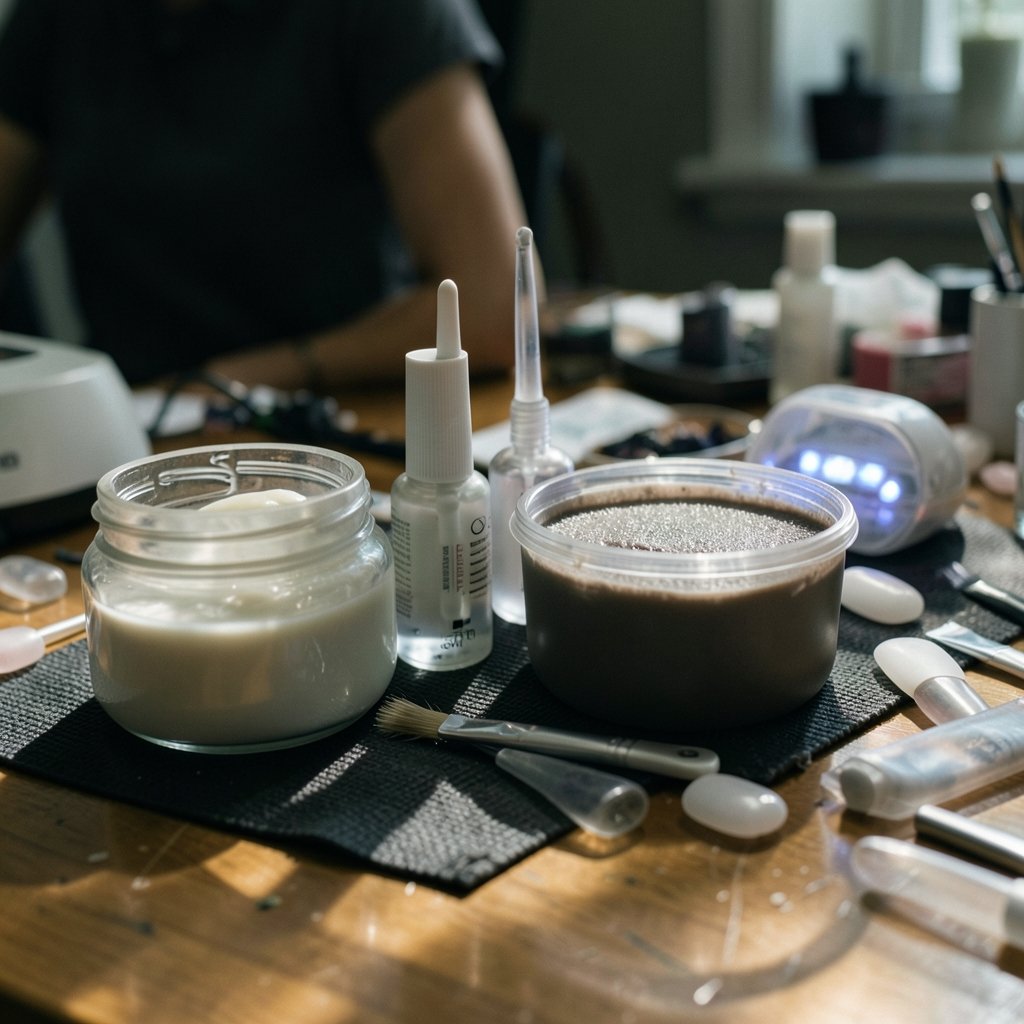
Walk into any nail salon and ask about stronger nails, and someone will mention builder gel. Scroll through nail videos for five minutes, and the term appears again. But what actually is it? That question matters more than it sounds, because builder gel is one of the most misunderstood products in the nail world. People use the name for three or four different things, and that confusion leads to bad application, damaged nails, and wasted money.
Here is the short version: builder gel is a thick gel that hardens under a lamp and gives nails structure. The longer version involves chemistry, curing, removal, and a few genuine safety points worth knowing. This guide covers all of it in plain language, with practical tips for anyone thinking about trying it.
The Simple Definition
Builder gel is a thick, viscous gel product that cures under a UV or LED lamp. It adds strength, structure, and sometimes length to natural nails. It is applied in layers, and each layer is cured before the next one goes on.
That definition is descriptive rather than official. There is no single standardized definition across the industry, which is exactly why sources sometimes conflict. One salon calls a product builder gel, another calls the same thing hard gel, and a third calls it BIAB. The overlap is real.
What matters for the person sitting in the chair is not the label. It is how the product behaves: how thick it is, how it cures, how it comes off, and what is in it.
Where Builder Gel Sits Among Nail Products
Builder gel occupies a middle ground. It is harder and thicker than soft gel polish, which is flexible and meant mainly for color. It is softer and more flexible than hard gel, which is rigid and typically file-off only. Acrylic sits at the far end of the hardness scale, formed from a liquid monomer and powder polymer rather than a single gel product.
| Product | Thickness | Cures under lamp | Typical removal | Best for |
|---|---|---|---|---|
| Gel polish | Thin | Yes | Soak-off | Color only, minimal strength |
| Builder gel | Thick | Yes | Soak-off or file-off | Strength, structure, small extensions |
| Hard gel | Very thick | Yes | File-off | Length, rigid structure |
| Acrylic | Medium to thick | No (air-dried) | Soak-off | Length, durability |
The table is a useful starting point, but it hides real variation. Two builder gels from different brands can behave completely differently. Some are runny enough to self-level, others stay where you place them. Some soak off in fifteen minutes, others laugh at acetone. If you are weighing options, this breakdown of acrylic vs gel nails covers the trade-offs in more detail.
What Builder Gel Is Actually Made Of
Like other gel nail products, builder gels are built on acrylate monomers and oligomers. These include urethane acrylates and methacrylates such as hydroxyethyl methacrylate, usually shortened to HEMA. Under UV or LED light, these molecules link together and the gel hardens.
That chemistry is the reason gel nails work at all. It is also the reason allergies exist. Unreacted acrylates are the problem, and they show up when product is not fully cured or when gel touches the skin. More on that below, because it is the part most people skip.
The Different Types You Will See
The market is crowded, and the names overlap. Here is how the main categories differ in practice.
BIAB (builder in a bottle). A runny, self-leveling builder gel applied like polish. Popular for overlays on natural nails. Often soak-off.
Traditional builder gel. Thicker, often in a pot, applied with a brush. Used for structure and small extensions. Removal varies by formula.
Hard gel. Rigid, file-off only, used for length. Not the same as builder gel, though the terms get swapped constantly.
Polygel. A hybrid of gel and acrylic powder with a putty-like texture. Different application, different removal.
If you want to see how these play out in finished sets, there is a solid collection of builder gel nail designs that shows what the product can actually do.
What Builder Gel Is Good For
Builder gel earns its popularity for a reason. It strengthens weak, peeling, or bitten nails without the bulk of acrylic. It can add a small amount of length, enough to square off a short nail or build a modest tip. It creates a smooth apex, the slight curve that gives a nail structural strength, so the nail flexes rather than snaps.
It also works well as a base under color. Many technicians use a builder gel overlay, then apply gel polish on top. The result is a stronger nail with better wear time than polish alone.
What it is not good for is dramatic length or extreme shapes. That is hard gel or acrylic territory. Asking builder gel to do a job it was not designed for usually ends in lifting, cracking, or a frustrated client.
The Curing Question Nobody Asks About
Curing is where good intentions go wrong. Incomplete curing leaves unreacted acrylates in the product, and those raise the risk of sensitization. The usual culprits are a mismatched lamp, layers applied too thick, and old or failing bulbs.
Practical rules that actually work:
- Match the lamp to the product. Brands test their gels with specific lamps, and mixing them is a gamble.
- Keep layers thin. Thick layers cure unevenly, with soft gel trapped underneath.
- Check the lamp’s age. Lamps lose output over time even when they still light up.
- Cure the thumb separately. Its angle means it often misses the light.
- Wipe the inhibition layer as directed, and never skip it because it feels tacky.
None of this is glamorous, but it is the difference between a set that lasts three weeks and a set that causes a reaction.
Allergies and the Regulatory Picture
Methacrylates in gel nails are a recognized cause of allergic contact dermatitis. This shows up in both clients and technicians, and it is documented in dermatology literature. Once someone is sensitized, the reaction tends to stick, and it can affect future exposure to dental materials and some medical adhesives. That is why the allergy conversation matters more than the aesthetic one.
Regulation has moved too. Since 1 June 2025, the EU Cosmetics Regulation (EC) No 1223/2009 restricts the use of certain methacrylates, including HEMA and di-HEMA trimethylhexyl dicarbamate, in nail products. The change followed a scientific opinion on consumer safety. In practice, this means some familiar formulas have been reformulated or restricted in the EU market.
Public-health bodies have also warned about DIY gel application, since at-home users are more likely to get product on the skin and less likely to spot early signs of sensitization. The signs to watch for are itching, redness, swelling, or a rash around the nail. If those appear, stop using the product and get medical advice rather than pushing through.
Application: What a Good Set Looks Like
A well-applied builder gel set follows a predictable sequence. The nail is prepped and lightly buffed. A bonder or base layer goes on. Then thin layers of builder gel are applied and cured one at a time, with the apex built gradually rather than dumped on in one thick pass. The finish is smooth, the sides are clean, and no product touches the skin.
Common mistakes that show up again and again:
- Flooding the cuticle, which causes lifting within days.
- Applying too thick, which traps uncured gel.
- Skipping nail prep, so the gel never bonds properly.
- Using the wrong lamp, which leaves the surface tacky and the inside soft.
- Filing too aggressively during prep, thinning the natural nail.
The last one is the sneaky one. Aggressive filing damages the nail plate, and then the builder gel gets blamed for weakness that the filing caused.
Removal: Soak-Off vs. File-Off
Removal is the most common source of confusion, and it is worth checking before you buy or book. Soak-off builder gels break down in acetone, usually after the surface layer is filed and the product is wrapped. File-off gels do not respond to acetone and must be filed away, which takes skill and a light hand.
Peeling or picking the gel off is the single worst thing anyone can do. It takes layers of the natural nail with it. If you use gel extensions rather than builder gel, the same principle applies, and this guide on how to remove gel x nails walks through the safe process.
After removal, nails deserve a break and some care. Cuticle oil, gentle buffing, and a few days without product go a long way. More aftercare detail lives in this collection of builder gel nail care tips.
Builder Gel vs Gel Polish: The Confusion That Costs Money
This is the comparison people most often get wrong. Gel polish is thin, flexible, and designed for color. Builder gel is thick, structural, and designed for strength. A salon that sells “builder gel” but applies a thin color coat is selling gel polish with a fancier name.
If your goal is stronger nails, you need the structural product. If your goal is a color change every two weeks, gel polish is the right tool. Knowing which one you are paying for is basic consumer literacy. This comparison of builder gel vs gel polish lays out the differences side by side.
Cost, Time, and Realistic Expectations
Builder gel appointments usually run longer than a polish change because of the layering and curing. Expect a set to last two to four weeks before infills, depending on nail growth and lifestyle. Infills are cheaper than a full removal and reapplication, and they are better for nail health when done properly.
At-home kits cost less per set but carry a higher learning curve and a higher risk of skin contact. That trade-off is worth naming honestly. A cheap kit plus poor technique is not a bargain if it ends in a reaction or a damaged nail plate.
Conclusion
Builder gel is a thick, lamp-cured gel that gives nails strength and structure. It sits between gel polish and hard gel in hardness, comes in soak-off and file-off formulas, and is used both professionally and at home. The label is loose, the formulas vary, and the terminology overlaps, which is why checking the specifics matters more than trusting the name on the bottle.
The practical takeaways are simple. Match the lamp to the product, keep layers thin, keep gel off the skin, and know how the product comes off before it goes on. Respect the allergy risk, especially if you are applying gel yourself. Do those things, and builder gel is a genuinely useful product. Skip them, and it becomes another story about damaged nails. For a fuller picture of benefits, types, and care, this guide to builder gel nails is a good next read.
FAQ
Is builder gel the same as acrylic?
No. Builder gel is a single gel product that cures under a UV or LED lamp. Acrylic is formed from a liquid monomer mixed with a powder polymer and hardens in the air. They feel different, apply differently, and are removed differently, though both can add strength and length.
Can builder gel be used on natural nails without extensions?
Yes. A builder gel overlay on natural nails is one of its most common uses. It adds strength and a smooth apex without adding length, which suits weak, peeling, or bitten nails.
How long does builder gel last?
Most sets last two to four weeks before infills are needed, depending on nail growth and daily wear. Proper prep, correct curing, and avoiding harsh chemicals extend wear time considerably.
Does builder gel damage your nails?
The product itself does not damage nails when applied and removed correctly. Damage usually comes from aggressive filing during prep, incomplete curing, or peeling the gel off instead of removing it properly.
Can you develop an allergy to builder gel?
Yes. Methacrylates in gel products are a recognized cause of allergic contact dermatitis, and reactions can develop after repeated exposure. Uncured product on the skin raises the risk, which is why careful application and full curing matter.
What should you check before buying a builder gel kit?
Check the formula type, whether it is soak-off or file-off, the recommended lamp and cure times, the ingredient list, and the removal instructions. If you have a history of skin reactions, patch test first and avoid getting product on the skin.









