

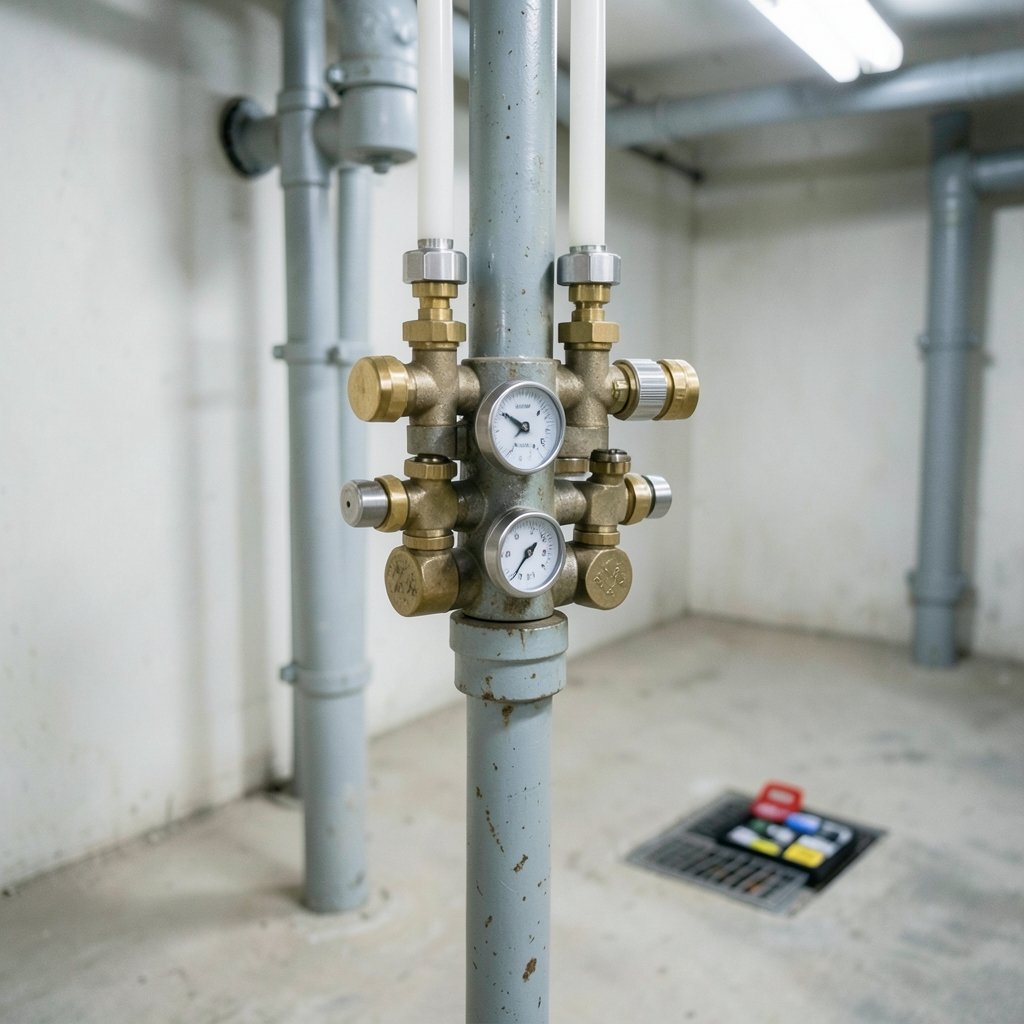
What happens if the clean water in your building suddenly starts flowing backward? It sounds like a strange plumbing riddle, but it is a real and serious risk. Every day, water systems rely on pressure to push safe water toward taps, appliances, and sprinklers. When that pressure fails or reverses, dirty water can get pulled back into the clean supply. Backflow testing is the process that catches this danger before it reaches a drinking glass.
The topic matters to homeowners, landlords, restaurant managers, and facility engineers alike. It also comes with deadlines, paperwork, and fines that catch people off guard. This guide walks through what backflow is, how testing works, who is allowed to do it, and the mistakes that cost property owners the most money.
What Is Backflow and Why Does It Matter?
Backflow is the unwanted reversal of water flow in a piping system. Instead of moving from the public main into a building, water travels the wrong way. That reversed flow can carry fertilizers, chemicals, soap, or bacteria into the potable water supply.
There are two main causes. Backsiphonage happens when pressure in the public main drops, such as during a water main break or heavy firefighting demand. The low pressure acts like a straw, pulling contaminants from a building into the main. Backpressure happens when pressure inside a building’s system exceeds the pressure in the supply line, often due to boilers, pumps, or elevated plumbing.
A cross-connection is any physical link where non-potable water can meet drinking water. A garden hose left in a bucket of weed killer is a simple example. An industrial boiler feed line is a complex one. A backflow prevention assembly is the hardware installed to block the reversal. Common types include the reduced-pressure-zone device, the double-check valve assembly, and the air gap.
In the United States, the legal foundation for cross-connection control sits within the Safe Drinking Water Act, first passed in 1974 and amended in 1986 and 1996. The law pushes public water systems to protect the distribution network from contamination. Local rules do the heavy lifting on enforcement.
How Backflow Testing Actually Works
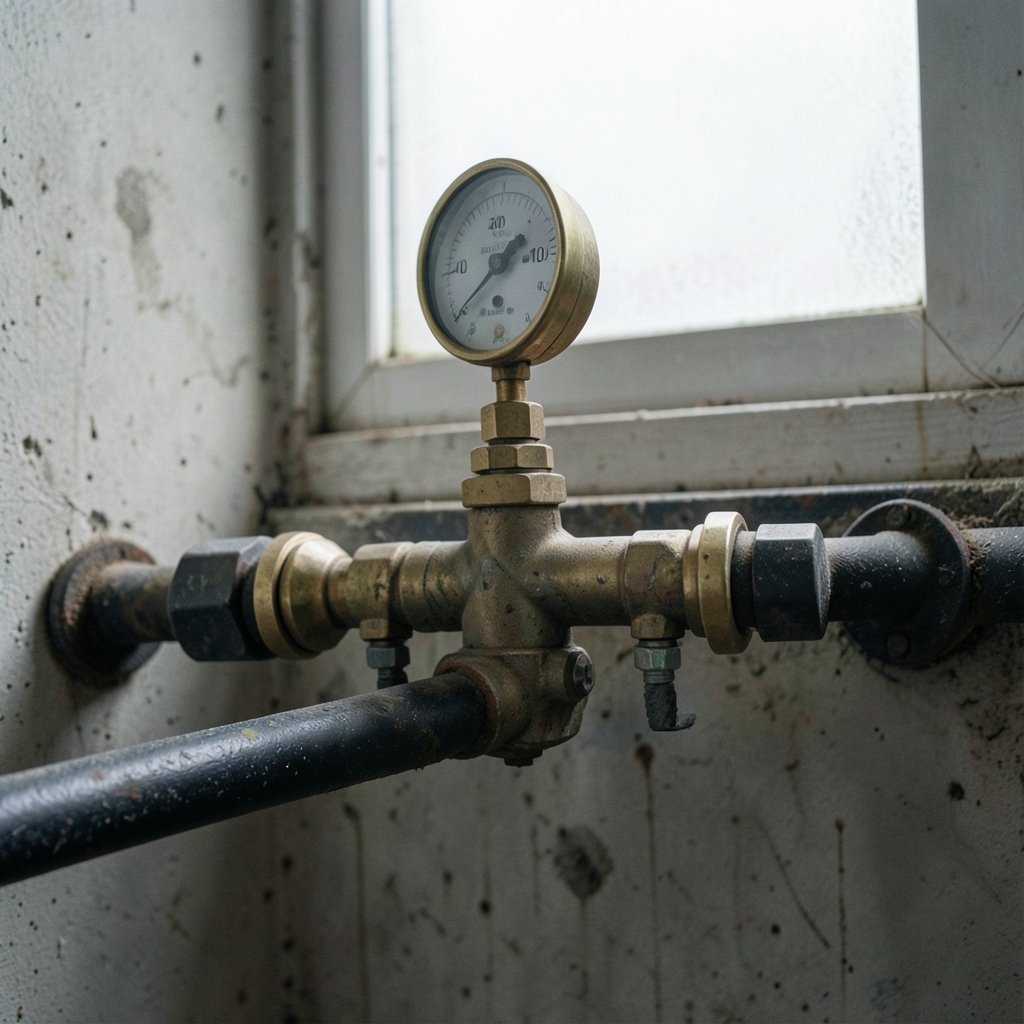
A testable assembly is built with test cocks and shutoff valves so a technician can measure its internal pressures. Testing is not the same as inspection. An inspection is a visual check. A test is a measured, documented procedure that proves the device is holding the line.
Most assemblies are tested to a recognized standard. In the US, the relevant testing standard is ASSE 5110, published by the American Society of Sanitary Engineering. Device standards include ASSE 1013 for reduced-pressure-zone assemblies, ASSE 1015 for double-check assemblies, and ASSE 1003 for air gaps.
Here is the general sequence a certified tester follows:
- Confirm the device type, size, make, model, and serial number against prior records.
- Notify the water user and shut off downstream flow so the test does not disrupt occupants.
- Connect calibrated test equipment to the test cocks.
- Measure the pressure differentials across the check valves and the relief valve.
- Compare each reading to the manufacturer’s required minimums.
- Record pass or fail results, tag the device, and submit the report to the water authority and the property owner.
A clean pass usually takes 20 to 40 minutes for a single device. A failed test means repair or replacement, followed by a retest. The report is the part people underestimate. Water authorities want documentation, and a missing report can trigger the same penalties as a failed device.
Who Is Allowed to Test, and How Often?
This is where national rules fall apart. There is no single federal testing interval in the US. Frequency is set by state or municipal rules, and many jurisdictions require annual testing, while others allow longer cycles or vary by device type. Anyone quoting a universal “once a year” rule is oversimplifying.
Certification works the same way. Requirements vary by state, and testing is typically performed by certified backflow testers who have passed a recognized program. Industry bodies such as the American Backflow Prevention Association support training and certification, but individual states and cities set their own licensing and reporting systems.
| Question | Typical Answer | Where to Confirm |
|---|---|---|
| How often must I test? | Often annually, but varies widely | Local water authority |
| Who can test my device? | A certified tester licensed in your area | Water authority’s approved list |
| Who receives the report? | The water authority, plus the owner | Your tester should handle filing |
| What if my device fails? | Repair or replace, then retest | Your tester and the authority |
| Are there fees? | Yes, testing and filing fees vary | Your municipality |
The practical takeaway is simple. Check with the water provider that serves the address, not a forum post or a general article. Rules differ from one town to the next, even within the same state.
The UK and International Picture
The United States is not alone in regulating this. In the UK, backflow protection is addressed through the Water Supply (Water Fittings) Regulations 1999 for England and Wales, with equivalent regulations in Scotland and Northern Ireland. Those rules use fluid categories from 1 to 5 to classify risk. Category 1 is wholesome drinking water. Category 5 covers fluid that is a serious health hazard, such as a mix of human waste or dangerous chemicals.
The higher the fluid category, the stronger the required protection. A garden sprinkler system might need a lower level of protection, while a chemical plant needs the highest. This risk-based approach is a useful mental model even for readers in the US, because it explains why two buildings on the same street can have completely different requirements.
International guidance on protecting drinking water systems generally echoes the same principle: identify the hazard first, then choose the device. Testers who skip the hazard assessment and simply install whatever is cheapest are creating future problems.
Common Mistakes Property Owners Make
After years of watching how these programs trip people up, a few patterns show up again and again. None of them are exotic. They are ordinary oversights with expensive consequences.
Ignoring the notice until the deadline passes. Water authorities send reminders, but they often go to a billing address, a former owner, or an email nobody checks. Missed deadlines can lead to fines, and in some jurisdictions, water service interruption.
Assuming the device was tested because it works. A backflow assembly can function normally in daily use and still fail a pressure test. The device only proves itself under measurement. This is the single most common misunderstanding.
Letting an uncertified handyman do the job. A general plumber without backflow certification cannot legally file the report in most jurisdictions. The work may look fine and still be rejected.
Losing the paperwork. Serial numbers, test reports, and repair records matter. When a device is replaced, the new serial number must be registered. Missing records can make an otherwise compliant property look non-compliant.
Skipping the annual reminder system. Set a calendar reminder 60 days before the due date. Testers book up fast in spring, when irrigation systems come online and demand spikes.
There is a parallel lesson in other maintenance-heavy areas of property ownership. Just as landlords track rental property cash flow to avoid surprise shortfalls, smart owners build compliance costs into their budgets instead of treating them as emergencies. A $150 test is far cheaper than a violation fine plus a rush retest. The same discipline that keeps a rental profitable keeps its water system compliant. (The row)
Where Backflow Devices Show Up in Real Life
People are often surprised by how many everyday places require testable assemblies. The list is longer than most expect.
- Irrigation systems. Lawn sprinklers are a classic cross-connection risk, especially with fertilizer injectors.
- Fire sprinkler systems. Many commercial fire lines include a testable device to protect the public main.
- Boilers and heating systems. Pressure differences can push treated water backward.
- Restaurants and commercial kitchens. Carbonators, dish machines, and hose bibs all create connections.
- Car washes and laundromats. Soap and chemical injection systems need isolation.
- Swimming pools and spas. Fill lines and backwash connections are common culprits.
- Medical and dental offices. Chair lines and sterilizers require protection.
- Apartment buildings. Booster pumps and shared irrigation lines often carry assemblies.
Even a humble hair salon matters. Wash basins with spray hoses sit in a higher-risk fluid category because of shampoos and chemical treatments. It is a small example of how broadly these rules reach. The same attention to detail that salon owners give to caring for 4c hair and client safety applies to keeping their water supply clean and their compliance records current. Small businesses rarely have a compliance officer, so the owner usually carries this load alone.
Commercial properties with multiple tenants face a version of the same problem. A strip mall might have one shared assembly serving several suites, and nobody is sure who is responsible for the test. The answer is almost always in the lease. Owners who clarify responsibility upfront avoid the awkward standoff that follows a violation notice.
What Testing Costs and What Drives the Price
Costs vary by region, device type, and access. A straightforward residential irrigation device is usually the cheapest to test. Large commercial assemblies, devices in cramped vaults, and after-hours appointments cost more.
| Factor | Effect on Price |
|---|---|
| Device size and type | Larger and more complex devices cost more |
| Accessibility | Vaults, crawl spaces, and locked rooms add labor |
| Scheduling | Emergency or after-hours visits carry premiums |
| Repairs needed | Failed checks or relief valves add parts and labor |
| Filing fees | Some jurisdictions charge separate submission fees |
The smart move is to bundle testing with a service contract. Many testers offer reminder scheduling and handle the paperwork automatically. That convenience is worth real money when a deadline is looming.
How to Choose a Qualified Tester
A few questions separate the professionals from the pretenders. Ask whether the tester is certified in your jurisdiction and whether they file reports directly with the water authority. Ask what happens if the device fails and whether they carry replacement parts on the truck. Ask for the calibration date on their test equipment, since an uncalibrated gauge produces meaningless numbers.
Reading reviews helps, but the water authority’s approved tester list is more reliable. It is a public record of who is allowed to do the work. Cross-check the list against the company’s license number before booking.
One more tip from practice: request the test report copy for your own files the same day. Do not wait for the authority to confirm receipt. Owners who keep a simple folder with device serial numbers, test dates, and reports can answer any inspector’s question in under a minute.
Conclusion
Backflow testing is unglamorous infrastructure work, and that is exactly why it gets neglected. A small device quietly guards the drinking water for an entire building, and a 30-minute test keeps it honest. The rules vary by location, the deadlines are real, and the paperwork matters as much as the wrench work.
The path forward is straightforward. Find out what your local water authority requires, confirm the device on your property, book a certified tester before the busy season, and keep the report somewhere you can find it. Property owners who treat compliance as routine maintenance rather than a crisis spend less, stress less, and sleep better. Clean water is worth the small effort.
Frequently Asked Questions
What is backflow testing?
Backflow testing is a measured procedure that confirms a backflow prevention assembly is blocking the reversal of water flow. A certified tester connects calibrated gauges to the device’s test cocks, reads internal pressures, and compares them to the manufacturer’s minimums. The results are documented and filed with the local water authority.
How often does a backflow device need to be tested?
It depends on where the property is located. Many jurisdictions require annual testing, but frequency is set locally, not federally, and some areas use different cycles for different device types. The only reliable answer comes from the water authority that serves the address. Assume nothing and confirm directly.
What happens if my backflow assembly fails the test?
A failed test means the device is not providing adequate protection. The usual path is repair or replacement of the faulty component, followed by a retest. The tester documents the failure, and the water authority may set a deadline for correction. Ignoring a failed test can lead to penalties or service interruption.
Can I test my own backflow preventer?
In most jurisdictions, no. Testing requires certification, calibrated equipment, and the ability to file reports with the water authority. Some states allow owners of certain device types to perform limited checks, but the formal test and documentation almost always require a certified professional. Check local rules before assuming otherwise.
How much does backflow testing cost?
Prices vary by region, device type, and accessibility. A simple residential irrigation device usually sits at the low end, while large commercial assemblies in tight spaces cost more. Repairs, after-hours scheduling, and filing fees add to the total. Service contracts that include automatic reminders often save money over time.
What is the difference between backflow testing and inspection?
An inspection is a visual check of the device, its installation, and its surroundings. A test is a measured procedure using gauges to prove the device’s check valves and relief valve are holding pressure correctly. A device can pass a visual inspection and still fail a pressure test, which is why both matter.









