


Can you buy a used Tesla without stepping onto a dealer lot, haggling over a number, or wondering whether the battery has been quietly abused? That is the pitch behind Tesla’s pre-owned program, and it is a genuinely different experience from the traditional used-car grind. But “different” is not the same as “risk-free.” Tesla’s certified inventory comes with real advantages and some real blind spots, and the gap between what buyers assume and what the paperwork actually says is where surprises live.
This guide walks through how the program works, what the warranty really covers, which questions to ask before you click buy, and the mistakes that catch even careful shoppers.
How Tesla’s Pre-Owned Program Actually Works
Tesla sells its used cars directly, the same way it sells new ones. There is no franchise dealer in the middle, no commission-driven salesperson pushing an extended warranty you don’t need, and no lot to wander around on a Saturday. Inventory sits on Tesla’s own website, filtered by model, trim, location, and price. You reserve a car with a deposit, complete the paperwork online, and pick it up.
That direct model has one underappreciated benefit: price transparency. Every listing shows a firm number. There is no “what’s your best offer” theater, and no four-square worksheet with mystery fees folded in. For people who dread negotiation, that alone is worth something.
The trade-off is that you are buying sight unseen. Tesla typically publishes photos of each car, mileage, and a condition description, but you generally will not test drive that specific vehicle before committing. You also won’t get the kind of independent inspection a private seller would allow, because the car belongs to Tesla until you own it.
What “certified” means in practice
Tesla’s used cars go through a multi-point inspection before delivery, and the company has historically attached a limited used-vehicle warranty plus a short return window to its inventory. Here is the catch that trips people up: these terms have changed repeatedly over the years, and they can differ by market. A warranty length you read in a forum post from three years ago may no longer apply. (4c hair)
The practical rule is simple. Before you place a deposit, find the current written terms on Tesla’s own support pages for your country, and save a copy. If a sales advisor tells you something on the phone that isn’t in the documents, the documents win.
The Warranty Question Is the Whole Ballgame
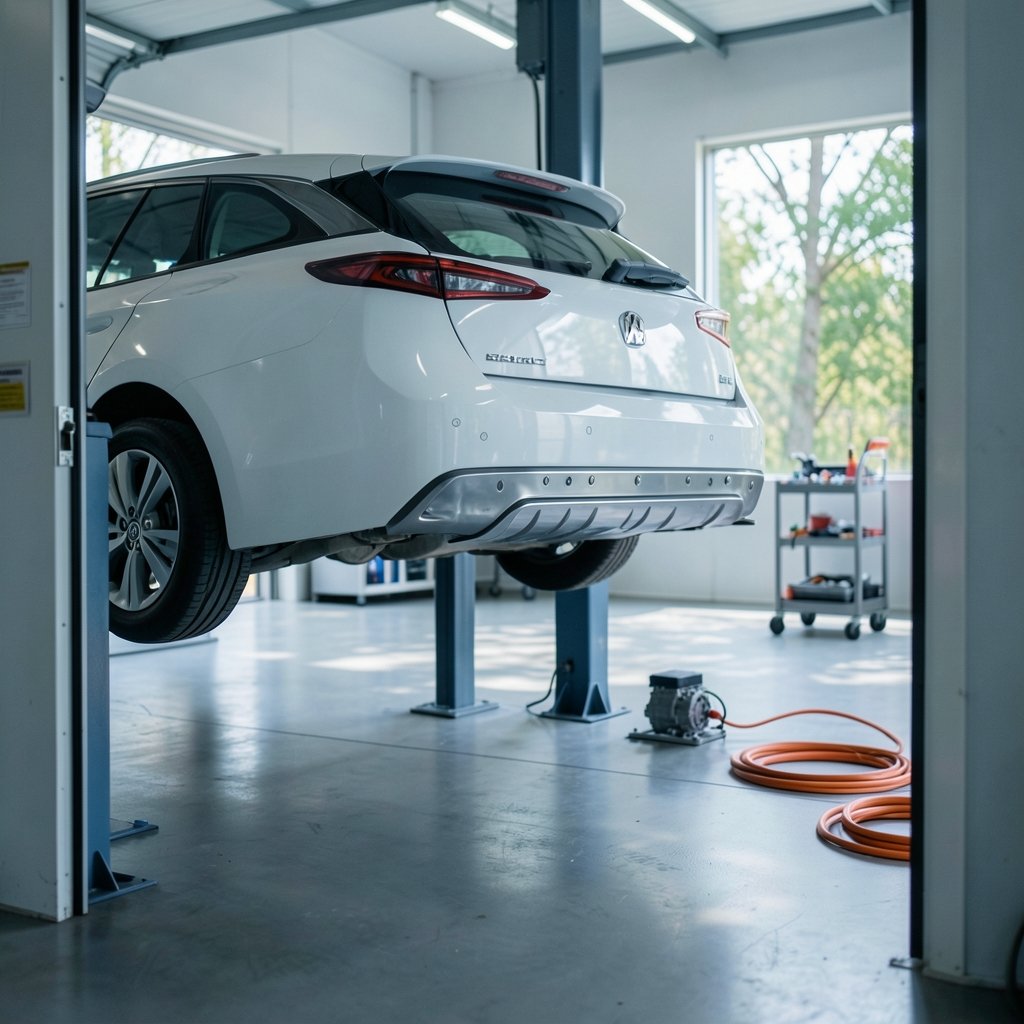
On a gasoline car, a used-vehicle warranty is a nice cushion. On an electric car, it is the difference between a normal purchase and a five-figure gamble, because the battery pack and drive unit are the expensive parts.
The good news is that the original battery and drive-unit warranty generally transfers to later owners for the remainder of its term. Tesla’s new-car coverage for those components has historically run eight years with a mileage cap, with shorter terms on some Standard Range variants. So a three-year-old Model 3 usually still carries years of battery protection, regardless of how many owners it has had.
The bad news is that the separate used-vehicle warranty on the rest of the car is a different, shorter animal. It covers things like suspension, trim, and electronics for a limited period. Read the exclusions carefully. Wear items, cosmetic flaws, and damage from misuse are routinely excluded, and that is normal across the industry, not a Tesla quirk.
Two more things to verify in writing:
- Whether the car has a salvage or rebuilt title. Tesla has at times excluded such vehicles from its certified program. If a car’s history is murky, walk away.
- Whether free Tesla fast charging transfers. This depends on the original owner’s account and the model year. Do not assume it comes with the car. Ask, and get the answer in writing.
The Federal Rules Still Apply
It is easy to forget that buying from Tesla is still buying from a dealer. In the United States, used-car sales are generally as-is unless a warranty is stated, and federal rules require dealers to display a Buyer’s Guide window form on used vehicles that spells out warranty coverage or the lack of it. Tesla, as a licensed dealer, is subject to that requirement.
That form is not paperwork clutter. It is the single clearest statement of what you are and are not getting. Photograph it. Compare it against anything a representative told you verbally. If the two disagree, the form is what a court would look at.
State law adds another layer. Used-car warranty and return rules vary widely, and some states give buyers specific cancellation rights that others don’t. A quick check of your state motor vehicle department’s used-vehicle guidance takes ten minutes and can save a headache later.
What to Check Before You Commit
Because you usually can’t inspect the car in person beforehand, your homework happens online. Here is a sequence that works.
- Pull the VIN and run a recall check. Every used Tesla should be current on open recalls. This is free and takes a couple of minutes on the federal safety regulator’s site.
- Get an insurance quote before you buy, not after. Tesla repair costs can push premiums higher than buyers expect, and rates vary a lot between models and years.
- Confirm the battery and drive-unit warranty expiry in writing, including the mileage cap and the original in-service date.
- Ask for the charging history if you can get it. Frequent DC fast charging isn’t automatically bad, but a car that relied on Tesla fast chargers is a different proposition from one charged at home overnight.
- Check the tire situation. EVs chew through tires faster than comparable gas cars because of instant torque and extra weight. A car delivered with marginal rubber is an immediate hidden cost.
- Inspect thoroughly at delivery. This is your one real chance. Walk the paint, check every panel gap, test every screen and speaker, and photograph anything wrong before you drive off.
A note on the return window
Tesla has offered a short return period on used purchases, typically measured in days and miles. Treat it as an inspection window, not a trial period. Book a independent pre-purchase inspection with a EV-savvy shop during those days if the terms allow it. If the window has already closed by the time you notice a problem, you are relying on goodwill. (The row)
Where the Value Actually Sits
Used Teslas depreciate, and that depreciation is the buyer’s friend. The steepest drop happens in the first couple of years, which means a two- or three-year-old car can offer most of the original driving experience for a meaningfully lower price. The hardware, the software updates, and the charging network access are largely the same.
There is one big exception worth knowing: federal EV tax credits generally do not apply to used cars the way they do to new ones. A separate used clean vehicle credit exists, but it comes with income caps, price caps, and dealer-reporting requirements that disqualify many transactions. Buyers who assume the used credit works like the new one are often disappointed at tax time. Check the current rules before you build a budget around a credit.
Model choice matters too. The Model 3 and Model Y hold value well and have the deepest inventory, so selection is easy. Older Model S and Model X cars are temptingly cheap but carry more expensive repair risk as they age out of warranty. If you are stretching your budget to reach a flagship model, stretch a little further for one with remaining battery coverage.
Common Mistakes Buyers Make
The same handful of errors shows up again and again.
Assuming the used warranty equals the new-car warranty. It doesn’t. They are separate documents with separate terms.
Skipping the delivery inspection because the car looks clean in photos. Photos are marketing. The car in front of you is the product.
Forgetting about registration and insurance timing. Tesla’s delivery process moves fast, and buyers occasionally find themselves with a car and no active policy. Line up insurance before pickup day.
Buying out of state without checking local rules. Some states have specific requirements for titling and registering a vehicle purchased remotely, and a few have quirks around temporary permits.
Ignoring the software and hardware generation. Two cars of the same model year can have different hardware. If a particular feature matters to you, confirm the car has the hardware to support it rather than assuming.
Treating forum wisdom as current. Owner communities are genuinely useful, but warranty terms and program details change. Cross-check anything you read against the current official terms.
How It Compares to Buying Private or From a Traditional Dealer
| Factor | Tesla Pre-Owned | Traditional Dealer | Private Seller |
|---|---|---|---|
| Price negotiation | Fixed price | Usually negotiable | Always negotiable |
| Warranty | Limited used warranty plus remaining battery coverage | Varies, often third-party | Usually as-is |
| Test drive before buying | Rarely on the specific car | Usually yes | Yes |
| Inspection access | Limited before delivery | Usually yes | Yes |
| Paperwork | Fully online | In person | Buyer handles more |
| Recalls addressed | Typically handled before delivery | Varies | Buyer’s responsibility |
The pattern is clear. Tesla wins on convenience and price certainty, and loses on pre-purchase inspection freedom. A traditional dealer gives you a test drive but may bury you in add-ons. A private seller gives you the most access and the least protection.
Conclusion
Tesla’s pre-owned program is a genuinely good fit for a certain kind of buyer: someone who knows exactly which model and trim they want, values a fixed price and an online process, and is willing to do their own homework on warranty terms, recalls, and battery coverage. It is a worse fit for anyone who needs to drive the specific car before committing or who wants a traditional negotiation.
The program’s real strength is transparency in pricing. Its real weakness is that the details that matter most, the warranty documents, the title history, the credit eligibility, live in fine print rather than in the listing. Read that fine print before you place a deposit, save copies of everything, and inspect hard on delivery day. Do that, and a used Tesla can be one of the smarter car purchases available. Skip it, and you are gambling on assumptions.
Frequently Asked Questions
Does Tesla’s pre-owned warranty transfer to a second owner?
The original battery and drive-unit warranty generally transfers to later owners for the remainder of its term, which is why buying a few years old still leaves meaningful coverage. The separate used-vehicle warranty applies to the car you buy from Tesla and is tied to that purchase. Confirm the specific terms in writing, because they change.
Can I test drive a Tesla pre-owned car before buying it?
Usually not the exact car you are reserving. Tesla’s model is built around online ordering, and inventory vehicles are typically not available for test drives beforehand. You can usually test drive a new car of the same model at a showroom to confirm you like the platform, then inspect your actual car closely at delivery. (2b hair)
Is it cheaper to buy a used Tesla directly from Tesla or from a private seller?
Private sellers often list lower prices, but you give up the limited warranty, the return window, and the recall handling that come with buying from Tesla. Once you price in an independent inspection, potential repairs, and the value of remaining battery coverage, the gap often narrows considerably.
Do used Teslas qualify for the federal EV tax credit?
Generally not under the new-vehicle rules. A separate used clean vehicle credit exists, but it has income limits, price caps, and dealer reporting requirements that exclude many purchases. Check the current rules carefully before counting on any credit.
What should I inspect when I pick up my used Tesla?
Walk the paint and panels in good light, check every screen and speaker, test the charge port, confirm tire tread depth, and verify the odometer matches the listing. Photograph anything wrong before you leave. If the return window is still open, book an independent inspection with an EV-experienced shop immediately.
Does free Tesla fast charging come with a used Tesla?
It depends on the model year and the original owner’s account, and it has changed over time. Do not assume it transfers. Ask directly and get the answer in writing before you commit, because it is difficult to add later.














