

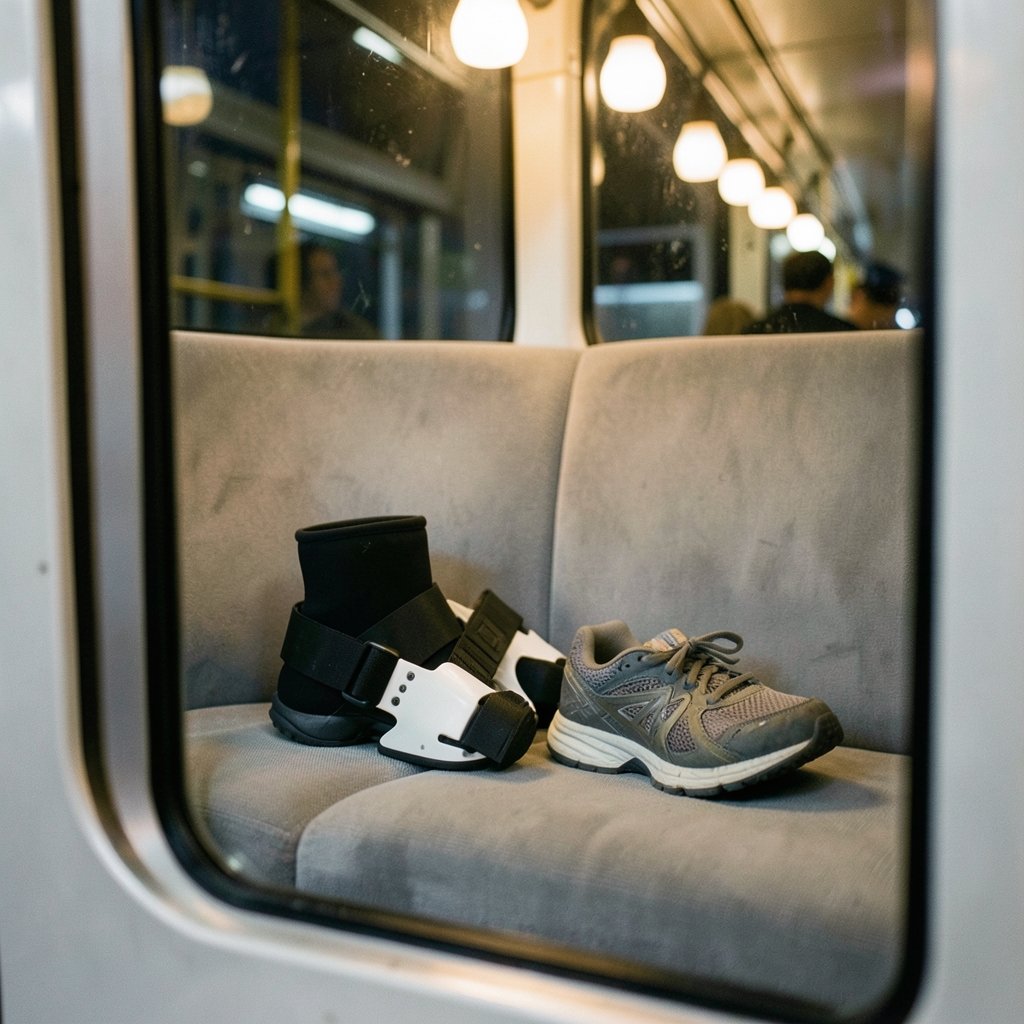
What if the difference between a quick recovery and a months-long nagging ankle problem came down to one small piece of gear? That’s the promise behind every ankle support on the shelf, and it’s also why so many people waste money on the wrong one. A flimsy sleeve won’t stabilize a wobbly joint, and a rigid brace worn for the wrong reason can slow you down without helping. This guide cuts through the noise: what supports actually do, who benefits most, how to choose one, and the mistakes that trip people up again and again.
What an Ankle Support Actually Does
An ankle support is a device worn around the ankle to limit unwanted motion, add stability, or provide compression and feedback during activity. The term gets used loosely, and that’s part of the problem. A soft elastic sleeve, a lace-up brace, a semi-rigid hinged brace, and an ankle-foot orthosis are all “ankle supports,” but they do very different jobs.
The core mechanism for the most common injury, the lateral ankle sprain, is inversion control. Most sprains happen when the foot rolls inward and the ligaments on the outside of the ankle stretch or tear. Semi-rigid braces limit that inversion and eversion range of motion, which is exactly the movement that causes the damage.
It helps to sort supports into rough categories before shopping:
| Type | What it does | Best for |
|---|---|---|
| Elastic sleeve | Light compression, warmth, mild proprioceptive feedback | Mild discomfort, swelling, low-risk activity |
| Lace-up brace | Adjustable compression plus moderate mechanical support | Returning to sport after a sprain, recurrent instability |
| Semi-rigid or hinged brace | Limits inversion/eversion while allowing forward motion | Higher-risk sports, moderate to severe instability |
| Rigid brace or AFO | Strong immobilization or alignment correction | Post-surgical recovery, neurological or motor conditions |
That last category matters. An ankle-foot orthosis (AFO) is a distinct, far more rigid device used for conditions like foot drop or motor impairment. It is not the same thing as a soft ankle support, and mixing up the two leads people to buy the wrong product entirely.
Who Benefits Most From Bracing

Here’s the honest headline: ankle supports are far better at preventing repeat sprains than at preventing first ones. The evidence for secondary prevention, meaning people who have already sprained an ankle, is much stronger than for primary prevention in people who have never been injured.
That distinction is worth sitting with. If someone has rolled their ankle before, the risk of doing it again is meaningfully higher, and a brace is a sensible tool in that situation. If someone has never had an injury and plays a low-risk sport, the case for bracing every session is weaker.
The strongest results come from combining bracing with proprioceptive training, the balance and coordination work that retrains the ankle to sense its position. Bracing alone helps; balance training alone helps; together they outperform either one by itself. That combination is the approach most sports-medicine guidance points toward for athletes with a prior injury.
There’s also a practical comparison worth knowing: bracing versus taping. Systematic reviews suggest bracing is at least as effective as taping and far more practical for repeated use. Taping requires skill, loses effectiveness as the tape stretches, and gets expensive over a season. A reusable brace wins on consistency, which is often what determines whether protection actually happens.
The Deconditioning Debate: Does Bracing Weaken the Ankle?
This is the question that comes up in every locker room, and the answer is genuinely contested. The concern is that if a brace does the stabilizing work, the ankle muscles and ligaments get lazy and weaken over time.
Most reviews find no strong evidence of harm from regular bracing. Some studies even suggest the opposite, since a braced athlete can train and compete instead of sitting out. But the research isn’t unanimous, and it’s fair to call this an open question rather than a settled one. (The row)
What actually works in practice is treating the brace as a temporary scaffold, not a permanent crutch. The pattern that serves people well looks like this:
- Wear the brace during the vulnerable period after injury and during high-risk activity.
- Do balance and strengthening work alongside it, not instead of it.
- Gradually reduce reliance as stability and confidence return.
- Keep the brace for genuinely risky situations, like a sport with lots of cutting and jumping.
The mistake people make is the opposite of what you’d expect. Far more common than over-bracing is under-rehabilitating: skipping the balance work because the brace feels like enough. It isn’t.
How to Choose the Right Support
Fit and function beat brand names every time. A few practical rules separate a support that helps from one that ends up in a drawer.
Match the brace to the job. A volleyball player landing on hard courts and a runner with mild achilles irritation have completely different needs. The volleyball player likely wants a lace-up or semi-rigid brace for lateral stability. The runner may only need light compression.
Get the size right. A brace that’s too loose slides and provides no real support. One that’s too tight restricts circulation and becomes unbearable within an hour. Measure the ankle at its narrowest point and follow the manufacturer’s sizing chart rather than guessing.
Check the shoe fit. Bulkier braces often don’t fit comfortably inside a normal athletic shoe. If the brace crowds the heel or pushes the foot forward, it changes gait and creates new problems. Try the brace with the actual shoes used for the sport.
Test it before game day. Wear a new brace through a full practice, not straight into competition. Straps loosen, seams rub, and pressure points only show up after twenty minutes of movement.
Look for adjustability. Lace-up and strap systems let the wearer tighten or loosen as swelling changes through the day. Fixed closures don’t offer that flexibility.
People with very curly, coarse hair sometimes mention that straps and closures catch and pull at the skin near the ankle; a thin sock underneath solves it. The same logic applies to anyone with sensitive skin: a barrier layer prevents chafing from straps and seams.
Common Mistakes That Undermine Ankle Supports
Even a good brace fails when it’s used badly. These are the errors that show up most often.
Wearing it only after the pain starts. The whole point of secondary prevention is protecting the ankle during high-risk activity before symptoms appear. Waiting for a twinge defeats the purpose.
Skipping the diagnosis. Not every ankle injury is a simple sprain. A fracture, a high ankle sprain, or ligament damage needs proper assessment. Clinical decision tools like the Ottawa Ankle Rules help clinicians decide whether an X-ray is warranted after an injury, but they’re a triage aid, not a self-diagnosis kit. Persistent pain, inability to bear weight, or significant swelling call for professional evaluation.
Ignoring acute care. For a fresh sprain, the early priorities are protecting the joint, managing swelling, and gradually reloading it. Modern guidance favors a staged approach: relative rest, compression, elevation, and a gradual return to movement rather than prolonged total rest. A brace can support that return, but it doesn’t replace the rehab process.
Wearing a brace to bed. Nighttime bracing is rarely necessary for a routine sprain and can be uncomfortable. It’s a daytime, activity-specific tool unless a clinician says otherwise.
Assuming one brace covers every sport. A brace that’s perfect for basketball may be useless for trail running. Many regular athletes end up owning two: a light sleeve for daily wear and a sturdier brace for high-risk sessions.
Ankle Support in Rehabilitation and Return to Sport
Rehabilitation is where ankle supports earn their keep most clearly. After a sprain, the ankle loses some of its position sense and reactive stability, and a brace provides external support while that recovers.
A sensible return-to-activity progression tends to follow a predictable arc. Early on, the focus is on reducing swelling and restoring gentle range of motion. Then comes strength and balance work, often single-leg stands and wobble-board drills. Sport-specific movement comes next, and bracing is most useful during this phase, when the ankle is being tested but isn’t fully confident yet.
For athletes working through this, the combination of a lace-up brace and consistent balance training is the workhorse approach. It’s also where people with different hair types and skin sensitivities should think about comfort: a well-fitted sock under the brace prevents the strap irritation that makes people abandon bracing altogether. If you have 4c hair or coarse, tightly coiled textures, the same friction management applies to any skin that rubs against straps and closures during long training sessions. (2b hair)
The return-to-sport decision shouldn’t rest on the brace alone. Being pain-free, having full strength and balance compared with the uninjured side, and completing sport-specific drills without hesitation are better readiness markers than “it feels okay in the brace.”
When to See a Professional
Bracing is a self-management tool for mild, familiar ankle issues. It is not a substitute for assessment when something is clearly wrong. Seek professional care if any of these apply:
- Inability to bear weight for more than a few steps after injury
- Severe or worsening swelling and bruising
- Pain directly over the bony prominences of the ankle
- Numbness, tingling, or coldness in the foot
- An ankle that gives way repeatedly despite bracing and rehab
- No meaningful improvement after a week or two of sensible self-care
Recurrent giving-way is a specific red flag. It suggests chronic ankle instability, which usually needs a structured strengthening and balance program rather than a sturdier brace alone. A clinician can assess whether the problem is mechanical, functional, or both.
Conclusion
An ankle support is a simple tool with a narrower job than most people assume. It shines at preventing repeat sprains, especially when paired with balance and strength training. It’s less proven for preventing first injuries, and it never replaces proper rehabilitation. The people who get the most from bracing are the ones who match the support to the activity, size it correctly, test it in practice, and treat it as a partner to rehab rather than a shortcut around it. Buy for function, not for the fanciest label, and the humble ankle support will do exactly what it’s supposed to do.
Frequently Asked Questions
Should I wear an ankle support all day?
No. Ankle supports are designed for activity and specific high-risk periods. Wearing one all day, including at rest and overnight, isn’t necessary for a routine sprain and can cause discomfort or skin irritation. Use it during sport, training, and the vulnerable phases of recovery, then take it off.
Can an ankle brace prevent a first-time sprain?
The evidence is weaker here than for repeat sprains. Bracing clearly helps people with a history of ankle injury, but proof that it prevents first-ever sprains in uninjured people is limited. For most healthy people in low-risk activities, balance and strength training offer better protection than bracing alone.
Is a brace better than taping?
For most regular athletes, yes. Systematic reviews suggest bracing is at least as effective as taping and much more practical. Tape requires skill to apply, loses support as it stretches, and adds up in cost over a season. A reusable brace delivers more consistent protection.
Does wearing a brace weaken my ankle?
Most reviews find no strong evidence that bracing weakens the ankle, though the question isn’t fully settled. The bigger risk in practice is skipping balance and strengthening work because the brace feels sufficient. Use the brace as support while you build stability, not as a replacement for it.
How do I know if my ankle needs a brace or a doctor?
Mild, familiar discomfort during activity is reasonable to manage with a well-fitted support and gradual loading. But inability to bear weight, severe swelling, bony tenderness, numbness, or an ankle that keeps giving way all warrant professional assessment. When in doubt, get it checked.
Can I wear an ankle brace with any shoe?
Not comfortably. Bulkier lace-up and semi-rigid braces often don’t fit well inside slim athletic shoes and can push the foot forward, changing how you walk or run. Try the brace with the actual shoes you’ll wear for your sport, and consider a lighter sleeve for everyday footwear.









