

Can lifting weights really smooth out the “orange-peel” look on your thighs and glutes, or is that just another fitness promise that fades after a few weeks? It is a fair question, and the honest answer is more interesting than a simple yes or no. Resistance training does change the body in ways that can affect how cellulite looks, but it is not a magic eraser. Understanding what it actually does, and what it doesn’t, will save you from wasting months chasing the wrong goal.
Cellulite is a cosmetic skin condition, not a disease. It shows up as dimpled, lumpy skin on the thighs, buttocks, and abdomen, and it happens when subcutaneous fat pushes up against the connective tissue septa that tether the skin down. It is extremely common in post-pubertal women. If you have it, you are in very crowded company.
Here is the part most marketing skips. Resistance training is not an established cure for cellulite. The evidence that lifting weights reduces the appearance of cellulite specifically is limited and mixed. That does not make it useless. It just means the benefits are more indirect than the hype suggests.
Why Cellulite Is So Stubborn in the First Place
Before talking about what exercise can fix, it helps to know what you are up against. Cellulite is shaped by a mix of factors: genetics, hormones, and the structure of your connective tissue. That combination helps explain why exercise alone rarely eliminates it.
Think of the anatomy as a tug-of-war. Fat sits in compartments beneath the skin. Fibrous bands called septa pull downward from the skin surface, while fat pushes upward. When the fat pushes past those bands, you get the classic dimpling. Women tend to have a different septa pattern than men, which is a big reason cellulite is far more common in women.
Because the structure is partly built into your body, no amount of squats rewires it entirely. What training can do is change the layers around that structure: the muscle underneath and the fat on top. That is where realistic expectations begin.
What Resistance Training Actually Changes

Resistance training, also called strength training, works muscles against a load. Done consistently, it builds and maintains lean muscle mass and improves overall body composition. Those are real, well-documented outcomes.
The cellulite connection is indirect. When resistance training supports fat loss, and when it preserves lean mass during a calorie deficit, body fat can go down. Body fat reduction can reduce cellulite visibility in some people. That is the mechanism: less fat pressing against the septa, and firmer muscle beneath the skin.
Notice the word “some.” Results vary widely. Some people notice smoother-looking skin after months of consistent training. Others notice nothing different in their cellulite even as their strength and fitness improve dramatically. Both outcomes are normal.
The official case for lifting is about health, not skin. Major exercise bodies recommend resistance training for adults, generally two or more sessions per week targeting the major muscle groups, for general health. The cellulite benefit is a possible bonus, not the headline.
The Evidence Is Weaker Than the Marketing
A 2015 systematic review of physical therapies for cellulite concluded that evidence for most physical treatments, including exercise, was weak, and the studies were often low quality. That is worth sitting with for a moment.
Low-quality studies mean small sample sizes, inconsistent methods, and results that are hard to compare. Part of the problem is measurement. Cellulite severity is often graded on the Nürnberger–Müller scale, which runs from grade 0 to grade 3. When different studies use different scales, or judge “improvement” by eye, comparing them becomes guesswork.
So when you see a claim that a certain workout “removes” cellulite, treat it with caution. Robust evidence for that claim does not exist. What does exist is a plausible indirect pathway through body composition, plus a lot of enthusiastic anecdote.
None of this means you should skip the gym. It means you should go in with the right expectations. If your only reason for lifting is to erase cellulite, you may quit in frustration before the real benefits show up. (4c hair)
Building a Practical Plan That Makes Sense
If you want to give resistance training a fair shot, structure matters more than intensity. A few principles hold up in practice.
First, train the whole body rather than focusing only on problem areas. Spot reduction, the idea that working a specific muscle burns the fat directly above it, is not supported. Leg and glute work is great for strength, but it will not selectively melt thigh fat. Fat loss happens across the body as a whole.
Second, hit major muscle groups two or more times per week. That means movements like squats, hinges, pushes, pulls, and carries. If you are new to this, start lighter than you think you need and focus on form.
Third, progress gradually. Add weight or reps over time so your muscles keep adapting. This is the core of how strength training works, and it is also why consistency beats occasional hero sessions.
Fourth, pair training with a modest calorie deficit if fat loss is the goal. Resistance training helps preserve lean mass while you lose fat, which is exactly the combination that can shift body composition in a favorable direction.
A Simple Weekly Template
| Day | Focus | Example Movements |
|---|---|---|
| Day 1 | Lower body | Squats, hip hinges, split squats, calf raises |
| Day 2 | Upper body | Rows, presses, pull-downs, carries |
| Day 3 | Full body | Deadlift variation, lunges, push-ups, core work |
| Day 4 | Optional | Lighter full-body session or mobility work |
Rest days matter as much as training days. Muscles adapt during recovery, not during the set itself. Two to three solid sessions per week is a realistic starting point for most people.
Common Mistakes People Make
A few traps show up again and again, and avoiding them saves time and frustration.
The biggest one is expecting visible cellulite change within weeks. Body composition shifts slowly. Give a consistent program at least a few months before judging results, and track strength gains as a success metric in their own right.
Another mistake is training hard but ignoring recovery and nutrition. Under-eating protein, sleeping poorly, and never taking rest days all undercut progress. Muscle needs fuel and rest to respond.
A third is chasing only the “problem area.” Endless inner-thigh machine work feels productive but does little for overall body composition. Balanced training with compound movements does more.
Finally, some people abandon strength work entirely because it didn’t fix their cellulite. That throws out the genuine benefits: better strength, bone health, metabolic health, and how you feel day to day. Those matter whether or not your skin texture changes.
Setting Realistic Expectations
Here is the balanced truth. Resistance training is one of the most reliable tools for changing body composition, and body composition is one of the few levers that can influence cellulite appearance. But it is a lever, not a switch.
Genetics and connective tissue structure set the baseline. Training can nudge the picture, sometimes noticeably, sometimes barely at all. Anyone promising a guaranteed transformation is overselling. (The row)
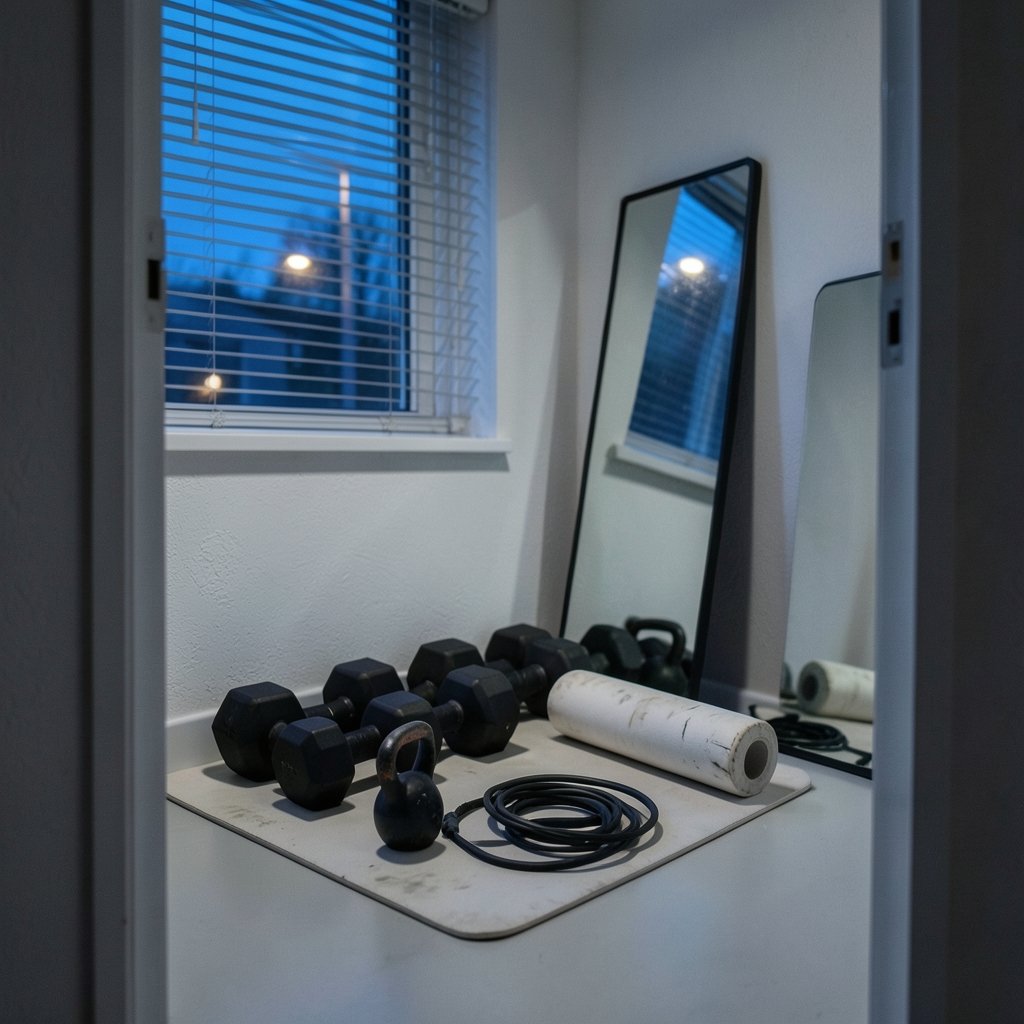
A sensible approach treats resistance training as part of a broader picture: consistent movement, adequate protein, enough sleep, and patience. If you want to explore the equipment side, there is plenty of guidance on strength training equipment to help you set up a home routine that you will actually stick with.
It also helps to remember that cellulite is extraordinarily common and not a flaw to be fixed. Training for strength and health, with smoother skin as a possible bonus, is a far more sustainable mindset than training in a state of frustration.
How Long Before You See Anything?
Honest answer: it depends, and anyone who gives you an exact timeline is guessing. Strength gains often come within a few weeks, especially for beginners, because much of early progress is neurological. Visible body composition changes usually take longer, often a couple of months or more of consistent work.
Cellulite appearance, if it changes at all, tends to follow body composition changes. So the timeline for skin is even less predictable. Track your lifts, your energy, and how clothes fit rather than staring at your thighs in the mirror every day.
Conclusion
Resistance training is a genuinely valuable habit, and it can influence cellulite indirectly by improving body composition and supporting fat loss while preserving muscle. But it is not an established cure, and the evidence for a direct effect on dimpled skin is limited and mixed. The smart play is to lift for strength and health, stay consistent for months rather than weeks, and treat any smoothing of cellulite as a welcome bonus rather than a guarantee. If you build the habit around realistic expectations, you win either way.
Frequently Asked Questions
Does resistance training get rid of cellulite?
No, it does not reliably get rid of cellulite. Resistance training can improve muscle tone and body composition, and body fat reduction can reduce cellulite visibility in some people. But evidence that training specifically reduces cellulite appearance is limited and mixed. Think of it as a possible indirect benefit, not a cure.
How often should I strength train to see changes in my body?
Most adults benefit from resistance training two or more sessions per week targeting the major muscle groups. For body composition changes, consistency over months matters more than any single workout. Start with two to three sessions weekly and progress gradually as you adapt.
Can I target cellulite on my thighs with specific exercises?
Spot reduction does not work. Working your thighs and glutes builds strength in those muscles, but it does not selectively burn the fat directly above them. Fat loss happens across the body as a whole, which is why whole-body training plus a modest calorie deficit is the more effective approach.
Why is cellulite so common in women?
Cellulite is shaped by genetics, hormones, and connective tissue structure. Women tend to have a different pattern of fibrous septa beneath the skin than men, which makes the dimpling far more likely. That structural factor helps explain why exercise alone rarely eliminates it.
Is cellulite a sign that something is wrong with my health?
No. Cellulite is a cosmetic skin condition, not a disease. It is extremely common in post-pubertal women and is not a marker of poor health. If you are concerned about skin changes, a healthcare professional can offer guidance, but cellulite itself is a normal cosmetic feature.
What actually works best for smoother-looking skin?
A combination tends to serve people best: consistent resistance training, a modest calorie deficit if fat loss is a goal, adequate protein, good sleep, and patience measured in months. No single method guarantees a change in cellulite, so focus on habits that improve your overall health and let skin texture follow as it will.
If you are unsure where to start, a qualified trainer or physical therapist can help you learn safe technique and set appropriate loads. People with injuries, joint problems, or medical conditions should check with a healthcare professional before beginning a new program. Beyond the gym, daily movement, adequate hydration, and avoiding smoking support skin and overall health, though none of these is a cellulite cure. The most useful takeaway is simple: build a routine you can sustain, measure success by strength and wellbeing, and let appearance be a secondary concern. Done consistently, resistance training earns its place in your life regardless of what it does for dimpled skin.









