

Quick Answer: Can dogs have broccoli?
Yes. Dogs can eat plain, cooked broccoli in small amounts, and most veterinary guidance treats it as a safe, low-calorie treat when it is served plain and cut into bite-sized pieces.
Raw broccoli is harder to digest and poses more of a choking risk, so steamed or boiled florets without salt, butter, or oil are the safer default. Other cruciferous vegetables such as cauliflower and green beans follow similar rules, while onions, garlic, and grapes do not.
Before feeding, check the portion size against the dog’s daily calories, the dog’s weight and chewing style, any thyroid or digestive conditions, and whether the broccoli is free of seasoning.
Why Broccoli Is Usually Fine, But Not Always Simple
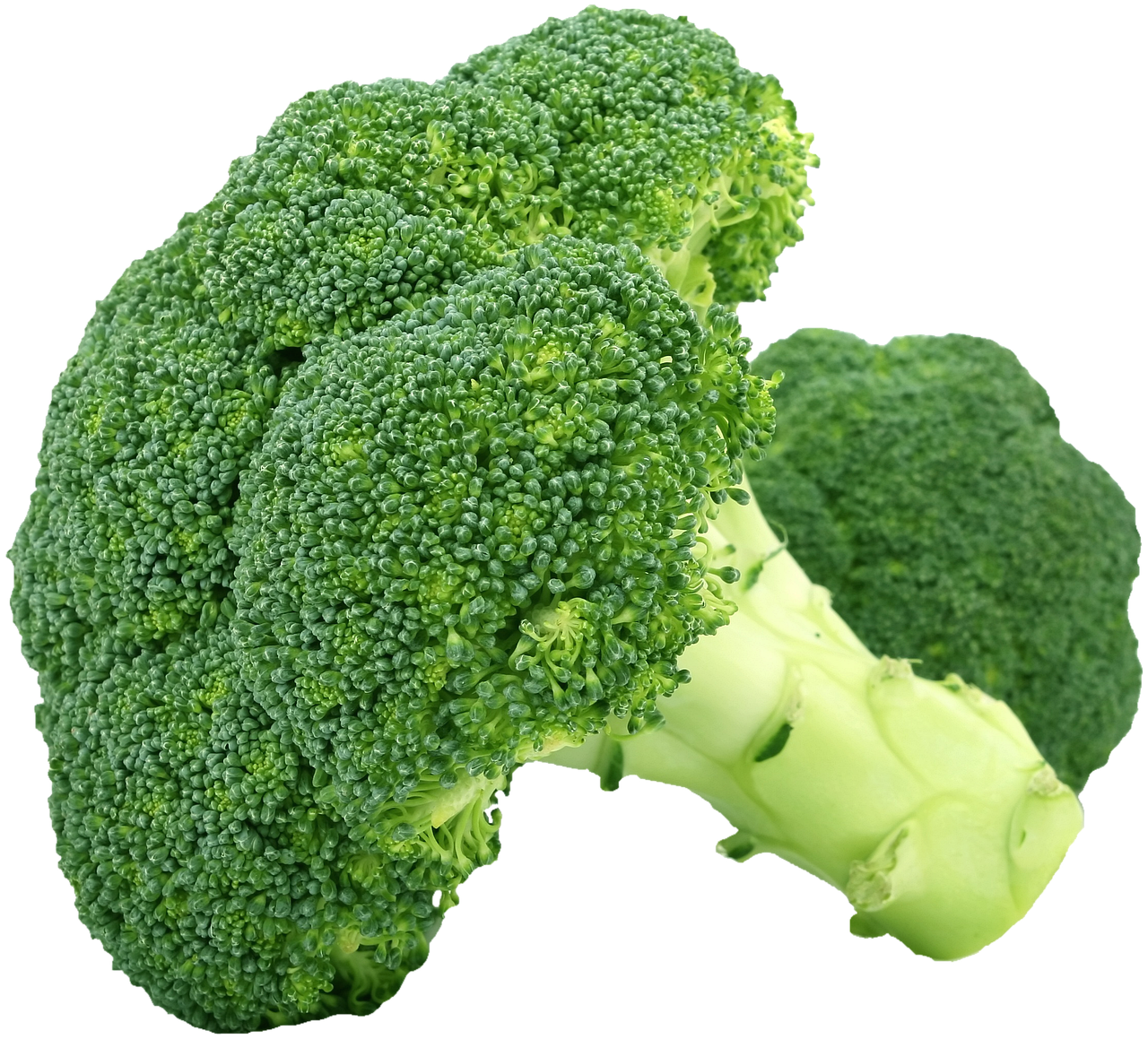
Picture a dog parked under the kitchen table, staring up with the kind of focus usually reserved for squirrels. A floret of broccoli drops. Is that a lucky break or a mistake? The honest answer sits somewhere in the middle, and it depends far more on how the broccoli is prepared than on the vegetable itself.
Broccoli is not on the list of plants known to be toxic to dogs, and it is not a poison in any meaningful sense. In small amounts, plain cooked broccoli is a reasonable occasional treat. It brings fiber, vitamin C, and vitamin K, plus a satisfying crunch that many dogs genuinely enjoy. It is also low in calories, which makes it appealing for owners of dogs who are watching their waistlines.
The catch is that “safe” is not the same as “unlimited.” Broccoli contains sulfur-based compounds that can irritate a dog’s stomach when eaten in large quantities, and the plant’s structure creates real choking risks for small dogs. Portion, preparation, and the individual dog all matter. This guide walks through each of those factors so a treat stays a treat.
What Makes Broccoli Safe or Risky for Dogs
The sulfur compounds
Broccoli belongs to the cruciferous family, along with cabbage, kale, and cauliflower. These plants contain isothiocyanates, sulfur-containing compounds that give them their slightly bitter, earthy taste. In people, these compounds are often discussed as beneficial. In dogs, the picture is less rosy at high doses.
Large amounts of isothiocyanates can irritate the gastrointestinal tract. The most common result is not dramatic poisoning but a gassy, uncomfortable dog with loose stool. Most owners who overdo it learn this lesson on a carpet rather than at a vet clinic. The practical takeaway is simple: a few florets are fine, a bowlful is not.
The fiber load
Broccoli is high in fiber, which sounds like a virtue until a dog’s digestive system gets more of it than it is used to. Sudden fiber increases can cause gas, bloating, and softer stools. Dogs who already have sensitive stomachs or a history of pancreatitis should be introduced to broccoli more cautiously, if at all.
The goitrogen question
Cruciferous vegetables are sometimes called goitrogens because very high intake can, in theory, interfere with thyroid function. This concern is mostly discussed in the context of large, regular servings rather than occasional treats. Owners of dogs with diagnosed thyroid conditions should raise the question with their veterinarian before making broccoli a routine snack, since the evidence at typical treat levels is not strong enough to give a blanket answer either way.
Choking and blockages
Raw broccoli stalks are dense and fibrous. For a small dog or a dog who gulps food without chewing, a chunk of stalk can become a choking hazard. Larger pieces can also contribute to blockages if swallowed whole. Cutting broccoli into small, bite-sized pieces solves most of this problem, and avoiding the thick stalk entirely solves the rest.
How to Prepare Broccoli So It Stays a Safe Treat
Preparation is where most broccoli mistakes happen, and they are almost always about what gets added rather than the vegetable itself.
The plain rule
The safest version of broccoli for a dog is plain, cooked, and unseasoned. Steam or boil the florets until they are soft, then let them cool. No salt, no butter, no oil, no garlic, no onion powder, no cheese sauce. Seasonings are where the real dangers enter the picture: garlic and onion are toxic to dogs, and heavy salt or fat can trigger digestive upset or worse in dogs prone to pancreatitis.
Cooked versus raw
| Factor | Cooked broccoli | Raw broccoli |
|---|---|---|
| Digestibility | Easier on the stomach | Harder to break down |
| Choking risk | Lower when cut small | Higher, especially stalks |
| Nutrient retention | Slightly lower for some vitamins | Higher |
| Best for | Most dogs, especially small ones | Confident chewers, in tiny pieces |
| Seasoning risk | Watch for butter and salt | Usually none, but wash well |
Cooked broccoli wins on safety for most households. Raw broccoli is not forbidden, but it should be chopped into small pieces and given only to dogs who chew properly. Either way, washing matters, since produce can carry pesticide residue and dirt.
Portion sizes that make sense
Treats should generally make up no more than about 10% of a dog’s daily calories, with the rest coming from a complete and balanced diet. Broccoli is a treat, not a meal replacement, and it should never crowd out proper food.
| Dog size | Approximate daily broccoli limit |
|---|---|
| Toy (under 10 lbs) | 1 to 2 small florets |
| Small (10 to 25 lbs) | 2 to 3 florets |
| Medium (25 to 60 lbs) | 3 to 4 florets |
| Large (60 to 100 lbs) | 4 to 6 florets |
| Giant (over 100 lbs) | Up to about half a cup |
These are rough guides, not prescriptions. A dog’s overall diet, activity level, and health status should shape the final number, and a veterinarian is the right person to set it. (The row)
A simple introduction plan
- Start with one small, plain, cooked floret.
- Watch for gas, loose stool, or vomiting over the next 24 hours.
- If nothing changes, keep the portion at that level for a week.
- Increase gradually only if the dog tolerates it well.
- Stop immediately if digestive upset appears and reintroduce later, or not at all.
This slow approach matters more than most owners expect. Dogs who have never eaten broccoli may react to it simply because it is new, not because it is harmful.
Common Mistakes Owners Make With Broccoli
Even careful owners trip over the same handful of errors. Knowing them in advance saves a lot of guesswork.
Assuming “healthy for humans” means “healthy in any amount for dogs.” Broccoli is nutritious, but dogs have different digestive limits and different calorie needs. A pile of broccoli is not a balanced meal.
Leaving the stalk on. The stalk is the toughest, most fibrous part and the biggest choking risk. Florets are the safer choice, and small dogs should get them chopped fine.
Adding flavor. Butter, salt, garlic, and cheese are common additions that turn a safe vegetable into a risky one. Garlic and onion in particular are genuinely toxic to dogs.
Using broccoli as a meal replacement. Some owners try to stretch kibble with vegetables during a diet. A little broccoli as a topper is fine, but it should not replace a complete and balanced diet without veterinary guidance.
Ignoring the dog’s individual health. A dog with a sensitive stomach, a thyroid condition, or a history of pancreatitis needs a more cautious approach than a healthy adult dog. The same treat is not equally safe for every animal.
Forgetting about other cruciferous vegetables. If a dog is already eating kale, cabbage, and cauliflower, adding broccoli on top stacks the same compounds. Variety is fine, but the total load matters.
What About Dogs Who Love Vegetables?
Some dogs genuinely enjoy vegetables, and broccoli fits neatly into that group. For dogs who need to lose weight, plain broccoli can be a useful low-calorie reward that feels substantial. For dogs who are food-motivated, it adds variety without adding many calories.
Texture preferences matter too. Some dogs prefer soft, steamed florets, while others like the crunch of raw pieces. Owners can experiment with both, as long as the pieces are small and plain. A dog who turns up their nose at broccoli is not missing out on anything essential; the vegetable is optional, and no dog needs it to thrive.
It also helps to think about coat and breed. A dog with a 4c hair coat, for instance, has different grooming needs, but diet still drives most of the shine. Broccoli’s vitamin C and fiber are a small bonus, not a substitute for a quality food. Similarly, a dog with a 2b hair coat or a smooth single coat will look and feel best when the base diet is solid, with treats kept in proportion.
When to Skip Broccoli Entirely
Broccoli is not right for every dog, and there are clear situations where skipping it is the better call. Dogs with a diagnosed thyroid condition should have the goitrogen question reviewed by a veterinarian first. Dogs with a history of pancreatitis or inflammatory bowel disease may do better with simpler treats. Dogs who have had a choking incident or who gulp food should avoid raw pieces entirely.
Small dogs deserve special mention. A dog who weighs five pounds has a very small margin for error, and a piece of stalk that would be trivial for a Labrador can be a genuine hazard. Chopping finely is not optional in those households; it is the whole game.
Puppies are another group to approach slowly. Their digestive systems are still developing, and new foods should be introduced one at a time so any reaction can be traced. A single small piece of cooked floret is plenty for a first taste.
Conclusion
Broccoli is a safe, low-calorie treat for most dogs when it is plain, cooked, and cut small. The vegetable itself is not the problem; the trouble comes from oversized portions, added seasonings, tough stalks, and dogs whose health makes cruciferous vegetables a poor fit. Owners who keep servings modest, watch for digestive reactions, and treat broccoli as an occasional reward rather than a dietary staple will find it a useful addition to the treat rotation.
The practical rules are short: steam it plain, cut it small, start slow, and check with a veterinarian if the dog has a thyroid or digestive condition. A dog who gets a couple of florets now and then is getting a healthy snack, not a hazard. A dog who gets a bowlful with butter is a different story entirely, and one worth avoiding. The row of decisions here is small, but each one shapes whether broccoli ends up as a smart treat or a stomachache waiting to happen.
Frequently Asked Questions
Can puppies eat broccoli?
Puppies can eat a small piece of plain, cooked broccoli once they are eating solid food, but it should be treated as a rare taste rather than a regular snack. Their digestive systems are still developing, so new foods should be introduced one at a time and in tiny amounts so any reaction is easy to trace.
Is raw broccoli dangerous for dogs?
Raw broccoli is not toxic, but it is harder to digest and the stalks create a real choking risk, especially for small dogs. If an owner wants to feed it raw, the pieces should be chopped very small and the thick stalk left out entirely. Cooked florets remain the safer default.
How much broccoli is too much for a dog?
There is no single official limit, but treats should stay around 10% of a dog’s daily calories, and broccoli should be a small part of that. A few florets for a medium dog is reasonable; a bowlful is not. Signs of overdoing it include gas, bloating, and loose stool.
Can broccoli give a dog diarrhea?
Yes, it can. Broccoli is high in fiber and contains sulfur compounds that can irritate the stomach when eaten in large amounts. A dog who develops diarrhea after eating broccoli should have the treat withheld until the stool returns to normal, and the portion should be reduced if it is reintroduced.
Is broccoli safe for dogs with thyroid problems?
This is a question for the dog’s veterinarian. Broccoli is a cruciferous vegetable and contains goitrogens, which are sometimes discussed as a theoretical concern for thyroid function at very high intake. At typical treat levels the risk is not well established, so a dog with a diagnosed thyroid condition should have the decision reviewed individually.
What vegetables are safer or better than broccoli for dogs?
Plain cooked green beans, carrots, and cucumber are commonly recommended and tend to be easier on the stomach than broccoli. Cauliflower and cabbage share broccoli’s sulfur compounds, so they follow similar portion rules. Onion, garlic, and grapes should be avoided entirely because they are toxic to dogs.














