


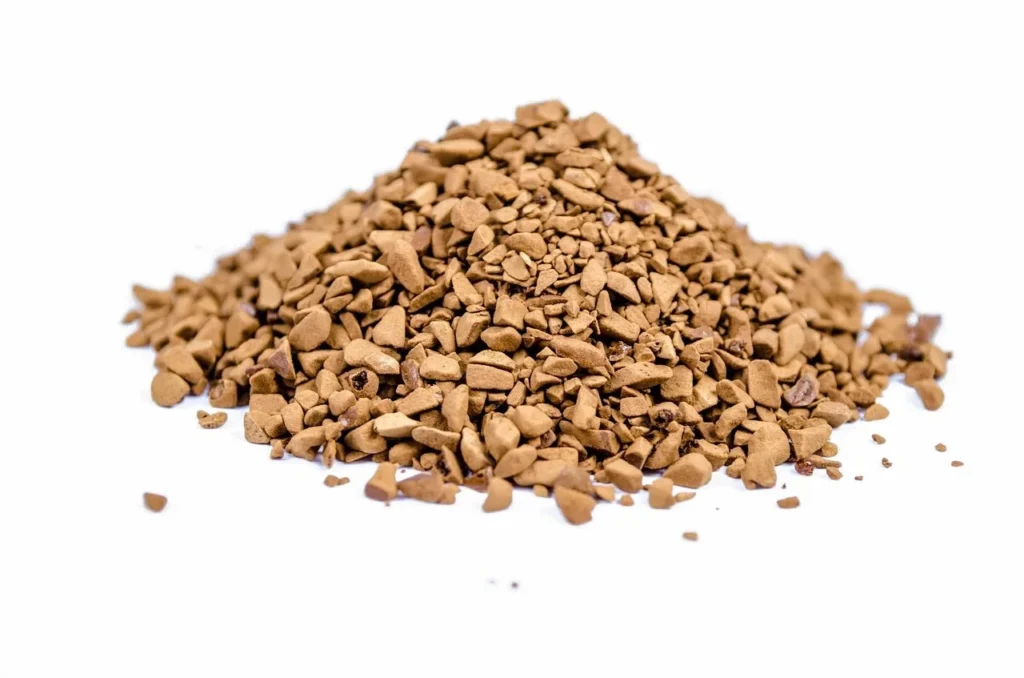
Can a spoonful of powder really deliver a cup that tastes like it came from a café? Every instant coffee debate starts with that question. Some people keep a jar in the cupboard purely for emergencies. Others have quietly built a whole morning ritual around it. Instant coffee has improved dramatically, and the gap between a sad, bitter mug and a genuinely enjoyable cup now comes down to a handful of choices: how the coffee was dried, what kind of bean went in, how fresh the jar is, and how you brew it.
This guide breaks down what separates the best instant coffee from the forgettable stuff, how to read a label without falling for marketing, and which habits make the biggest difference in the cup. No hype, no miracle claims, just the practical details that matter.
What Instant Coffee Actually Is
Instant coffee, also called soluble coffee, starts as regular brewed coffee. The liquid is then concentrated and dried until only powder or granules remain. Add hot water, and you have a cup in seconds.
The drying step is the single biggest factor in quality. Two methods dominate:
- Spray-drying forces fine mist of coffee concentrate through hot air. It is fast and cheap, but the heat strips away many of the volatile compounds responsible for aroma. The result tends to taste flat and slightly burnt.
- Freeze-drying freezes the concentrate and then removes the ice through sublimation, meaning the water turns directly from solid to gas. Because the process avoids high heat, more aromatic compounds survive. Freeze-dried coffee usually costs more and tastes noticeably closer to fresh brew.
Freeze-drying as an industrial preservation method was developed and scaled during and after World War II for pharmaceuticals and food, and its use for coffee followed in the post-war decades. That history explains why the technique is associated with higher-end jars today.
There is also a third category worth knowing: microground or “instant plus” coffee, which mixes soluble powder with very finely ground roasted beans. It gives a slightly thicker body and a more textured mouthfeel, though it never fully dissolves and leaves sediment at the bottom of the cup.
How to Judge Quality Before You Buy

Most people choose instant coffee by habit or price. A few label cues tell you far more than the front of the jar.
Check the drying method
If the label says freeze-dried, that is usually a good sign. If it stays silent, assume spray-dried unless the price and branding suggest otherwise. Some premium brands print the method prominently because they know it is a selling point.
Look at origin and roast
Single-origin instant coffee names the country or region, which signals that the producer cares about flavor rather than blending for consistency alone. Roast level matters too: dark roasts hide defects behind bitterness, while medium roasts let acidity and sweetness show through. For instant coffee, a medium or medium-dark roast tends to survive processing better than a very light one, whose delicate notes are the first to disappear.
Consider the format
Jars, refill pouches, and single-serve sachets all have trade-offs. Jars are the most economical but expose the coffee to air every time you open them. Sachets stay fresher longer but cost more per cup and generate more packaging waste. Sticks are convenient for travel but often contain smaller doses, which encourages weaker brews.
Read the ingredient list
Good instant coffee has exactly one ingredient: coffee. Anything else, whether flavorings, maltodextrin, or added sugar, belongs in a different product category. “2-in-1” and “3-in-1” mixes are coffee-flavored drinks, not coffee.
| Label cue | What it usually means | Worth paying more? |
|---|---|---|
| Freeze-dried | Better aroma retention, cleaner taste | Often yes |
| Spray-dried | Cheaper, flatter, sometimes bitter | Only for budget or baking |
| Single origin | Traceable flavor profile | Yes, if you drink it black |
| Microground | Thicker body, some sediment | Depends on preference |
| Freeze-dried decaf | Better taste than most decaf | Yes, if you avoid caffeine |
The Variables That Change Everything in the Cup
Even a great jar can produce a poor cup. These are the mistakes that show up again and again. (The row)
Water temperature. Boiling water scalds instant coffee and pushes bitterness forward. Let the kettle rest for a minute or two, or use water just off the boil. Around 85 to 90 degrees Celsius is a sensible target for most jars.
Dose. Most people under-dose. A heaped teaspoon per mug is a reasonable starting point, but the right amount depends on the product and your taste. If your coffee tastes watery and sour, add more before you blame the brand.
Order of operations. Put the powder in the cup first, add a splash of hot water, and stir into a smooth paste before topping up. This prevents clumps and helps the granules dissolve evenly. It sounds fussy, but it takes five extra seconds and fixes the gritty texture that puts people off instant coffee.
Water quality. Coffee is mostly water. Hard tap water flattens flavor, and heavily chlorinated water leaves an unpleasant edge. Filtered water is one of the cheapest upgrades available.
Freshness. Instant coffee is hygroscopic, meaning it absorbs moisture from the air. An opened jar left loose in a humid kitchen will clump and lose aroma. Keep the lid tight, store it somewhere dry and away from the stove, and finish the jar within a few months of opening. Manufacturer shelf-life statements vary, so check the label rather than trusting a rule of thumb.
Milk and sugar. Both mask defects, which is why cheap instant coffee is often marketed for milky drinks. If you want to judge quality, taste it black first. If you prefer milk, a medium-dark freeze-dried coffee holds up better than a light roast.
Caffeine, Decaf, and Health Questions
Caffeine content per cup depends on the serving size and the specific product, so blanket numbers are misleading. A standard mug of instant coffee typically contains a moderate dose, but strong scoops and large mugs push it higher. Anyone tracking intake should measure rather than guess.
Decaffeinated instant coffee is not caffeine-free. It contains small residual amounts, which matters for people who are highly sensitive or advised to avoid caffeine entirely. Decaffeination methods include solvent-based processes, the water-only Swiss Water method, and CO₂ extraction, and residue limits are regulated in many jurisdictions. In blind tastings, water-processed decafs often score better on aroma, though the gap has narrowed.
On acrylamide, a compound that forms during the roasting of coffee beans and other high-temperature cooking of starchy foods, health agencies have assessed dietary exposure and treat coffee as one contributor among many foods. The practical takeaway is not to avoid coffee but to keep overall diet and roasting preferences in perspective. Roasting darker reduces acrylamide somewhat, though it also changes flavor.
Certifications are another label to watch. Fairtrade and organic marks apply to coffee supply chains, and their criteria are set by the certifying bodies. They tell you something about how the coffee was produced, not necessarily how it will taste.
Does Hair Type Have Anything to Do With Coffee?
Here is an odd but real connection worth addressing, because it comes up in search results and forum threads. Coffee is sometimes used in homemade hair rinses and scalp treatments, and people with different hair textures report very different results. Someone with tight 4c hair may find that a strong coffee rinse leaves the scalp dry and the strands brittle, while finer textures react differently. If you are experimenting, dilute heavily and patch-test first. The same curiosity applies to styling discussions: a person with 2b hair chasing volume may read about coffee-based scalp tonics, and someone following the row of trending natural hair routines may see coffee mentioned as a growth aid. None of this has strong clinical backing, and it has nothing to do with which jar makes the best cup. Treat coffee as a drink first.
How to Choose for Your Own Habits
The “best” instant coffee depends on how you drink it. A few honest profiles:
The black-coffee drinker should prioritize freeze-dried single-origin jars and brew them slightly weaker than instinct suggests. Acidity and aroma are the whole point, and both are fragile.
The milky-coffee drinker can spend less. A medium-dark spray-dried or microground product will hold its own under milk, and the subtle top notes of a premium jar would be lost anyway.
The decaf drinker should look for water-processed options and accept a slightly higher price. The difference in taste is real.
The camper and traveler needs sachets or sticks, ideally freeze-dried. Convenience wins, but check the gram weight per sachet; some are sized for a small cup, not a travel mug.
The baker can buy the cheapest spray-dried jar on the shelf. Instant coffee dissolved in a little hot water is a workhorse in chocolate cakes, rubs, and marinades, and no one will taste the difference.
Common Mistakes That Ruin a Good Jar
Beyond water temperature and dose, a few habits quietly sabotage quality. Storing the jar next to the kettle exposes it to steam every morning. Using a wet spoon introduces moisture directly into the powder. Leaving the lid off while the kettle boils does the same thing more slowly. Buying in bulk to save money backfires if the second half of a giant jar goes stale before you finish it.
Another frequent error is judging a coffee after one cup. Instant coffee changes as the jar settles and as you dial in your dose. Give a new product three or four attempts before deciding.
Finally, do not assume price equals quality. Some mid-priced freeze-dried supermarket own-brands outperform branded jars costing twice as much. Since no single authoritative ranking exists and blind tastings by consumer organizations and media vary in method and tasters, personal trials beat any list, including this one.
Conclusion
The best instant coffee is not a single product but a match between drying method, roast, freshness, and the way you brew it. Freeze-dried jars generally reward the extra cost, especially for black coffee, while spray-dried options make sense for milky drinks and baking. Water just off the boil, a generous scoop, and a tightly sealed jar in a dry cupboard will do more for your cup than any upgrade in brand. Start with those habits, taste a few products side by side, and let your own palate settle the argument.
Frequently Asked Questions
Is freeze-dried instant coffee really better than spray-dried?
In general, yes for flavor. Freeze-drying removes water without high heat, so more aroma compounds survive, and the resulting cup tastes cleaner and less burnt. Spray-drying is faster and cheaper but tends to flatten the flavor. That said, a well-made spray-dried coffee can beat a poorly stored freeze-dried one, so freshness still matters.
How much instant coffee should I use per cup?
A heaped teaspoon per standard mug is a sensible starting point, but the right amount depends on the product and how strong you like it. If the cup tastes thin and sour, add more coffee rather than brewing longer. If it tastes harsh and bitter, reduce the dose or cool the water slightly. (2b hair)
Does decaf instant coffee contain caffeine?
Yes, in small amounts. Decaffeination removes most but not all caffeine, so decaf instant coffee typically contains a small residual quantity. People who are highly sensitive or advised to avoid caffeine completely should check with a health professional rather than assume decaf is caffeine-free.
What is the ideal water temperature for instant coffee?
Water just off the boil works best, roughly 85 to 90 degrees Celsius. Boiling water can push bitterness forward and flatten delicate aromas. Letting the kettle rest for a minute or two after it switches off is an easy way to hit the right range without a thermometer.
Why does my instant coffee clump in the jar?
Instant coffee absorbs moisture from the air, so clumping is a sign of exposure. A wet spoon, steam from a nearby kettle, or a loose lid all introduce humidity. Keep the jar tightly closed, store it in a dry spot away from the stove, and always use a dry spoon.
Can I use cheap instant coffee for baking?
Absolutely. In cakes, brownies, rubs, and marinades, the coffee is dissolved and combined with other strong flavors, so the subtle aromas of a premium freeze-dried jar would be wasted. A basic spray-dried product does the job perfectly well and costs far less.









