

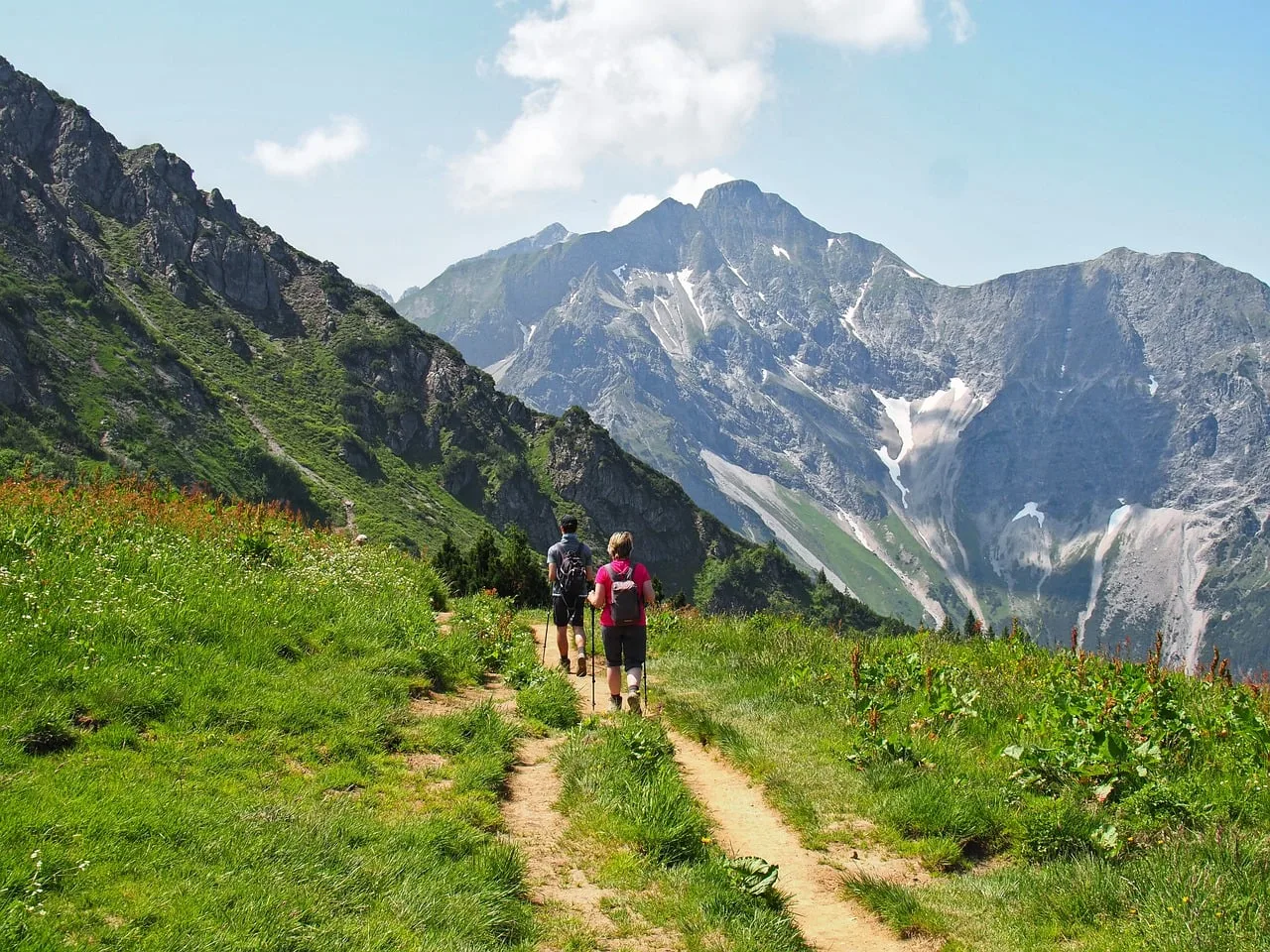

What if the best souvenir from your next trip wasn’t a magnet or a photo, but a pair of tired legs and a story about the day you watched sunrise from a ridge? Hiking has a way of turning a vacation into something you actually remember. The trouble is that “best places to hike” means wildly different things to different people. A casual half-day walker and a thru-hiker chasing 20-mile days are not looking for the same trail.
This guide sorts through the noise. It covers famous long-distance routes, day hikes with big payoffs, and a few underrated picks, with honest notes on crowds, permits, and timing. The goal is simple: help you pick a trail that fits your legs, your schedule, and your tolerance for sharing the view.
What Makes a Trail Worth Traveling For
Not every great hike needs a plane ticket. But the places that draw people from across the world tend to share a few traits: a distinctive landscape you can’t find at home, a well-maintained path, and a sense of scale that makes the effort feel earned.
There’s also a practical side. A 2015 study in the Proceedings of the National Academy of Sciences found that a 90-minute walk in nature was linked to reduced rumination and lower activity in a brain region tied to depression risk. That’s a strong argument for building a hike into any trip, even a city break. The catch is that popular trails are popular for a reason, and the busiest ones now come with timed entries, permit lotteries, and shuttle buses.
The smart move is to match the hike to the season. A desert trail in July is misery; the same trail in March is magic. If you’re planning around weather, it helps to compare options by month, and a good roundup of places to visit in July with cool weather can point you toward mountain trails that stay comfortable when the lowlands bake.
The Classic Long-Distance Routes
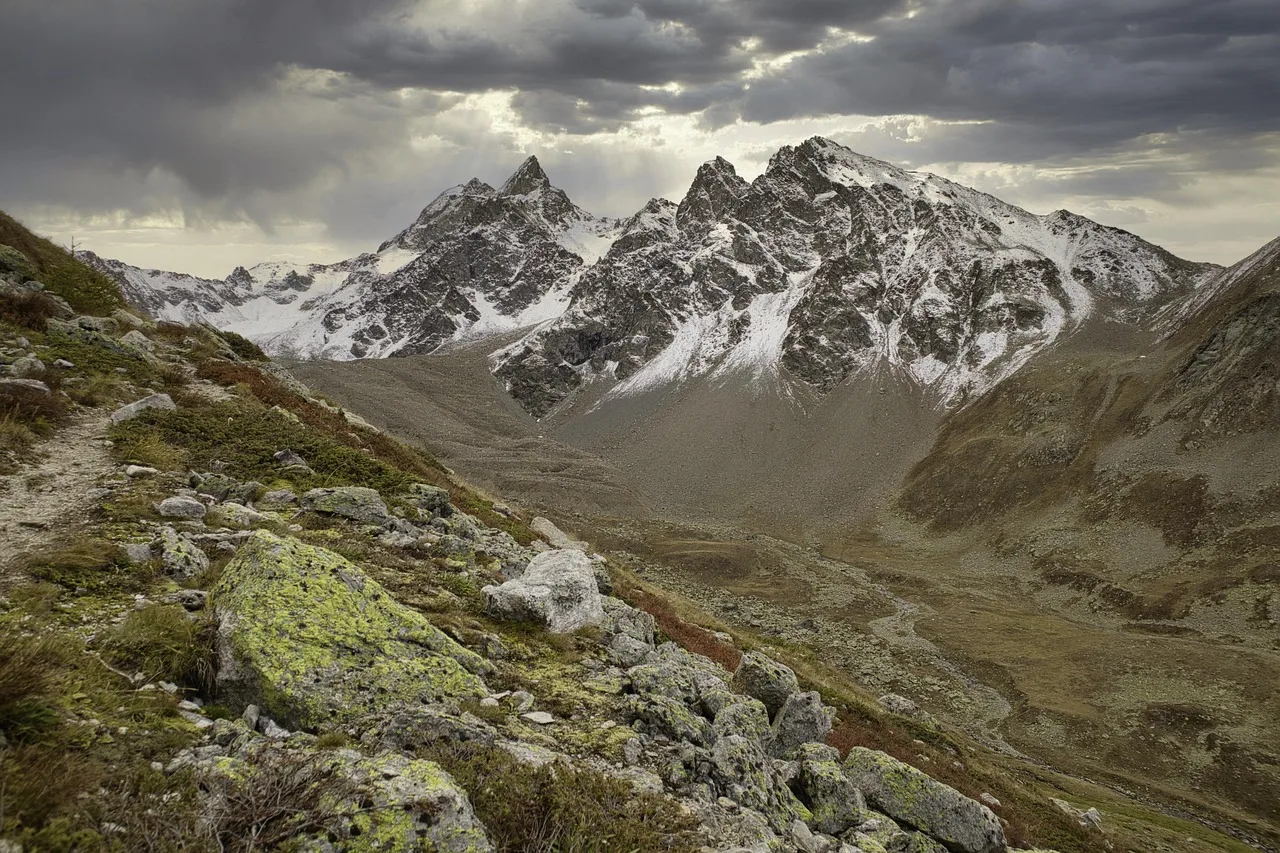
These are the hikes that show up on bucket lists. They’re not day trips, but even section-hiking a few miles of them counts.
The Appalachian Trail (United States)
The Appalachian Trail runs roughly 2,190 miles from Springer Mountain, Georgia, to Mount Katahdin, Maine. The length shifts slightly year to year as the route is rerouted, so treat any figure as approximate. Most people never thru-hike it, and that’s fine. Day sections in Vermont, New Hampshire, and the Great Smokies deliver the same forest ridges and rocky summits without the five-month commitment.
Practical tip: The AT is one of the most crowded long trails in the world during peak thru-hiker season (roughly March to May in the south). If you want solitude, hike it in late fall.
The Pacific Crest Trail (United States)
The PCT stretches about 2,650 miles from the Mexico–California border to the Washington–Canada border. It crosses desert, the High Sierra, and the Cascade volcanoes in a single route, which is why it attracts hikers from everywhere. Section hikers often target the Sierra Nevada or the Goat Rocks Wilderness in Washington for the biggest scenery-to-effort ratio.
The Continental Divide Trail (United States)
At roughly 3,100 miles along the Rocky Mountains from New Mexico to Montana, the CDT is the wildest and least-traveled of the big three US routes. Length figures vary by source and route variant, so plan with a current guide. It’s a route for experienced backcountry travelers, not first-timers.
The South West Coast Path (England)
England’s longest National Trail runs about 630 miles around the southwest peninsula, from Somerset to Dorset. The appeal is variety: clifftop paths, fishing villages, and beaches, with a pub or a B&B never far away. It’s one of the most accessible long-distance walks in the world for people who don’t want to carry a tent.
Day Hikes With World-Class Payoffs
If a multi-week trek isn’t realistic, these deliver enormous views in a single day.
| Trail | Location | Why It Stands Out | Best Season |
|---|---|---|---|
| Milford Track (Great Walk) | Fiordland, New Zealand | Rainforest, waterfalls, and a famous alpine pass | Late October to April |
| Routeburn Track | South Island, New Zealand | Open alpine basins and beech forest | Late October to April |
| Half Dome (permit required) | Yosemite, California | Granite dome views and a cable climb | June to September |
| Tongariro Alpine Crossing | North Island, New Zealand | Volcanic craters and emerald lakes | November to April |
| Bright Angel Trail | Grand Canyon, Arizona | Inner-canyon views most visitors never see | Spring and fall |
New Zealand’s Great Walks network is managed by the Department of Conservation, and several tracks require advance booking with seasonal hut capacity limits. The Milford and Routeburn tracks in particular sell out months ahead. That booking window is the single most common mistake travelers make: they show up in peak summer without a reservation and find nothing available.
For hikers heading to the American West, note that national parks are crowded. The Park Service logged about 325.5 million recreation visits in 2023, up roughly 4% from 2022. Popular trailheads fill before dawn, and several parks now use timed-entry systems. Arriving early isn’t just a tip; it’s often the only way to get in.
Underrated Alternatives That Beat the Crowds
The famous trails are famous for good reason, but the second-tier options often deliver 90% of the scenery with 20% of the people.
The Alps Without the Postcard Villages
The Tour du Mont Blanc gets the headlines, but the Walker’s Haute Route and the Julian Alps in Slovenia offer alpine drama with fewer hikers. Slovenia’s Triglav National Park in particular has well-marked trails, mountain huts, and prices that undercut Switzerland by a wide margin.
The American Southwest in Shoulder Season
Utah’s canyon country and Arizona’s high country are spectacular in spring and fall. Summer heat makes many trails genuinely dangerous, so timing matters more here than almost anywhere else. If you’re building a winter escape around warm-weather walking, a guide to warm places to visit in December can help you find desert trails that stay walkable when the north freezes.
California’s Less-Famous Ranges
Everyone knows Yosemite and Big Sur. Fewer people plan trips around the Trinity Alps, the Lost Coast, or the eastern Sierra. These areas offer serious terrain without the reservation scramble. If you want to explore more broadly, this collection of places to visit in California pairs well with a trail plan.
How to Pick the Right Hike for Your Trip
A little planning separates a great hike from a miserable one. Work through these steps before you book anything.
- Match distance to fitness honestly. A 12-mile day with 3,000 feet of gain is a serious outing. If you haven’t trained, start with half that and see how you feel.
- Check the permit and booking rules. Many iconic trails now require reservations, lotteries, or timed entries. Confirm before you build an itinerary around a trail.
- Look at elevation and weather windows. High alpine routes hold snow into summer. Desert routes become dangerous by late morning in hot months.
- Plan your turnaround time as well as your destination. Most hiking accidents happen on the descent, when people are tired and rushing.
- Carry more water than feels reasonable. On exposed trails, dehydration sneaks up fast.
- Tell someone your route. A simple text to a friend with your trailhead and expected return time costs nothing.
Common Mistakes That Ruin a Good Hike
The most frequent error is overpacking ambition. Travelers land, sleep badly, and then attempt a strenuous trail on day one. Give yourself a day to adjust, especially at altitude.
The second is ignoring the descent. Uphill gets all the attention, but downhill pounding wrecks knees and quads. Trekking poles genuinely help.
The third is treating trail markers as optional. On well-maintained routes this is fine. On faint routes, a downloaded offline map is not paranoia; it’s basic preparation.
Leave No Trace and Trail Etiquette
Outdoor ethics aren’t just polite; they keep trails open. The Leave No Trace Seven Principles, widely adopted by land agencies, cover the essentials: pack out your waste, leave what you find, stay on the trail, and respect wildlife.
In the United States, designated wilderness areas are protected under the Wilderness Act, signed in 1964, which generally prohibits mechanized transport, including bicycles. That’s why some trails ban bikes outright. Check local rules rather than assuming.
A few practical habits go a long way:
- Yield uphill. Downhill hikers step aside for those climbing.
- Keep music in headphones. Most people on a trail are there for quiet.
- Pack out everything, including food scraps. Orange peels and apple cores don’t belong in the woods.
- Give wildlife space. A photo isn’t worth a confrontation with a moose or a bear.
When to Go: A Quick Seasonal Guide
Timing can make or break a hiking trip. Here’s a rough framework.
| Season | Best For | Watch Out For |
|---|---|---|
| Spring | Desert canyons, lower elevations, wildflowers | Muddy high trails, lingering snow |
| Summer | Alpine routes, northern latitudes, long days | Heat, crowds, afternoon thunderstorms |
| Fall | Almost everywhere; stable weather and color | Shorter days, early snow at altitude |
| Winter | Desert and coastal trails, southern hemisphere | Closures, ice, limited daylight |
For travelers planning around holidays, a look at where to go for Christmas can help you find trails that pair with a festive trip, while a broader guide to December travel destinations covers both winter sun and snow.
Conclusion
The best places to hike aren’t a fixed list. They’re the trails that match your fitness, your season, and your appetite for company. A famous route hiked in the wrong month can be miserable; a quiet local path on a perfect morning can be unforgettable. Start with one trail that genuinely excites you, check the permits and the weather, train a little, and pack light. The view at the top is the same whether you’re a thru-hiker or a weekend walker, and the effort is what makes it worth remembering.
Frequently Asked Questions
What is the best place to hike for beginners?
Gentle, well-marked trails with modest elevation gain are ideal. England’s South West Coast Path offers easy sections with villages nearby, and many US national parks have short paved or gravel paths with big views. Start with under five miles and build from there.
How long does it take to hike the Appalachian Trail?
Most thru-hikers take five to seven months to cover the roughly 2,190 miles from Georgia to Maine. Section hikers can complete it in pieces over years, which is how most people actually experience the trail.
Do I need a permit to hike popular trails?
Often, yes. Half Dome in Yosemite requires a permit, New Zealand’s Great Walks require advance hut bookings, and several US parks use timed-entry systems. Always check the managing agency’s rules before finalizing plans.
What should I pack for a day hike?
The essentials: water, snacks, a map or offline navigation, a light rain layer, sun protection, a headlamp, and a basic first-aid kit. Add trekking poles for steep descents and extra insulation for alpine routes.
Is it safe to hike alone?
Many people hike alone safely, but preparation matters more. Share your route with someone, carry navigation that works without cell service, and turn around early if conditions change. Busy trails are a better choice for solo beginners than remote ones.
What is the best season for hiking in the mountains?
Late spring through early fall works for most alpine routes, once snow has melted and before early storms arrive. Mid-summer offers the longest days but also the most crowds and afternoon thunderstorms, so start early and plan to be below treeline by early afternoon.









