

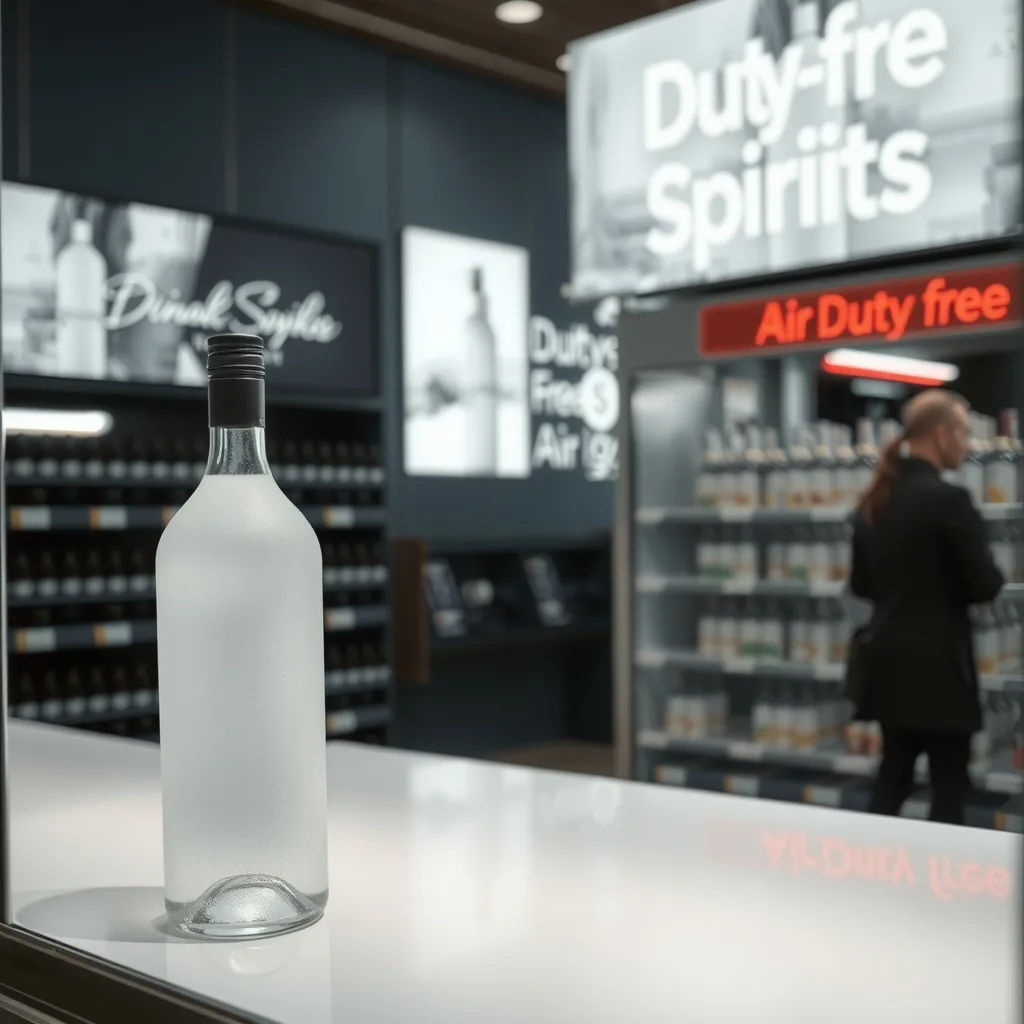
What if the smooth, expensive bottle you’ve been saving for a special occasion tastes almost the same as the cheap one in the freezer? That question drives the “best vodka” debate, and the honest answer is more complicated than any top-ten list admits. Law defines vodka as a drink with no distinctive character, aroma, taste, or color. So when a bottle claims to be the best, what is it claiming? This article explains how vodka is made, why price and quality do not line up the way shoppers expect, and how to choose a bottle that fits how you drink.
What “Best” Even Means for Vodka
Most spirit categories reward complexity. A single malt scotch can be judged on the depth of its barrel influence; a gin on the balance of its botanicals. Vodka runs in the opposite direction. Under EU Regulation 2019/787, which took effect in May 2021, a spirit may only be labeled vodka if it has no distinctive organoleptic characteristics beyond a clean taste, and it must be at least 37.5% alcohol by volume.
The US rules follow a similar logic. Under 27 CFR Part 5, vodka is neutral spirits distilled or treated after distillation at not less than 40% ABV, bottled at no less than 37.5% ABV, and described as being “without distinctive character, aroma, taste, or color.”
Read those definitions closely and a strange truth appears: the legal standard for vodka is near-neutrality. A distiller who leaves in bold, funky, memorable flavors may be making something delicious, but under the strict definition, it’s drifting away from vodka. That means “best” can’t mean “most flavorful” in the way it does for whiskey. It has to mean something closer to “cleanest, smoothest, and most suited to how you’ll use it.”
Clean, Smooth, and the Limits of Language
Tasting notes for vodka lean on a small vocabulary: clean, crisp, soft, rounded, peppery, oily, hot. Professionals do detect real differences. Grain-based vodkas often read slightly sweet or bready; potato vodkas can feel fuller and creamier in the mouth; molasses-based spirits sometimes carry a faint mineral edge. But these differences are subtle, and they shrink further once a bottle is chilled and mixed.
That subtlety is exactly why marketing matters so much in this category. With so little to distinguish one bottle from another on paper, brands compete on story: glacier water, hundred-year heritage, charcoal filtered a dozen times. Some of those stories are true. None of them are regulated, and none guarantee a better drink.
How Vodka Is Actually Made

Understanding the process helps separate real quality signals from decoration.
- Fermentation. A base material, usually grain, corn, potato, or molasses, is fermented into a low-alcohol wash.
- Distillation. The wash is distilled, often in column stills, to a very high proof. This strips out most congeners, the flavor compounds that give whiskey and rum their character.
- Treatment. The spirit may be filtered, commonly through activated charcoal, though not always.
- Dilution. Distillers add water to bring the strength down to bottling level.
- Bottling. The finished spirit goes into glass, usually without aging.
Each step offers a place to cut corners or spend money. A slow, careful distillation and a clean water source cost more than a fast, hot one. But here’s the catch: because the legal target is neutrality, a very well-made cheap vodka and a very well-made expensive vodka can land in a similar place. The gap between them is real but narrow, and it’s smaller than the gap in price suggests.
The Filtration Question
Charcoal filtration is the most talked-about step, and also the most oversold. Neither the EU nor the US definition requires it. Filtration can round off rough edges and remove some harsh compounds, which is a genuine benefit for a budget spirit. But claims that heavy filtration makes a vodka objectively superior are contested, and independent testing to settle the argument is hard to find.
Practically, filtration is a tool, not a badge. A distiller who starts with a clean, well-cut spirit may need very little of it. A distiller selling a rougher spirit may filter heavily to compensate. You can’t tell which is which from the label.
Does Price Predict Quality?
Shoppers instinctively assume the $60 bottle beats the $15 bottle. For vodka, that assumption deserves skepticism. There’s no peer-reviewed research establishing a reliable price-to-quality link in this category, and the legal definition actively works against the idea that expensive vodka is more “vodka-flavored” than cheap vodka.
What price does buy is often real but indirect:
| What you pay for | Does it change the liquid? | Does it change the experience? |
|---|---|---|
| Base material and distillation care | Sometimes, modestly | Yes |
| Filtration and water source | Sometimes | Yes |
| Bottle design and marketing | No | Yes, strongly |
| Brand prestige | No | Yes, in social settings |
| Rarity or small-batch production | Sometimes | Yes |
A beautiful bottle and a well-told story are legitimate reasons to buy something. They just aren’t evidence about what’s inside. The practical move is to separate the two questions: do you want the best liquid for mixing, or do you want a bottle that feels special to pour for guests? Those are different purchases, and pretending otherwise is how people overspend.
How to Judge a Bottle Yourself
The most reliable test is the one professionals use: blind tasting. Judging panels typically pour samples without labels to reduce brand bias. That’s a methodological choice, not a guarantee of objectivity, but it beats reading the back label.
Here’s a home version that actually works.
- Buy a range, not a favorite. Pick three or four bottles at different prices, ideally including one budget option and one premium one.
- Pour blind. Have someone else label the glasses with numbers, or cover the bottles. Keep the pours identical in size.
- Start neat at room temperature. Warm vodka shows its flaws. Note the first impression, the mid-palate, and the finish. Is it hot, oily, sweet, thin, or harsh?
- Add a splash of water. This lowers the alcohol burn and lets subtler notes surface, the same trick whiskey drinkers use.
- Chill and repeat. Most people drink vodka cold, and cold mutes both flaws and virtues. Judge it the way you’ll actually serve it.
- Mix one. A vodka soda or a martini is the real-world test. Does the spirit disappear cleanly, or does it fight the other ingredients?
Do this once and the results are often humbling. Plenty of drinkers discover their favorite is mid-priced, and that the bottle they bought for the label finishes last.
Common Mistakes Buyers Make
The biggest error is trusting the freezer test alone. Ice-cold vodka tastes smooth because cold numbs the tongue, not because the spirit is exceptionally clean. Another is assuming “more distillations” means better; the number is a production detail, not a quality grade. A third is buying the most expensive bottle for mixing, where its subtleties vanish under juice or tonic. Finally, many shoppers overlook base material entirely, even though grain, potato, corn, and molasses vodkas genuinely feel different in the glass. If you want a fuller, creamier texture, a potato vodka is worth trying; if you want crisp and neutral, grain is the safer bet. The same logic of matching texture to use applies across the spirits world, much like choosing between 4c hair and looser textures when picking a routine: the “best” option depends entirely on what you’re working with.
Matching the Bottle to the Job
The single most useful buying decision isn’t which vodka is best overall. It’s which vodka is best for what you’re doing with it.
For mixing. A clean, neutral, mid-priced bottle is ideal. You want something that disappears into a cocktail without dragging a harsh edge along. Spending more here rarely pays off, because the mixer masks exactly the subtleties you paid for.
For sipping neat or on ice. This is where a step up in price can make sense. Look for a softer finish and a rounder mouthfeel. Serve it chilled but not frozen solid, so you can still taste it.
For a martini. You want a vodka with enough texture to hold its own against vermouth but no aggressive burn. Texture matters more than aroma here, which is why fuller-bodied styles often shine.
For gifting. Bottle design, brand story, and presentation become legitimate factors. Just be honest with yourself that you’re buying a gift, not a flavor upgrade.
There’s a useful parallel in how people shop for hair and beauty products: the best product is the one that fits the specific job, not the one with the highest price tag or the most elaborate label. A reader comparing 2b hair routines quickly learns that a product marketed as premium doesn’t automatically suit their hair, and vodka works the same way. Fit beats prestige.
Serving and Storing Without the Myths
No official body sets a “best” serving temperature for vodka, and the labeling rules govern strength and description, not how you drink it. That leaves room for practical judgment.
Cold is the default for good reason: chilling suppresses alcohol heat and makes the spirit feel smoother. But freezing it solid is a mistake if you actually want to taste what you bought. A refrigerator, or a brief stint in the freezer for a mixing bottle, is usually enough.
Storage is simple. Keep bottles upright, away from direct sunlight and heat. Vodka doesn’t improve with age in the bottle the way wine does, and an opened bottle will slowly soften and flatten over many months. It won’t spoil in the food-safety sense, but it won’t be at its best either. Buy sizes you’ll finish.
One more practical note: measure. A heavy hand is the most common reason a homemade martini tastes harsh, and it has nothing to do with which bottle you chose. A jigger solves more “bad vodka” problems than an upgrade does.
The Honest Answer to “Best”
If you want a single recommendation, it doesn’t exist in any defensible form. There is no official standard for best vodka, no scientific ranking, and no reliable shortcut around tasting for yourself. Awards from spirits competitions reflect the preferences and scoring methods of specific panels, which is useful information but not a verdict.
What does exist is a clear set of decisions. Choose a base material that matches the texture you like. Decide whether the bottle is for mixing, sipping, or gifting. Set a budget that reflects which of those jobs you’re doing. Then taste blind, at the temperature you’ll actually drink it, and let your own tongue settle the argument.
The best vodka, in the end, is the one that does its job cleanly and doesn’t ask you to pay for a story you can’t taste. That’s a lower bar than the marketing suggests, and a much more useful one. Whether you’re comparing premium labels or working through the finer points of the row of options on a store shelf, the method is the same: taste first, trust the label second.
Frequently Asked Questions
Is expensive vodka actually better?
Not reliably. There’s no established research linking price to quality in vodka, and the legal definition pushes all vodka toward neutrality. Price often reflects bottle design, marketing, and brand prestige more than the liquid. Taste blind at the temperature you’ll serve it and decide for yourself.
What is the smoothest vodka?
Smoothness usually comes from clean distillation, a good water source, and chilling. Cold numbs the tongue, so almost any vodka tastes smoother straight from the freezer. To judge real smoothness, taste at room temperature first, then chilled, and compare a few bottles side by side.
Does vodka have to be flavorless by law?
Under EU rules, vodka may only carry that name if it has no distinctive characteristics beyond a clean taste. US rules describe it as neutral spirits without distinctive character, aroma, taste, or color. In practice, subtle differences exist, but bold flavor is technically a departure from the category.
What is vodka made from?
Most commonly grain, corn, potato, or molasses. The EU definition requires ethyl alcohol of agricultural origin but doesn’t mandate one feedstock. Base material affects mouthfeel more than flavor: potato styles often feel creamier, while grain styles tend to taste crisper and more neutral.
Does charcoal filtration make vodka better?
It can help, but it isn’t required and isn’t a quality grade. Filtration smooths rough edges and removes some harsh compounds, which benefits budget spirits especially. Claims that heavy filtration makes a vodka objectively superior are contested, and independent testing is scarce.
How should I store vodka?
Upright, away from sunlight and heat. Vodka doesn’t improve with age in the bottle, and opened bottles slowly soften over months. Chilling before serving is fine, but freezing solid mutes the flavors you paid for. Buy bottle sizes you’ll realistically finish.









