


What if the most famous ab exercise in the world is also the one you can most safely skip? Sit-ups have been a gym-class staple for generations, yet a growing number of trainers, physical therapists, and strength coaches have quietly pushed them to the side. The reason is not that sit-ups are evil. It is that they are one option among many, and often not the best one for the average person with a desk job and a temperamental lower back.
The good news is that the core does not care about tradition. It responds to tension, control, and progressive challenge, and plenty of exercises deliver all three without a single rep of spinal crunching. This guide walks through what actually works, what to watch out for, and how to build a routine that trains the abs from every angle. (Sun protection tanning tan without wrecking your skin)
Why People Are Moving Away From Sit-Ups
A sit-up is a spinal flexion exercise. You curl the torso toward the hips, loading the rectus abdominis while repeatedly bending the lumbar spine under load. For some people, that is fine. For others, especially those who sit for long hours or have a history of back discomfort, repeated flexion can aggravate the very area they are trying to strengthen.
There is also a practical issue: sit-ups are easy to cheat. Most people generate momentum with the hip flexors, yank on the neck, and finish the set feeling the wrong muscles working. The exercise looks productive while delivering a fraction of the intended stimulus.
The modern approach flips the emphasis. Instead of bending the spine, many trainers now favor anti-movement work: exercises where the job of the core is to resist extension, rotation, or side bending. That mirrors how the trunk actually functions in daily life, bracing to keep the spine stable while the arms and legs do the moving. It is the same logic that shows up in other detail-obsessed disciplines, where the goal is control rather than force. Think of how a careful kitchen renovation hinges on small alignment decisions, as described in this guide to pairing a kitchen countertop and backsplash without visual clutter: the structure only works when the pieces line up. A stable trunk is that alignment for the body.
What the Core Actually Does
Before choosing exercises, know what you are training. The core is more than the six-pack muscle. It includes:
- The rectus abdominis, the front sheet that flexes the trunk
- The external and internal obliques, which rotate and side-bend the torso
- The transverse abdominis, a deep muscle that acts like a corset around the waist
- The erector spinae and other back muscles that resist forward collapse
- The diaphragm and pelvic floor, which work with the deep core during breathing and bracing
A well-rounded program hits all of these. That means some anti-extension work, some anti-rotation work, some lateral stability, and some carries or loaded holds. Sit-ups only cover one small slice of that pie, and they do it in a way that is easy to perform badly.
The Best Sit-Up Alternatives, Ranked by Purpose
Anti-Extension: Planks and Their Cousins
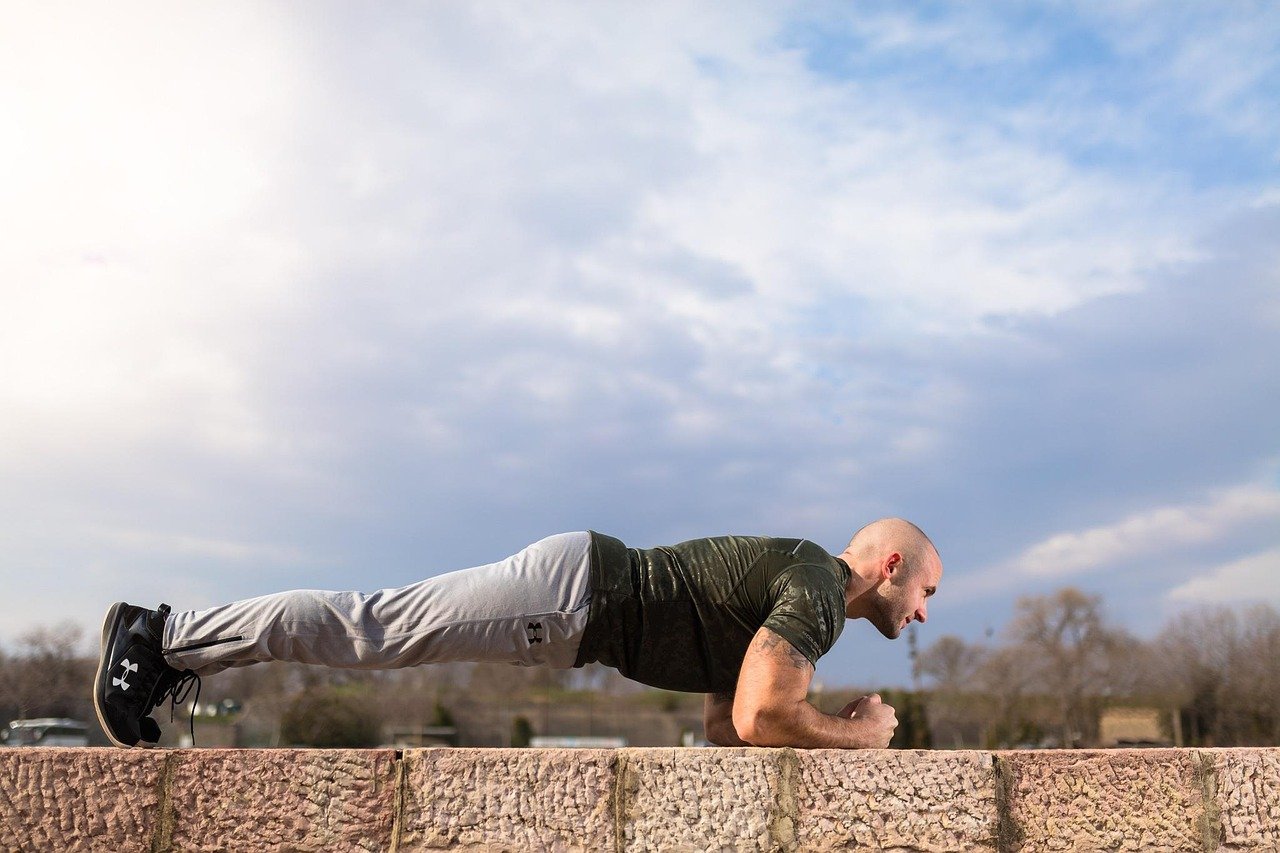
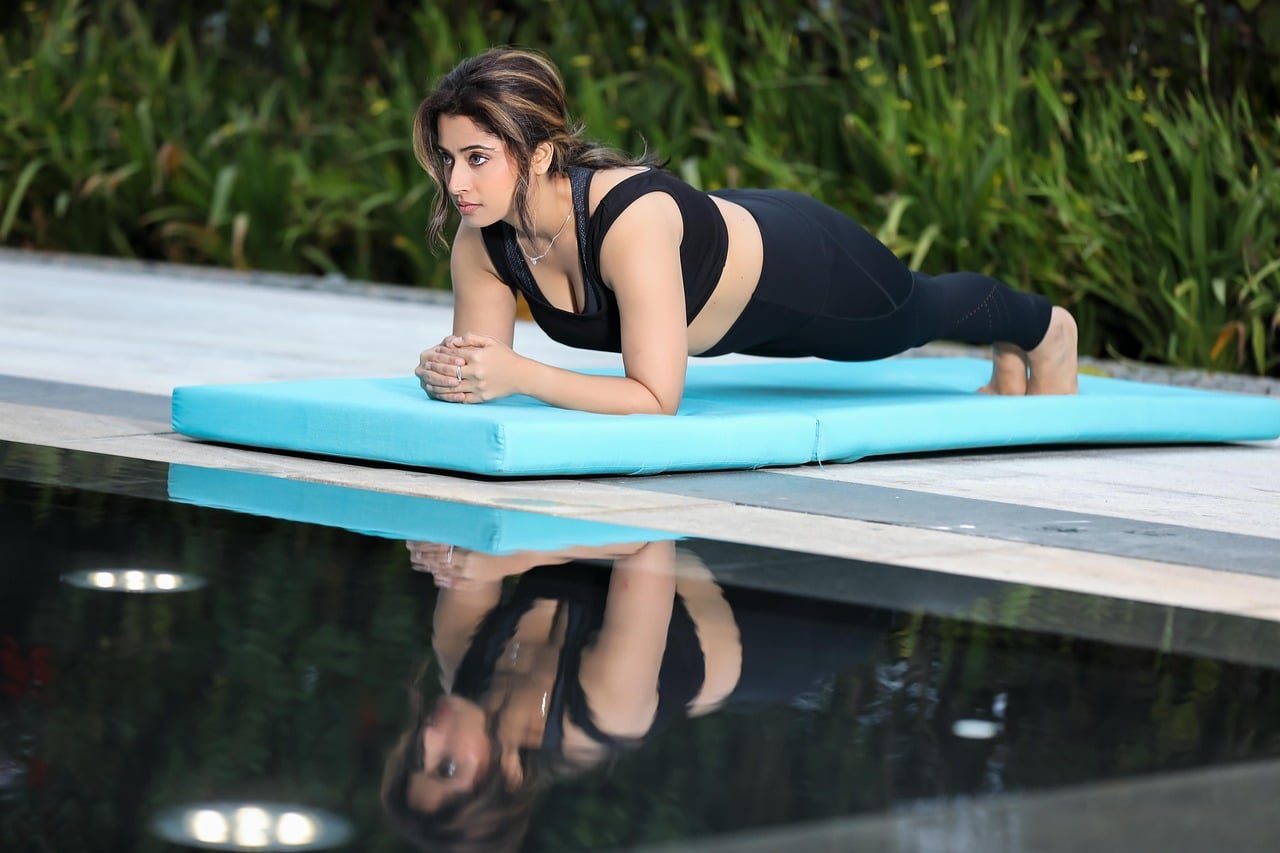
The plank is the classic anti-extension exercise. The body holds a straight line from head to heels while the core resists the pull of gravity, which wants to sag the lower back. Done well, it teaches full-body tension and breathing under load.
Common mistakes are predictable. People let the hips drop, hike the hips too high, or hold their breath. A better approach is to start with a shorter hold, maybe 20 to 30 seconds, and focus on squeezing the glutes and pulling the belly button gently toward the spine. Quality beats duration every time. If you can hold a plank for three minutes but your hips are sagging, you are practicing a bad position.
Variations worth rotating in:
- Knee plank for beginners
- Forearm plank for a slightly easier wrist position
- Plank with shoulder taps to add anti-rotation demand
- Body saw or reverse plank for advanced trainees
Anti-Rotation: The Pallof Press and Suitcase Carry
Rotation is where the obliques shine, but not by twisting under heavy load. The Pallof press uses a cable or band to pull the torso sideways while you press straight out and resist the twist. The suitcase carry does the same thing with a heavy weight in one hand: walk without leaning, and the obliques and deep stabilizers work hard to keep you upright. (Sync grades between lms sis without losing data)
These exercises are deceptively simple. The first set feels easy. By the third set, the side of your waist is on fire. They also translate well to real life, where carrying groceries or a heavy bag on one side is a daily occurrence.
Anti-Lateral Flexion: Side Planks
The side plank trains the obliques and the quadratus lumborum, a deep muscle that stabilizes the lower back. It is one of the most efficient core exercises available because it demands lateral stability without any spinal bending.
Start on the forearm with knees bent, then progress to a full side plank with feet stacked. Keep the hips lifted and the body in a straight line. If the shoulder complains, drop to the knee version and build up gradually.
Coordination and Control: Dead Bugs and Bird Dogs
The dead bug and the bird dog are favorites in rehabilitation settings because they train the trunk to stay still while the limbs move. That is exactly the skill most people lack.
In a dead bug, you lie on your back with arms up and knees bent at 90 degrees, then slowly extend one arm and the opposite leg toward the floor while keeping the lower back pressed down. In a bird dog, you start on hands and knees and extend one arm and the opposite leg, holding for a beat.
These look gentle. They are not easy when done slowly and with full control. The temptation is to rush, and rushing defeats the purpose. Move like you are balancing a glass of water on your lower back.
The Spine-Sparing Big Three
A well-known trio of exercises, often called the big three, combines a modified curl-up, a side plank, and a bird dog. The modified curl-up is the closest thing to a sit-up on the list, but it is deliberately small: hands under the lower back, one knee bent, head and shoulders lifted just a few inches, no full crunch. The point is to train the abs while keeping the spine in a neutral, supported position.
This trio is popular because it is accessible, requires no equipment, and can be scaled for almost any fitness level. It is a sensible starting point for anyone who wants core strength without the wear and tear of repeated full sit-ups.
Building a Routine That Fits Real Life
A core routine does not need to be long. Ten to fifteen minutes, two or three times per week, is enough to see progress if the exercises are challenging and progressive. The general guidance for healthy adults is muscle-strengthening activity on at least two days per week, which fits core work neatly into an existing strength program.
Here is a simple template that covers all the bases:
| Goal | Exercise | Sets and Reps |
|---|---|---|
| Anti-extension | Forearm plank | 3 x 20-40 seconds |
| Anti-rotation | Pallof press | 3 x 8-12 per side |
| Lateral stability | Side plank | 3 x 15-30 seconds per side |
| Coordination | Dead bug | 3 x 6-10 per side |
| Loaded carry | Suitcase carry | 3 x 20-30 meters per side |
Rotate exercises every few weeks to keep the stimulus fresh. Progress by adding time, reps, or load, not by adding more exercises. A handful of movements done well beats a long list done sloppily.
Common Mistakes That Undermine Core Training
Even good exercises go wrong in predictable ways. Watch for these:
- Holding your breath. The core works best when you breathe behind the brace. Exhale on the effort, inhale on the return.
- Chasing burn instead of control. A shaky plank held for 20 clean seconds beats a sloppy one held for 90.
- Ignoring the glutes. The hips and core work as a team. Squeeze the glutes during planks and carries.
- Skipping the back side. Core training covers more than the front. Include back extensions and carries to balance things out.
- Training abs every day. Muscles need recovery. Two or three focused sessions per week is enough.
There is also a broader lesson here about patience and process. Progress in core training comes from consistent, unglamorous practice, much like mastering a skill that rewards repetition over shortcuts. The same mindset applies to learning the rules of a party game before the chaos starts, as this breakdown of Kings cup rules shows: a little preparation prevents a lot of mess. Core work is no different. Set the rules, practice the basics, and the results follow.
Who Should Be Careful
Core exercises are generally safe, but not universally so. Anyone with low back pain, a recent injury, a hernia, or a history of spinal surgery should get individual guidance from a clinician before starting a new routine. General sources consistently advise avoiding exercises that provoke pain, and that advice applies here.
Pregnant readers and those postpartum should also seek tailored advice, since the core and pelvic floor change significantly during and after pregnancy. A generic routine is not a substitute for professional assessment.
For everyone else, the main risk is doing too much too soon. Soreness is normal in the first week. Sharp pain is not. If something hurts in a way that feels wrong, stop and reassess.
How to Progress Without Adding Sit-Ups
Progression is where most people stall. They find a routine, do it for a month, and then wonder why nothing changes. The fix is to make the exercises harder in small, deliberate steps.
For planks, move from knees to feet, then add shoulder taps, then elevate the feet. For side planks, go from knees to feet, then add a hip dip or a reach-through. For dead bugs, extend the limbs further from the body or slow the tempo. For carries, add weight or distance.
Another underrated progression is unilateral work. Training one side at a time exposes weaknesses and forces the core to stabilize against rotation. Single-arm carries, single-leg planks, and offset loaded holds all fit here.
Finally, do not neglect the rest of your training. A strong core supports heavy squats, deadlifts, and overhead presses, and those compound lifts in turn challenge the core in ways isolation exercises cannot. The best core program is one that lives inside a broader strength plan, not apart from it.
Conclusion
Sit-ups are not the villain of the fitness world, but they are also not the only path to a strong midsection. The core is a complex system of muscles that responds best to variety, control, and progressive challenge. Planks, side planks, Pallof presses, carries, dead bugs, and bird dogs cover more ground than a hundred crunches ever could, and they do it with far less strain on the lower back.
The practical takeaway is simple. Pick four or five exercises from different categories, train them two or three times a week, and progress slowly. Breathe. Keep the spine neutral. Stop when form breaks down. Do that for a couple of months and the difference will show up in how you move, how you carry, and how your back feels at the end of a long day. The abs will follow.
Frequently Asked Questions
Are sit-ups bad for your back?
Not automatically. Sit-ups involve repeated spinal flexion under load, which some people tolerate fine and others do not. People with existing low back pain or a history of injury are usually better off with anti-movement exercises like planks and carries. Anyone with persistent pain should get individual guidance rather than relying on general advice.
How often should you train your abs?
Two or three focused sessions per week is enough for most people, especially when core work is part of a broader strength program. Muscles need recovery to adapt, so daily ab training is unnecessary and can slow progress. Consistency over months matters far more than frequency within a single week.
Can you build abs without any equipment?
Yes. Bodyweight exercises like planks, side planks, dead bugs, bird dogs, and hollow holds require nothing but floor space. Equipment like cables and bands adds variety and makes anti-rotation work easier to load, but it is optional. A well-structured bodyweight routine can build solid core strength on its own.
How long does it take to see results?
Most people notice better control and less back fatigue within three to four weeks of consistent practice. Visible changes in muscle definition depend on overall body composition and take longer, often several months. Strength gains tend to come first, and appearance follows when training and nutrition are both in place.
Is a plank better than a sit-up?
They train different things. A plank is an anti-extension exercise that teaches the core to resist movement, while a sit-up trains spinal flexion. For most people, especially those who sit a lot, the plank and its variations offer a better return with less strain on the lower back. Neither is mandatory, and a mix of anti-movement patterns covers more ground.
What is the best core exercise for beginners?
The dead bug is one of the safest starting points. It teaches bracing and limb control while lying on the back, so there is minimal load on the spine. A knee plank and a knee side plank are good next steps. Once those feel controlled, progress to full planks and loaded carries.









