

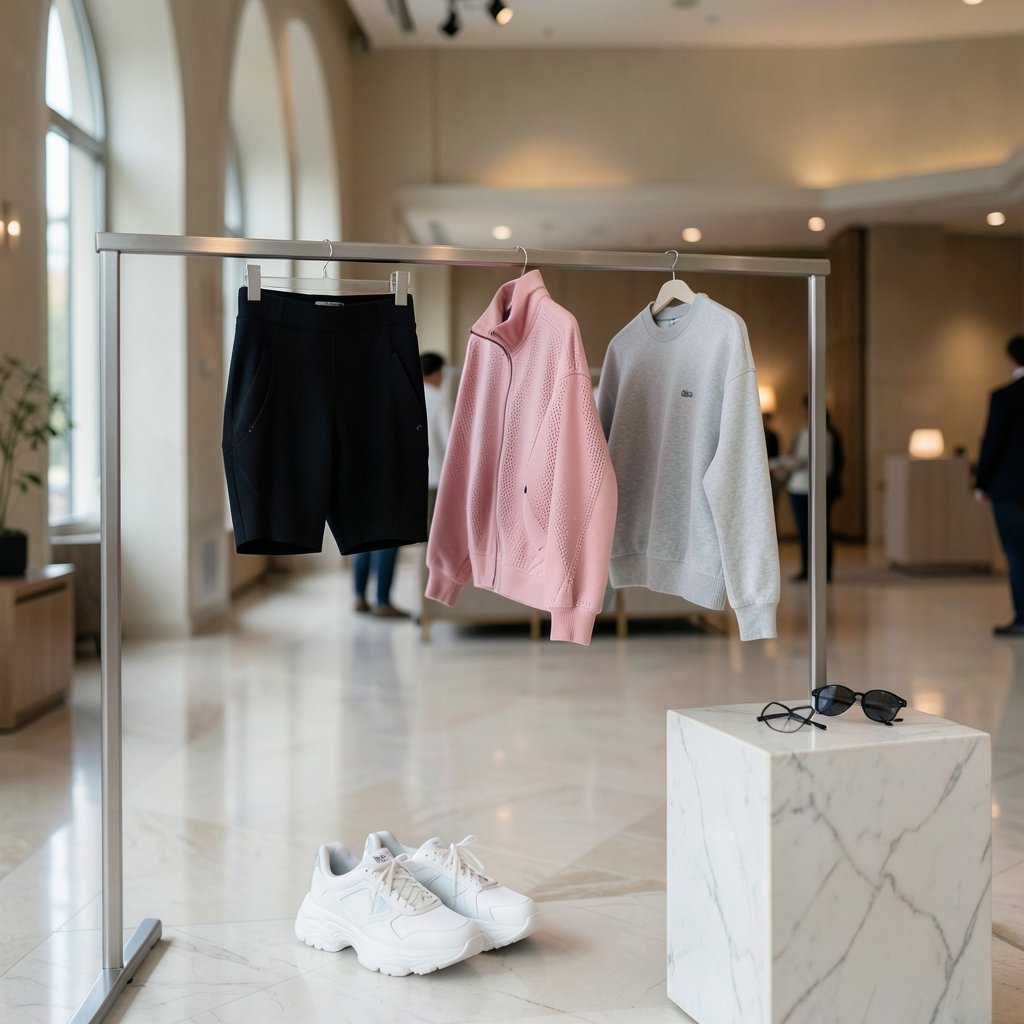
What do cycling shorts, tiny sunglasses, and a burning pile of luxury stock have in common? They all tell the story of 2018 clothes, a year when fashion swung hard toward the 1990s, got loud about logos, and started asking uncomfortable questions about where its clothes came from.
For anyone trying to understand why wardrobes look the way they do now, 2018 is a surprisingly useful year to study. It was messy, fast, and full of contradictions. Designers revived the past while the industry argued about its future. Athleisure kept climbing, sneakers became currency, and sustainability moved from a niche talking point to a boardroom problem. This article walks through the trends, the mistakes shoppers made, and what still holds up when you shop for clothes today.
Why 2018 Was a Pivot Year for Fashion
Fashion years rarely have clean borders, but 2018 had a distinct personality. The dominant mood was nostalgia with a sporty edge. The 1990s and early 2000s came back in full force: cycling shorts worn outside the gym, fanny packs slung across the chest, bucket hats, and logo-heavy sportswear. Fashion press widely reported these revivals throughout the year, and retailers responded fast.
What made 2018 different from earlier revival cycles was speed. Trends moved from runway to fast-fashion copycat within weeks. A look that appeared in spring editorials could be hanging in a discount store by summer. That velocity created a strange side effect: shoppers bought more trend pieces than ever, and many of those pieces fell apart or fell out of favor within a season.
The year also had real cultural anchors. The 2018 FIFA World Cup, held in Russia from 14 June to 15 July, pushed replica football shirts and sportswear into everyday wardrobes far beyond actual fans. And the Met Gala’s May 2018 theme, “Heavenly Bodies: Fashion and the Catholic Imagination,” put theatrical, ornate dressing on the global stage. Both moments fed the same appetite: clothes as statement, not just utility.
The Trends That Defined 2018 Clothes

Sportswear Ate Everything
Athleisure was already established by 2018, but the year pushed it further. Leggings, sneakers, and technical jackets became default everyday wear rather than something reserved for the gym. A gorpcore-adjacent look, meaning hiking-style footwear and outdoor technical jackets worn in cities, gained visible traction. The logic was simple: comfort won, and shoppers stopped apologizing for it.
This is also where 2018 clothes still influence what people buy. If you reach for a breathable baby clothes set, a stretchy legging, or a lightweight technical jacket today, you are buying into a norm that 2018 helped normalize. Comfort stopped being a compromise and became the point.
Tiny Sunglasses and Big Statements
The tiny sunglasses trend, small narrow frames often compared to Matrix styling, was one of the year’s most meme-able accessories. It was widely reported as a defining spring/summer 2018 look, associated with brands like Balenciaga and Gentle Monster. Practical? Not remotely. Influential? Enormously. The trend proved that in 2018, an accessory did not need to be useful to spread. It needed to photograph well.
Logos, Logos, Logos
Logo-heavy sportswear dominated. Brand names printed across chests, repeated on waistbands, and plastered on accessories signaled a specific 2018 attitude: visible branding as status. This was the opposite of quiet luxury. It was loud, and it was intentional.
Bum Bags and Bucket Hats
Two humble items returned with force. The fanny pack, worn cross-body, became a practical streetwear staple. The bucket hat shed its fishing-trip reputation and turned into a festival and street-style favorite. Both are good examples of a pattern worth remembering: in 2018, the least likely item often became the most fashionable one.
What 2018 Clothes Got Wrong: Common Shopper Mistakes
Trend years create predictable shopping errors. Looking back, a few stand out clearly.
- Buying the trend, not the garment. Many shoppers bought tiny sunglasses or logo pieces that only worked in one specific outfit context. The item sat unworn after a month.
- Ignoring fabric quality for the look. Fast-fashion copies of runway pieces often used thin, scratchy synthetics. The silhouette was right; the feel was wrong. This is the single most common mistake in any trend year.
- Over-buying disposable trend pieces. A wardrobe built entirely on one season’s novelty items has no base layer. Basics got neglected.
- Sizing up or down to force a fit. Cycling shorts and fitted sportswear exposed how often people buy the wrong size rather than the right brand. Fit beats label every time.
- Skipping the wash-care check. Technical fabrics and printed logos often degrade fast with hot washing. Reading the care label before buying saves a garment’s life.
What actually works, in practice, is boring but reliable: buy one trend piece per season, not five. Anchor it to well-made basics you already own. Check seams, stretch the fabric gently, and look at the inside of the garment, not just the front. If the inside looks cheap, it is cheap.
The Sustainability Reckoning That Started in 2018
Here is where 2018 clothes get genuinely interesting. The year was not just about aesthetics. It was the moment the fashion industry’s environmental record moved into mainstream scrutiny.
The UK Parliament’s Environmental Audit Committee ran an inquiry into the sustainability of the fashion industry during 2018, taking evidence that year and publishing its report, “Fixing fashion: clothing consumption and sustainability,” in February 2019. The inquiry put fast fashion’s waste and labor practices under public examination in a way that reached beyond specialist audiences.
The same year brought a striking corporate moment. After reporting that it had destroyed unsold goods worth £28.6 million in its 2017–18 financial year, Burberry announced in September 2018 that it would stop the practice. The story traveled widely because it made an abstract problem concrete: unsold clothes being deliberately destroyed while production kept accelerating.
Context mattered too. The Ellen MacArthur Foundation’s 2017 report, “A New Textiles Economy,” estimated that clothing production had roughly doubled between 2000 and 2015, while consumers wore garments fewer times before discarding them. Published in late 2017, it became a core reference point in the 2018 debate. The fashion rental and resale market was already expanding in 2018, with rental services and secondhand platforms growing as viable alternatives to buying new.
None of this fixed fast fashion overnight. But 2018 is when the conversation shifted from “should we care” to “how do we measure this.” That shift is still playing out in how clothes are marketed today, and it shapes what shoppers expect to see on a label.
How 2018 Trends Still Shape What You Buy Now
Trends do not vanish. They compress and resurface. Several 2018 signatures are still visible in current wardrobes, which makes the year useful reference material rather than a nostalgia trip.
| 2018 Signature | What It Looked Like | Where It Shows Up Now |
|---|---|---|
| Athleisure dominance | Leggings and sneakers as daily wear | Soft, stretch-led everyday clothing |
| Technical outerwear | Hiking-style jackets in cities | Lightweight weatherproof layering |
| Logo sportswear | Visible brand names | Retro logo revivals and sporty branding |
| Bum bags | Cross-body belt bags | Hands-free bags as standard |
| Bucket hats | Festival and street style | Summer accessory staple |
| Sustainability pressure | Inquiry, resale growth | Care labels, resale, rental options |
If you are shopping for current trends and want to see how the 2018 playbook evolved, tracking trending clothes 2026 is a practical way to spot which revivals have legs and which are already fading. The pattern is remarkably consistent: comfort-driven pieces survive, novelty accessories cycle fast.
The same logic applies to kidswear, where 2018’s sporty, comfort-first influence never really left. Parents shopping for cute summer baby clothes today are effectively inheriting a wardrobe philosophy that 2018 helped cement, one where softness and movement matter more than stiff formal styling. And for anyone drawn to the logo-heavy, statement-driven side of 2018, browsing designer baby clothes shows how premium branding trickled down into every category, including the smallest sizes.
Practical Lessons From a Trend-Heavy Year
A few habits separate people who dress well from people who keep rebuying the same mistakes. These come straight from watching how 2018’s trends aged.
- Prioritize fabric over print. A plain garment in a good material outlasts a loud garment in a bad one every time.
- Test breathability before you commit. Sportswear-inspired pieces only work if they actually breathe. This matters for adults and even more for breathable baby clothes, where overheating is a real concern rather than a style quibble.
- Buy the fit, not the size on the tag. Sizes vary wildly between brands. Measure once and remember the numbers.
- Limit novelty to one piece per outfit. A single statement item reads as style. Three reads as costume.
- Check construction at the seams and hems. Pull gently. If it distorts easily, it will distort in the wash.
- Ask how many wears you will get. If the honest answer is under five, the price per wear is bad no matter how cheap the item is.
The 2018 wardrobe, reviewed honestly, was a mixed bag. It gave the world comfortable everyday dressing and a genuine sustainability wake-up call. It also encouraged a lot of disposable buying. The useful takeaway is not to copy the year but to borrow its better instincts: comfort, practicality, and a little more scrutiny about where clothes come from.
Conclusion
2018 clothes were loud, nostalgic, and contradictory. Tiny sunglasses sat alongside parliamentary inquiries. Cycling shorts shared shelf space with resale platforms. The year pushed sportswear into everyday life, made visible branding cool again, and forced the fashion industry to answer harder questions about waste and production.
The most durable lesson is simpler than any trend report. Clothes work best when comfort, fit, and material quality come first, and when novelty is a garnish rather than the whole meal. Trends will keep cycling back, and the 1990s will keep returning in new packaging. What changes is how carefully shoppers choose. That is the part of 2018 worth carrying forward.
Frequently Asked Questions
What were the biggest clothing trends in 2018?
The defining 2018 trends were 1990s and early-2000s revivals: cycling shorts, fanny packs worn cross-body, bucket hats, tiny sunglasses, and logo-heavy sportswear. Athleisure and technical outdoor wear also grew, supported by the 2018 FIFA World Cup’s effect on sportswear demand.
Why were tiny sunglasses so popular in 2018?
Tiny sunglasses became a defining spring/summer 2018 accessory, widely reported in fashion press and associated with brands like Balenciaga and Gentle Monster. They spread because they photographed well and signaled trend awareness, not because they offered practical sun protection.
Did 2018 change how the fashion industry handles sustainability?
It moved the issue into mainstream debate. A UK parliamentary committee took evidence on fashion sustainability during 2018, and Burberry announced in September 2018 that it would stop destroying unsold stock. Clothing production had roughly doubled between 2000 and 2015, according to a widely cited 2017 report, which fueled the pressure.
What mistakes did people make buying 2018 clothes?
The most common errors were buying trend pieces that only worked in one outfit, accepting poor fabric quality for the right silhouette, over-buying disposable novelty items, and choosing the wrong size rather than the right fit. Ignoring care labels on technical fabrics also shortened garment life.
Do 2018 fashion trends still influence clothes today?
Yes. Athleisure, technical layering, cross-body bags, and retro logo sportswear all remain visible. The bigger legacy is comfort-first everyday dressing and greater shopper scrutiny of materials, care labels, and resale options.
How can someone shop trend-led clothing without wasting money?
Buy one statement piece per season and anchor it to well-made basics. Check seams, feel the fabric, confirm the fit by measurement, and estimate how many wears you will realistically get. If the price per wear is poor, skip it regardless of how current the trend is.









