


Is your hair ready for sweater weather, or is it still clinging to summer like a beach towel that refuses to dry? Fall 2026 brings a mood shift to hair that feels less about chasing viral moments and more about looking deliberate. The season’s direction leans toward low-maintenance shapes, deeper color, and texture that behaves well in real life and on camera. This guide covers what is driving the conversation, how to translate runway ideas into salon requests, and the practical mistakes that turn a good idea into a bad hair month.
How Fall 2026 Hair Trends Actually Take Shape
Before diving into specifics, it helps to understand where hair trends come from. Seasonal color palettes are typically forecast and published months, sometimes years, in advance by commercial forecasting bodies, and those palettes influence what salons stock and what stylists pitch. That’s forecasting, not measurement. A color being “predicted” doesn’t mean it will appear on every head in your city.
Editorial coverage tends to blur this line. A runway look, a handful of celebrity sightings, and a spike in platform hashtags get bundled into a trend story. Platform trend data is proprietary and not independently audited, so view counts should be read as platform-reported numbers, not proof of adoption.
The practical takeaway: treat fall 2026 hair trends as a menu of directions, not a rulebook. Regional variation is real. What dominates in one market may barely register in another. And the most useful signal is usually your own stylist, who sees what clients actually request week after week.
The Color Story: Depth, Warmth, and Grown-Out Roots
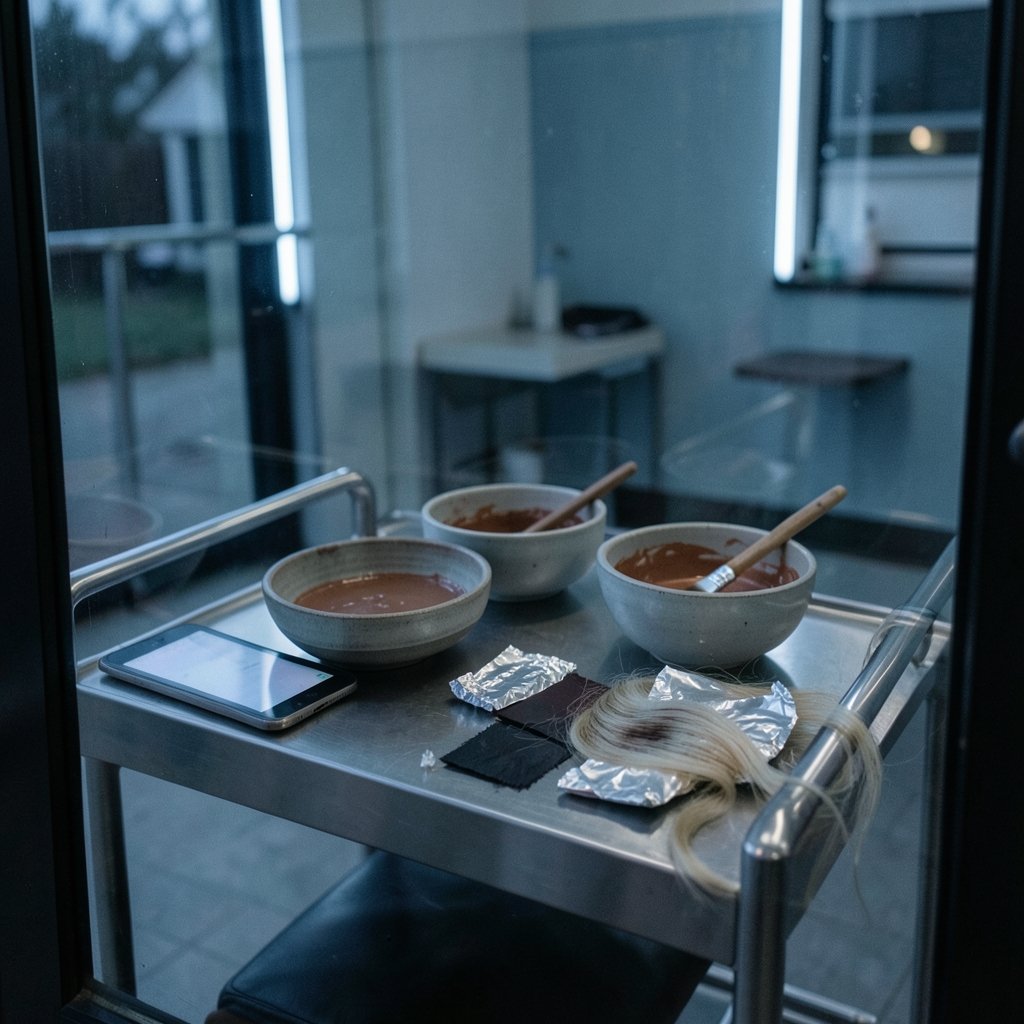
Fall color in 2026 is less about high-contrast drama and more about richness that flatters skin tone and forgives a six-week grow-out. The broader 2026 color trends conversation has pushed warm, wearable tones forward, and hair is following the same logic as fashion and interiors.
Warm browns and soft copper
Warm brunettes, from chestnut to mocha, remain the safest entry point for anyone nervous about maintenance. Copper continues to appear in editorial coverage, but the version that works in practice is muted and multi-tonal rather than flat and saturated. A single-process copper on dark hair often reads brassy within two weeks. A layered approach with a slightly deeper root and a lighter face frame holds its shape far longer.
Low-contrast blondes
Blonde in 2026 skews toward lived-in. Instead of bright, uniform lift, expect softer dimension with a natural root shadow. Anyone planning a big shift should understand the basics of levels and upkeep first, and a solid blonde hair guide explains why a level 7 blonde and a level 10 blonde require completely different maintenance schedules.
The gray-blending question
More clients are asking for colors that soften gray rather than cover it completely. This is a consultation-heavy service. It works best on clients with scattered gray and poorly on clients with a solid white band at the root, where the grow-out line becomes obvious fast.
| Color direction | Maintenance level | Best for | Watch out for |
|---|---|---|---|
| Warm brunette | Low | First-time color clients | Turning muddy on cool undertones |
| Soft copper | Medium to high | Warm undertones, medium depth | Brassiness on dark bases |
| Low-contrast blonde | Medium | Clients wanting brightness without upkeep | Over-lifting fragile mid-lengths |
| Gray-blending tone | Low to medium | Scattered gray | Visible lines on solid gray bands |
Cuts: Shape Over Length
The strongest cut story for the season is structure. Hair that has a clear silhouette looks intentional even on a bad hair day, and that’s the real selling point.
The softened bob and its longer cousin
Blunt bobs keep appearing, but the 2026 version is softer at the perimeter, with slight internal layering so the ends move. The longer relative, a collarbone-grazing cut with minimal layering, suits almost every face shape and hair texture. It’s also the easiest cut to grow out, which matters if you’re unsure about commitment.
Curtain bangs that behave
Curtain bangs remain popular because they’re forgiving. The mistake people make is asking for them too wide or too heavy. A good curtain fringe starts around the arch of the brow and blends into the sides. If your hair is very fine, a lighter, more broken-up fringe prevents the curtain from collapsing into two sad strands by mid-afternoon.
Short crops with texture
Cropped cuts with visible texture are having a moment in editorial coverage, particularly for people with natural curl or wave. The practical requirement is a stylist comfortable with your curl pattern. A crop cut wet and styled straight will look completely different once it dries.
Texture and Finish: The “Done but Not Done” Look
Fall 2026 styling leans toward hair that looks air-dried even when it isn’t. That usually means less heat, more grip, and products that add body without crunch.
What actually works
- Prep on damp hair. A light mousse or volume spray applied to damp roots does more for body than any amount of backcombing later.
- Diffuse, don’t blast. High heat with no airflow control creates frizz. Low heat with movement creates definition.
- Finish with texture, not shine. A dry texturizing spray at the mid-lengths and ends adds grip. Glossy serums belong on the ends only.
Common mistakes
Over-layering product is the most frequent error. Three products on fine hair will flatten it by lunch. Another classic: applying heavy oil at the root to “tame frizz,” which just makes roots look greasy. Frizz control belongs at the mid-lengths and ends, applied on damp hair before drying.
Translating Runway and Editorial Ideas Into a Salon Request
The gap between a trend and a good haircut is usually communication. Clients who bring a photo of someone with a different hair texture, density, and color history often leave disappointed, and it’s rarely the stylist’s fault.
| What to bring | Why it helps | What to skip |
|---|---|---|
| Two or three photos of similar hair texture | Shows the shape you want realistically | One photo of a different texture |
| A note on your styling time budget | Sets realistic expectations | “I want it to look like this with no effort” |
| Your color history, including box dye | Prevents chemical surprises | Assuming the stylist can tell by looking |
| Honest feedback on past cuts | Reveals what you actually maintain | Agreeing to everything in the chair |
The broader fall fashion 2026 direction is useful context here. Hair that pairs with the season’s clothing, meaning softer shapes, richer tones, and less aggressive styling, tends to feel more current than hair that fights the wardrobe.
What’s Shifting Out of Favor
Trends are defined as much by what fades as what arrives. A few directions look tired heading into the season.
Heavy, uniform highlights placed in tight, regular sections read dated. The alternative is a more organic placement that follows the natural fall of the hair.
Extreme length with no shape is losing ground to cuts with a clear perimeter. Very long hair without layers can look heavy and drag the whole silhouette down.
Over-processed platinum is a harder sell as more clients prioritize hair health. The bleach-and-tone cycle has a real cost, and stylists are increasingly steering clients toward dimension over maximum lift.
Rigid, symmetrical styling feels out of step with the relaxed finish that dominates. Even formal looks are being softened with a slightly undone edge.
Building a Fall Hair Plan That Survives November
The most useful thing anyone can do with a trend report is turn it into a calendar. Hair changes look best when they’re spaced sensibly, and fall is a short season.
- Book color first, cut second. Color needs time to settle, and a cut should be shaped around the final tone.
- Schedule a gloss mid-season. A clear or tinted gloss between full color appointments extends tone and adds shine for a fraction of the cost.
- Plan your last major change by early November. Anything dramatic needs six to eight weeks to look intentional rather than new.
- Ask for a home-care plan in writing. Specific products and frequencies beat vague advice.
- Book the next appointment before you leave. Fall and holiday slots fill quickly.
For readers tracking the wider seasonal picture, the fall 2026 trends coverage and the 2026 fashion trends female roundups show how consistently hair is mirroring the move toward warmth, softness, and lower maintenance across categories.
Hair Health: The Trend Nobody Argues With
Underneath every seasonal direction is a simpler shift: people are protecting their hair more. That means spacing out bleach, using bond-building treatments sensibly, and accepting that some colors require a two-appointment process.
A few practical notes. Bond builders are not a substitute for gentle processing; they help, but they don’t make repeated high-lift sessions free. Scalp care matters more than most people think, and a flaky, irritated scalp will undermine any color result. And trim frequency matters: fine hair often needs a cut every six to eight weeks to keep ends looking full, while coarser textures can stretch to ten or twelve.
One more point on regulation. Hair dyes are regulated differently across markets, and ingredient rules change. Anyone with a known sensitivity should patch test before every color service, including the first one, because formulations get reformulated without much fanfare.
Conclusion
Fall 2026 hair trends reward intention over impulse. The strongest looks of the season are softer in shape, richer in tone, and easier to live with on a Tuesday morning. Warm brunettes and muted coppers dominate color conversations, structured bobs and collarbone cuts carry the cut story, and the finish is relaxed rather than polished to a shine.
The real skill is translation. A trend only works if it fits your texture, your color history, your styling time, and your budget. Bring honest photos, ask direct questions, and treat your stylist as a collaborator rather than a vending machine. Do that, and the season’s direction becomes something you actually wear well, long after the leaves are gone.
FAQ
What hair colors are trending for fall 2026?
Warm brunettes, muted coppers, and low-contrast blondes with visible root shadow dominate the conversation. The common thread is dimension rather than flat, single-tone color, because multi-tonal results grow out more gracefully and require fewer salon visits.
Are bobs still in style for fall 2026?
Yes, but the shape has softened. Blunt perimeters are giving way to slightly textured ends and internal layering, and the collarbone-grazing cut has become the more versatile option for people who want length without heavy maintenance.
How often should I get a trim to maintain a fall haircut?
It depends on texture and length. Fine hair usually looks best with a cut every six to eight weeks, while coarser or curlier hair can stretch to ten or twelve. If you’re growing a shape out, ask your stylist to schedule the grow-out rather than the cut.
Is copper hair hard to maintain?
It can be. Copper fades faster than most brunettes, and on dark bases it can turn brassy within a couple of weeks. A layered application with a deeper root and a lighter face frame, plus a tinted gloss between appointments, keeps it looking intentional for longer.
How do I ask for curtain bangs without regretting it?
Bring photos and be specific about width and starting point. Ask for a fringe that begins around the brow arch and blends into the sides, and request a lighter, more broken-up edge if your hair is fine. Also ask how much styling the fringe will need daily before you commit.
Should I change my hair color before or after getting a haircut?
Color first, cut second is the safer order. Color needs time to settle and may shift the shape you want, and a cut performed after coloring can be shaped around the final tone and dimension rather than guessing at it.









