

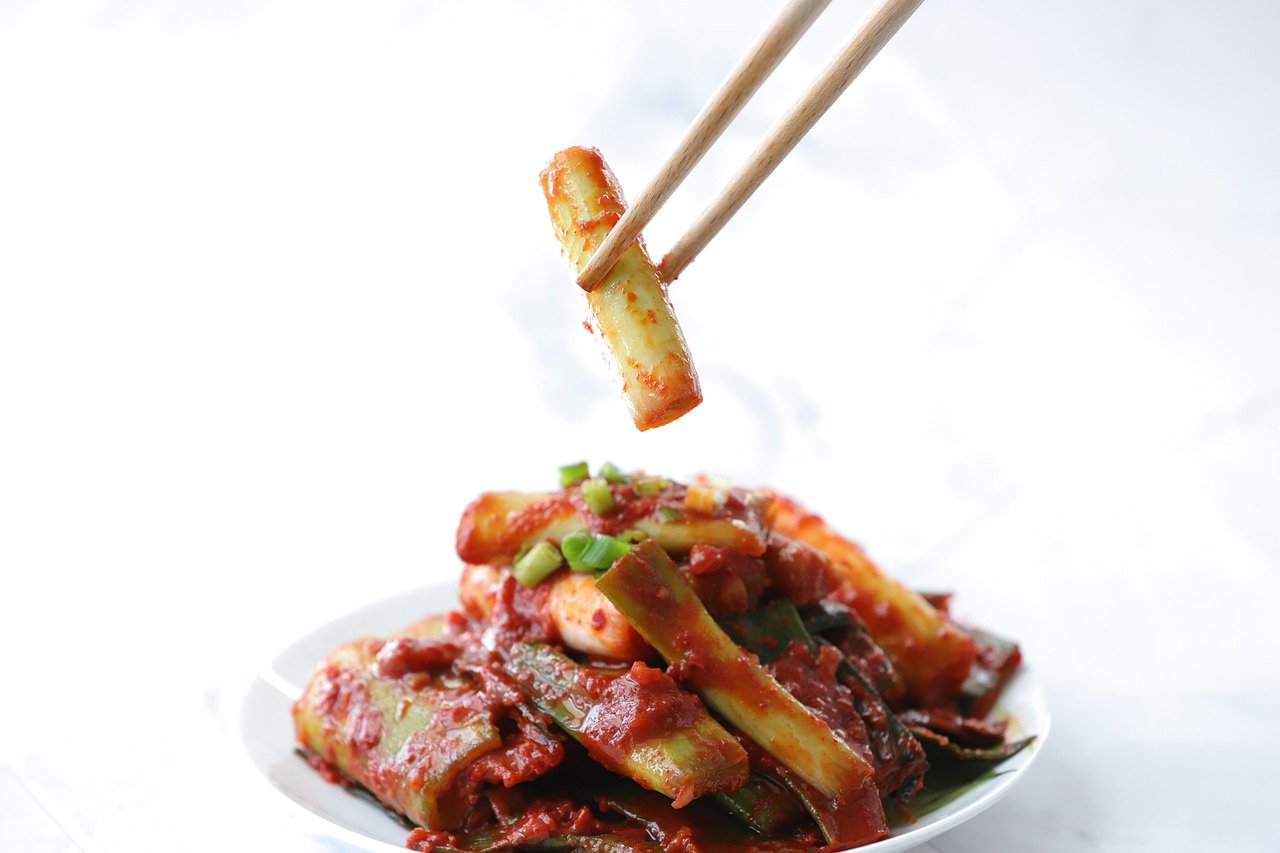
What if one short block of Manhattan could feed you better than an entire city? That’s the strange magic of Koreatown, the compact strip of West 32nd Street between Fifth Avenue and Broadway where the smell of charcoal, gochujang, and bubbling stew hangs in the air from lunch until well past midnight. For anyone hunting for a Korean restaurant in Koreatown NYC, the choices can feel overwhelming, and the tourist traps sit right next to the neighborhood gems. This guide walks through how the district works, what to order, how to spot a good table, and the mistakes that trip up first-timers.
Where Koreatown Actually Is and How It Grew
Manhattan’s Koreatown sits in Midtown, a few blocks from Herald Square and within sight of the Empire State Building. The core runs along West 32nd Street between Fifth Avenue and Broadway, a stretch sometimes called “Korea Way.” It is not an officially codified neighborhood, so boundaries are approximate and shift depending on who you ask.
The district’s Korean business cluster began forming in the late 1970s and 1980s, growing alongside Korean immigration to the United States after the Immigration and Nationality Act of 1965 lifted national-origin quotas. That history matters when you walk the block. Many restaurants are stacked vertically inside multi-story buildings, with barbecue joints on upper floors and street-level spots serving quick bowls of noodles or tofu stew. It is a dense, vertical food district rather than a sprawling one.
Some observers note that the New York metro area has other Korean commercial clusters, notably in Flushing, Queens, along Northern Boulevard, and in Fort Lee, New Jersey. Some consider those areas larger or more community-oriented than Manhattan’s Koreatown. That comparison is contested, so treat any “best” or “biggest” claim with suspicion. For visitors staying in Midtown, though, 32nd Street is unmatched for convenience.
If you enjoy reading about how small districts reinvent themselves, a parallel story plays out in places like Bay St. Louis, a Mississippi coastal town that keeps coming back, where local identity and food culture do similar heavy lifting.
The Main Categories of Korean Restaurant You’ll Find
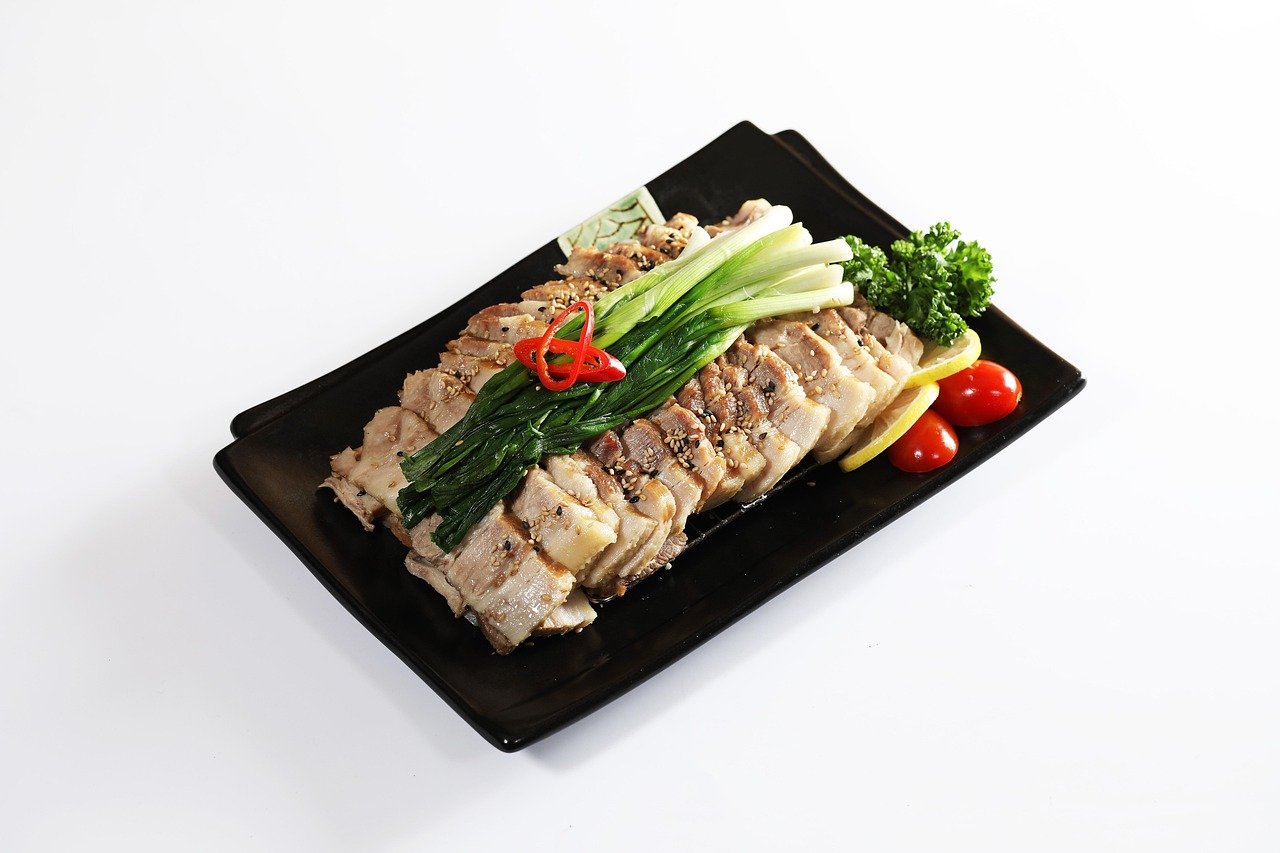
Walking into Koreatown without a plan is how people end up paying too much for mediocre food. Knowing the categories helps you match the restaurant to your mood and your group.
| Category | What It Is | Best For |
|---|---|---|
| Korean barbecue (gogi-gui) | Table-grill cooking, often with built-in ventilation | Groups, celebrations, long dinners |
| Tofu house (soondubu) | Soft tofu stew served bubbling hot | Solo diners, cold days, quick meals |
| Noodle shops | Naengmyeon, japchae, kalguksu | Light lunches, budget meals |
| 24-hour spots | Full menus served around the clock | Late nights, post-show hunger |
| Banchan-focused kitchens | Small plates, stews, rice dishes | Trying many flavors at once |
Korean barbecue is the anchor of the district. Table-grill cooking is a signature category here, and the multi-floor layouts often include ventilation systems built specifically for grilling. If you have never done it, expect to cook some of your own meat, share sides, and linger.
Tofu houses are the quiet heroes. A single order of soondubu arrives at a rolling boil, with a raw egg to crack in and a spread of banchan alongside. It is one of the best value meals in Midtown.
Noodle shops handle the lunch crowd. Cold buckwheat noodles in summer and hot broths in winter keep the block busy year-round.
24-hour dining has historically been part of the culture here, serving both late-night diners and the area’s Korean-speaking community. Individual hours change frequently, so always verify before you go.
How to Order Without Looking Lost
The first rule of Koreatown: banchan is free and refillable. Those small dishes of kimchi, pickled radish, spinach, and fish cake come with most meals. You do not need to order them, and in most places you can ask for more at no charge. Asking for a refill is normal, not rude.
The second rule: barbecue is priced per portion of meat, not per person. Two people ordering three portions plus a stew is a sensible dinner. Ordering five portions for two people is how the bill balloons.
The third rule: know your spice ceiling. Gochujang and gochugaru (chili paste and chili flakes) show up everywhere. If heat is a concern, say so when you order. Most kitchens will adjust a stew or sauce, but they cannot un-spice a pre-marinated meat.
A practical ordering pattern for a first visit looks like this:
- Pick one grilled meat per two people, starting with a marinated option like bulgogi.
- Add one stew or soup to share, such as soondubu or kimchi jjigae.
- Order one starch, like steamed rice or cold noodles, to round it out.
- Ask what banchan comes with the meal before adding extra sides.
- Save room for a cold drink or dessert, since the block has plenty of both.
Common mistake: assuming the grill is self-service only. At many restaurants, staff will start the meat and check on it, then leave you to finish. Watch what the table next to you does, and you will pick up the rhythm fast.
Reading the Room: Signs of a Good Table
New York City restaurants are graded under the Department of Health and Mental Hygiene letter-grade system, introduced in 2010, and grades are public. Look for the letter card in the window. An A is the baseline most diners expect, and a lower grade is worth a second thought, especially for raw-meat grilling.
Beyond the letter grade, a few signals separate a solid Koreatown restaurant from a forgettable one:
- A menu in more than one language. Korean and English menus usually mean the kitchen serves both locals and visitors, not tourists alone.
- A busy lunch crowd on weekdays. Office workers know where the value is.
- Ventilation you can feel. Good barbecue rooms pull smoke away from the table. If your eyes sting within five minutes, that is a design problem.
- Banchan that looks fresh. Limp kimchi or dry fish cake is a small tell about kitchen habits.
- Staff who answer questions plainly. If you ask what a dish is and get a shrug, keep walking.
One thing to skip: any restaurant with a photo menu plastered on the sidewalk and a host waving you in. In a district this dense, the best tables rarely need to chase customers. That pattern holds in food towns everywhere, from Los Altos and its version of Silicon Valley living to small European hill towns where the locals’ favorite spot is the one without a sign.
Timing Your Visit Right
Koreatown runs on a different clock than the rest of Midtown. Lunch from noon to 1:30 p.m. is a crush of office workers. Dinner peaks between 6:30 and 8:30 p.m., especially on Friday and Saturday, when barbecue floors fill with groups. If you want a table without a wait, aim for an early dinner around 5:30 p.m. or a late lunch after 2 p.m.
Late night is where the district earns its reputation. Several restaurants have historically operated around the clock, and the block stays lively after Broadway shows let out. Hours change often, though, so a restaurant that was open at 3 a.m. last year may not be now. Check before you build a night around it.
A word on reservations: barbecue restaurants that take them are worth booking. Walk-in-only spots are fine for small parties but painful for groups of six or more. And if you are visiting in summer, expect the block to be hot and crowded. The reward is that cold noodles taste even better.
Beyond Barbecue: What Else Deserves Your Attention
The district gets typecast as a barbecue zone, but some of its best cooking happens elsewhere.
Korean fried chicken has become a category of its own, with double-fried pieces glazed in soy-garlic or spicy sauce. It is built for sharing and pairs well with cold beer.
Army stew (budae jjigae) is a history lesson in a pot: a spicy broth with sausage, spam, ramen noodles, and kimchi that traces back to postwar scarcity. It is not fancy, and that is the point.
Bibimbap arrives as a bowl of rice, vegetables, beef, and egg, often in a hot stone bowl that crisps the rice at the bottom. Mix it thoroughly and quickly.
Korean desserts and drinks round out the block. Look for patbingsu (shaved ice with sweet beans) in summer and rice punch or barley tea year-round. Some spots also serve Korean-style shaved ice with fruit and condensed milk, which is a meal in itself.
For a sense of how food traditions anchor small towns, it is worth reading about Asiago, the Italian plateau town and its famous PDO cheese. The pattern is familiar: a place becomes known for one product, and the local economy builds around it.
Practical Tips That Actually Help
First-timers tend to make the same handful of errors. Here is what works in practice.
Do not over-order at barbecue. Portions look small on the menu and arrive larger than expected. Start modest and add more.
Bring cash as a backup. Most places take cards, but small shops and late-night counters can be inconsistent.
Dress for the grill. Smoke clings to clothes. Leave the good coat at home, or accept the smell as a souvenir.
Learn three words. “Banchan” (side dishes), “jjigae” (stew), and “mul” (water) will carry you a long way.
Check the grade and the hours in the same glance. Both are usually posted at the door.
Go with a group for barbecue, solo for stew. The economics and the experience both work better that way.
Do not skip the banchan refill. It is free, it is expected, and it is half the pleasure of the meal.
If you are planning a bigger trip around food and waterfront dining, the roundup of the 10 best waterfront restaurants with yacht docks offers a useful contrast to the dense, vertical energy of 32nd Street. And for anyone who likes practical town guides, San Anselmo’s creek-side guide to Marin County shows how a small district’s layout shapes where people eat and gather.
Why the District Still Matters
Koreatown is small, crowded, and sometimes chaotic. It is also one of the few places in Manhattan where a single block can teach you an entire cuisine in an afternoon. The concentration of barbecue, tofu houses, noodle shops, and late-night counters makes it a living classroom for anyone curious about Korean food.
The district’s history is tied to immigration policy and community building, and its present is tied to a constant churn of openings and closings. Restaurant counts and “longest-running” claims get repeated without solid sourcing, so take superlatives lightly. What is not in doubt is the density: stacked floors, shared tables, and a pace that rewards curiosity over caution.
For visitors, the practical takeaway is simple. Pick a category, check the letter grade, order one thing you know and one thing you do not, and let the banchan do the rest. That approach works whether you have an hour between meetings or a whole evening to spend.
Conclusion
A Korean restaurant in Koreatown NYC is less a single destination than a choose-your-own-adventure. The block rewards people who plan a little and stay flexible. Know the categories, respect the spice, watch the letter grade, and time your visit around the lunch and dinner rushes. Whether you end up at a smoky second-floor grill or a quiet tofu house with a bubbling pot in front of you, the district delivers one of the most concentrated food experiences in the city. Go hungry, go curious, and go before the crowds do.
FAQ
What is Koreatown in NYC known for?
It is best known for a dense cluster of Korean restaurants, especially table-grill barbecue, tofu houses, noodle shops, and late-night dining. The core sits on West 32nd Street between Fifth Avenue and Broadway, near Herald Square.
Do I need a reservation for Korean barbecue in Koreatown?
Not always, but it helps, especially for groups of six or more and on weekend evenings. Many barbecue restaurants take reservations, and walk-in-only spots can mean long waits at peak times. Aim for an early dinner around 5:30 p.m. if you want to skip the line.
Is Koreatown expensive?
It ranges widely. Tofu stew and noodle dishes are among the better values in Midtown, while barbecue is priced per portion of meat and adds up quickly for groups. Ordering one grilled meat per two people plus a shared stew keeps the bill reasonable.
What should a first-timer order?
Start with a marinated meat like bulgogi, add a bubbling stew such as soondubu, and finish with rice or cold noodles. Banchan comes free with most meals and can be refilled. Ask about spice levels before ordering if heat is a concern.
Are Koreatown restaurants open late?
Historically, several have operated 24 hours, serving late-night diners and the local Korean-speaking community. Hours change frequently, though, so verify a specific restaurant’s schedule before planning a late night around it.
How do I check if a restaurant is safe and clean?
Look for the letter grade posted at the door. New York City restaurants are graded A, B, or C under the Department of Health and Mental Hygiene system introduced in 2010, and the grades are public. An A is the baseline most diners expect, particularly at restaurants that grill raw meat at the table.









