

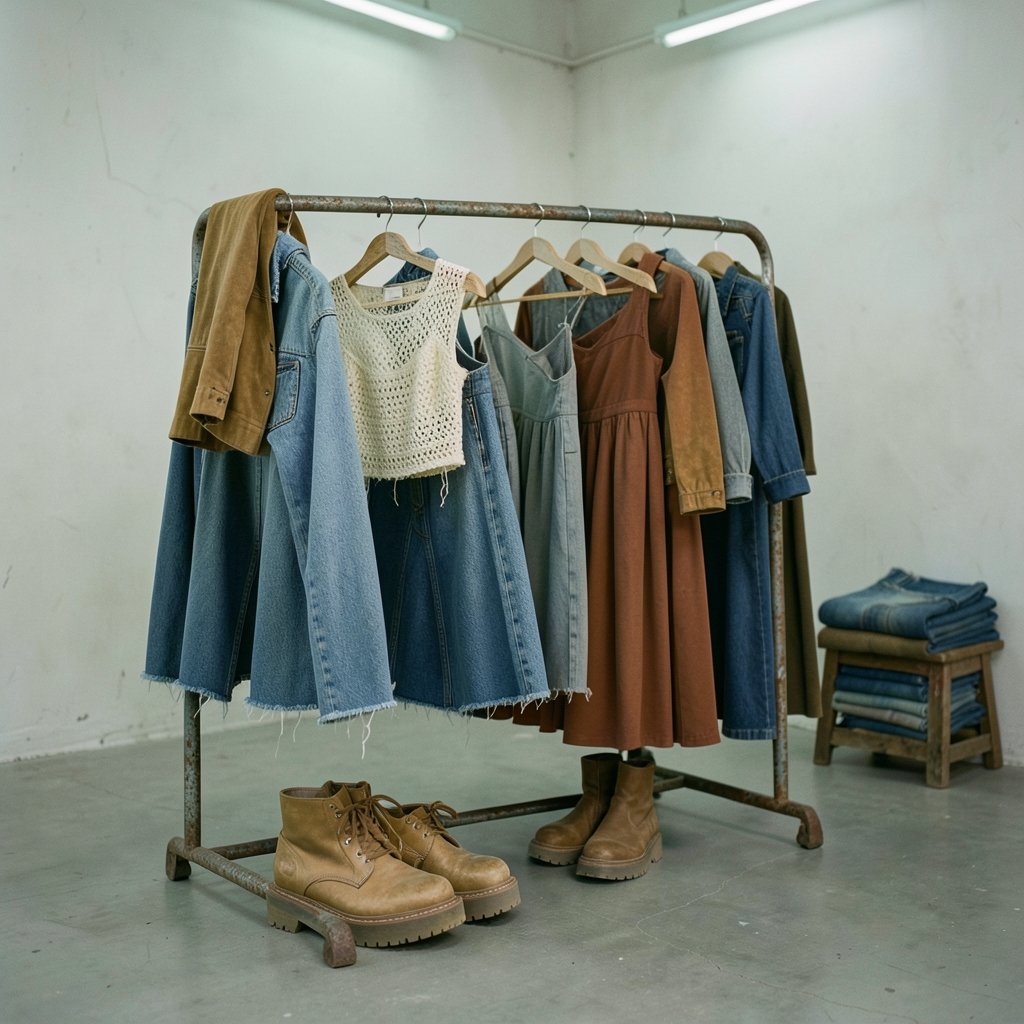
What do you picture when someone says “70s fashion“? Maybe it’s a pair of wide-leg jeans, a crochet top, or platform boots you bought last season without realizing they were a revival. That’s the thing about the 1970s: it never really left. Walk through any mall or scroll through any feed and you’ll spot the decade’s fingerprints everywhere. The silhouette, the colors, the attitude. All of it keeps circling back.
The decade deserves more credit than it gets. It’s often treated as a messy middle child between the polished 1960s and the loud 1980s. But the 1970s was one of the most experimental periods in modern dress. It gave us the midi skirt, the wrap dress, the tracksuit as streetwear, and punk’s safety-pin rebellion. It also gave us some of the most reusable styling ideas in fashion history. Here’s what actually defined the era, why it happened, and how to wear it now without looking like a costume.
Why the 1970s Changed Fashion So Dramatically
The 1970s opened with a deliberate rejection of what came before. The 1960s miniskirt and its neat, futuristic look gave way to longer hemlines, looser shapes, and layered dressing. Fashion historians place the midi’s mainstream arrival around 1970 to 1971, though exact “first” dates are fuzzy. What’s clear is the mood: comfort, individuality, and a bit of theatricality replaced the rigid rules of the previous decade.
Several forces pushed the change at once. Youth culture had money and a voice. Music drove style faster than magazines could print it. And the mainstream absorbed influences from folk, ethnic, and global dress traditions that had previously lived on the margins. The result was a decade with no single look, but many strong ones running side by side.
The Silhouette Shift: Midi Skirts, Maxis and Hot Pants
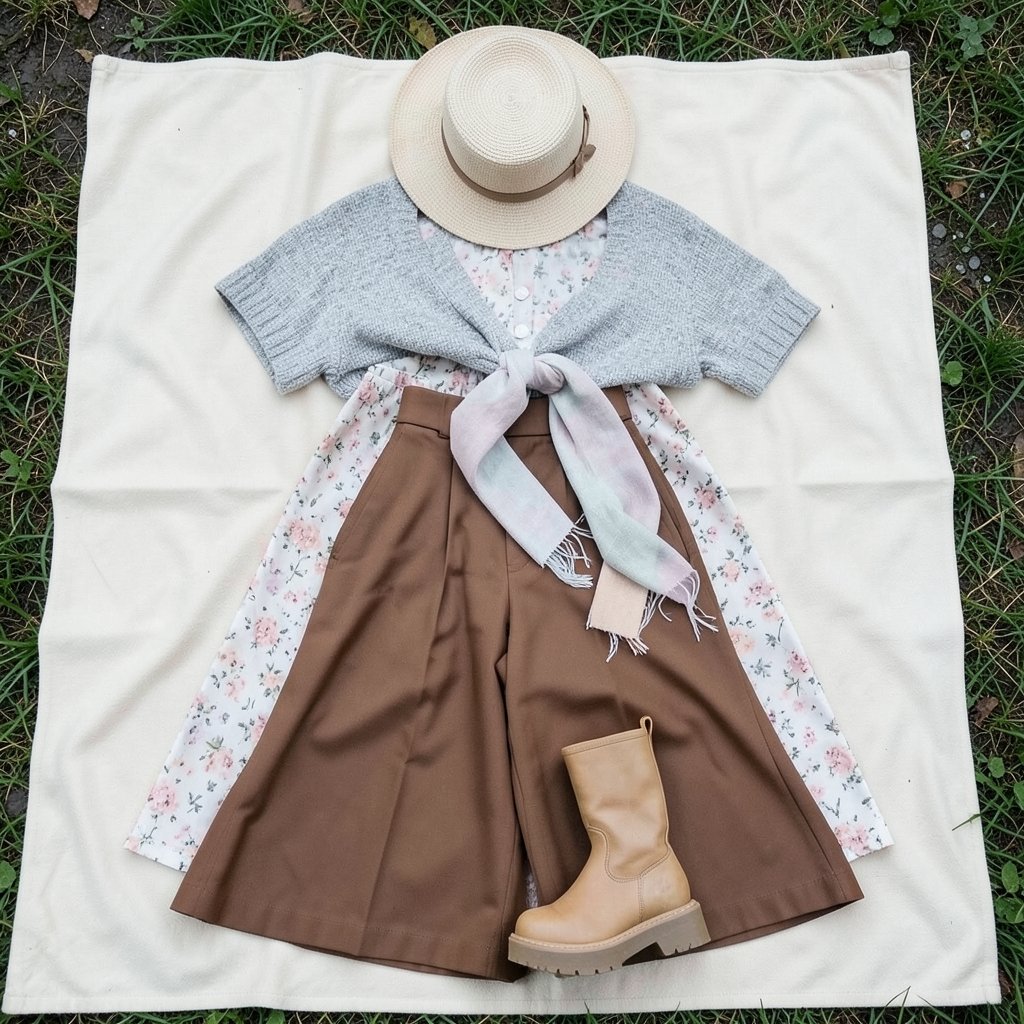
The first big move was downward. Hemlines dropped. The midi and the maxi became everyday options, and hot pants offered a short, playful counterpoint. Instead of one correct length, women suddenly had choices, and they mixed them.
Layering became normal. A long skirt over boots. A tunic over trousers. A vest over a blouse. The body was no longer the point; the outfit was. This is one of the most useful takeaways from the era. The 1970s taught people to build looks in layers rather than rely on a single statement piece.
Flares and Bell-Bottoms
By the early to mid-1970s, flared and bell-bottom trousers were everywhere. The shape was democratic. It flattered most bodies, worked with platforms, and felt relaxed. Denim became near-universal casual wear, and jeans moved from workwear to a daily uniform for almost everyone.
If you want to wear flares today, the practical rule is proportion. A wide leg needs balance up top. A fitted tee, a cropped jacket, or a tucked-in blouse keeps the look sharp. The common mistake is pairing flares with an oversized top, which swallows the shape. Fitted on top, wide on the bottom. That’s the formula that works.
Platform Shoes and the Disco Effect
Platforms were the decade’s signature footwear, tied closely to disco and glam rock. They added height without the pain of a stiletto and gave outfits a bold, grounded base. Wearing them is easier than it looks if you start low. A two-inch platform is comfortable for a full day. A four-inch one is a performance.
Disco dressing peaked commercially in the late 1970s, with wrap dresses, halter necks, sequins, and jumpsuits. Studio 54 opened in New York in April 1977, and its influence spread through music, film, and magazines. The look was shiny, body-conscious, and made for movement. It was also the opposite of the loose, earthy daywear happening at the same time, which shows how split the decade’s style really was.
Earth Tones, Prints and the Folk Influence
The 1970s palette is instantly recognizable: browns, oranges, mustard, rust, and olive. Bold geometric and floral prints ran through both fashion and interiors. These weren’t random choices. They reflected a wider interest in nature, craft, and handmade goods.
Folk and “ethnic” influences entered the mainstream through caftans, tunics, embroidery, and Indian and African prints. Designers including Yves Saint Laurent helped bring these references to high fashion. The trend ran broadly from around 1968 to 1977. Today it’s a reminder that cultural exchange in fashion is powerful, but it also demands respect. Wearing a piece is different from understanding where it came from, and the best modern approach borrows thoughtfully rather than costumes. (Italian luxury fashion)
For anyone building a wardrobe around this palette, start with one anchor color. A rust jacket or a mustard knit can carry an entire outfit. The mistake is going all-in on earth tones at once, which can read flat. Break them with cream, denim, or a single bright accent.
Punk: The 1970s Rebellion That Rewrote the Rules
Punk style is conventionally dated to London around 1976, linked to the Sex Pistols and shops such as SEX, run by Vivienne Westwood and Malcolm McLaren. Ripped clothing, safety pins, bondage trousers, and DIY customization defined the look. That 1976 date is a widely used convention rather than a single documented event, and some histories place its precursors earlier.
What punk did was hand fashion back to the wearer. You didn’t need money to look the part. You needed scissors, a marker, and nerve. That DIY spirit is arguably punk’s biggest legacy, and it echoes through every era since, including the Instagram-driven streetwear explosion that rewrote the rules in the 2010s. You can trace a direct line from safety-pin customization to today’s upcycled, one-of-a-kind pieces.
Unisex, Sportswear and the Rise of Jeans
The 1970s also loosened the rules around who could wear what. Tracksuits, jeans as everyday wear, and unisex styling grew through the decade. Sportswear moved from the gym to the street, a shift that never reversed. Denim became the decade’s great equalizer.
This matters because it set up everything that followed. The idea that comfort and style could coexist, that athletic wear could be fashion, and that a single pair of jeans could work for almost any occasion all took root here. If you’ve ever reached for a tracksuit on a lazy day and still felt put-together, thank the 1970s.
Film, Music and the Stars Who Sold the Look
Style in the 1970s traveled through sound and screen. Glam rock, with David Bowie and Marc Bolan, peaked roughly between 1971 and 1974 and pushed glitter, tailoring, and gender-blurring dressing into the mainstream. Saturday Night Fever, released in 1977, turned disco style into a global template overnight.
Music and film did something magazines couldn’t. They showed people how the clothes moved. A jumpsuit on a dance floor looks different from a jumpsuit in a catalog. That kinetic quality is why so many 1970s pieces feel alive when worn, and why illustrators still capture runway moments with the same energy today. If you want to understand why the decade’s style endures, watch how it performs rather than how it photographs.
How the 1970s Ended and What Came Next
By 1979 to 1980, silhouettes narrowed. Punk and post-punk gave way to early 1980s styles, and the flares and platforms of the previous decade were pushed aside. The shift was approximate rather than a clean break, but the mood changed fast. Bright, sharp, and structured replaced loose and layered.
That rapid turnover is worth noting. Fashion cycles were already speeding up, and the 1970s was one of the first decades to be fully absorbed, remixed, and discarded within a generation. It’s also why the era keeps returning. There’s always a fresh angle to revive.
How to Wear 70s Fashion Today Without Looking Dated
The trick with any revival is editing. The 1970s gave us great pieces, but wearing them head-to-toe reads as costume. Here’s a practical approach that actually works.
- Pick one hero piece. Flares, a platform boot, a crochet top, or a suede jacket. Let it lead.
- Keep everything else modern. Clean denim, a plain tee, or a tailored blazer balances the vintage element.
- Watch your proportions. Wide bottoms need a fitted top. Oversized tops need slim bottoms.
- Choose one or two earth tones, not five. Cream and denim are your neutralizers.
- Buy quality over quantity. A well-made pair of flares lasts for years and survives every revival cycle.
- Test platforms before committing. Wear them around the house for an hour first.
The most common mistake is treating the decade as a single aesthetic. It wasn’t. Disco, folk, punk, and sportswear were different worlds. Mixing a sequined halter with patchwork flares confuses the story. Pick a lane, then add one unexpected element.
Where 70s Style Fits Into 2026 Trends
The decade’s influence shows up across current runways and street style, from wide-leg tailoring to platform soles and earthy palettes. If you’re mapping the revival against what’s happening now, it helps to see the full picture of what’s in, out, and worth buying. The through-line is comfort with personality, which is exactly what the 1970s did best.
For those who like to plan a wardrobe around the season’s direction, it’s worth studying the broader fashion trends 2026 report to see which 70s elements are being reinterpreted and which are sitting this cycle out. And if you follow style writing closely, curating a short list of fashion newsletters beats drowning in a crowded inbox.
Conclusion
The 1970s wasn’t one look. It was a decade of competing ideas that somehow all shared a spirit of experimentation. Flares and platforms, earth tones and sequins, punk and folk. Each one said something different about the person wearing it. That range is exactly why the era keeps coming back. It has an answer for almost every mood.
The smartest way to wear it now is with restraint and intention. Choose the pieces that suit your life, balance them with modern staples, and skip the full costume. The decade rewards confidence and editing. Get those two right, and 70s fashion stops being nostalgia and starts being a genuinely useful part of your wardrobe.
What defined 1970s fashion most?
The decade is best defined by choice. Hemlines dropped to midi and maxi lengths, trousers flared, platforms lifted, and earth tones dominated. At the same time, disco brought sequins and jumpsuits while punk brought ripped denim and safety pins. No single look ruled, which is why the era feels so varied.
When did punk fashion start?
Punk style is conventionally dated to London around 1976, tied to the Sex Pistols and shops such as SEX, run by Vivienne Westwood and Malcolm McLaren. That date is a widely used convention rather than one documented event, and some histories point to earlier precursors. The core elements were ripped clothing, safety pins, bondage trousers, and DIY customization.
Why were platform shoes so popular in the 70s?
Platforms added height without the discomfort of thin heels, and they paired naturally with flared trousers. They were closely tied to disco and glam rock, two of the decade’s biggest style drivers. They also fit the era’s playful, theatrical mood, which favored bold shapes over subtle ones.
What colors and prints were popular in 70s fashion?
Earth tones led the palette: browns, oranges, mustard, rust, and olive. Bold geometric and floral prints appeared across both clothing and interiors. These choices reflected a wider interest in nature and craft. To wear them now, pick one or two earth tones and balance them with cream or denim so the look stays fresh.
How do you wear 70s fashion without looking like a costume?
Choose one hero piece and keep the rest modern. Balance proportions, so wide-leg trousers pair with a fitted top. Limit yourself to one or two earth tones. Avoid mixing disco, folk, and punk in a single outfit, since those were separate worlds in the decade itself. Editing is what separates a stylish nod from a costume.
Did 1970s fashion influence what people wear today?
Yes, heavily. Wide-leg jeans, platform soles, wrap dresses, crochet tops, and earthy palettes all trace back to the decade. The 1970s also normalized jeans as everyday wear and helped move sportswear from the gym to the street. Those shifts never reversed, which is why the era’s influence is still visible in everyday wardrobes.














