


What do Zara, LVMH, and a two-person label selling only on Instagram have in common? They are all fashion brand companies. That sounds like a simple answer, but the term covers wildly different businesses. One might own factories and stores on four continents. Another might own nothing but a name, a logo, and a sharp sense of what people want to wear next season.
Understanding what a fashion brand company really is matters whether you are a shopper trying to decode price tags, a designer planning a launch, or someone curious about how a dress travels from sketch to shelf. This guide breaks down the business models, the money, the rules, and the practical realities that separate a brand that lasts from one that folds in two seasons.
The Core Definition: Brand Owner Versus Manufacturer
A fashion brand company is a business that designs, markets, and sells clothing, footwear, or accessories under a recognizable brand identity. The critical word is “brand.” Many fashion companies do not make their own products. They design and market, then outsource production to contract factories, often in Asia, while keeping control of the name, the look, and the customer relationship.
This split between brand owner and manufacturer is the standard structure of the apparel industry. It lets a young label launch without building a factory. It also creates the supply-chain complexity that regulators now scrutinize closely.
The spectrum runs roughly like this:
| Model | What the company owns | Example |
|---|---|---|
| Vertically integrated | Design, production control, retail | Uniqlo (Fast Retailing) |
| Brand owner with outsourcing | Design, branding, retail; outsourced factories | Most mid-size labels |
| Wholesale and licensed | Brand name; products made and sold by partners | Licensed accessories and fragrances |
| Pure marketplace or resale | Platform only | Secondhand and multi-brand sites |
Fast Retailing, the parent of Uniqlo, designs and largely controls its production and reported revenue of about ¥2.77 trillion in fiscal 2023, a year ending in August. That vertical grip is unusual. Most brands sit somewhere in the middle, outsourcing heavily while guarding their identity fiercely.
Why the Brand, Not the Factory, Captures the Value
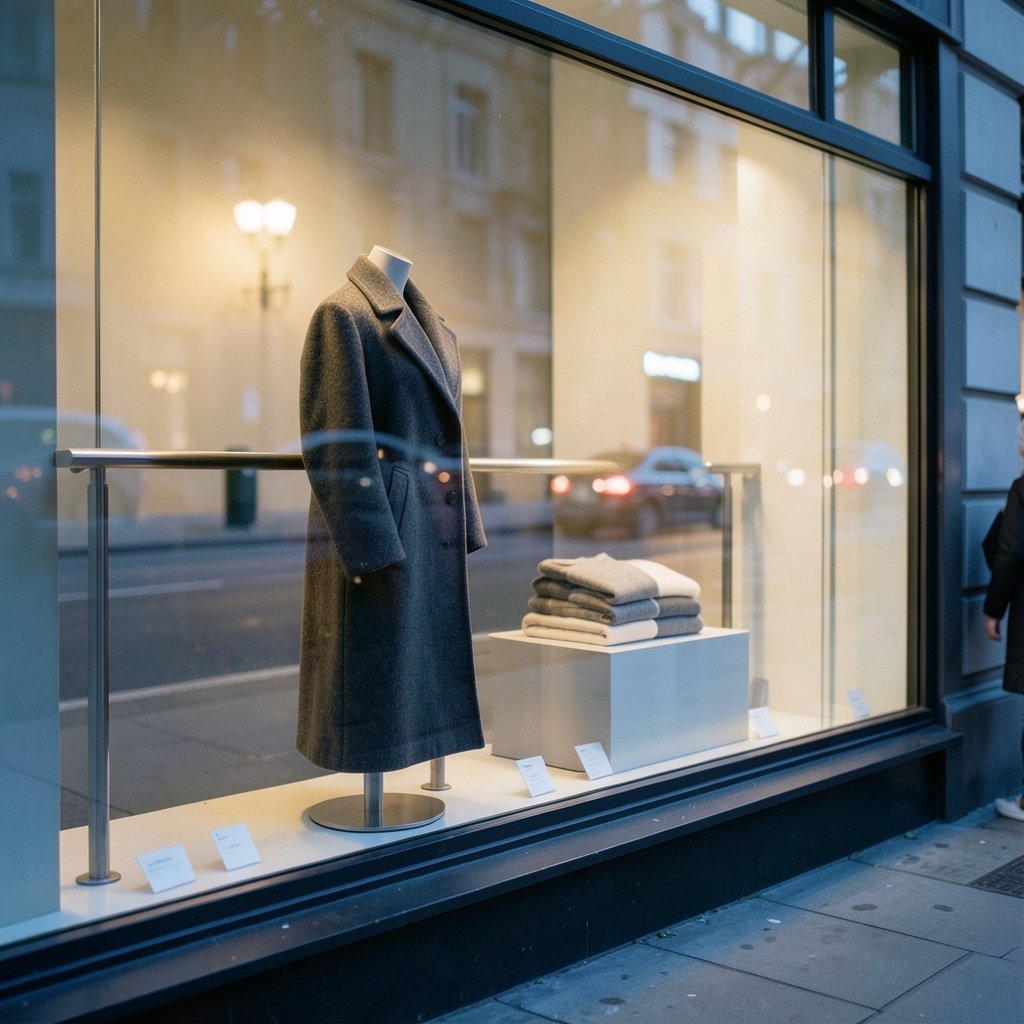
Here is the uncomfortable truth about the industry: making clothes is a low-margin business, and selling a name is a high-margin one. A factory might earn a few dollars assembling a garment that retails for many times that. The brand company captures the difference because it owns what customers actually pay for: identity, aspiration, and trust.
This is why so much of a fashion company’s spending goes to marketing, store design, and celebrity placement rather than sewing machines. It is also why luxury houses guard their logos with legal ferocity. The logo is the asset.
That logic explains the rise of brands built almost entirely on image. Take a label like The Row, which became a benchmark for quiet, understated luxury without flashy logos. If you want to understand how a name alone can command premium pricing, this breakdown of why The Row is a luxury fashion brand is worth reading.
The Major Business Models in Fashion
Fashion companies cluster into a few recognizable playbooks. Knowing which one a brand follows tells you a lot about its prices, its speed, and its risks.
Fast Fashion: Speed as Strategy
The fast fashion model relies on short design-to-shelf cycles and frequent small batches. Zara, owned by Inditex, became the textbook case from the 1990s and 2000s, turning trends into store stock in weeks rather than months. Inditex reported revenue of roughly €38 billion in fiscal 2023, a year ending January 2024.
Fast fashion works because it responds to demand quickly and limits markdowns through constant novelty. Its weakness is the environmental and labor pressure that comes with volume and speed.
Luxury Conglomerates: Scale Behind Prestige
The luxury segment is dominated by conglomerates. LVMH formed in 1987 through the merger of Louis Vuitton and Moët Hennessy, and reported revenue of about €86 billion in 2023. Kering, renamed from PPR in 2013, owns a portfolio of luxury houses. These groups spread risk across many brands and share back-office muscle.
If you are curious how Italian houses fit into this landscape, the tag on Italian luxury fashion collects related coverage.
Minimalist and Direct-to-Consumer Labels
A growing cluster of brands competes on restraint rather than novelty. They sell fewer, better pieces and build loyalty through consistency. This approach overlaps with the wider move toward minimalist fashion brands built for timeless style, where the product range stays small and the brand story stays tight.
Direct-to-consumer labels skip wholesalers and sell straight to shoppers online. The upside is margin and data. The downside is that customer acquisition gets expensive fast, and many DTC brands discover that paid ads eat the profit a wholesale partner once absorbed.
The Money: How Big Is This Industry?
The global apparel and footwear market is commonly estimated at roughly US$1.5 to 1.7 trillion a year. Treat that figure as approximate. Estimates vary widely between consultancies and years, so any single number deserves a date and a source attached.
What matters more than the headline figure is the shape of the market. A handful of giants capture enormous revenue while thousands of small brands fight for a sliver. The middle is the hardest place to survive: too big to be nimble, too small to compete on cost.
Regulation Is Reshaping the Industry
For decades, fashion companies could largely ignore where their materials came from. That era is ending. Two regulatory fronts now shape sourcing decisions.
EU Ecodesign Rules
The EU Ecodesign for Sustainable Products Regulation (ESPR) entered into force in July 2024. It sets a framework for digital product passports and requirements on durability and recyclability, with textiles among the targeted product groups. The exact obligations arrive through delegated acts, so timelines can shift. Brands that design for longevity and can document materials will adapt more easily than those built on disposable trends.
Supply-Chain Due Diligence
The EU Corporate Sustainability Due Diligence Directive (CSDDD) was adopted in 2024 and published in the Official Journal in July 2024. It requires large companies, including fashion brands, to identify and address human-rights and environmental risks across their value chains, with phased application starting in 2027. Verify the current phase-in dates, as these have been subject to amendment.
Forced-Labor Import Bans
In the US, the Uyghur Forced Labor Prevention Act (UFLPA) was signed into law in December 2021 and took effect on 21 June 2022. It creates a rebuttable presumption that goods from Xinjiang are made with forced labor, which directly affects apparel and cotton sourcing. Xinjiang is a major cotton-producing region, and the law pushed many brands to trace cotton origins in detail. Avoid quoting a precise share of global cotton without a primary source, since figures vary by year.
For anyone running a brand, traceability is required paperwork: it is a license to sell in major markets.
Practical Tips for Anyone Building or Buying From a Fashion Brand
Whether you are launching a label or evaluating one as a customer or partner, a few practical habits separate informed decisions from expensive mistakes.
Common mistakes people make when launching a brand:
- Skipping the sampling and fit stage to save money, then facing returns that destroy margins.
- Choosing a factory purely on price without checking labor and environmental compliance, which becomes a regulatory liability later.
- Spending the entire budget on the first marketing push instead of holding cash for the second season.
- Ignoring the boring parts, like sizing consistency and shipping times, that actually drive repeat purchases.
What actually works in practice:
- Start with a small, focused range and prove demand before scaling production.
- Build a direct relationship with at least one factory so you can verify conditions yourself.
- Price for the full cost of returns as well as the cost of goods.
- Document material origins from day one, because retrofitting traceability is far harder than building it in.
For buyers, the signal to watch is consistency. A brand that keeps its sizing, quality, and delivery reliable across seasons is usually a company with real operational discipline, which good photography alone cannot demonstrate. Trend coverage can be useful context, and resources on 2026 fashion trends for women help shoppers separate genuine shifts from short-lived noise.
How Brand Identity Gets Built
A fashion company’s identity is assembled from many small signals: the cut of a collar, the tone of a caption, the feel of a shopping bag. Some of this work happens in unexpected places. Illustrators, for instance, translate runway moments into visual stories that shape how a collection is remembered, which is exactly the kind of craft covered in this look at how a fashion illustrator turns runway moments into lasting imagery.
Celebrity-founded brands add another layer. A famous name can open doors and generate instant attention, but it cannot substitute for product quality. Coverage of whether a celebrity cosmetics brand really was what it claimed shows how scrutiny follows famous founders, and why substance eventually matters more than star power.
Even the business-registration side deserves attention. Founders often underestimate how much structure matters early on. Learning how to run a proper business search and look up any company is a useful skill for anyone checking a supplier, a partner, or a competitor’s legal footing before signing a contract.
Conclusion
A fashion brand company is, at its heart, a business built on identity rather than fabric. It designs and markets, often outsources production, and captures value by owning the name customers trust. The models range from fast fashion’s relentless speed to luxury’s patient prestige, and the giants at the top operate at a scale that dwarfs everyone else. Yet the rules are tightening. Traceability, due diligence, and durability requirements are turning supply chains into compliance exercises, and brands that treat those rules as an afterthought will struggle. Whether you are launching a label, sourcing from one, or simply shopping with sharper eyes, the same principle applies: understand the model behind the logo, and you understand the company.
Frequently Asked Questions
What exactly is a fashion brand company?
It is a business that designs, markets, and sells apparel, footwear, or accessories under a brand identity. Many such companies outsource manufacturing to contract factories while keeping control of design, branding, and retail. The brand, not the factory, is the core asset.
Do fashion brand companies make their own clothes?
Some do, but most do not. Vertically integrated companies like Uniqlo’s parent, Fast Retailing, control production closely. Most other brands design and market while outsourcing to third-party factories, then sell through their own stores, wholesale partners, or online.
How large is the global fashion industry?
The global apparel and footwear market is commonly estimated at roughly US$1.5 to 1.7 trillion annually. That figure is approximate, and estimates vary widely between consultancies and years, so it should always be cited with a source and date attached.
What is the difference between fast fashion and luxury fashion companies?
Fast fashion relies on short design-to-shelf cycles and frequent small batches, responding quickly to trends. Luxury companies focus on prestige, craftsmanship, and brand heritage, often within large conglomerates. The two models have very different cost structures, margins, and environmental footprints.
What regulations affect fashion brand companies now?
Several matter. The EU Ecodesign for Sustainable Products Regulation entered into force in July 2024 and will set durability and recyclability requirements for textiles. The EU Corporate Sustainability Due Diligence Directive requires large companies to address value-chain risks, with phased application from 2027. In the US, the Uyghur Forced Labor Prevention Act, effective June 2022, restricts imports tied to forced labor, affecting cotton sourcing.
What is the biggest mistake new fashion brands make?
Spending the entire budget on the first marketing push while neglecting fit, sizing consistency, and supply-chain verification. A brand that gets the product and operations right earns repeat customers. One that only gets the launch right usually runs out of cash before the second season.














